





Febuxostat (80mg)
May 02, 2023
Gout is a common form of arthritis that affects millions of people in India and worldwide. It is characterized by elevated uric acid levels in the blood (hyperuricemia), leading to painful joint inflammation, redness, and swelling, often affecting the big toe, knees, or elbows. If left untreated, gout can cause chronic joint damage, kidney stones, and other health complications.
FEBUOXATE 80, containing Febuxostat 80 mg, is a modern and effective urate-lowering therapy. It is prescribed for patients who cannot tolerate traditional treatments such as allopurinol or whose uric acid levels are not adequately controlled by other therapies. FEBUOXATE 80 helps reduce uric acid levels, prevent gout attacks, and protect the kidneys and joints from long-term damage.
This article provides a complete overview of FEBUOXATE 80, including its composition, mechanism of action, uses, benefits, dosage, side effects, precautions, and frequently asked questions.
What is FEBUOXATE 80?
FEBUOXATE 80 is a prescription medication used to manage hyperuricemia in patients with gout. Its active ingredient, Febuxostat 80 mg, belongs to a class of drugs called xanthine oxidase inhibitors, which reduce the production of uric acid in the body.
Composition of FEBUOXATE 80
-
Active Ingredient: Febuxostat 80 mg
-
Dosage Form: Oral tablet
This formulation provides a higher-dose option for patients requiring effective uric acid reduction and long-term gout management.
How FEBUOXATE 80 Works (Mechanism of Action)
Febuxostat works by inhibiting xanthine oxidase, an enzyme responsible for converting purines into uric acid. By blocking this enzyme:
-
Uric Acid Production Decreases
Less uric acid is formed in the body, reducing the risk of crystallization in joints and kidneys. -
Prevention of Gout Attacks
Lower uric acid levels prevent deposition of urate crystals in joints, reducing inflammation and pain. -
Kidney Protection
Reduces risk of uric acid-related kidney stones and improves overall renal function in patients with hyperuricemia. -
Long-Term Disease Control
Helps maintain uric acid levels below 6 mg/dL, which is the target recommended by international gout guidelines.
Uses of FEBUOXATE 80
1. Chronic Gout
-
Reduces uric acid levels in patients with frequent or severe gout attacks
-
Prevents recurrent joint pain and swelling
2. Hyperuricemia
-
Effective in patients with elevated serum uric acid without frequent attacks
-
Reduces risk of urate crystal deposition in joints and kidneys
3. Allopurinol-Intolerant Patients
-
Ideal for patients who cannot tolerate allopurinol due to allergic reactions or kidney issues
4. Kidney Stone Prevention
-
Lowers uric acid levels to prevent formation of uric acid kidney stones
5. Cardiovascular Risk Management (Secondary Benefit)
-
Some studies suggest Febuxostat may have beneficial effects on endothelial function in patients with hyperuricemia
Benefits of FEBUOXATE 80
1. Effective Uric Acid Reduction
-
Significantly lowers serum uric acid levels in most patients
-
Achieves target uric acid levels (<6 mg/dL) faster than some alternative treatments
2. Prevents Gout Flares
-
Reduces frequency and severity of gout attacks
-
Improves joint mobility and overall quality of life
3. Suitable for Long-Term Use
-
Can be safely used for chronic management under medical supervision
4. Kidney and Joint Protection
-
Reduces risk of uric acid deposition in joints and kidneys
-
Helps prevent long-term complications such as tophi and kidney stones
5. Alternative for Allopurinol-Intolerant Patients
-
Provides a safe and effective treatment option for patients with allergies or adverse reactions to allopurinol
Dosage of FEBUOXATE 80
Recommended Adult Dosage
-
Standard dose: 80 mg once daily
-
Dose may be adjusted based on uric acid levels and patient tolerance
Administration Guidelines
-
Take orally, with or without food
-
Swallow the tablet whole; do not crush, chew, or split
-
Take at the same time every day for consistent blood levels
Missed Dose
-
Take as soon as remembered
-
Skip if it is near the next scheduled dose
-
Do not double the dose
Pediatric and Geriatric Use
-
Safety and efficacy in children are not established
-
Elderly patients may require monitoring for kidney or liver function
Side Effects of FEBUOXATE 80
Most patients tolerate FEBUOXATE 80 well, but side effects may occur.
Common Side Effects
-
Nausea
-
Diarrhea
-
Headache
-
Abdominal discomfort
Less Common Side Effects
-
Rash or itching
-
Fatigue
-
Dizziness
Serious but Rare Side Effects
-
Liver enzyme elevation
-
Cardiovascular events (monitor in patients with pre-existing heart disease)
-
Severe allergic reactions
Patients experiencing severe or persistent side effects should seek immediate medical attention.
Precautions and Warnings
1. Liver Function Monitoring
-
Periodic liver function tests recommended
-
Dose adjustment required if liver enzymes are elevated
2. Kidney Function
-
Use caution in patients with severe renal impairment
-
Dose adjustment may be needed
3. Cardiovascular Risk
-
Monitor patients with a history of heart disease
-
Febuxostat has been associated with rare cardiovascular events in certain high-risk populations
4. Pregnancy and Breastfeeding
-
Use only if clearly prescribed by a doctor
-
Safety data in pregnant or breastfeeding women are limited
5. Allergies
-
Avoid if allergic to Febuxostat or any excipients
Drug Interactions
FEBUOXATE 80 may interact with:
-
Azathioprine, mercaptopurine, or theophylline (risk of toxicity)
-
Certain anticoagulants (warfarin)
-
Drugs affecting liver enzymes (CYP450 inhibitors or inducers)
-
Other urate-lowering medications
Always inform your doctor about all medications before starting FEBUOXATE 80.
Lifestyle and Monitoring Tips While on FEBUOXATE 80
-
Dietary Management
-
Limit foods high in purines: red meat, organ meat, seafood
-
Increase intake of low-fat dairy, vegetables, and whole grains
-
Maintain adequate hydration (2–3 liters water/day)
-
-
Exercise
-
Regular physical activity improves joint mobility and metabolic health
-
-
Alcohol Intake
-
Limit alcohol, especially beer and spirits, as they increase uric acid
-
-
Regular Blood Tests
-
Monitor uric acid, kidney function, and liver enzymes periodically
-
-
Weight Management
-
Maintain healthy weight to reduce stress on joints and improve uric acid metabolism
-
Why Choose FEBUOXATE 80?
-
Clinically Proven Efficacy – Effectively lowers uric acid levels in chronic gout patients
-
Convenient Once-Daily Dosing – Enhances adherence
-
Suitable for Allopurinol-Intolerant Patients – Safe alternative for those with allergies
-
Long-Term Joint and Kidney Protection – Reduces urate deposition and kidney stone risk
-
Widely Prescribed in India – Trusted by healthcare providers for effective gout management
Storage Instructions
-
Store at room temperature (15–30°C)
-
Protect from moisture, heat, and sunlight
-
Keep out of reach of children
-
Do not use expired tablets
Conclusion
FEBUOXATE 80 (Febuxostat 80 mg) is a safe, effective, and convenient medication for patients with chronic gout and hyperuricemia. Its unique mechanism of action lowers uric acid levels, prevents painful gout attacks, and protects the kidneys and joints from long-term damage.
When combined with dietary modifications, hydration, exercise, and regular monitoring, FEBUOXATE 80 helps patients achieve better disease control, improved quality of life, and reduced risk of complications.
Frequently Asked Questions
Q1. What is FEBUOXATE 80 used for?
It is used for managing high uric acid levels and preventing gout attacks in adults.
Q2. How does FEBUOXATE 80 work?
It inhibits xanthine oxidase, reducing uric acid production in the body.
Q3. How long does it take to work?
Uric acid levels usually decrease within 2–4 weeks, but long-term therapy is recommended for prevention.
Q4. Can it cause side effects?
Mild side effects like nausea or headache are common; serious effects are rare.
Q5. Can I stop taking it once my uric acid is normal?
No, long-term therapy is often required to prevent recurrent gout attacks.
Q6. Can elderly patients take FEBUOXATE 80?
Yes, with monitoring for kidney, liver, and cardiovascular function.
Q7. Can it be combined with other gout medications?
Yes, under medical supervision, it can be combined with other urate-lowering therapies if needed.
Q8. Is diet important while taking FEBUOXATE 80?
Yes, a low-purine diet and adequate hydration complement the medication’s effect.
Recent Post
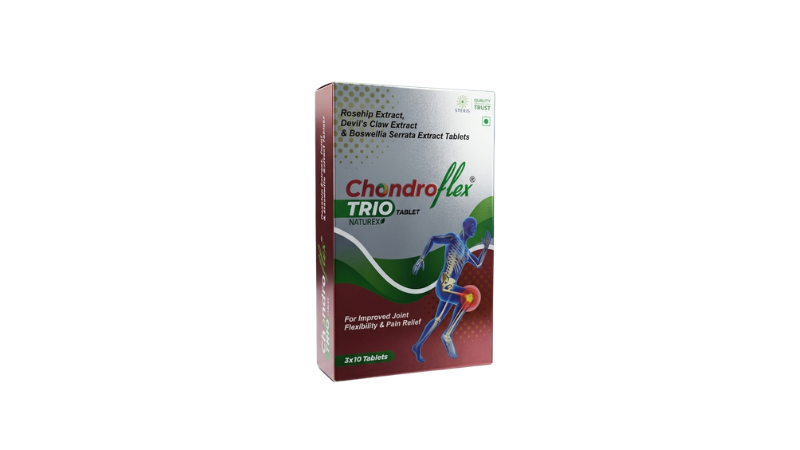
Rosehip Extract & Boswellia Serrata Uses in Hindi | CHONDROFLEX TRIO की पूरी जानकारी
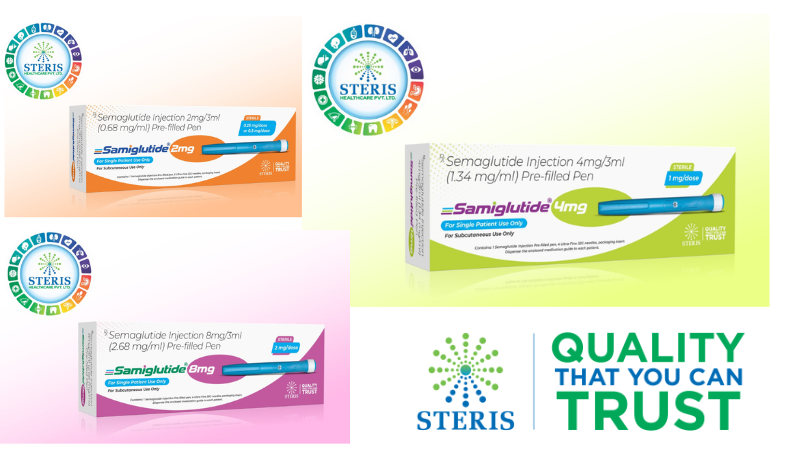
Semaglutide injection in hindi: Semaglutide injection 2 mg, Semaglutide injection 4 mg, Semaglutide injection 8 mg
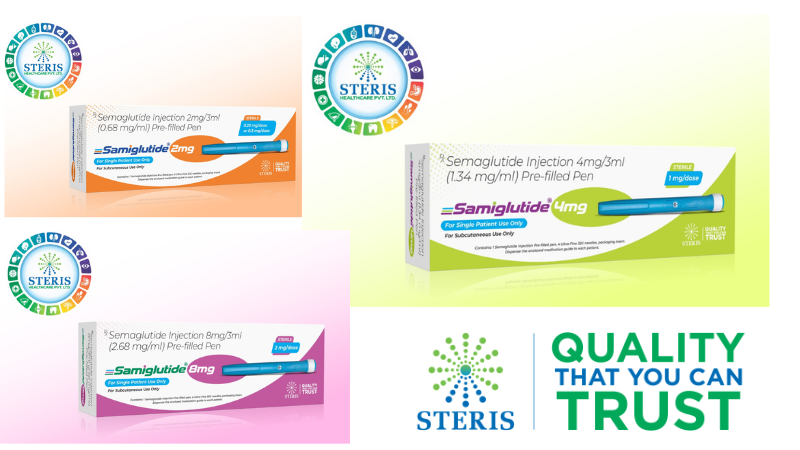
Semaglutide injection once a week : how does it work?
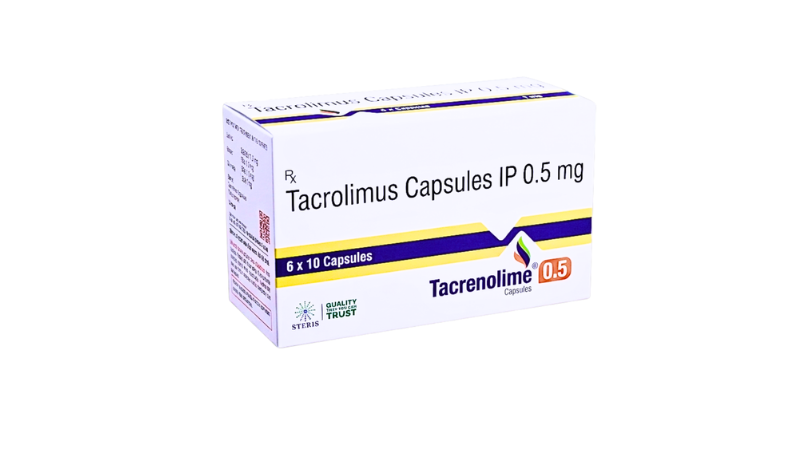
Tacrolimus 0.5 mg Capsule के उपयोग, लाभ और सावधानियां हिंदी में
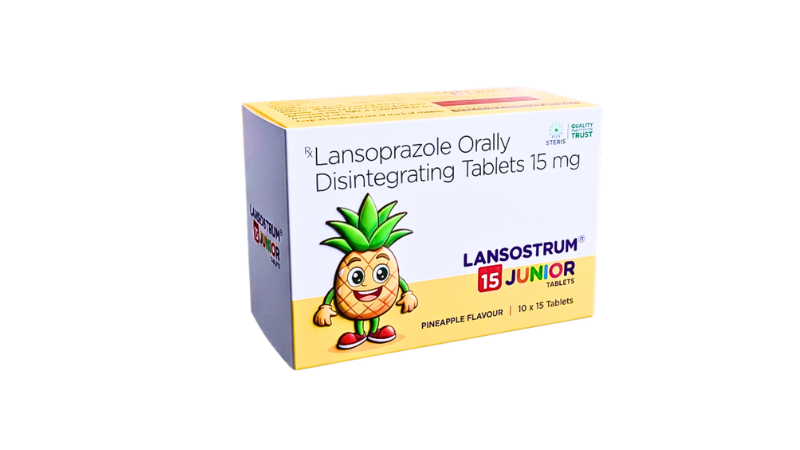
Lansoprazole Orally Disintegrating Tablets 15 mg Uses in Hindi: LANSOSTRUM 15 JUNIOR के फायदे, उपयोग और सावधानियां
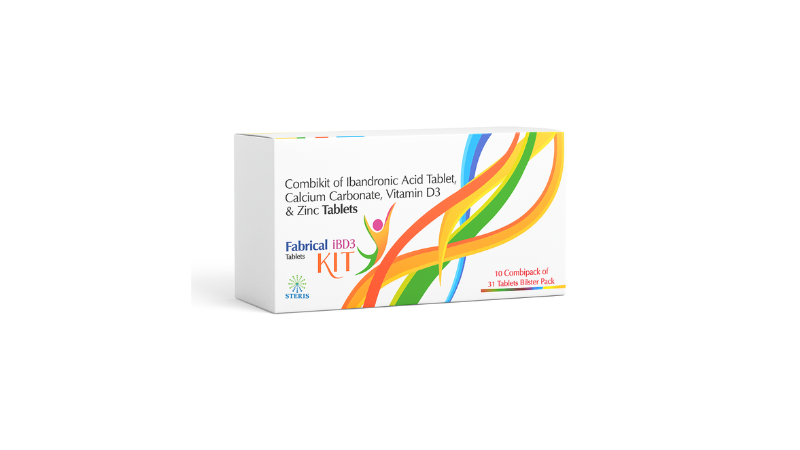
Ibandronic Acid Tablet Uses in Hindi: हड्डियों की सुरक्षा और फ्रैक्चर से बचाव का पूरा गाइड
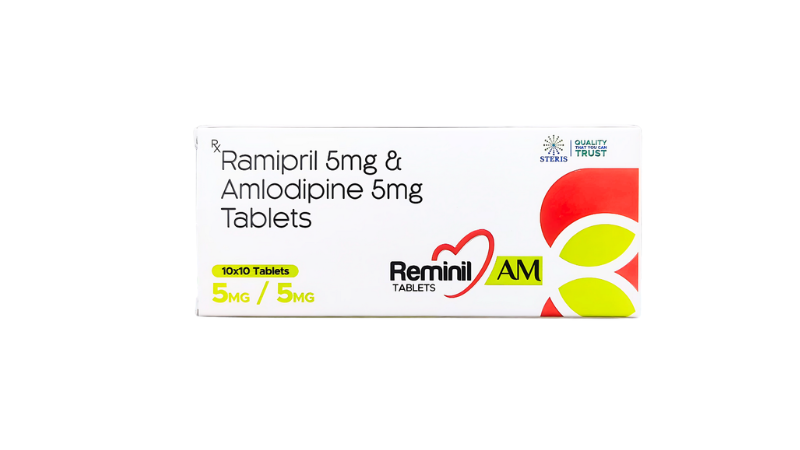
Ramipril 5mg Uses in Hindi: REMINIL AM 5/5 से जानें हाई ब्लड प्रेशर का सम्पूर्ण इलाज
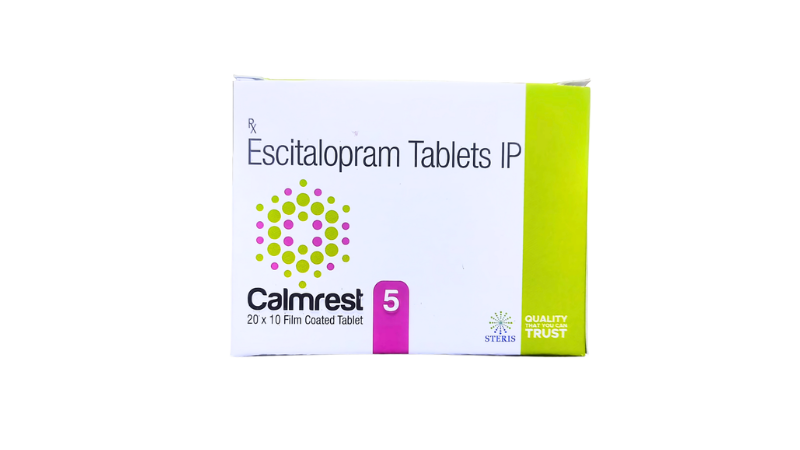
Escitalopram 5 mg Uses in Hindi: CALMREST 5 से जानें डिप्रेशन का सम्पूर्ण इलाज
Lithium Carbonate Tablet क्या है? जानें उपयोग, फायदे और साइड इफेक्ट्स
Quatrefolic, Vitamin B6 और Cyanocobalamin Tablets: उपयोग, फायदे और सावधानियां

