


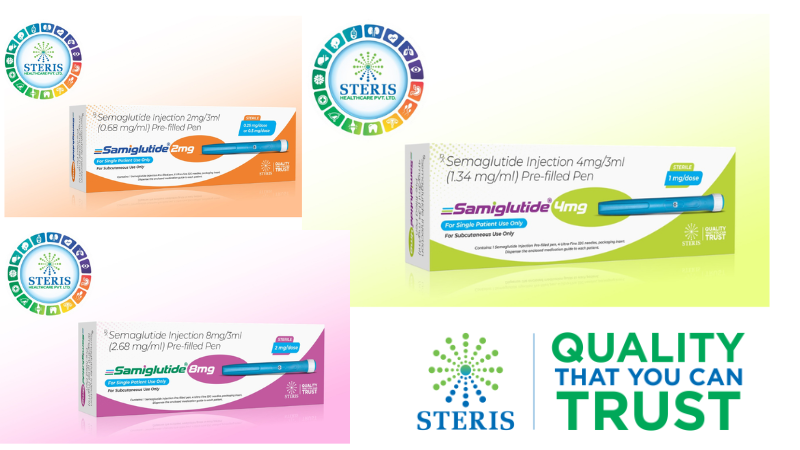



BEST semaglutide injection price in india
Sep 15, 2026
Semaglutide injection is a once-weekly GLP-1 receptor agonist prescribed for Type 2 diabetes management and, at higher doses, for chronic weight management in adults with obesity or excess weight-related conditions. It works by mimicking a natural gut hormone that slows digestion, curbs appetite, and helps the pancreas release insulin only when blood sugar is high. Available in 2mg, 4mg, and 8mg pre-filled pen strengths (dose expressed as pen concentration; actual injected dose is titrated from 0.25mg upward), it is self-administered subcutaneously once a week, on the same day, with or without food. Most people see appetite reduction within the first few weeks, with meaningful weight loss typically building over 3–6 months of consistent use and gradual dose escalation. Semaglutide injection is a prescription-only medicine — it should never be started, stopped, or dose-adjusted without a doctor's guidance.
What Is Semaglutide Injection?
Semaglutide injection is a synthetic version of a naturally occurring gut hormone called glucagon-like peptide-1 (GLP-1). It belongs to the drug class known as GLP-1 receptor agonists, a category that has become one of the most searched and prescribed treatment categories in diabetes and weight management over the last few years.
Unlike short-acting diabetes medicines that need to be taken daily, semaglutide injection is designed for once-weekly dosing, which is a major reason for its rising popularity among people managing busy schedules alongside a chronic condition. It is delivered through a pre-filled, dial-up injection pen that patients can use at home after being trained by a healthcare provider or pharmacist.
Clinical Indications Table
| Indication | Who It's For | Typical Goal |
|---|---|---|
| Type 2 Diabetes Mellitus | Adults with Type 2 diabetes needing better glycemic control alongside diet and exercise | Lower HbA1c and fasting blood sugar |
| Chronic Weight Management | Adults with obesity (BMI ≥30) or overweight (BMI ≥27) with a weight-related condition | Sustained, meaningful weight loss |
| Cardiovascular Risk Reduction | Adults with Type 2 diabetes and established heart disease | Reduce risk of major cardiovascular events |
How Semaglutide Injection Works
Semaglutide activates GLP-1 receptors throughout the body, producing several coordinated effects:
- Stimulates glucose-dependent insulin release from the pancreas — meaning it boosts insulin mainly when blood sugar is elevated, lowering the risk of sudden drops.
- Suppresses glucagon secretion, reducing the liver's release of stored sugar into the bloodstream.
- Slows gastric emptying, which extends the feeling of fullness after meals.
- Acts on appetite centers in the brain, reducing hunger signals and food cravings — the mechanism most responsible for weight-loss outcomes.
Key Benefits of Semaglutide Injection
1. Once-Weekly Convenience
A single injection per week (versus daily tablets or multiple daily insulin shots) significantly improves treatment adherence for people managing long-term conditions.
2. Meaningful, Sustained Weight Loss
At weight-management doses, semaglutide has been associated with substantial reductions in body weight when combined with a reduced-calorie diet and increased physical activity — a key reason it dominates "semaglutide weight loss" search intent today.
3. Improved Blood Sugar Control
Semaglutide helps lower HbA1c and fasting glucose levels, supporting better day-to-day glycemic stability for people with Type 2 diabetes.
4. Appetite and Craving Reduction
Many users report reduced portion sizes and fewer cravings for high-calorie or high-sugar foods, making dietary changes easier to sustain.
5. Cardiovascular Support
For adults with Type 2 diabetes and existing heart disease, semaglutide has shown cardiovascular benefit as part of comprehensive disease management — [placeholder: exact risk-reduction statistic pending clinical reviewer sign-off].
6. Flexible, Gradual Dosing
The titration schedule (starting low and increasing gradually) is designed to minimize gastrointestinal side effects while allowing the body to adjust.
Semaglutide Injection Dosage Guide
Dosage is always individualized by a physician and increased gradually (titrated) to reduce side effects. A general titration pattern looks like this:
| Week | Typical Dose | Purpose |
|---|---|---|
| Weeks 1–4 | 0.25 mg once weekly | Initiation dose — allows the body to adjust |
| Weeks 5–8 | 0.5 mg once weekly | Early maintenance / glycemic control |
| Weeks 9–12 | 1 mg once weekly | Increased glycemic/weight effect |
| Weeks 13–16 | 1.7 mg once weekly | Higher maintenance dose |
| Week 17 onward | Up to 2.4 mg once weekly | Maximum maintenance dose (weight management) |
How to Inject Semaglutide
- Inject subcutaneously (under the skin) in the abdomen, thigh, or upper arm.
- Rotate the injection site each week to avoid skin irritation.
- Take on the same day every week, with or without food.
- Store pens in the refrigerator; once in use, some formulations may be kept at room temperature for a limited period — always check the product insert.
Side Effects of Semaglutide Injection
Common Side Effects
- Nausea (most common, especially during dose increases)
- Vomiting or diarrhea
- Constipation
- Stomach pain or bloating
- Decreased appetite
- Fatigue
- Headache
Serious Side Effects
- Signs of pancreatitis (severe, persistent abdominal pain, sometimes radiating to the back)
- Symptoms of gallbladder problems (upper right abdominal pain, fever, yellowing skin/eyes)
- Signs of a severe allergic reaction (swelling of face/throat, difficulty breathing, rash)
- Signs of low blood sugar (hypoglycemia) — shakiness, sweating, confusion — especially if combined with insulin or sulfonylureas
- Changes in vision
- Signs of kidney problems (reduced urination, swelling in legs/ankles)
- Symptoms suggestive of thyroid tumors (a lump or swelling in the neck, hoarseness, trouble swallowing) — [placeholder: boxed-warning language pending medical reviewer confirmation]
Semaglutide vs. Other GLP-1 Options: Substitutes Comparison Table
| Option | Form | Frequency | Primary Use |
|---|---|---|---|
| Semaglutide Injection | Subcutaneous pen | Once weekly | Diabetes / Weight management |
| Oral Semaglutide | Tablet | Once daily | Diabetes (weight loss data emerging) |
| Liraglutide | Subcutaneous pen | Once daily | Diabetes / Weight management |
| Dulaglutide | Subcutaneous pen | Once weekly | Type 2 diabetes |
Precautions Before Using Semaglutide Injection
- Inform your doctor if you or your family have a history of medullary thyroid carcinoma or Multiple Endocrine Neoplasia syndrome type 2 (MEN 2).
- Not recommended during pregnancy or breastfeeding — discuss alternative options with your doctor.
- Use cautiously if you have a history of pancreatitis, gallbladder disease, or diabetic retinopathy.
- Tell your doctor about all current medications, especially insulin or sulfonylureas, due to increased hypoglycemia risk when combined.
- People with a history of severe gastrointestinal disease should discuss suitability with their physician.
- Regular monitoring of kidney function and blood sugar is generally recommended during treatment.
What to Check Before You Buy Semaglutide Injection
- Valid prescription: Semaglutide injection is a Schedule H prescription medicine in India — it should only be purchased and used against a doctor's prescription.
- Cold-chain storage: Confirm the supplier follows proper refrigerated storage and transport, as improper handling can affect potency.
- WHO-GMP / ISO certification: Choose manufacturers with verified quality certifications, such as Steris Healthcare's WHO-GMP and ISO-certified manufacturing standards.
- Pen strength match: Confirm the pen strength (2mg/4mg/8mg) matches your doctor's prescribed titration plan.
- Authenticity checks: Verify batch number, expiry date, and tamper-evident packaging before use.
Conclusion
Semaglutide injection has become one of the most searched and prescribed GLP-1 receptor agonist therapies for Type 2 diabetes management and chronic weight management, thanks to its once-weekly dosing, dual metabolic-and-appetite mechanism, and growing real-world evidence base. It is not a quick fix — results build gradually through a structured titration schedule, and it works best alongside consistent diet and lifestyle changes. Like any prescription therapy, it carries potential side effects and precautions that make medical supervision essential at every stage, from starting treatment to adjusting the dose to eventually discontinuing it. If you're considering semaglutide injection for diabetes or weight management, the right first step is a detailed conversation with your doctor about your health history, goals, and whether this treatment fits your overall care plan.
Frequently Asked Questions
1. How much semaglutide per injection?
The amount per injection depends on which stage of the titration schedule you're on — typically starting at 0.25mg weekly and gradually increasing to a maintenance dose (commonly up to 1mg for diabetes or up to 2.4mg for weight management), as directed by your doctor.
2. What is semaglutide injection used for?
It is primarily used to manage blood sugar levels in Type 2 diabetes and, at higher doses, for chronic weight management in adults with obesity or weight-related health conditions.
3. Can oral semaglutide help with weight loss?
Oral semaglutide is primarily approved for blood sugar control, though weight-loss benefits have been observed and are being studied further. The injectable form currently has stronger, more established evidence specifically for weight management at approved doses.
4. How much weight will I lose in 2 months on semaglutide?
Weight loss varies by individual, starting dose, diet, and activity level. Since the first two months typically fall within the lower-dose titration phase, weight loss during this period is usually modest, with more significant results generally seen after 3–6 months at maintenance doses.
5. How many kg can I lose with semaglutide?
Total weight loss differs widely between individuals based on starting weight, dose, duration of use, and lifestyle factors. Your doctor can give you a realistic, personalized expectation based on your health profile — [placeholder: average clinical trial weight-loss percentage pending medical reviewer confirmation].
6. What happens when you stop semaglutide?
Appetite-suppressing effects typically diminish over time after stopping, which may lead to increased hunger and potential weight regain if diet and lifestyle changes aren't maintained. Blood sugar levels in diabetes patients should also be monitored closely after discontinuation. Never stop without discussing a plan with your doctor.
7. What foods should you avoid while taking semaglutide?
Many doctors recommend limiting high-fat, greasy, fried, and heavily processed foods, as these can worsen nausea and digestive side effects. Large, heavy meals and excessive alcohol are also commonly discouraged during treatment.
8. Is semaglutide injection safe for long-term use?
Semaglutide is generally intended for long-term management of diabetes or weight, but long-term safety should be periodically reassessed with your doctor, especially regarding thyroid, pancreatic, and kidney health.
9. Can semaglutide injection cause hypoglycemia (low blood sugar)?
On its own, semaglutide has a low risk of hypoglycemia, but the risk increases significantly when combined with insulin or sulfonylurea medications.
10. Do I need to follow a special diet with semaglutide injection?
While no single mandatory diet is required, a balanced, portion-controlled diet with adequate protein and fiber generally supports better results and fewer digestive side effects.
11. Can semaglutide injection be used by people without diabetes for weight loss?
Yes, certain semaglutide formulations are specifically approved for weight management in people without diabetes who meet BMI or weight-related health criteria — this should always be confirmed with a doctor.
12. What is the best time of day to take semaglutide injection?
There is no strict requirement — it can be taken at any time of day, with or without food, as long as it's on the same day each week.
13. How long does it take for semaglutide injection to start working?
Some people notice reduced appetite within the first couple of weeks, but meaningful changes in blood sugar or weight typically become clearer over 8–12 weeks as the dose is gradually increased.
14. Can I drink alcohol while on semaglutide injection?
Alcohol can increase gastrointestinal side effects and may affect blood sugar control, so it's generally advised to limit or avoid alcohol — discuss specifics with your doctor.
15. Is semaglutide injection available without a prescription?
No. Semaglutide injection is a Schedule H prescription-only medicine and should never be purchased or used without valid medical supervision.
16. What should I do if I miss a weekly semaglutide dose?
If it has been less than 5 days since the missed dose, it can typically be taken as soon as remembered; if longer, it's usually best to skip that dose and resume the following week — but always confirm with your doctor or pharmacist.
17. Can semaglutide injection interact with other medications?
Yes, particularly insulin, sulfonylureas, and oral medications that depend on stomach absorption timing, since semaglutide slows gastric emptying. Always share your full medication list with your doctor.
For Further More Information:
Mail Us: contact@sterispharma.com or info@sterispharma.com
Call Now: +918824175417, +919982524671
Recent Post
How Semaglutide Injection 4 mg Helps Control Blood Sugar
What Is Telmisartan and Metoprolol Succinate Combination Used For?
TELMISTRUM TRIO 6.25: Telmisartan, Cilnidipine & Chlorthalidone Uses & Side Effects
TELMISTRUM AZ 16: Telmisartan 40mg & Azelnidipine 16mg Uses, Dosage & Side Effects
What Is Telmisartan and Chlorthalidone Combination Used For?
Telmisartan 40mg + Amlodipine 5mg Tablets: Uses, Dosage & Side Effects
Clarithromycin, Esomeprazole & Amoxicillin Combo Kit: View Uses, Side Effects and Medicines
What Is Amoxicillin Clavulanate with Lactic Acid Bacillus Used For?
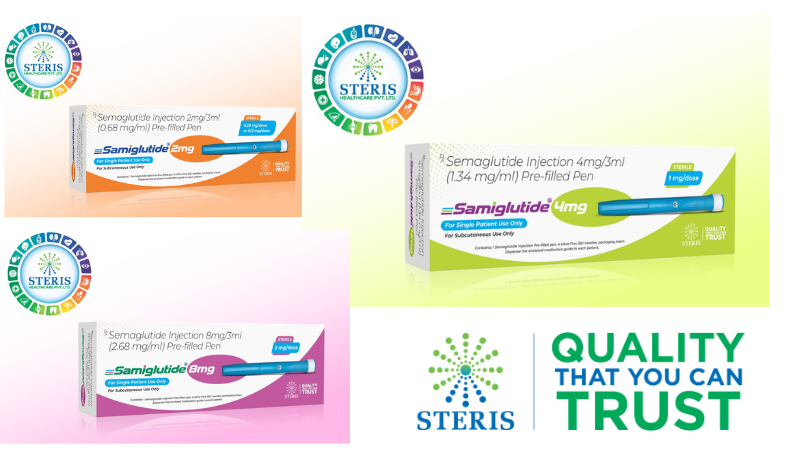
Semaglutide Injection 2mg/3ml (SAMIGLUTIDE) – Uses, Benefits, Dosage & Side Effects

L-Glutathione, Vitamin C & Alpha Lipoic Acid Tablets: Uses, Benefits & Side Effects