


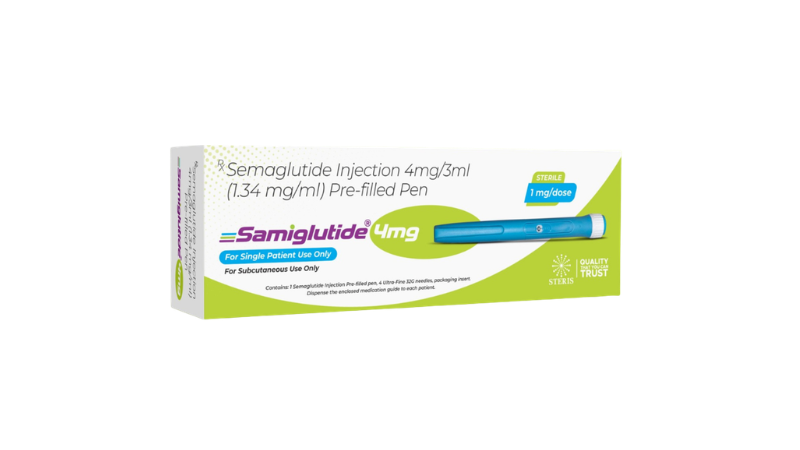



How Semaglutide Injection 4 mg Helps Control Blood Sugar
Sep 14, 2026
SAMIGLUTIDE 4 MG, manufactured by Steris Healthcare, is a semaglutide injection 4 mg/3 ml (1.34 mg/ml) pre-filled pen belonging to the GLP-1 receptor agonist class of medicines. It is prescribed for the management of type 2 diabetes mellitus to help improve blood sugar control, and in certain cases, as part of a broader weight-management plan under close medical supervision, alongside diet and physical activity. You're likely trying to understand how this once-weekly injectable medicine fits into diabetes or weight management. In simple terms, semaglutide mimics a natural hormone in the body called GLP-1 (glucagon-like peptide-1), which helps regulate blood sugar, slows digestion, and promotes a feeling of fullness after eating — effects that support both improved glucose control and, for appropriate patients, meaningful weight reduction over time.The pre-filled pen delivers semaglutide at a concentration of 1.34 mg/ml, allowing for precise, doctor-directed dosing that can be adjusted gradually as treatment progresses.
Why It's Important
Type 2 diabetes is a progressive condition that, when poorly controlled, can lead to serious long-term complications including nerve damage, kidney disease, vision loss, and a significantly elevated risk of heart attack and stroke. Traditional oral medicines don't work well for every patient, and many people with type 2 diabetes eventually need additional therapies to keep their blood sugar within a safe range.
This is where GLP-1 receptor agonists like semaglutide have become an important addition to diabetes care. Unlike some older diabetes medicines, semaglutide doesn't just lower blood sugar — it does so while also supporting weight loss in many patients, which is particularly meaningful since excess body weight is closely linked to insulin resistance and worsening blood sugar control. Additionally, several GLP-1 receptor agonists, including semaglutide, have demonstrated cardiovascular benefits in patients with type 2 diabetes who are at high cardiovascular risk, making this class of medicine relevant not just for blood sugar numbers, but for broader long-term health outcomes.
Understanding why semaglutide injection 4 mg dosing matters is also important: this pen strength is specifically designed to support the later, higher-dose stages of a gradual dose-escalation plan, which is a standard and important part of how semaglutide therapy is managed to balance effectiveness with tolerability.
Key Benefits
What Are the Benefits of SAMIGLUTIDE 4 MG?
- Improved blood sugar control: Semaglutide helps lower blood glucose levels by stimulating insulin release in a glucose-dependent manner and reducing the release of glucagon, a hormone that raises blood sugar.
- Supports meaningful weight management: By slowing stomach emptying and increasing feelings of fullness, semaglutide can help reduce overall food intake, supporting weight loss as part of a comprehensive lifestyle plan.
- Once-weekly dosing convenience: Unlike many diabetes medicines that require daily dosing, semaglutide injections are administered just once a week, simplifying long-term treatment adherence.
- Cardiovascular benefit in appropriate patients: For people with type 2 diabetes and established cardiovascular disease or high cardiovascular risk, semaglutide has been associated with a reduced risk of major cardiovascular events in clinical studies.
- Gradual, individualized dose titration: The pre-filled pen system allows doctors to start patients at a low dose and gradually increase it, helping the body adjust and minimizing gastrointestinal side effects.
- Complements other diabetes therapies: Semaglutide can often be used alongside other oral diabetes medicines or, in some cases, insulin, as part of an individualized treatment plan.
Side Effects
As with any prescription medicine, semaglutide injection can cause side effects. The most commonly reported effects, particularly during the initial weeks or when the dose is increased, include:
- Nausea
- Vomiting
- Diarrhea or constipation
- Stomach pain or bloating
- Decreased appetite
- Headache
- Fatigue
- Mild injection-site reactions (redness, itching, or swelling at the injection site)
These gastrointestinal effects are the most frequently reported and often improve over time as the body adjusts, particularly when the dose is increased gradually as directed by your doctor.
Available Substitute
Depending on your doctor's clinical assessment, alternative options in this therapeutic category may include:
- Semaglutide at lower pen strengths (for patients earlier in the dose-titration process)
- Other GLP-1 receptor agonists (such as liraglutide or dulaglutide)
- Oral semaglutide tablets, where available and appropriate
- Other classes of injectable or oral diabetes medicines, depending on individual treatment goals
Dosage Guidelines
Semaglutide dosing follows a gradual, doctor-supervised titration schedule designed to minimize gastrointestinal side effects while building up to an effective maintenance dose. General principles include:
- Individualized titration: Treatment typically begins at a low starting dose, which is gradually increased over several weeks according to a schedule set by your doctor. The 4 mg/3 ml (1.34 mg/ml) pen is generally used at a later stage of this titration process to deliver higher maintenance doses.
- Once-weekly administration: This medicine is injected under the skin (subcutaneously) once a week, on the same day each week, at a time that's convenient for you, with or without food.
- Injection technique: Your doctor or a trained healthcare provider will show you exactly how to use the pre-filled pen, including proper injection sites (typically the abdomen, thigh, or upper arm) and site rotation to reduce the risk of injection-site reactions.
- Missed dose: If a dose is missed, general guidance is to administer it as soon as possible within a few days of the missed dose, but always follow the specific instructions provided by your doctor or the product's official prescribing information for your exact situation.
- Duration: Semaglutide is typically used as a long-term therapy for type 2 diabetes management or weight management, and is not intended for short-term or occasional use.
This is general educational guidance and does not replace an individualized prescription or the specific instructions provided by your doctor and pharmacist. Never self-adjust your dose or injection schedule.
Precautions & Warnings
Before starting SAMIGLUTIDE 4 MG, inform your doctor if you have or have had:
- A personal or family history of medullary thyroid carcinoma or Multiple Endocrine Neoplasia syndrome type 2
- A history of pancreatitis
- Gallbladder disease
- Kidney disease, particularly if you have experienced significant vomiting or diarrhea
- Diabetic retinopathy (diabetes-related eye disease)
- Pregnancy or plans to become pregnant — semaglutide is generally not recommended during pregnancy, and treatment is usually stopped well in advance of planned pregnancy
- Breastfeeding
- A known allergy to semaglutide or any other ingredient in the pen
Mechanism of Action: How Semaglutide Injection 4 mg Works
Understanding the mechanism of action helps explain why semaglutide 4 mg injection uses extend beyond simple blood sugar lowering to include weight management benefits as well.
Semaglutide is a GLP-1 receptor agonist, meaning it mimics the action of glucagon-like peptide-1 (GLP-1), a naturally occurring hormone released by the gut in response to eating. Semaglutide binds to and activates GLP-1 receptors throughout the body, producing several coordinated effects:
- Glucose-dependent insulin release: Semaglutide stimulates the pancreas to release insulin specifically when blood sugar levels are elevated, which helps lower blood glucose while reducing the risk of dangerously low blood sugar compared to some other diabetes medicines.
- Reduced glucagon secretion: It suppresses the release of glucagon, a hormone that normally raises blood sugar by prompting the liver to release stored glucose, further supporting balanced blood sugar levels.
- Slowed gastric emptying: Semaglutide slows the rate at which food leaves the stomach, which contributes to a more gradual rise in blood sugar after meals and promotes a longer-lasting feeling of fullness.
- Appetite regulation via the brain: Semaglutide acts on GLP-1 receptors in areas of the brain involved in appetite and satiety, helping reduce overall calorie intake, which is a key driver of the weight-related benefits observed with this medicine.
Together, these combined actions on the pancreas, liver, stomach, and brain are what allow semaglutide injection 4 mg, when titrated appropriately under medical supervision, to support both improved blood sugar control and meaningful weight management in appropriate patients.
Frequently Asked Questions
1. What is semaglutide injection 4 mg used for?
It is used to manage type 2 diabetes by improving blood sugar control, and in appropriate cases, to support weight management as part of a broader treatment plan.
2. What are the semaglutide 4 mg injection uses beyond diabetes?
Beyond blood sugar control, semaglutide is also used to support weight management in appropriate patients by reducing appetite and promoting a feeling of fullness.
3. What is the semaglutide 4 mg dosage schedule?
Dosage follows a gradual, doctor-supervised titration schedule, typically starting at a lower dose and increasing over several weeks; the 4 mg pen strength is generally used for higher maintenance doses later in this process.
4. What are the semaglutide 4 mg side effects?
The most common side effects are gastrointestinal, including nausea, vomiting, diarrhea, and stomach discomfort, especially during dose increases. Serious but less common effects include pancreatitis and gallbladder problems.
5. What are the key semaglutide 4 mg benefits?
Key benefits include improved blood sugar control, support for weight management, convenient once-weekly dosing, and potential cardiovascular benefit in patients with type 2 diabetes and high cardiovascular risk.
6. How is the semaglutide 4 mg injection dosage administered?
It is injected under the skin (subcutaneously) once a week, typically in the abdomen, thigh, or upper arm, using the pre-filled pen as demonstrated by your healthcare provider.
7. What is the semaglutide 4 mg injection price?
Pricing varies by brand, region, and pharmacy. Check with your local pharmacy or Steris Healthcare's official retailer for current pricing information.
8. How long does it take for semaglutide to start working?
Blood sugar improvements can often be seen within the first few weeks, while noticeable weight-related changes typically develop gradually over several months of consistent use.
9. Can semaglutide be taken during pregnancy?
No, semaglutide is generally not recommended during pregnancy. If you are pregnant, planning to become pregnant, or breastfeeding, discuss this with your doctor, as treatment is usually stopped well in advance.
10. What happens if I miss a weekly dose?
General guidance allows administering a missed dose within a few days, but you should follow your doctor's or the product's specific instructions for your exact situation.
11. Can semaglutide cause low blood sugar (hypoglycemia)?
On its own, semaglutide has a relatively low risk of causing hypoglycemia, but the risk increases when it's combined with other diabetes medicines like insulin or sulfonylureas.
12. Is semaglutide injection safe for long-term use?
Yes, when prescribed and monitored by a doctor with regular follow-up and appropriate dose titration, semaglutide is generally considered suitable for long-term diabetes and weight management.
13. Who should not use semaglutide injection?
People with a personal or family history of certain thyroid cancers, Multiple Endocrine Neoplasia syndrome type 2, known allergy to semaglutide, or a history of pancreatitis should discuss these risks carefully with their doctor before starting.
14. Does semaglutide interact with other diabetes medicines?
Yes, when combined with insulin or sulfonylureas, the risk of low blood sugar increases, so your doctor may need to adjust those medicine doses.
15. Can semaglutide injection be stopped suddenly?
Any decision to stop semaglutide should be made in consultation with your doctor, as this affects both blood sugar control and any weight-management progress you may have made.
16. Are there substitutes for SAMIGLUTIDE 4 MG?
Yes, alternatives include semaglutide at lower pen strengths, other GLP-1 receptor agonists like liraglutide or dulaglutide, or oral semaglutide tablets, depending on your doctor's recommendation.
17. What should I do if I notice a lump in my neck while on semaglutide?
Contact your doctor promptly. While rare, any new neck lump, persistent hoarseness, or difficulty swallowing should be evaluated by a healthcare professional without delay.
Conclusion
SAMIGLUTIDE 4 MG, delivering semaglutide injection 4 mg through a convenient pre-filled pen, offers a well-studied, once-weekly treatment option from Steris Healthcare for adults managing type 2 diabetes, and in appropriate cases, weight management alongside lifestyle changes. By mimicking the body's natural GLP-1 hormone, semaglutide supports blood sugar control, appetite regulation, and — for many patients — cardiovascular benefit, making it a significant addition to modern diabetes and metabolic care.
That said, semaglutide is a potent, long-term therapy that requires careful, individualized dosing and ongoing medical supervision. It should only be started, titrated, or stopped under the guidance of a qualified physician who can assess your full medical history, monitor for side effects, and adjust your treatment plan as needed. If you've been prescribed SAMIGLUTIDE 4 MG, use it exactly as directed, attend your follow-up appointments, and report any concerning symptoms — particularly severe abdominal pain, neck swelling, or vision changes — to your doctor without delay.
For Further Information:
Mail Us: contact@sterispharma.com or info@sterispharma.com
Call Now: +91 8824175417, +91 9982524671
Recent Post
What Is Telmisartan and Metoprolol Succinate Combination Used For?
TELMISTRUM TRIO 6.25: Telmisartan, Cilnidipine & Chlorthalidone Uses & Side Effects
TELMISTRUM AZ 16: Telmisartan 40mg & Azelnidipine 16mg Uses, Dosage & Side Effects
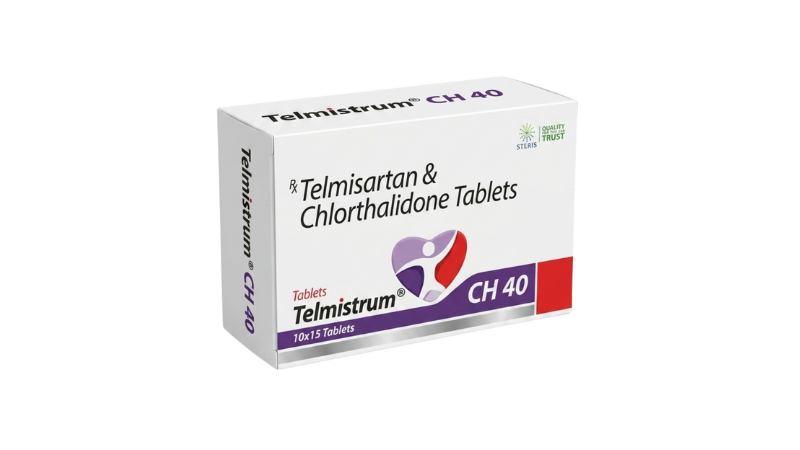
What Is Telmisartan and Chlorthalidone Combination Used For?
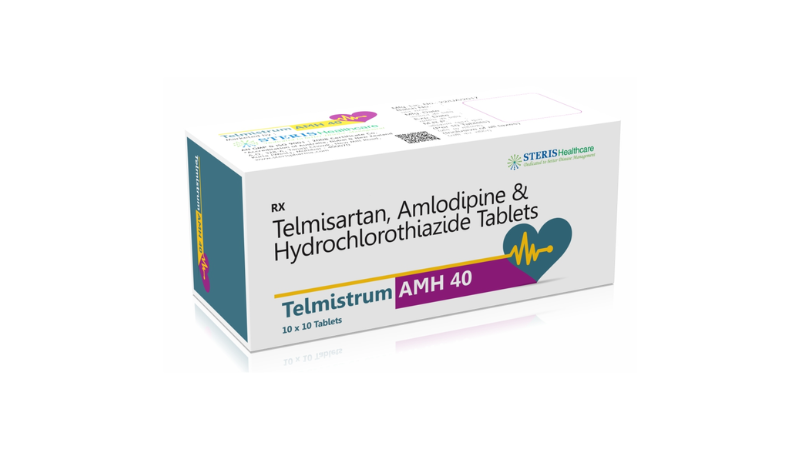
Telmisartan 40mg + Amlodipine 5mg Tablets: Uses, Dosage & Side Effects
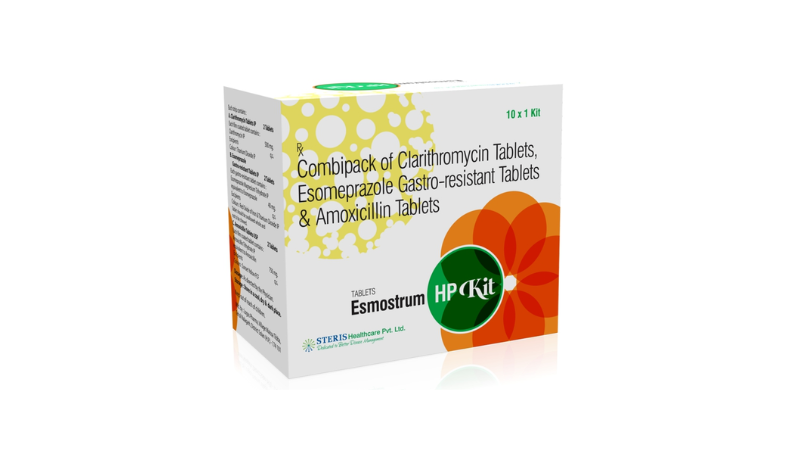
Clarithromycin, Esomeprazole & Amoxicillin Combo Kit: View Uses, Side Effects and Medicines
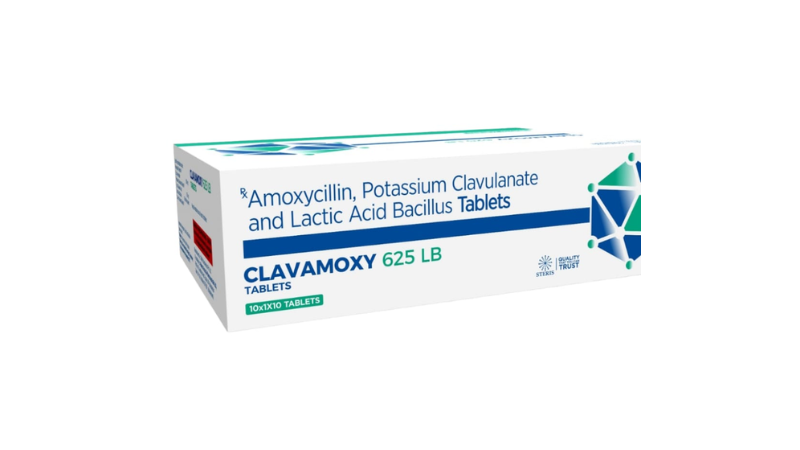
What Is Amoxicillin Clavulanate with Lactic Acid Bacillus Used For?

Semaglutide Injection 2mg/3ml (SAMIGLUTIDE) – Uses, Benefits, Dosage & Side Effects

L-Glutathione, Vitamin C & Alpha Lipoic Acid Tablets: Uses, Benefits & Side Effects

Vitamin A, D & Calcium Chloride: Uses, Benefits & Safety Information

