


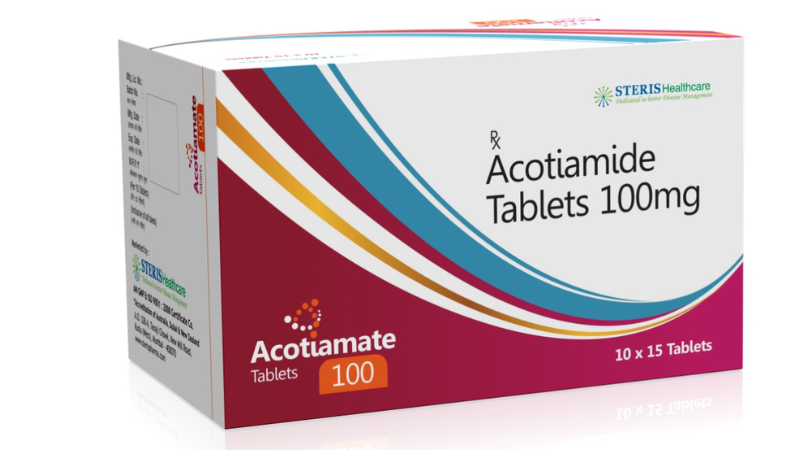



ACOTIAMATE 100 & Acotiamide (100mg ER): Uses, Dosage, Side Effects, Price, Composition and more.........
Jul 22, 2024
What Is Acotiamide 100 mg?
Acotiamide 100 mg is a gastrointestinal medicine containing 100 mg of acotiamide as its active ingredient.
It is primarily used to manage symptoms of functional dyspepsia (FD). Functional dyspepsia is a disorder characterized by persistent or recurrent upper-digestive symptoms such as uncomfortable fullness after eating, early satiety, upper-abdominal discomfort and bloating.
Indian product listings describe Acotiamide 100 mg as being used for indigestion and associated symptoms including bloating after meals, upper-abdominal pain and early satiety.
Acotiamide is not simply another antacid. Its principal action involves the motility and accommodation of the upper gastrointestinal tract, which makes it particularly relevant when symptoms are related to eating and impaired gastric function.
Acotiamide Tablets 100mg How to Use
The primary Acotiamide 100 mg use is the management of symptoms associated with functional dyspepsia.
1. Functional Dyspepsia
Acotiamide is particularly associated with functional dyspepsia in patients who have troublesome upper-digestive symptoms without an adequate structural explanation for those symptoms.
The 2026 Second Asian Consensus Report on Functional Dyspepsia states that fundic-relaxant medicines such as acotiamide may be effective in improving functional dyspepsia, particularly postprandial distress syndrome (PDS).
2. Indigestion
Acotiamide 100 mg may be prescribed for persistent indigestion when the symptoms fit functional dyspepsia.
3. Post-Meal Bloating
If bloating becomes particularly uncomfortable after meals, acotiamide may be considered as part of a treatment plan.
4. Early Satiety
Early satiety means feeling full after eating a relatively small amount of food. This is a characteristic symptom of the PDS subtype of functional dyspepsia.
5. Postprandial Fullness
Postprandial fullness refers to an uncomfortable feeling of prolonged fullness after eating.
This is one of the symptoms for which acotiamide has been clinically studied.
6. Upper-Abdominal Discomfort
Acotiamide may also be prescribed when functional dyspepsia causes discomfort or pain in the upper abdomen.
How Does Acotiamide 100 mg Work?
Acotiamide works differently from medicines that directly reduce stomach acid.
It influences gastrointestinal nerve signaling, including acetylcholine-related pathways, and can improve aspects of gastric motor function and gastric accommodation.
In simple terms:
Acotiamide → influences gastrointestinal signaling → supports stomach motility/accommodation → may reduce meal-related fullness, bloating and dyspeptic symptoms.
Acotiamide is categorized in recent Asian consensus recommendations as a fundic relaxant. These medicines are intended to improve relaxation of the upper stomach, particularly in people experiencing postprandial fullness.
This mechanism helps explain why acotiamide may be more relevant for meal-related functional-dyspepsia symptoms than for ordinary acid-related heartburn.
Key Benefits of Acotiamide 100 mg
1. Helps Manage Functional Dyspepsia
The most important potential benefit of Acotiamide 100 mg is improvement in symptoms associated with functional dyspepsia.
A systematic review summarized in the 2026 Asian Consensus Report found acotiamide to be more effective than placebo for overall functional-dyspepsia symptom improvement across the included randomized trials.
2. May Reduce Postprandial Fullness
Acotiamide has been specifically investigated for meal-related symptoms.
In a phase III placebo-controlled trial, 100 mg acotiamide was administered three times daily for four weeks and produced better overall treatment response than placebo.
3. May Help With Early Satiety
For patients who feel unusually full after eating only a small amount, acotiamide may help when the underlying symptoms are consistent with functional dyspepsia.
4. May Improve Upper-Abdominal Bloating
Upper-abdominal bloating is another meal-related symptom for which acotiamide has been studied.
5. May Improve Overall Digestive Comfort
Clinical research has reported improvement in multiple functional-dyspepsia symptoms and quality-of-life measures in appropriately selected patients.
What the evidence says
A phase III randomized trial involving 100 mg acotiamide found that 52.2% of patients receiving acotiamide versus 34.8% receiving placebo were classified as responders according to the study's overall treatment-efficacy assessment after four weeks. The study also found greater elimination of the three key meal-related symptoms—postprandial fullness, upper-abdominal bloating and early satiety—with acotiamide than placebo.
That does not mean every patient will experience the same response, but it provides clinically relevant evidence for its use in functional dyspepsia.
Acotiamide 100 mg Dosage: How Is It Taken?
The correct Acotiamide 100 mg dosage should be determined by the prescribing physician.
Clinical studies of the 100 mg immediate-release formulation commonly evaluated 100 mg three times daily, generally before meals. A dose-ranging study identified 100 mg three times daily as an effective studied regimen for functional dyspepsia.
However, do not automatically follow a clinical-trial dose as your personal prescription.
Your dosage can depend on:
- Your diagnosis
- Severity of symptoms
- Product formulation
- Other medicines you take
- Medical history
- Doctor's treatment plan
Current Indian product listings commonly instruct patients to take Acotiamide 100 mg before meals, for the duration advised by the doctor.
Important dosage precautions
- Take the medicine exactly as prescribed.
- Do not take more tablets to obtain faster relief.
- Do not change from 100 mg to 300 mg on your own.
- Do not substitute immediate-release and extended-release formulations without professional advice.
- If you miss a dose, follow the instructions provided by your doctor or pharmacist rather than doubling the next dose.
Acotiamide 100 mg Side Effects
Like any prescription medicine, Acotiamide 100 mg may cause side effects.
Reported or recognized adverse effects include:
- Headache
- Diarrhea
- Constipation
- Nausea
- Abdominal discomfort
- Dizziness
- Skin rash or itching
The 2026 Asian Consensus Report specifically lists headache and diarrhea among adverse effects associated with acotiamide.
In clinical studies, overall adverse-event rates have generally been comparable with placebo, although individual patients can experience unwanted effects. A phase III trial reported no significant cardiovascular effects attributable to acotiamide treatment.
When should you contact a doctor?
Contact a healthcare professional if side effects are severe, persistent or getting worse.
Seek prompt medical evaluation if indigestion is accompanied by:
- Black or bloody stools
- Repeated vomiting
- Severe or persistent abdominal pain
- Difficulty swallowing
- Unexplained weight loss
- Persistent fever
- Severe weakness or dehydration
These symptoms may indicate an underlying condition that requires investigation rather than treatment as uncomplicated functional dyspepsia.
Who Should Take Acotiamide 100 mg With Caution?
Tell your doctor if you have:
- Liver disease
- Kidney disease
- A history of significant gastrointestinal illness
- Drug allergies
- Pregnancy or plans to become pregnant
- Breastfeeding
- Other prescription or non-prescription medicines
Do not self-medicate simply because your symptoms resemble indigestion.
The correct diagnosis matters because upper-abdominal symptoms can occur with several conditions, including gastroesophageal reflux disease, peptic ulcer disease, gallbladder disease, H. pylori infection and other gastrointestinal disorders.
Acotiamide 100 mg Drug Interactions
Before starting treatment, tell your doctor or pharmacist about all medicines, supplements and herbal products you use.
Acotiamide affects cholinergic pathways in the gastrointestinal tract, so medicines that influence anticholinergic activity may be clinically relevant.
Do not assume that an over-the-counter digestive medicine is automatically safe to combine with Acotiamide 100 mg.
If you are taking several medicines, ask a pharmacist to check the complete combination.
Acotiamide 100 mg vs Antacid
Acotiamide 100 mg is not an antacid.
The difference is important:
| Acotiamide 100 mg | Antacid |
|---|---|
| Primarily affects gastrointestinal motility/function | Neutralizes stomach acid |
| Used mainly for functional dyspepsia | Commonly used for acid-related symptoms |
| Particularly relevant to post-meal fullness and early satiety | Commonly used for occasional heartburn |
| Prescription medicine | Some products are available without prescription |
If your main complaint is heartburn, acid regurgitation or burning behind the breastbone, you may need a different evaluation and treatment approach.
Acotiamide 100 mg Clinical Evidence
Acotiamide 100 mg has been evaluated in multiple clinical trials involving functional dyspepsia.
A placebo-controlled phase III study evaluated 100 mg three times daily for four weeks. Acotiamide produced a significantly higher overall treatment response than placebo and improved the combined meal-related symptoms of postprandial fullness, upper-abdominal bloating and early satiety.
Another phase III study compared acotiamide 100 mg three times daily with mosapride in patients with meal-related postprandial distress syndrome. The trial found high response rates in both groups and evaluated symptom relief, quality of life and safety.
More recent evidence remains supportive. The Second Asian Consensus Report on Functional Dyspepsia, published in 2026, concludes that fundic relaxants such as acotiamide may be effective, especially for PDS, with moderate-quality evidence.
At the same time, international guidelines emphasize that the strength of evidence varies between prokinetic medicines and that treatment should be individualized.
Before buying Acotiamide 100 mg online
Check:
- Active ingredient — acotiamide 100 mg
- Release formulation
- Manufacturer
- Pack size
- MRP
- Current selling price
- Expiry date
- Prescription requirement
- Seller/pharmacy authenticity
- Return and delivery terms
The cheapest listing is not necessarily the most appropriate product. Confirm the same active ingredient, strength and formulation before considering a substitute.
Acotiamide 100 mg Substitutes and Brand Selection
Several brands in India contain acotiamide 100 mg, including products marketed by different pharmaceutical companies.
Examples appearing in current listings include AcotibIEN, Tocamide, Opiamide, Dycotiam and Acotag.
However, brand substitution should be handled carefully.
A pharmacist or doctor should confirm:
- Same active ingredient
- Same strength
- Same release type
- Appropriate manufacturer
- Suitable prescription
Do not assume that two products are interchangeable merely because both boxes say “Acotiamide 100 mg.”
Conclusion: Is Acotiamide 100 mg Right for You?
Acotiamide 100 mg is a prescription medicine primarily used for functional dyspepsia, especially when symptoms include post-meal fullness, early satiety, upper-abdominal bloating and indigestion.
Its mechanism differs from that of antacids and acid-suppressing medicines because acotiamide works primarily through gastrointestinal neurotransmission and stomach motor function. Clinical evidence supports its use for meal-related functional-dyspepsia symptoms, and the latest Asian consensus recommendations continue to recognize acotiamide as a potentially effective option, particularly for postprandial distress syndrome.
The 100 mg formulation has been extensively studied at 100 mg three times daily, usually administered before meals in clinical trials. However, your personal dose should always come from your doctor because the correct regimen depends on your specific product and clinical circumstances.
Possible Acotiamide 100 mg side effects include headache and diarrhea, with other digestive or skin-related reactions possible. Persistent, severe or unusual symptoms should be evaluated by a healthcare professional.
Most importantly, Acotiamide 100 mg is not a universal treatment for every type of indigestion. If symptoms persist or occur alongside warning signs such as unexplained weight loss, gastrointestinal bleeding, difficulty swallowing or repeated vomiting, medical evaluation is important.
Frequently Asked Questions About Acotiamide 100 mg
1. What is Acotiamide 100 mg used for?
Acotiamide 100 mg is mainly used for functional dyspepsia, particularly symptoms such as post-meal fullness, upper-abdominal bloating, early satiety and indigestion.
2. What are the main benefits of Acotiamide 100 mg?
The main potential benefits are improvement of postprandial fullness, upper-abdominal bloating, early satiety and overall functional-dyspepsia symptoms in appropriately diagnosed patients.
3. What are the side effects of Acotiamide 100 mg?
The most recognized side effects include headache and diarrhea. Other digestive or skin-related reactions may also occur.
4. How should I take Acotiamide 100 mg?
The dosage should be prescribed by your doctor. Clinical studies of the immediate-release 100 mg formulation commonly used it three times daily before meals, but you should follow the directions for your specific prescription and product.
5. Is Acotiamide 100 mg taken before or after food?
Acotiamide 100 mg is commonly directed to be taken before meals. Follow your doctor's instructions and the product label rather than changing the timing yourself.
6. Is Acotiamide 100 mg an antacid?
No. Acotiamide is primarily a gastrointestinal motility/fundic-function medicine. It does not work by directly neutralizing stomach acid.
7. Can I buy Acotiamide 100 mg online?
Yes. Multiple Indian online pharmacies currently list Acotiamide 100 mg products. Current listings identify the medicine as prescription-only, so follow the applicable prescription requirements.
8. Can Acotiamide 100 mg permanently cure indigestion?
Not necessarily. It is intended to manage symptoms associated with functional dyspepsia, rather than guarantee a permanent cure. Treatment may also involve dietary, lifestyle and other medical measures.
9. Can Acotiamide 100 mg be taken with other medicines?
Potential interactions are possible. Tell your doctor or pharmacist about every medicine, supplement and herbal product you use before starting Acotiamide.
10. Is Acotiamide 100 mg safe during pregnancy?
Do not take it during pregnancy unless specifically recommended by your doctor. Pregnancy-related medicine decisions should be individualized based on the potential benefits and risks.
11. What should I do if Acotiamide 100 mg does not relieve my indigestion?
Do not increase the dose yourself. Speak with your doctor because persistent indigestion may require evaluation for other causes, such as H. pylori, reflux disease, ulcer disease or another gastrointestinal condition.
Recent Post
Buy Multivitamin + L-Carnitine + Taurine Protein Powder | Sterimmune
Semaglutide Injection Pen 8 mg: Step-by-Step Dosage & Precautions
BEST semaglutide injection price in india
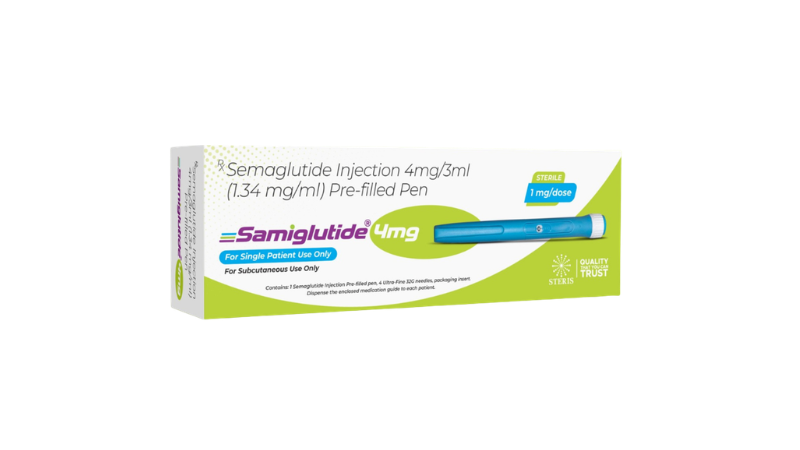
How Semaglutide Injection 4 mg Helps Control Blood Sugar
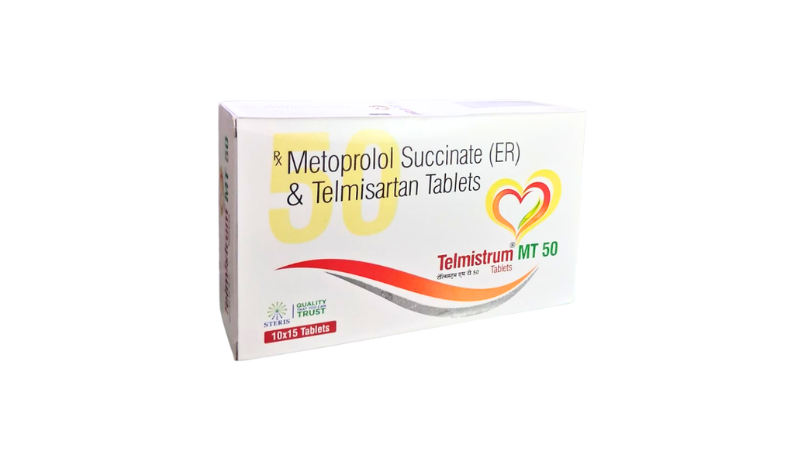
What Is Telmisartan and Metoprolol Succinate Combination Used For?
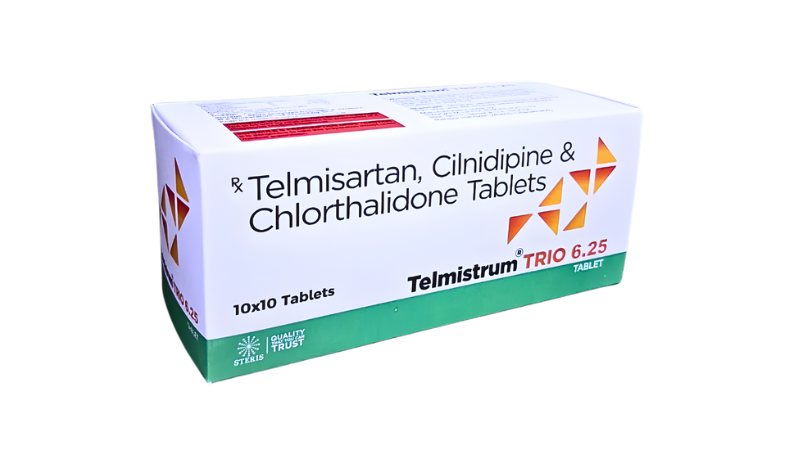
TELMISTRUM TRIO 6.25: Telmisartan, Cilnidipine & Chlorthalidone Uses & Side Effects
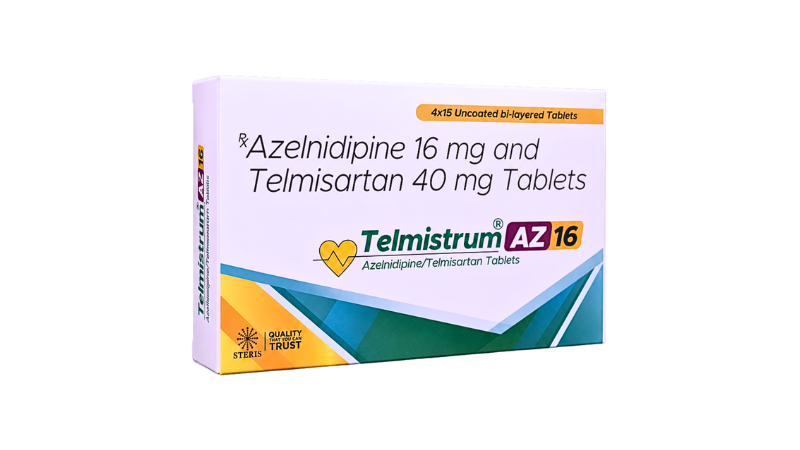
TELMISTRUM AZ 16: Telmisartan 40mg & Azelnidipine 16mg Uses, Dosage & Side Effects
What Is Telmisartan and Chlorthalidone Combination Used For?
Telmisartan 40mg + Amlodipine 5mg Tablets: Uses, Dosage & Side Effects
Clarithromycin, Esomeprazole & Amoxicillin Combo Kit: View Uses, Side Effects and Medicines

