





Why Choose Vitamin C Chewable Tablets 500 mg for Daily Health?
Apr 10, 2026
In today’s fast-paced world, maintaining optimal health requires proactive management of our nutrition and lifestyle. Stress, pollution, irregular eating habits, and sedentary routines can deplete the body’s essential nutrient reserves. Among these critical nutrients, Vitamin C stands out as a cornerstone of immune function, tissue repair, and overall vitality. While fruits and vegetables are excellent natural sources, modern dietary patterns often fall short of providing adequate daily intake. This gap has led to a surge in demand for high-quality supplementation.
Enter FRUITCEE, a trusted name in nutritional wellness, offering a convenient and effective solution for daily maintenance: Vitamin C Chewable Tablets 500 mg. Designed to bridge the nutritional divide, this formulation provides a substantial dosage of ascorbic acid in a palatable format that encourages consistent adherence. But beyond simple convenience, there is profound physiological reasoning behind choosing a 500mg chewable tablet over lower doses or traditional capsules.
This comprehensive guide explores the multifaceted role of this supplement. We will delve into the science of Vitamin C, examine the specific advantages of the chewable form, discuss its profound impact on skin health, and address safety protocols. By understanding the full spectrum of vitamin c chewable tablets 500 mg uses and benefits, you can make an informed decision about integrating this tool into your daily health regimen. Whether you are seeking to boost immunity, enhance skin radiance, or simply fill dietary gaps, understanding the mechanics of this therapy is the first step toward better wellness.
Understanding Vitamin C: The Essential Nutrient
Vitamin C, chemically known as L-ascorbic acid, is a water-soluble vitamin that plays a vital role in many bodily functions. Unlike some animals, humans cannot synthesize Vitamin C internally; we must obtain it through diet or supplementation. Because it is water-soluble, the body does not store excess amounts effectively, meaning daily replenishment is necessary to maintain saturation levels.
The biochemical importance of Vitamin C cannot be overstated. It acts as a cofactor for enzymes involved in collagen synthesis, neurotransmitter production, and carnitine formation. Furthermore, it serves as a potent antioxidant, protecting cells from damage caused by free radicals—unstable molecules generated by metabolism, environmental toxins, and UV radiation. When cellular oxidation occurs, it contributes to aging, inflammation, and chronic disease development. Therefore, maintaining sufficient levels of this vitamin is crucial for long-term health preservation.
The choice of vitamin c chewable tablets 500 mg specifically targets adults who require more than the baseline Recommended Dietary Allowance (RDA) due to lifestyle factors. For instance, smokers, individuals under high physical stress, or those recovering from illness often have higher turnover rates of Vitamin C. A 500mg strength tablet offers a therapeutic level that supports these increased demands without reaching toxic thresholds typically associated with mega-dosing (above 2000mg).
Why Chewable Formulation Matters
One might ask why choose a chewable tablet over a standard capsule. The chewable format, offered prominently by brands like FRUITCEE, addresses compliance and bioavailability. Swallowing large pills can be difficult for children, the elderly, or anyone with dysphagia. Chewable tablets dissolve partially in the mouth, allowing for initial breakdown before swallowing, which may aid in absorption. Additionally, flavored formulations improve palatability, making daily adherence easier for families. This ease of consumption ensures that patients do not skip doses due to inconvenience, thereby maximizing the vitamin c chewable tablets 500 mg benefits for the user.
Comprehensive Benefits of Vitamin C Supplementation
When integrating supplements into a routine, understanding the tangible outcomes is key. The vitamin c chewable tablets 500 mg benefits extend far beyond preventing scurvy, a condition rarely seen in developed nations. Modern research highlights several systemic advantages associated with regular, adequate intake.
Immune System Support
The most widely recognized benefit is immune modulation. Vitamin C accumulates in various immune cells, enhancing their ability to combat infections. It stimulates the production of white blood cells (lymphocytes and phagocytes) and protects them from oxidative damage. While it does not necessarily prevent colds in the general population, studies suggest it can reduce the duration and severity of symptoms when taken regularly. For busy professionals and parents looking to minimize sick days, consistent supplementation acts as a defensive shield.
Antioxidant Protection
Oxidative stress is a primary driver of chronic conditions including heart disease and cancer. Vitamin C neutralizes free radicals in the aqueous compartments of cells. By donating electrons, it stabilizes reactive oxygen species, preventing them from stealing electrons from healthy DNA and proteins. This protective mechanism supports cardiovascular health and reduces systemic inflammation.
Enhanced Iron Absorption
Iron is essential for oxygen transport in the blood, but non-heme iron (found in plant foods) is poorly absorbed by the human gut. Vitamin C converts iron into a form that is more easily absorbed by the intestines. For vegetarians, vegans, or individuals with mild anemia, taking a supplement like FRUITCEE alongside meals rich in plant-based iron can significantly improve iron status, combating fatigue and weakness.
Wound Healing and Tissue Repair
Collagen is the structural protein that holds the body together. Without adequate Vitamin C, collagen synthesis halts, leading to poor wound healing and fragile connective tissues. Patients recovering from surgery, burns, or injuries are often prescribed Vitamin C to accelerate the recovery timeline. The 500mg dosage ensures the metabolic pathways required for fibroblast proliferation have sufficient substrates to operate efficiently.
Spotlight on Dermatology: Skin Health Applications
One of the most popular reasons consumers turn to antioxidants is for aesthetic improvements. The vitamin c chewable tablets 500 mg benefits for skin are extensive, targeting both the structure and appearance of the dermis.
Collagen Production and Anti-Aging
As we age, collagen degradation accelerates, leading to wrinkles, sagging, and thinning skin. Topical creams can help, but internal nutrition provides the building blocks needed for synthesis. By supporting pro-collagen and collagen formation, oral Vitamin C helps maintain skin elasticity. Users often report firmer, plumper skin after months of consistent use of vitamin c chewable tablets 500 mg. This internal approach complements topical skincare routines for holistic rejuvenation.
Pigmentation and Brightening
Hyperpigmentation and dark spots occur when melanin production becomes uneven due to sun exposure or inflammation. Vitamin C interferes with the enzyme tyrosinase, which is responsible for melanin synthesis. Regular intake can help fade existing dark spots and prevent new ones from forming, resulting in a more even skin tone. This makes vitamin c chewable tablets 500 mg uses for skin particularly relevant for those dealing with melasma or post-inflammatory hyperpigmentation.
Photoprotection
While Vitamin C is not a sunscreen, it enhances the efficacy of photoprotective measures. UV radiation generates free radicals that damage skin cells. Vitamin C scavenges these radicals, reducing the inflammatory response known as erythema (redness). Combined with sunblock, oral supplementation provides a dual layer of defense against environmental aging.
Hydration and Barrier Function
A compromised skin barrier leads to dryness and sensitivity. Vitamin C aids in the lipid matrix that seals moisture into the skin. Improved barrier function means less transepidermal water loss, keeping the complexion hydrated and resilient against harsh weather conditions or irritants. This is why vitamin c chewable tablets 500 mg uses for skin extends to treating dry, dull complexions often exacerbated by indoor heating or air conditioning.
Practical Application: Dosage and Administration
Knowing what to take is only half the battle; knowing how to take it is equally important for safety and efficacy. Proper administration maximizes the vitamin c chewable tablets 500 mg how to use guidelines set forth by nutritionists.
Recommended Dosage
For most adults, one tablet daily is sufficient to maintain saturation levels. This equates to 500mg of Ascorbic Acid, which falls well within the safe upper limit of 2000mg per day. However, dosing should always be individualized based on diet, activity level, and health status. Athletes or smokers may require higher intakes under medical supervision. Always follow the specific instructions provided on the FRUITCEE packaging or by your physician.
Timing and Frequency
Vitamin C is excreted quickly by the kidneys, so steady levels are maintained best by splitting doses throughout the day. However, for convenience, a single 500mg tablet once daily is often recommended. Taking it with a meal can reduce the risk of gastric irritation, which is common with acidic supplements. Some users prefer morning dosing to align with energy metabolism, while others take it in the evening. Consistency is the most critical factor regardless of the time chosen.
Method of Consumption
Since these are chewable tablets, they should be thoroughly chewed before swallowing to ensure proper dissolution. Chewing also initiates salivary enzymes that begin the digestive process. Do not crush the tablet unless directed, as the flavoring agents are designed for the mouthfeel. If the taste is too tart, drinking a glass of water immediately after consumption helps rinse the teeth and reduces enamel exposure to citric acid.
Missed Doses
If a dose is missed, take it as soon as you remember. However, if it is almost time for the next scheduled dose, skip the missed one. Do not double up to compensate. Doubling the dose increases the risk of gastrointestinal side effects without providing additional benefit, as the body eliminates excess water-soluble vitamins.
Safety Profile: Risks, Interactions, and Precautions
Despite being a natural nutrient, high-dose supplementation requires awareness of potential risks. Understanding the safety profile ensures that vitamin c chewable tablets 500 mg remains a beneficial addition rather than a source of complication.
Gastrointestinal Distress
The most common side effect of oral Vitamin C is gastrointestinal discomfort. Symptoms may include diarrhea, nausea, abdominal cramps, and heartburn. These effects are dose-dependent; generally appearing when intake exceeds 1000mg–2000mg daily. Staying within the 500mg range minimizes this risk, but sensitive individuals should monitor their tolerance.
Kidney Stone Formation
Vitamin C is metabolized into oxalate, which is excreted in the urine. In susceptible individuals, high urinary oxalate levels can combine with calcium to form kidney stones (calcium oxalate stones). Those with a history of nephrolithiasis should consult a urologist before initiating high-dose therapy. Adequate hydration is essential to mitigate this risk by diluting urinary concentration.
Laboratory Test Interference
High levels of Vitamin C can interfere with certain laboratory tests. Specifically, it may cause false-negative results in stool occult blood tests (used to screen for colon cancer) and alter readings in blood glucose monitoring devices (especially those using glucose oxidase methods). Always inform laboratory technicians about current supplement use to ensure accurate diagnostics.
Drug Interactions
While generally safe, Vitamin C can interact with medications. For example, it may increase the absorption of aluminum-containing antacids, potentially leading to toxicity. It can also affect the efficacy of chemotherapy drugs that rely on oxidative stress to kill cancer cells. Patients undergoing oncological treatment must seek oncologist approval before adding supplements like FRUITCEE to their regimen. Statin therapy interactions are also noted in some literature, requiring monitoring of cholesterol panels.
Special Populations
- Pregnancy and Lactation: Vitamin C is safe during pregnancy within recommended limits, but excessive doses should be avoided. Breastfeeding mothers should adhere to standard RDA levels plus the supplement to avoid overwhelming the infant’s immature kidneys.
- Hemochromatosis: Individuals with iron overload disorders should avoid Vitamin C supplements as it increases iron absorption, potentially exacerbating organ damage.
- G6PD Deficiency: People with this genetic enzyme deficiency may develop hemolytic anemia if exposed to high doses of Vitamin C. Medical consultation is mandatory.
Cost Analysis: Understanding Value and Pricing
When investing in health products, price is a significant consideration. Determining the vitamin c chewable tablets 500 mg price involves comparing brand value against generic alternatives. FRUITCEE positions itself as a premium nutritional option, prioritizing quality raw materials and rigorous manufacturing standards.
Factors Influencing Price
Several variables dictate the cost of Vitamin C supplements:
- Raw Material Quality: Pharmaceutical-grade ascorbic acid undergoes stricter purity testing than food-grade additives.
- Flavoring and Excipients: Chewable tablets require binders and natural flavors, which add to production costs compared to plain powders or coated pills.
- Manufacturing Standards: Facilities adhering to Good Manufacturing Practices (GMP) incur higher operational costs, reflected in the final retail price.
- Packaging: Child-proof blister packs and UV-resistant bottles protect potency but increase expense.
Value Proposition
While cheaper options exist online, the price difference often correlates with consistency and safety. A lower-priced tablet might contain inconsistent dosages or allergens. FRUITCEE guarantees the 500mg label claim per tablet, ensuring you receive the therapeutic dose advertised. When calculating cost-per-day, a slightly higher upfront investment often yields better adherence and reliability over the long term. Consumers should check local pharmacies, authorized distributors, or official online stores for competitive pricing and bulk discounts. Generally, a month’s supply of quality chewable Vitamin C remains an affordable component of a wellness budget compared to the potential costs of managing deficiency-related illnesses.
Why Choose FRUITCEE? Brand Differentiation
In a crowded market, distinguishing FRUITCEE from competitors relies on commitment to consumer trust. Our formulation strategy focuses on three pillars: Purity, Palatability, and Potency.
- Purity: We source ingredients from certified suppliers who verify heavy metal absence and microbial safety. This is crucial for long-term daily use.
- Palatability: Many supplements fail because they taste bitter or chalky. Our flavor profile is designed to be enjoyable, encouraging regular consumption across different age groups.
- Potency: Stability testing ensures that every tablet maintains 100% of its labeled Vitamin C content until the expiration date. Oxidation is a common issue with Vitamin C; our packaging technology prevents this degradation.
Choosing FRUITCEE means choosing peace of mind regarding quality assurance. We are dedicated to transparent labeling, providing customers with clear information about ingredients, allergens, and storage requirements.
Lifestyle Integration for Maximum Efficacy
Supplements work best when supported by a holistic lifestyle. Maximizing the effects of vitamin c chewable tablets 500 mg involves integrating them with other health-positive behaviors.
- Hydration: Since Vitamin C is water-soluble, drinking ample water helps flush out waste products and reduces kidney strain. Aim for at least 2 liters daily.
- Balanced Diet: Supplements should complement, not replace, whole foods. Continue consuming citrus fruits, bell peppers, and leafy greens.
- Sleep and Stress Management: Sleep deprivation increases oxidative stress. Combining adequate rest with Vitamin C creates a synergistic effect on immunity.
- Avoid Smoking: Cigarette smoke depletes Vitamin C rapidly. Smokers need higher intakes to counteract this effect, making supplementation even more critical.
Conclusion: Committing to Long-Term Vitality
Health is an investment that pays dividends over a lifetime. Integrating FRUITCEE Vitamin C Chewable Tablets 500 mg into your daily routine represents a proactive step toward safeguarding that investment. From supporting robust immune defenses to enhancing skin radiance through collagen synthesis, the applications are vast and scientifically backed.
By understanding the vitamin c chewable tablets 500 mg uses for immunity and the specific vitamin c chewable tablets 500 mg benefits for skin, you empower yourself to manage your well-being effectively. Adherence to proper vitamin c chewable tablets 500 mg how to use protocols ensures safety and optimal absorption. While the vitamin c chewable tablets 500 mg price may vary by retailer, the value delivered in terms of quality and convenience remains consistent.
However, remember that no supplement replaces professional medical care. Always consult your physician to determine if this regimen fits your unique health profile. With the right guidance and consistent usage, Vitamin C can be a powerful ally in your journey toward sustained vitality and beauty.
At Steris Healthcare Pvt Ltd, we believe that health is your most valuable asset. When you choose FRUITCEE Vitamin C Chewable Tablets, you are not just buying a supplement; you are investing in a product backed by rigorous pharmaceutical standards, scientific integrity, and a commitment to patient safety.
In an industry filled with options, knowing who stands behind your medication matters. Here is why patients, pharmacies, and healthcare professionals trust Steris Healthcare Pvt Ltd as the manufacturer of FRUITCEE.
Frequently Asked Questions (FAQs)
Q1: Can I take Vitamin C chewable tablets on an empty stomach?
Yes, but taking them with food reduces the risk of acidity or stomach upset.
Q2: Is 500mg too much for daily intake?
No, 500mg is considered a safe supplemental dose for most adults. The tolerable upper limit is 2000mg/day.
Q3: Will these tablets change my urine color?
Generally no. Unlike Vitamin B2 (Riboflavin), Vitamin C does not typically discolor urine significantly unless taken in massive overdose amounts.
Q4: How long does it take to see skin benefits?
Visible changes in skin texture and brightness usually take 3 to 6 months of consistent use due to the slow turnover of collagen.
Q5: Are FRUITCEE tablets suitable for diabetics?
Most chewable tablets contain small amounts of sweeteners. Check the label for sugar content. Sugar-free variants may be available.
Q6: Can I stop taking Vitamin C abruptly?
Yes, there are no withdrawal symptoms. However, returning to a low-diet intake may lead to gradual depletion of stores over weeks.
Q7: Does this interact with birth control pills?
Estrogen contraceptives can increase the requirement for Vitamin C, so supplementation may actually be beneficial under medical advice.
Q8: Where is the best place to store these tablets?
Keep them in a cool, dry place away from sunlight. Moisture causes chewable tablets to stick together.
Q9: Are these tablets vegetarian or vegan?
Check the specific packaging. Most Vitamin C synthetic sources are suitable for vegetarians, but flavorings may vary.
Q10: Can children take adult strength tablets?
Children should use age-appropriate dosages. Consult a pediatrician for appropriate strength and quantity.
Recent Post
Ceftriaxone Injection Uses in Hindi: फायदे, खुराक और सावधानियां
Olanzapine Tablet Uses in Hindi: फायदे, खुराक और साइड इफेक्ट्स
Prednisolone Acetate Ophthalmic Suspension: Uses, Benefits & Where to Buy
Teneligliptin 20 mg Uses – A Complete Guide to Type 2 Diabetes Control
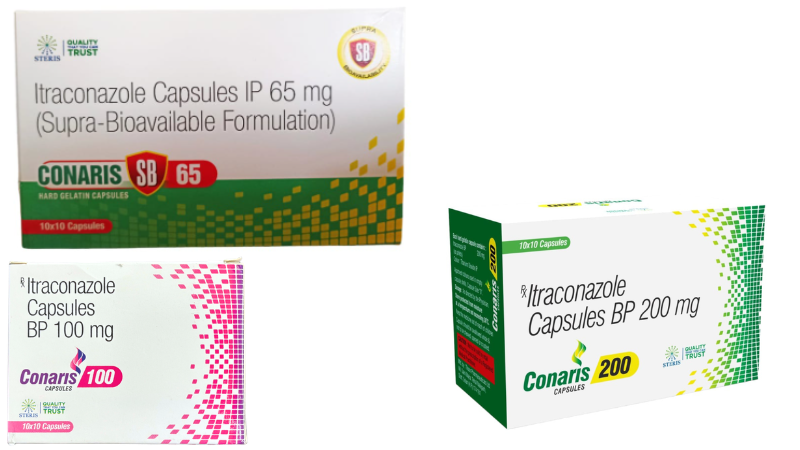
CONARIS 100 (इट्राकोनाजोल कैप्सूल 100mg) उपयोग और सावधानियां हिंदी में
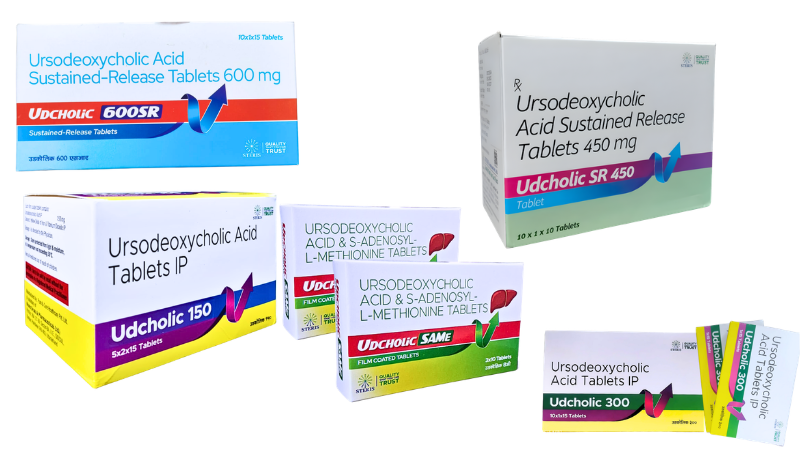
Ursodeoxycholic Acid Tablet Uses in Hindi | फायदे, खुराक और साइड इफेक्ट्स
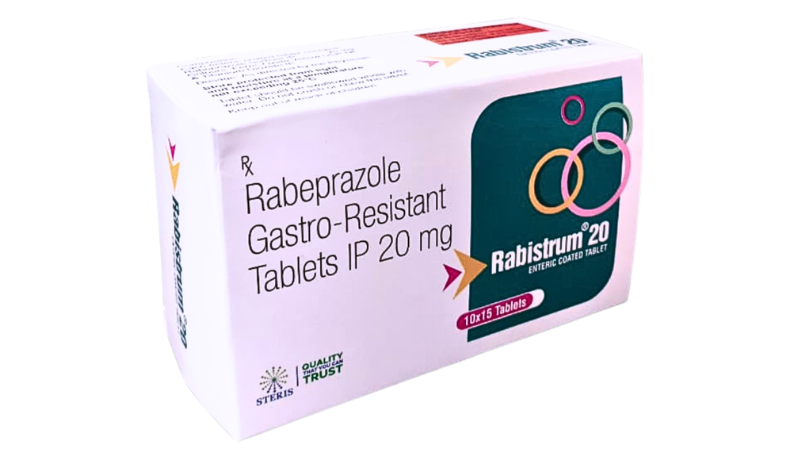
Rabeprazole Gastro Resistant Tablet IP 20 mg: Uses, Benefits, Dosage & Side Effects
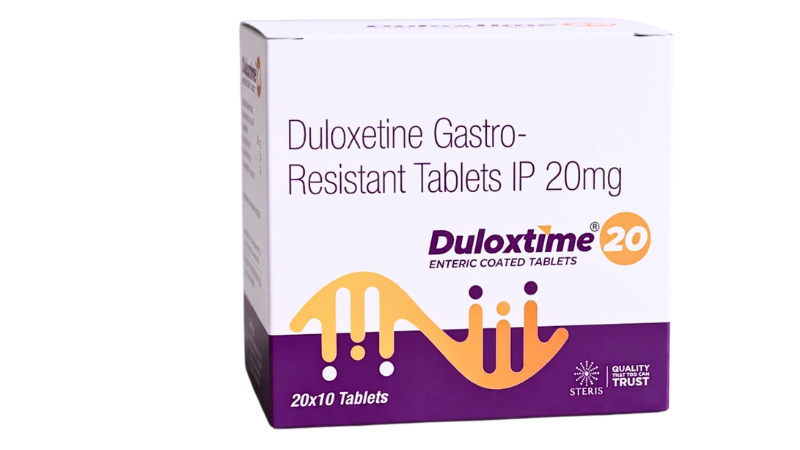
Duloxetine 20 mg Uses in Hindi: फायदे, नुकसान और काम करने का तरीका
Silodosin Capsules 8mg Uses in Hindi | पूरी जानकारी
Rivaroxaban 20 mg – Blood Thinner Uses, Dosage & Safety Guide