





What Is Minocycline Hydrochloride Used For? A Complete Guide
Oct 17, 2026
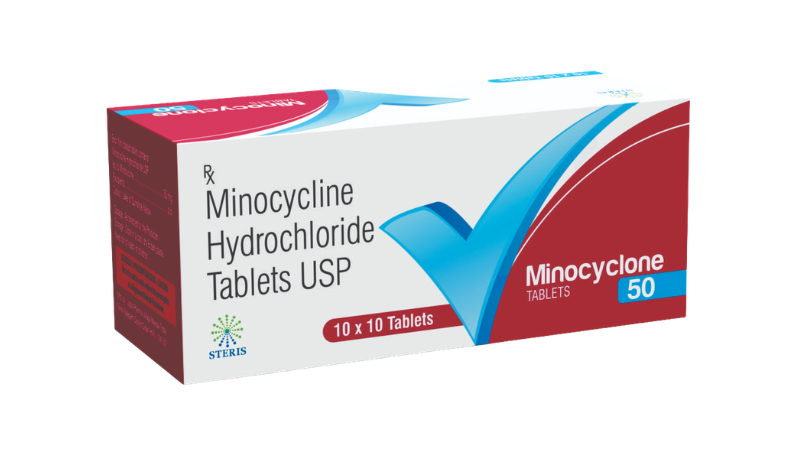
MINOCYCLONE 50 from Steris Healthcare is a minocycline hydrochloride tablet containing minocycline 50 mg. Minocycline belongs to the tetracycline family of antibiotics. It is best known for treating moderate to severe inflammatory acne, but doctors also prescribe it for infections of the respiratory tract, skin, urinary tract, and certain sexually transmitted and atypical infections.
If you searched for minocycline uses, minocycline tablet, or minocycline 50 mg tablet, this guide explains what the medicine does, how it works, how it is taken, what side effects to watch for, and what the evidence says. It is written for patients, caregivers, and pharmacy or hospital buyers.
In plain terms: minocycline stops bacteria from making the proteins they need to grow and multiply. This gives your immune system the chance to clear the infection. In acne, it also calms the inflammation around the skin’s oil glands, which is why many dermatologists rely on it.
Why Is Minocycline Hydrochloride Important?
Antibiotics are among the most valuable medicines we have, and minocycline holds a useful place among them for several reasons:
- Strong tissue penetration. Minocycline is highly lipophilic (fat-loving). It reaches the skin’s oil glands, lungs, prostate, and even the brain and spinal fluid better than many other tetracyclines. This helps explain its effect in acne and in some deep-seated infections.
- Reliable absorption. It is absorbed well from the gut, and food affects it less than it affects older tetracyclines, although calcium, iron, and antacids still reduce absorption.
- Useful when other antibiotics fail or are not suitable. It is active against many bacteria, including some strains resistant to other tetracyclines, and is sometimes used against resistant skin infections.
- Convenient dosing. Twice-daily dosing, or sometimes once daily with extended-release forms, supports adherence.
At the same time, antibiotic resistance is a serious global problem. That is why minocycline should be used only when it is needed, in the right dose, and for the right length of time. Overuse and incomplete courses help bacteria become resistant.
Key Benefits
What Are the Benefits of Minocycline 50 mg?
1. Treats moderate to severe acne. It reduces the acne-causing bacterium Cutibacterium acnes and also has direct anti-inflammatory action, so red, swollen pimples, pustules, and nodules settle down.
2. Broad antibacterial coverage. It acts against many gram-positive and gram-negative bacteria, as well as atypical organisms such as Mycoplasma, Chlamydia, and Rickettsia.
3. Good for skin and soft tissue infections. It is used for certain skin infections, including some caused by resistant staphylococci, when sensitivity supports it.
4. Option for respiratory and urinary tract infections. Doctors may choose it when the organism is sensitive and other drugs are unsuitable.
5. Useful in sexually transmitted infections. It can be an alternative for some infections, such as non-gonococcal urethritis and chlamydia, in selected patients.
6. Used in leprosy regimens. Minocycline is one of the second-line drugs recognized for leprosy treatment in certain situations.
7. Anti-inflammatory benefits beyond infection. Doctors sometimes use it off-label for rosacea and some inflammatory skin conditions.
8. Flexible, low-strength dosing. The 50 mg strength allows dose adjustment, such as 50 mg once or twice daily, to suit the patient and condition.
Mechanism of Action:
How it works:
- Minocycline enters the bacterial cell and binds reversibly to the 30S subunit of the bacterial ribosome.
- This blocks the attachment of aminoacyl-tRNA to the ribosome, which stops new amino acids from being added to the growing protein chain.
- Without the proteins they need, bacteria cannot grow or multiply. This is called a bacteriostatic effect. Your immune system then clears the weakened bacteria.
In acne, minocycline also lowers the activity of inflammatory enzymes and reduces the white blood cells that gather around infected follicles, so it works both as an antibiotic and as an anti-inflammatory.
Because minocycline is bacteriostatic and not bactericidal, doctors may avoid combining it with penicillins in serious infections, since penicillins work best on actively dividing bacteria.
Indications, Efficacy and Clinical Evidence
Common indications (as prescribed by doctors)
- Inflammatory acne vulgaris (moderate to severe)
- Upper and lower respiratory tract infections (sensitive organisms)
- Skin and soft tissue infections
- Urinary tract infections (sensitive organisms)
- Non-gonococcal urethritis and chlamydial infections (alternative therapy)
- Rickettsial infections (such as typhus group), and some atypical infections
- Nocardiosis, and certain infections where first-line drugs cannot be used
- Leprosy (as part of selected regimens)
- Rosacea and some inflammatory skin conditions (off-label, doctor’s decision)
Side Effects
Many people take minocycline without trouble. Possible side effects include:
- Nausea, vomiting, stomach upset
- Diarrhea or loose stools
- Dizziness, light-headedness, or a spinning feeling (vertigo), which is more noticeable with minocycline than with some other tetracyclines
- Headache and tiredness
- Increased sensitivity to sunlight (less than doxycycline, but still possible)
- Loss of appetite
- Oral thrush or vaginal yeast infection (from altered normal flora)
- Skin rash or itching
Taking the tablet with a full glass of water and sitting upright helps reduce stomach and throat irritation. If dizziness occurs, avoid driving until you know how the medicine affects you.
Available Substitute
Substitutes depend on the condition and your doctor’s advice. Common options include:
- Other minocycline 50 mg tablets or capsules from different manufacturers (same salt and strength)
- Doxycycline, often the first-choice tetracycline for acne and many infections
- Lymecycline or tetracycline, other members of the same family
- Azithromycin or erythromycin (macrolides), when tetracyclines are unsuitable
- Clindamycin or trimethoprim-sulfamethoxazole, depending on the infection
- For acne specifically: topical retinoids, benzoyl peroxide, topical antibiotics, hormonal therapy, or isotretinoin, as decided by a dermatologist
Do not switch antibiotics yourself. A pharmacist can tell you which products contain the same ingredient, and your doctor decides whether a different drug is appropriate.
Dosage Guidelines
The right dose depends on the condition, severity, age, kidney and liver function, and your doctor’s judgment. The prescription and the product label always take priority. As a general guide for adults:
- Acne: commonly 50 mg once to three times daily, or 100 mg daily in divided doses, for a limited period (often reviewed at 6 to 12 weeks, and not usually continued beyond 3 to 4 months without reassessment)
- Other infections: often a starting dose of 100 mg, followed by 50 mg every 6 hours or 100 mg every 12 hours, adjusted by the doctor
How to take it:
- Swallow the tablet whole with a full glass of water.
- Stay upright (sitting or standing) for at least 30 minutes afterward, and avoid taking it right before lying down, to protect the food pipe.
- Take it at evenly spaced times each day. You may take it with food if it upsets your stomach.
- Keep at least 2 to 3 hours between minocycline and antacids, calcium, iron, magnesium, or zinc supplements and dairy-heavy meals, since they reduce absorption.
- Finish the course your doctor prescribes, unless told to stop. If you miss a dose, take it as soon as you remember, but skip it if the next dose is near. Never double up.
Precautions & Warnings
- Pregnancy: Avoid. Tetracyclines can harm the developing baby’s teeth and bones. Tell your doctor if you are pregnant or planning pregnancy.
- Breastfeeding: Minocycline passes into breast milk. Ask your doctor before use.
- Children under 8: Avoid, because of tooth discoloration and bone effects.
- Allergy: Do not use if you are allergic to minocycline or any tetracycline.
- Isotretinoin and other retinoids: Combining them raises the risk of increased pressure in the skull. Do not combine unless your doctor specifically directs it.
- Other drug interactions: Tell your doctor about warfarin (bleeding risk may rise), penicillins, methotrexate, ergot drugs, antacids, iron or calcium supplements, and any other medicines. Some reports suggest antibiotics may affect hormonal contraceptives, so ask your doctor whether extra protection is advisable.
- Liver and kidney disease: Use with caution, and with dose adjustment where needed.
- Lupus or autoimmune disease: Tell your doctor, as minocycline can trigger lupus-like reactions.
- Sun exposure: Use sunscreen and protective clothing, and avoid tanning beds.
- Long-term use: Needs periodic review, including liver function and monitoring for joint pain, rash, or pigmentation.
- Driving and machinery: Dizziness can occur. Be careful until you know how you react.
- Antibiotic resistance: Use only when prescribed. Do not use leftover antibiotics.
- Storage: Keep in a cool, dry place away from light and moisture, out of the reach of children. Do not use expired tablets.
Why Buy from Steris Healthcare?
Steris Healthcare is an Indian pharmaceutical company that supplies medicines and healthcare products to hospitals, clinics, pharmacies, and distributors. For buyers looking for MINOCYCLONE 50 or any minocycline 50 mg tablet, check these points before ordering:
- Valid drug license and manufacturer details on the pack
- Batch number, manufacturing date, and expiry date
- Clear labeling of composition (minocycline hydrochloride equivalent to minocycline 50 mg)
- Proper storage and handling during transport
- Prescription verification, since this is a Schedule H drug
Frequently Asked Questions
1. What is minocycline hydrochloride used for?
It is a tetracycline antibiotic used mainly for moderate to severe acne, and for respiratory, skin, urinary, and certain sexually transmitted or atypical infections, as prescribed by a doctor.
2. What is MINOCYCLONE 50?
MINOCYCLONE 50 is a minocycline 50 mg tablet from Steris Healthcare, containing minocycline hydrochloride.
3. What are the uses of minocycline 50 mg tablets?
Common uses include inflammatory acne, bacterial infections that are sensitive to the drug, rosacea (off-label), and some infections where other antibiotics are unsuitable.
4. How does minocycline work?
It binds to the 30S subunit of the bacterial ribosome and blocks protein synthesis, which stops bacteria from growing. In acne, it also reduces inflammation.
5. How long does minocycline take to work for acne?
Improvement is usually seen after about 4 to 8 weeks, with fuller results at around 12 weeks. Your doctor will review progress and decide the duration.
6. How should I take minocycline 50 mg tablets?
Swallow whole with a full glass of water, stay upright for 30 minutes, and keep a gap from antacids, calcium, iron, and zinc supplements.
7. Can I take minocycline with food or milk?
It can be taken with food if it upsets your stomach. Milk and dairy can reduce absorption somewhat, so it is better to separate them by a few hours.
8. What are the common side effects of minocycline?
Nausea, diarrhea, dizziness, headache, and sun sensitivity are the most common.
9. What are the serious side effects of minocycline?
These include severe allergic or skin reactions, lupus-like symptoms, liver problems, raised pressure in the skull (severe headache with vision changes), and persistent diarrhea. Seek medical help immediately if they occur.
10. Does minocycline cause skin or tooth discoloration?
It can, rarely, cause blue-grey or brown pigmentation of the skin, nails, scars, gums, or teeth. It can also stain teeth permanently in young children.
Conclusion
MINOCYCLONE 50 by Steris Healthcare delivers minocycline hydrochloride 50 mg in a convenient tablet. It is widely used for moderate to severe acne and for infections of the respiratory tract, skin, urinary tract, and certain sexually transmitted and atypical infections. It works by blocking bacterial protein synthesis, and in acne it also calms inflammation.
Its strengths are good tissue penetration, broad activity, and flexible dosing. Its drawbacks are dizziness, possible pigmentation, and rare but serious immune reactions, so it needs a proper prescription, the right duration, and follow-up. Take it exactly as prescribed, protect your skin from the sun, separate it from calcium and iron, avoid it in pregnancy, and report any unusual symptoms quickly.
For Further Information:
Mail Us: contact@sterispharma.com or info@sterispharma.com
Call Now: +91 8824175417, +91 9982524671
Recent Post
Pimavanserin 34 mg Capsules – Uses & Benefits
Voglibose, Glimepiride and Metformin: Uses, Benefits and Side Effects
Voglibose and Repaglinide Tablets – Uses, Price & Buy Online in India
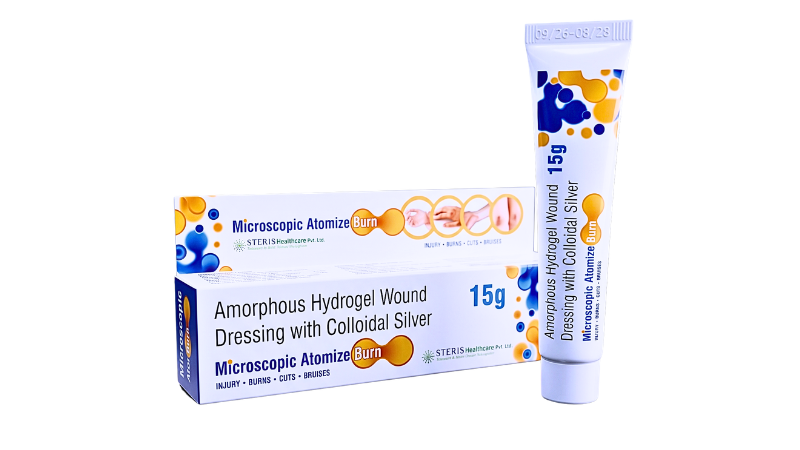
Amorphous Hydrogel with Colloidal Silver: Uses & Benefits
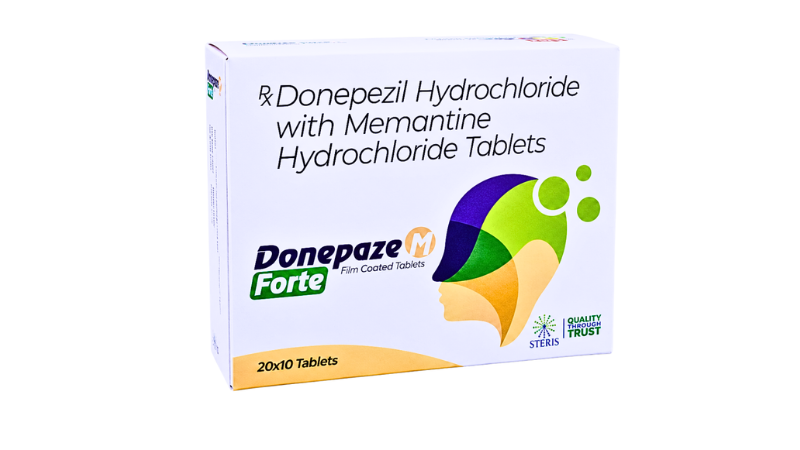
Donepezil Hydrochloride with Memantine Hydrochloride Uses, Benefits & Price in India
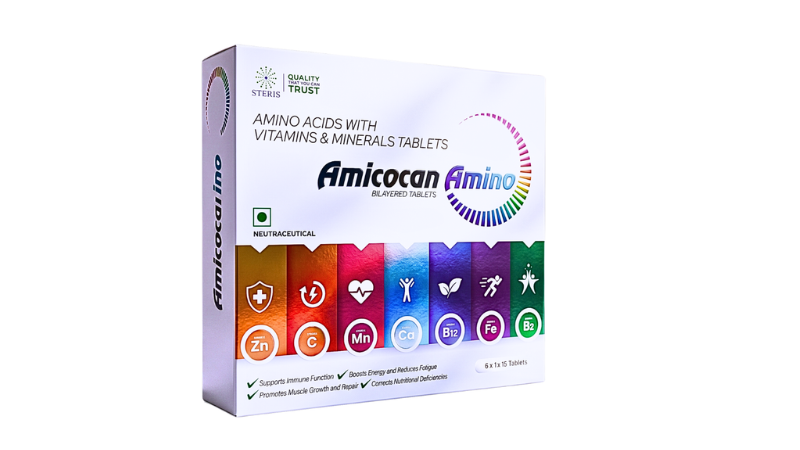
Amino Acid with Vitamin and Mineral Tablets Nutritional Support Explained
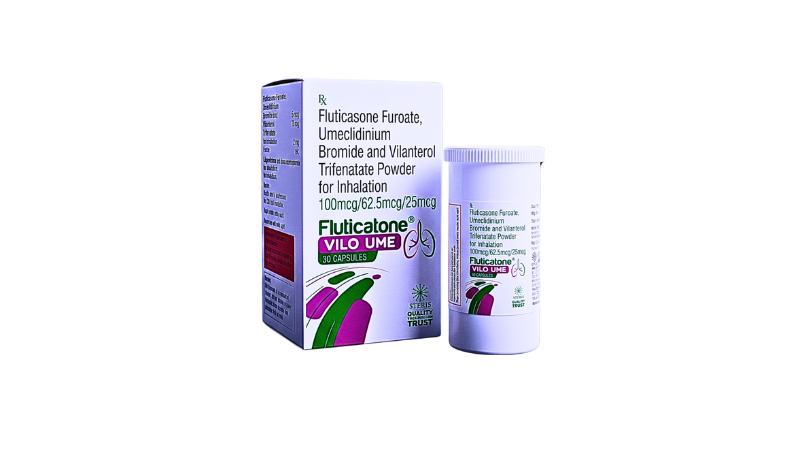
Fluticasone Furoate, Umeclidinium Bromide & Vilanterol Inhalation Powder
Semaglutide 4mg vs Pancreatitis Risk: What Doctors Want You to Know
Semaglutide 8mg Injection: Frequently Asked Questions Answered by Experts
Mycophenolate Mofetil 500mg (Mycofortic M 500): Uses, Benefits & Precautions – Complete Guide