





Voglibose, Glimepiride and Metformin: Uses, Benefits and Side Effects
Oct 17, 2026
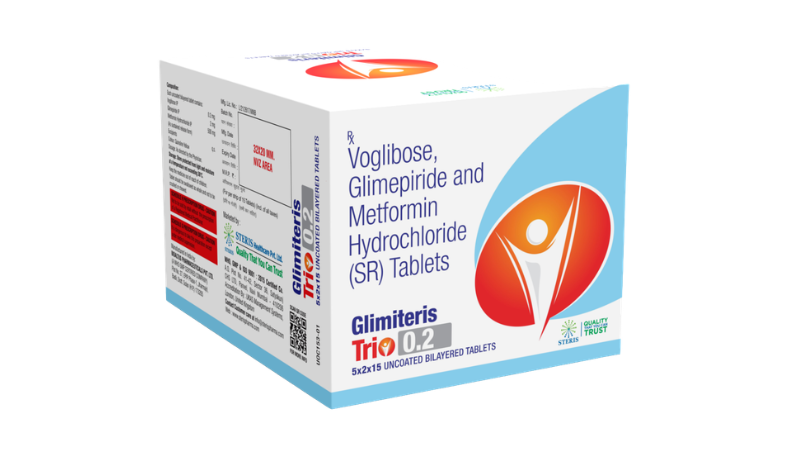
GLIMITERIS TRIO 0.2 from Steris Healthcare is a fixed-dose combination tablet of voglibose, glimepiride & metformin hydrochloride. It is prescribed to help adults with type 2 diabetes mellitus control their blood sugar when one or two medicines are no longer enough. The “0.2” in the name usually refers to the voglibose strength of 0.2 mg. Confirm the exact amounts of glimepiride and metformin on your pack, because they vary between products.
In plain terms: three drugs work on three different problems in type 2 diabetes.
- Metformin reduces the sugar your liver releases and helps your body respond better to insulin.
- Glimepiride nudges the pancreas to release more insulin.
- Voglibose slows the digestion of carbohydrates, so sugar from a meal enters the blood more gradually.
Important: This is a prescription medicine. Do not start it, change the dose, or stop it without a doctor’s advice, and never use it to replace insulin if your doctor has prescribed insulin.
Why Is Voglibose, Glimepiride & Metformin Hydrochloride Important?
Type 2 diabetes is a progressive condition. Over the years, the pancreas produces less insulin and the body becomes more resistant to it. Many people who start on a single tablet need a second or third medicine to keep their blood sugar in range. This matters because long-term high blood sugar damages the eyes, kidneys, nerves, heart, and blood vessels.
A combination such as voglibose glimepiride & metformin hydrochloride is important for several reasons:
- It tackles the problem from three angles: fasting sugar (metformin and glimepiride) and after-meal sugar (voglibose and glimepiride).
- After-meal spikes are common in Indian diets. Meals rich in rice, roti, and other carbohydrates can cause large post-meal rises, which an alpha-glucosidase inhibitor like voglibose is designed to blunt.
- Fewer tablets can mean better adherence. A single combined tablet is easier to remember than three separate ones, and missing doses is one of the main reasons diabetes control slips.
- Lower cost. These are older, widely available generic drugs, which matters for long-term treatment in India.
At the same time, more medicines mean more risks, particularly low blood sugar. That is why the combination should be started by a doctor, reviewed regularly, and stepped down if blood sugar improves.
Key Benefits
What Are the Benefits of Voglibose Glimepiride & Metformin Hydrochloride?
1. Better overall blood sugar control. Using three drugs with different actions can lower HbA1c more than any one alone when the single drugs are not enough.
2. Controls both fasting and post-meal sugar. Metformin lowers fasting glucose, glimepiride supports insulin release, and voglibose flattens the rise after meals.
3. Convenient dosing. One combined tablet replaces several, which can simplify your daily routine.
4. Low-cost, well-known drugs. All three have decades of clinical use.
5. Weight-neutral to mild weight effect. Metformin and voglibose tend not to cause weight gain, which can offset the weight gain seen with sulfonylureas like glimepiride.
6. Voglibose rarely causes low blood sugar by itself. It works in the gut and does not stimulate insulin release.
7. Metformin has additional benefits. Studies such as UKPDS found cardiovascular benefits with metformin in overweight patients with type 2 diabetes, and it is widely recommended as a first-line drug.
8. Flexible adjustment. The doctor can tailor the schedule and strength to the patient’s meals, kidney function, and blood sugar readings.
Mechanism of Action:
Voglibose competitively blocks alpha-glucosidase enzymes in the lining of the small intestine. These enzymes normally break complex carbohydrates into glucose. By slowing this step, voglibose delays glucose absorption and flattens the rise in blood sugar after a meal. It acts locally in the gut, and very little is absorbed into the blood.
Glimepiride (sulfonylurea)
Glimepiride binds to the sulfonylurea receptor (SUR1) on pancreatic beta cells and closes ATP-sensitive potassium channels. This depolarizes the cell and triggers calcium entry, which releases stored insulin. It also has some effect on improving tissue sensitivity to insulin. Because it works only when there are functioning beta cells, it is not effective in type 1 diabetes.
Metformin hydrochloride (biguanide)
Metformin mainly reduces the liver’s production of glucose (gluconeogenesis). It also increases insulin sensitivity in muscle and fat, and reduces glucose absorption from the gut. It works partly by activating an enzyme called AMPK. It does not cause the pancreas to release extra insulin, so it rarely causes low blood sugar on its own.
Together: metformin reduces sugar production, glimepiride increases insulin supply, and voglibose slows sugar absorption.
Indications, Efficacy and Clinical Evidence
Indications (as prescribed by doctors)
- Type 2 diabetes mellitus in adults, as an adjunct to diet and exercise, when blood sugar is not controlled on two oral drugs (for example, metformin plus a sulfonylurea)
- Patients who already take the three drugs separately and can be switched to a fixed-dose combination
It is not for type 1 diabetes or diabetic ketoacidosis.
What the evidence shows
Honest reporting matters for E-E-A-T, so here is what is known:
- Metformin: Strong evidence of lowering HbA1c (roughly 1 to 1.5 percentage points on average), with a long safety record. The UKPDS trial showed reduced diabetes-related complications in overweight patients treated with metformin. Major guidelines, including the ADA Standards of Care, recommend it as a foundational drug unless contraindicated.
- Glimepiride: Sulfonylureas lower HbA1c by a similar amount to metformin in the short to medium term. They carry a real risk of hypoglycemia and weight gain. Among sulfonylureas, glimepiride is generally considered to have a somewhat lower hypoglycemia risk than glibenclamide.
- Voglibose: Alpha-glucosidase inhibitors typically lower HbA1c by a smaller amount (around 0.5 to 0.8 percentage points) and mainly reduce post-meal glucose. Much of the clinical data for voglibose comes from Japan and Asia, where it is widely used.
- The triple combination: Studies of adding voglibose to patients already on metformin and a sulfonylurea have generally shown additional reductions in post-meal glucose and HbA1c. However, large, long-term outcome trials of this specific fixed-dose triple combination are limited. Most of the evidence comes from the individual drugs and from smaller add-on studies.
- Where it fits in current thinking: Modern guidelines increasingly favor SGLT2 inhibitors or GLP-1 receptor agonists for patients with heart disease, kidney disease, or obesity because of proven cardiovascular and kidney benefits. Sulfonylureas and alpha-glucosidase inhibitors remain widely used where cost and availability matter, as is common in India. The choice should always be personal and made with a doctor.
No clinical study specific to this brand’s formulation is cited here. For bioequivalence data, stability data, or batch documents, ask Steris Healthcare directly.
Side Effects
Many people tolerate the combination well. Common effects include:
- From voglibose: gas (flatulence), bloating, stomach rumbling, loose stools. These tend to settle after the first weeks.
- From metformin: nausea, diarrhea, stomach upset, metallic taste, reduced appetite. Taking the tablet with food helps.
- From glimepiride: low blood sugar (shakiness, sweating, hunger, palpitations, headache), dizziness, and mild weight gain.
- General: headache, tiredness, or a mild skin rash.
Dosage Guidelines
The right dose depends on the strengths in the tablet, your blood sugar, kidney and liver function, age, diet, and other medicines. The prescription and label take priority. As a general guide:
- The tablet is usually taken once or twice daily, with or just before meals, as directed by the doctor.
- Because voglibose works best when it is in the gut with food, it is taken just before the meal. Taking it well after the meal reduces the benefit.
- Glimepiride is usually taken with or right after the first main meal. Skip the dose if you skip the meal, to avoid hypoglycemia.
- Metformin is taken with food to reduce stomach upset. Do not crush or chew extended-release tablets.
- Doctors usually start low and increase gradually, with blood sugar checks (fasting, post-meal, and HbA1c) guiding adjustments.
- Take it at about the same times each day. If you miss a dose, take it with your next meal if remembered in time. Do not double up.
- Older adults, and people with kidney or liver problems, need lower doses or closer monitoring.
This medicine is not recommended for children, unless a specialist decides otherwise.
Precautions & Warnings:
- Hypoglycemia plan: Keep glucose tablets, glucose powder, or juice handy. Because voglibose slows the digestion of table sugar (sucrose), treat a low blood sugar episode with pure glucose and not with sweets, sugar, or cake, which may work too slowly.
- Kidney function: Metformin is avoided in severe kidney impairment and should be reviewed regularly. Kidney function should be tested before starting and at least yearly.
- Contrast dye and surgery: Tell your doctor before X-ray or CT scans with iodinated contrast, or before any surgery. Metformin may need to be paused temporarily.
- Alcohol: Avoid or limit it. Alcohol raises the risk of low blood sugar and lactic acidosis.
- Liver disease and heart failure: Use with caution or avoid, as the risk of lactic acidosis and hypoglycemia rises.
- Type 1 diabetes and ketoacidosis: Not suitable.
- Pregnancy and breastfeeding: Generally avoided. Insulin is usually preferred. Tell your doctor if you are pregnant or planning pregnancy.
- Intestinal disease: Voglibose is avoided in people with intestinal obstruction, severe digestive disorders, or large hernias.
- Interactions: Tell your doctor about all medicines. Beta-blockers can mask the warning signs of low blood sugar. Some antifungals (such as fluconazole), certain antibiotics, NSAIDs, and some other drugs can raise the risk of hypoglycemia. Corticosteroids, thiazide diuretics, and some other drugs can raise blood sugar. Digestive enzyme preparations (such as amylase or pancreatin) and charcoal may reduce voglibose’s effect.
- Illness and dehydration: During vomiting, diarrhea, fever, or poor intake, ask your doctor whether to pause the medicine.
- Monitoring: Check blood sugar regularly, and have HbA1c, kidney function, liver function, and vitamin B12 tested as advised.
- Lifestyle: The medicine works best with a balanced diet, regular physical activity, and weight management.
- Driving: Do not drive if you feel shaky or confused, and check your sugar first if you are at risk of hypoglycemia.
- Storage: Keep in a cool, dry place, away from sunlight and moisture, and out of the reach of children. Do not use after the expiry date.
Why Buy from Steris Healthcare?
Steris Healthcare is an Indian pharmaceutical company that supplies medicines and healthcare products to hospitals, clinics, pharmacies, and distributors across India. For buyers looking for GLIMITERIS TRIO 0.2 or any glimepiride voglibose and metformin hydrochloride tablets, verify these points before ordering:
- Valid drug license and manufacturer details on the pack
- Batch number, manufacturing date, and expiry date
- Clear composition labeling with the strength of each ingredient
- Whether the metformin is immediate-release or sustained-release
- Proper storage and handling in transport
- Prescription verification, since this is a Schedule H drug
Frequently Asked Questions
1. What is voglibose glimepiride & metformin hydrochloride used for?
It is used in adults with type 2 diabetes to lower blood sugar when diet, exercise, and one or two medicines are not enough.
2. What is GLIMITERIS TRIO 0.2?
It is a fixed-dose combination tablet from Steris Healthcare containing voglibose (usually 0.2 mg), glimepiride, and metformin hydrochloride.
3. What are the uses of glimepiride voglibose and metformin hydrochloride tablets?
They control fasting and after-meal blood sugar in type 2 diabetes by reducing liver sugar output, boosting insulin release, and slowing carbohydrate absorption.
4. What is voglibose used for?
Voglibose controls the rise in blood sugar after meals by slowing carbohydrate digestion in the gut.
5. What is glimepiride used for?
Glimepiride stimulates the pancreas to release insulin and lower blood sugar in type 2 diabetes.
6. What is metformin hydrochloride used for?
Metformin is the first-line drug for type 2 diabetes. It lowers liver glucose production and improves insulin sensitivity. It is also used off-label in PCOS and prediabetes.
7. When should I take voglibose, glimepiride and metformin tablets?
Usually with or just before meals, as prescribed. Voglibose works best just before food, and glimepiride is taken with the first main meal.
8. What happens if I skip a meal after taking the tablet?
You may get low blood sugar, especially from glimepiride. Skip the dose if you skip the meal, and keep glucose handy.
9. Can this combination cause low blood sugar?
Yes, mainly because of glimepiride. Symptoms include sweating, shakiness, hunger, palpitations, and confusion. Treat with pure glucose, not table sugar.
10. Why should low sugar be treated with glucose and not sugar?
Voglibose slows the breakdown of table sugar (sucrose), so glucose acts faster and more reliably.
Conclusion
GLIMITERIS TRIO 0.2 by Steris Healthcare brings together voglibose, glimepiride & metformin hydrochloride in one tablet for adults with type 2 diabetes who need more than two medicines. Metformin reduces the liver’s sugar output, glimepiride boosts insulin release, and voglibose flattens the rise in sugar after meals. This gives broader control than any one of them alone.
Its strengths are cost, familiarity, and convenience. Its main risks are low blood sugar, stomach side effects, and, rarely, lactic acidosis. It works best under a doctor’s care, with regular testing of blood sugar and kidney function, a sensible diet, and physical activity. Newer drug classes may suit some patients better, especially those with heart or kidney disease or obesity, so the regimen should be reviewed from time to time.
For Further Information:
Mail Us: contact@sterispharma.com or info@sterispharma.com
Call Now: +91 8824175417, +91 9982524671
Recent Post
How Telmisartan and Nebivolol Work to Manage High Blood Pressure
Pimavanserin 34 mg Capsules – Uses & Benefits
What Is Minocycline Hydrochloride Used For? A Complete Guide
Voglibose and Repaglinide Tablets – Uses, Price & Buy Online in India
Amorphous Hydrogel with Colloidal Silver: Uses & Benefits
Donepezil Hydrochloride with Memantine Hydrochloride Uses, Benefits & Price in India
Amino Acid with Vitamin and Mineral Tablets Nutritional Support Explained
Fluticasone Furoate, Umeclidinium Bromide & Vilanterol Inhalation Powder
Semaglutide 4mg vs Pancreatitis Risk: What Doctors Want You to Know
Semaglutide 8mg Injection: Frequently Asked Questions Answered by Experts