


What are the uses of Baclofen Tablets?
Oct 27, 2023
One such prescription medication is Baclofen 10 mg Tablets. They are used to treat muscle spasticity, muscle stiffness, painful muscle spasms, and neurological conditions that affect the control of muscles. Baclofen is a member of the skeletal muscle relaxant class of medicines. It works by decreasing abnormal nerve signals in the spinal cord that help muscles relax and move more easily. It is often used to treat muscle spasticity that occurs with multiple sclerosis (MS), spinal cord injury, cerebral palsy and other neurological disorders.
What is Baclofen 10 mg?
Baclofen 10 mg is a centrally-acting skeletal muscle relaxant used to control excessive muscle contractions due to neurologic disorders. Muscle spasticity is when the nerve signals are overactive, and the muscles become tight, stiff and spasm involuntarily all the time. Baclofen works to quiet these abnormal nerve impulses, which allows the muscles to relax and function more normally.
Baclofen works on the neurological cause of muscle spasticity, whereas painkillers only work on alleviating pain. It is often part of a more comprehensive rehabilitation program that includes physiotherapy, stretching exercises and other supportive therapy to improve physical function and activities of daily living.
How Does Baclofen 10 mg Work?
Baclofen acts on GABA-B receptors in the spinal cord and central nervous system. These receptors help regulate nerve activity. By activating them, Baclofen decreases the transmission of excitatory nerve signals responsible for muscle spasms and excessive muscle tone.
As nerve activity becomes more controlled, muscles relax, stiffness decreases, and involuntary spasms become less frequent. This action improves mobility, reduces discomfort, and helps patients perform daily tasks more comfortably. The medicine works gradually, and regular use as prescribed is important for maintaining symptom control.
Baclofen 10 mg Tablet Uses
Baclofen 10 mg is commonly prescribed for:
- Muscle spasticity
- Muscle stiffness
- Painful muscle spasms
- Multiple sclerosis (MS)
- Spinal cord injury
- Cerebral palsy
- Neurological disorders causing muscle tightness
- Muscle rigidity
- Chronic muscle contractions
- Rehabilitation programs involving muscle relaxation
Benefits of Baclofen 10 mg Tablets
Patients using Baclofen under medical supervision may experience several benefits:
- Relieves muscle spasms
- Reduces muscle stiffness
- Improves muscle flexibility
- Enhances mobility
- Helps reduce pain associated with muscle spasticity
- Supports rehabilitation and physiotherapy
- Improves daily physical functioning
- Reduces involuntary muscle contractions
- Helps improve sleep disrupted by muscle spasms
- Enhances overall quality of life
How to Take Baclofen 10 mg
Take Baclofen 10 mg Tablets exactly as prescribed by your doctor. The tablet should be swallowed whole with water and may be taken with or after food to help reduce stomach discomfort. Your healthcare provider may begin treatment with a lower dose and gradually increase it based on your response and tolerance.
Do not stop taking Baclofen suddenly, even if you feel better. Abrupt discontinuation may lead to withdrawal symptoms such as increased muscle spasticity, hallucinations, seizures, confusion, or other serious complications. If treatment needs to be stopped, your doctor will usually recommend gradually reducing the dose.
Baclofen 10 mg Dosage
The dosage of Baclofen depends on the patient's age, medical condition, severity of symptoms, kidney function, and response to treatment.
Many adults begin with a low dose that is increased gradually until effective symptom control is achieved. Always follow your physician's instructions carefully and never increase or decrease the dose without medical advice.
If you miss a dose, take it as soon as you remember unless it is almost time for the next scheduled dose. Do not take two doses together to make up for a missed dose.
Baclofen 10 mg Side Effects
Like all medicines, Baclofen may cause side effects, although not everyone experiences them.
- Drowsiness
- Dizziness
- Weakness
- Fatigue
- Sleepiness
- Headache
- Nausea
- Dry mouth
- Constipation
- Low blood pressure
- Confusion (especially in older adults)
- Muscle weakness
Seek immediate medical attention if you experience severe allergic reactions, difficulty breathing, seizures, hallucinations, or severe confusion.
Precautions and Warnings
Before using Baclofen, inform your doctor if you have kidney disease, liver disease, epilepsy, mental health disorders, Parkinson's disease, diabetes, stomach ulcers, or a history of stroke. Since Baclofen can cause drowsiness and dizziness, avoid driving, operating heavy machinery, or performing activities requiring alertness until you know how the medicine affects you.
Alcohol may increase the sedative effects of Baclofen and should generally be avoided unless your doctor advises otherwise. Pregnant and breastfeeding women should use Baclofen only when the potential benefits outweigh the possible risks, following medical advice.
Patients with reduced kidney function may require dose adjustments because Baclofen is primarily eliminated through the kidneys.
Drug Interactions
Baclofen may interact with several medicines that affect the central nervous system or muscle function. Inform your healthcare provider if you are taking:
- Sleeping tablets
- Anti-anxiety medications
- Opioid pain relievers
- Antidepressants
- Antipsychotic medicines
- Antiepileptic drugs
- Other muscle relaxants
- Blood pressure medications
- Sedative antihistamines
- Alcohol-containing products
Providing a complete list of all prescription medicines, over-the-counter drugs, vitamins, and herbal supplements helps your doctor minimize the risk of interactions.
Storage Instructions
Store Baclofen 10 mg Tablets below 25°C in a cool, dry place away from moisture, direct sunlight, and excessive heat. Keep the medicine in its original packaging and out of the reach of children and pets. Do not use the tablets after the expiry date printed on the package.
Who Should Use Baclofen 10 mg?
Baclofen 10 mg is prescribed for adults and, in some cases, children under specialist supervision who experience muscle spasticity resulting from neurological disorders. It is especially beneficial for patients whose muscle stiffness interferes with walking, movement, daily activities, rehabilitation, or sleep. The decision to use Baclofen should always be made by a qualified healthcare professional after evaluating the individual's medical condition and overall treatment plan.
Why Choose Baclofen 10 mg for Muscle Spasticity?
Baclofen has been widely used for decades because it effectively targets the neurological causes of muscle spasticity rather than simply masking pain. By reducing abnormal nerve activity in the spinal cord, it helps improve muscle relaxation, mobility, and overall physical function. When combined with physiotherapy, stretching exercises, and appropriate rehabilitation, Baclofen can support long-term management of chronic muscle stiffness and improve quality of life for many patients.
Frequently Asked Questions
1. What is the medicine baclofen used for?
Baclofen 10 mg is used to treat muscle spasticity, muscle stiffness, painful muscle spasms, and neurological disorders such as multiple sclerosis and spinal cord injury.
2. Is Baclofen a muscle relaxant?
Yes. Baclofen is a centrally acting skeletal muscle relaxant that reduces abnormal nerve signals responsible for muscle spasms.
3. Can Baclofen help with back muscle spasms?
It may be prescribed for certain muscle spasms depending on the underlying cause. Always use it under medical supervision.
4. Does Baclofen cause sleepiness?
Yes. Drowsiness and dizziness are among the most common side effects, especially when starting treatment or increasing the dose.
5. Can I take Baclofen every day?
Yes, if prescribed by your doctor. Follow the recommended dosage and duration carefully.
6. Can I stop Baclofen suddenly?
No. Baclofen should not be discontinued abruptly, as sudden withdrawal can lead to serious symptoms. Your doctor will usually advise gradual dose reduction.
7. Can Baclofen be taken with food?
Yes. Taking Baclofen with or after food may help reduce stomach discomfort.
8. How long does Baclofen take to work?
Some patients may notice improvement within a few hours to days, but the full benefit may require dose adjustments and consistent use as directed.
9. Is Baclofen addictive?
Baclofen is not generally considered addictive, but stopping it suddenly after prolonged use can cause withdrawal symptoms.
10. Can elderly patients use Baclofen?
Yes, although older adults may be more sensitive to side effects such as drowsiness, dizziness, and confusion. Dose adjustments may be required.
11. Can Baclofen be used during pregnancy?
It should only be used during pregnancy if prescribed by a healthcare professional after careful assessment of the potential benefits and risks.
12. Is Baclofen 10 mg a prescription medicine?
Yes. Baclofen 10 mg is a prescription-only medication and should only be used under the guidance of a qualified healthcare provider.
Conclusion
Baclofen 10 mg Tablets are an effective prescription treatment for muscle spasticity, muscle stiffness, and painful muscle spasms associated with neurological disorders such as multiple sclerosis, spinal cord injury, and cerebral palsy. By acting on the central nervous system to reduce excessive nerve activity, Baclofen helps relax muscles, improve mobility, support rehabilitation, and enhance quality of life. For the best outcomes, use Baclofen exactly as prescribed, avoid sudden discontinuation, and follow your healthcare provider's advice regarding dosage, monitoring, and supportive therapies such as physiotherapy and exercise.
Recent Post
Voglibose 0.2 mg and Repaglinide 1 mg Tablets IP: Uses, Benefits, Dosage and Side Effects
L-Methyl Folate,Methylcobalamin,Pyridoxal-5-Phosphate,DHA & Vitamin D3 Soft Gelatin Capsules
Glutathione With Vitamin C Tablets: Complete Guide to Skin Health
L-Glutathione With Vitamin C Effervescent Tablets: Uses, Benefits, Side Effects & Skin Health
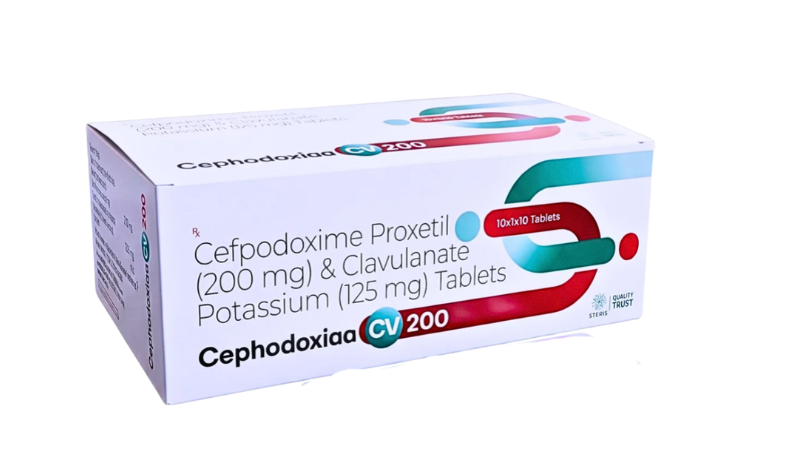
Cefpodoxime Proxetil 200 mg And Clavulanate Potassium 125 mg Tablets: Uses, Benefits
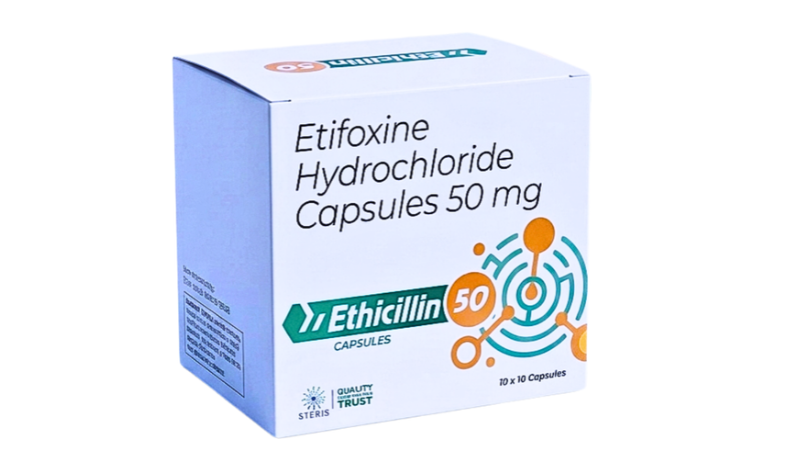
Etifoxine Hydrochloride Capsules 50 mg: Uses, Benefits, Side Effects & Precautions
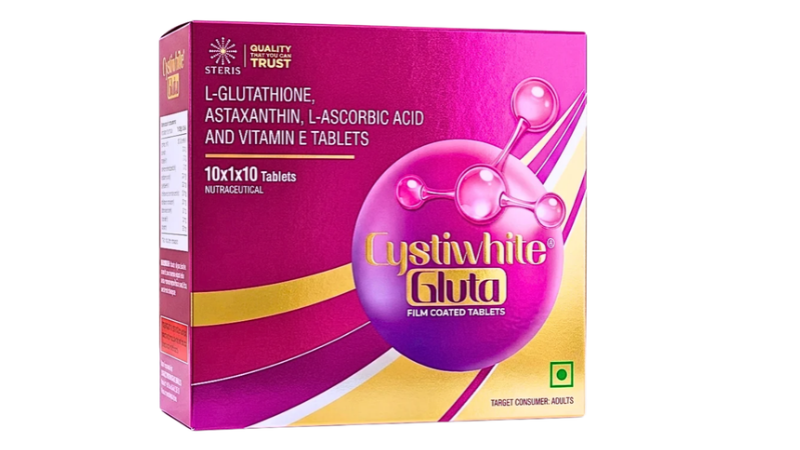
Glutathione with Astaxanthin Tablets: Benefits, Side Effects and Skin Health
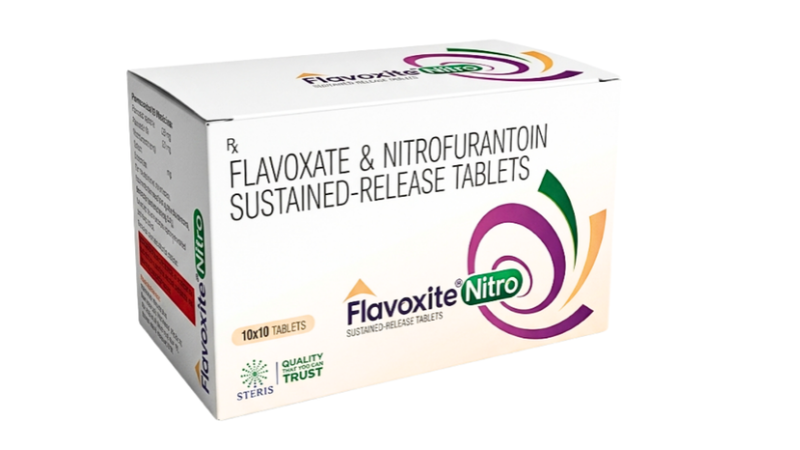
Flavoxate 200 mg + Nitrofurantoin 100 mg Tablets: Uses, Benefits and Side Effects
Atomoxetine 10mg के उपयोग, फायदे और नुकसान: पूरी जानकारी।
Apixaban 2.5mg: खून के थक्के बनने से रोकने में कैसे मदद करती है?