


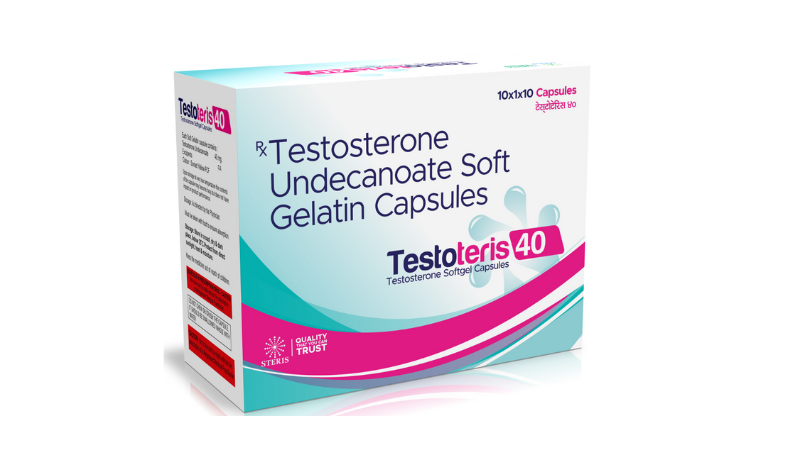



Testosterone Undecanoate Soft Gelatin (40mg) - Extended-Release Formula…..
Jul 30, 2024
What Are Testosterone Undecanoate Soft Gelatin Capsules?
Testosterone undecanoate soft gelatin capsules contain testosterone undecanoate, an ester of testosterone used in specific testosterone replacement formulations.
Testosterone replacement is intended for men whose bodies do not produce sufficient testosterone because of an appropriate underlying medical condition. Before treatment is started, healthcare professionals may assess symptoms, medical history and laboratory testosterone measurements.
Testosterone deficiency can present differently from one person to another. Possible symptoms may include reduced sexual desire, changes in sexual function, reduced energy, changes in muscle mass and reduced bone density. However, these symptoms can also occur because of many other medical or lifestyle factors.
TESTOTERIS 40 Product Information
| Product Information | Details |
|---|---|
| Brand Name | TESTOTERIS 40 |
| Composition | Testosterone Undecanoate Soft Gelatin Capsules |
| Active Ingredient | Testosterone Undecanoate |
| Product Form | Capsule |
| Dosage Form | Soft Gelatin Capsule |
| Pack Size | 10 × 1 × 10 |
| Manufacturer/Marketer | Steris Healthcare Pvt. Ltd. |
| Target Market | India |
| Therapeutic Category | Androgen / Testosterone Replacement |
| Usage | As directed by a qualified healthcare professional |
| Prescription | Medical supervision and applicable prescription requirements |
What Is TESTOTERIS 40 Used For?
TESTOTERIS 40 may be used as testosterone replacement when prescribed for an adult man with clinically confirmed testosterone deficiency associated with an underlying medical condition.
The primary objective of replacement therapy is to provide testosterone when endogenous testosterone production is insufficient.
Testosterone contributes to:
- Normal male reproductive function
- Sexual development and function
- Maintenance of muscle tissue
- Bone physiology
- Red blood cell production
- Libido
- Various androgen-dependent body functions
The benefits of treatment depend on the underlying cause of testosterone deficiency, baseline testosterone concentrations, treatment adherence and individual response.
How Does Testosterone Undecanoate Work?
Testosterone undecanoate delivers testosterone to the body after administration. Testosterone then exerts its physiological effects through androgen receptors in various tissues.
Androgen activity is involved in numerous processes throughout the body. Testosterone replacement aims to restore testosterone levels to an appropriate physiological range rather than producing excessively high hormone concentrations.
The dosage and treatment schedule should therefore be individualized by a healthcare professional. Blood tests and clinical assessments may be used to evaluate treatment response and safety.
Potential Benefits of Testosterone Replacement
When medically indicated, testosterone replacement may help manage symptoms associated with confirmed testosterone deficiency.
Potential treatment-related benefits can include:
Supports Normal Testosterone Levels
Testosterone undecanoate provides an external source of testosterone for individuals who require replacement therapy.
Supports Sexual Health
For men whose reduced libido or certain sexual symptoms are related to testosterone deficiency, appropriate testosterone replacement may help address these symptoms.
Supports Muscle Maintenance
Testosterone contributes to normal muscle tissue maintenance and body composition.
Supports Bone Health
Androgen activity has an important role in maintaining normal bone physiology.
Supports Androgen-Dependent Functions
Adequate testosterone contributes to multiple physiological functions associated with male health.
Treatment results vary between individuals, and testosterone replacement should be monitored rather than adjusted independently.
Testosterone Undecanoate Soft Gelatin Capsules Price in India
The testosterone undecanoate soft gelatin capsules price may vary depending on the brand, pack size, pharmacy, location, distribution channel, applicable taxes and other charges.
For TESTOTERIS 40, the provided pack size is 10 × 1 × 10 capsules. Buyers should confirm the current selling price and stock status with the relevant pharmacy or authorized pharmaceutical supplier before placing an order.
If you are comparing the testosterone undecanoate capsules price in India, consider the complete product details rather than choosing a medicine solely because it has a lower listed price.
Before purchasing, verify:
- TESTOTERIS 40 brand name
- Testosterone undecanoate composition
- Soft gelatin capsule dosage form
- 10 × 1 × 10 pack configuration
- Steris Healthcare Pvt. Ltd. as stated marketer
- Batch number
- Manufacturing details
- Expiry date
- Packaging condition
- Prescription requirements
- Seller authenticity
- Applicable shipping charges
Buy Testosterone Undecanoate Soft Gelatin Capsules Online
Online medicine listings can differ in price and availability. Before completing an order, ensure that the product information matches the prescription and that the seller follows applicable requirements for dispensing prescription medicines.
A legitimate product listing should provide sufficient information about the composition, brand, pack size and manufacturer or marketer.
Avoid purchasing testosterone medicines from unidentified sellers or websites offering products without proper labeling, batch information or pharmaceutical details.
Online Ordering Process for TESTOTERIS 40
If your healthcare professional has prescribed testosterone undecanoate, the following approach can help you order the correct product:
1. Confirm the prescription:
Make sure the prescribed medicine and strength/formulation correspond to the product you intend to purchase.
2. Search the exact product:
Look specifically for TESTOTERIS 40 – Testosterone Undecanoate Soft Gelatin Capsules.
3. Verify the pack size:
The provided pack configuration is 10 × 1 × 10.
4. Check product details:
Confirm the composition, dosage form and stated manufacturer/marketer.
5. Check the current price:
Medicine prices and stock can change, so confirm the current price before checkout.
6. Complete prescription verification:
If required, upload or provide a valid prescription through the pharmacy's approved process.
7. Inspect the delivered product:
Check the packaging, batch information and expiry date before using the medicine.
How Should Testosterone Undecanoate Soft Gelatin Capsules Be Taken?
Take TESTOTERIS 40 exactly as prescribed by your doctor.
The appropriate dosage and treatment schedule depend on individual testosterone levels, medical history, clinical response and the reason for treatment.
Do not increase the dose to obtain faster results. Do not take extra capsules or change the treatment frequency without professional advice.
Follow the administration instructions provided with the specific product, including any instructions concerning food. Oral testosterone undecanoate formulations may have specific administration requirements that affect absorption.
If you forget a dose, follow the instructions provided by your healthcare professional rather than taking an extra dose on your own.
Important Precautions
Before taking testosterone undecanoate, tell your healthcare professional about your medical history and all medicines, vitamins and supplements you use.
Discuss treatment carefully if you have a history of:
- Prostate conditions
- Breast-related disease
- Cardiovascular problems
- High blood pressure
- Liver disease
- Kidney disease
- Sleep-related breathing problems
- Abnormal blood counts
- Other significant medical conditions
Your doctor may recommend periodic monitoring during treatment. Depending on your circumstances, monitoring may include testosterone levels, blood pressure, blood counts and prostate-related assessments.
Testosterone Undecanoate and Fertility
Fertility is an important consideration before starting testosterone replacement.
External testosterone can suppress the body's natural reproductive hormone signaling and may decrease sperm production. Therefore, men who are currently trying to conceive or want to preserve fertility should discuss their plans with a healthcare professional before beginning testosterone treatment.
Do not assume that testosterone replacement will improve fertility simply because testosterone is a male reproductive hormone.
Testosterone Undecanoate for Bodybuilding
TESTOTERIS 40 should not be used as a bodybuilding supplement or performance-enhancement medicine.
Taking testosterone without a medical indication, using excessive doses or obtaining testosterone from an unverified source can expose a person to unnecessary health risks.
The appropriate purpose of testosterone replacement is to treat medically confirmed testosterone deficiency when a healthcare professional determines that treatment is suitable.
Possible Side Effects
As with other medicines, testosterone treatment may cause side effects.
Possible effects associated with testosterone therapy can include:
- Acne
- Oily skin
- Fluid retention
- Changes in blood pressure
- Changes in blood lipid levels
- Increased red blood cell count
- Breast tenderness or enlargement
- Mood changes
- Changes in sexual function
- Changes in prostate-related symptoms
The occurrence and severity of side effects vary between individuals.
If you experience severe, persistent or unusual symptoms during treatment, contact your healthcare professional for appropriate assessment.
Frequently Asked Questions
1. Where can I buy testosterone undecanoate soft gelatin capsules online?
You can look for testosterone undecanoate soft gelatin capsules through legitimate pharmacies and authorized pharmaceutical distribution channels in India. Check the product details, seller information and applicable prescription requirements before ordering.
2. What is the price of testosterone undecanoate soft gelatin capsules?
The price can vary depending on the brand, pack size, pharmacy, location and applicable charges. For TESTOTERIS 40, confirm the latest price and availability with the relevant authorized pharmacy or pharmaceutical supplier.
3. Can I order testosterone undecanoate soft gelatin capsules online?
Online ordering may be available through compliant pharmacy channels. Because testosterone replacement is a medical treatment, prescription verification and other dispensing requirements may apply.
4. Is testosterone undecanoate soft gelatin capsules available from Steris Healthcare?
TESTOTERIS 40 is identified as a testosterone undecanoate soft gelatin capsule marketed by Steris Healthcare Pvt. Ltd. Current availability and stock should be confirmed through the appropriate company sales or distribution channel.
5. What is testosterone undecanoate soft gelatin capsules used for?
Testosterone undecanoate may be used for testosterone replacement in appropriately diagnosed adult men with testosterone deficiency associated with an underlying medical condition.
6. What is the composition of testosterone undecanoate soft gelatin capsules?
The active composition is testosterone undecanoate. TESTOTERIS 40 is supplied in a soft gelatin capsule dosage form.
7. Is a prescription required?
Testosterone replacement medicines should be used under qualified medical supervision. Prescription and dispensing requirements may apply. Follow the prescription provided by your doctor and the requirements of the dispensing pharmacy.
8. How should testosterone undecanoate soft gelatin capsules be taken?
Take TESTOTERIS 40 exactly according to your doctor's instructions. Follow the specific product directions regarding administration, including any instructions related to food. Do not change the prescribed dose yourself.
9. What should I know before buying testosterone undecanoate soft gelatin capsules?
Confirm the brand, composition, dosage form, pack size, manufacturer/marketer, batch number, expiry date and seller authenticity. Discuss your medical history and fertility plans with your doctor before starting testosterone replacement.
10. How can I order testosterone undecanoate soft gelatin capsules online?
First consult a qualified healthcare professional. If testosterone replacement is prescribed, select a legitimate pharmacy, verify TESTOTERIS 40, confirm the 10 × 1 × 10 pack, check the current price and complete any prescription-verification process required by the pharmacy.
11. Buy testosterone undecanoate online?
Testosterone undecanoate soft gelatin capsules for price please contact at steris healthcare.
Conclusion
TESTOTERIS 40 is a testosterone undecanoate soft gelatin capsule formulation marketed by Steris Healthcare Pvt. Ltd. for the Indian pharmaceutical market. The specified pack size is 10 × 1 × 10 capsules.
Recent Post
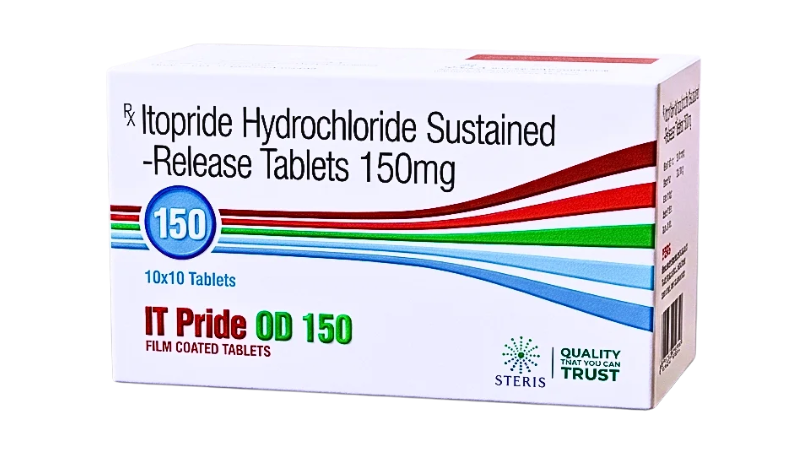
Itopride Hydrochloride Uses: What It Treats and How It Works

Glimepiride 0.5 mg + Voglibose 0.2 mg + Metformin SR 500 mg | Steris Healthcare
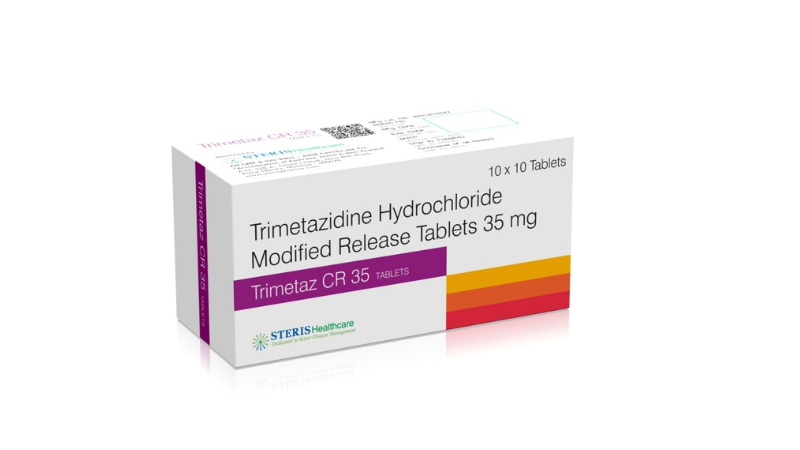
Trimetazidine Hydrochloride Modified Release Tablets 35 mg Uses, Benefits

EUROSOFT MOSQUITO SHIELD
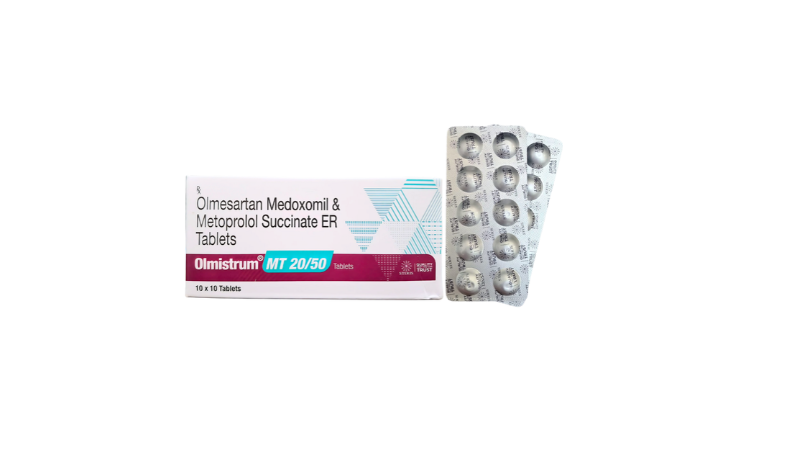
Olmesartan and Metoprolol: Uses, Benefits, Dosage & Side Effects | Steris Healthcare

Tofacitinib 11 mg Tablets: A Complete Guide to Uses and Side Effects

Olmesartan Medoxomil + Metoprolol Succinate: Uses, Dosage
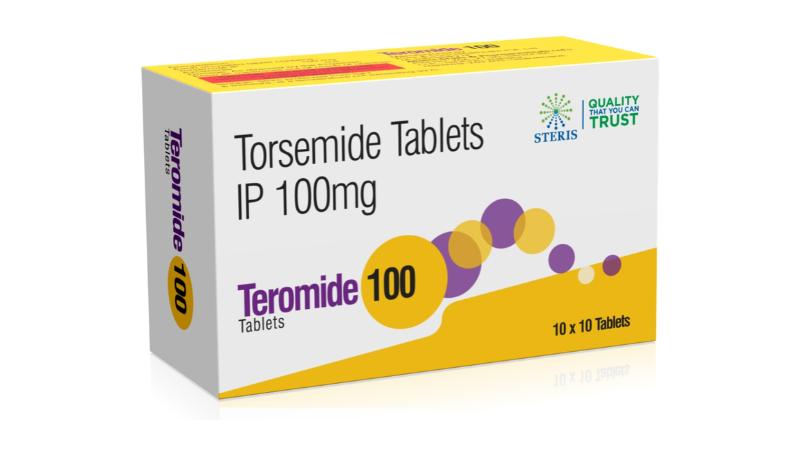
Torsemide 100 mg: Uses, Dosage, Side Effects, and Precautions

How Streptococcus Thermophilus Supports Digestive Health
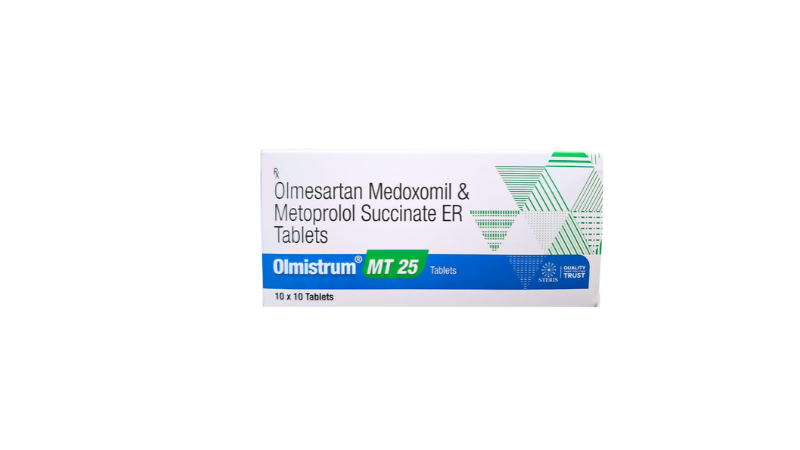
Olmesartan Medoxomil + Metoprolol Succinate: Uses, Benefits & Side Effects

