





Tacrolimus (0.25 mg) .. . . . . .
Dec 01, 2023
Tacrolimus is a well-established immunosuppressive medicine widely used in modern clinical practice to prevent organ rejection and manage certain autoimmune conditions. TACRENOLIME 0.25, containing Tacrolimus capsules 0.25 mg, is a precisely dosed formulation designed for patients who require careful immunosuppression under strict medical supervision.
In the Indian healthcare setting, Tacrolimus plays a critical role in post-transplant care, particularly after kidney, liver, and heart transplants. It is also prescribed in selected autoimmune disorders where controlling the immune response is essential to prevent tissue damage. TACRENOLIME 0.25 offers clinicians flexibility in dose titration, making it suitable for patients who need lower-strength Tacrolimus for long-term therapy or dose adjustments.
From a pharmacological perspective, Tacrolimus belongs to the class of calcineurin inhibitors. It works by suppressing specific immune pathways that would otherwise attack transplanted organs or the body’s own tissues. With increasing transplant success rates and improved long-term survival in India, medicines like TACRENOLIME 0.25 have become indispensable in ensuring graft survival and improving patients’ quality of life.
Uses of TACRENOLIME 0.25
Tacrolimus capsules uses is prescribed for a range of clinical indications where immune suppression is required. The key uses include:
1. Prevention of Organ Rejection
The primary and most common use of Tacrolimus 0.25 mg is to prevent rejection in patients who have undergone:
-
Kidney transplantation
-
Liver transplantation
-
Heart transplantation
It helps the body accept the transplanted organ by suppressing immune reactions that could damage the graft.
2. Maintenance Immunosuppression Therapy
After the initial post-transplant period, patients often require lower or adjusted doses of immunosuppressants. TACRENOLIME 0.25 is commonly used as part of long-term maintenance therapy to keep immune activity under control while minimizing side effects.
3. Autoimmune Disorders (Off-label Use)
In certain cases, Tacrolimus may be prescribed for autoimmune conditions such as:
-
Lupus nephritis
-
Severe rheumatoid arthritis (when other treatments fail)
-
Inflammatory bowel disease (selected cases)
4. Nephrotic Syndrome (Resistant Cases)
Tacrolimus is sometimes used in steroid-resistant or frequently relapsing nephrotic syndrome, particularly in children and adults under specialist care.
5. Dermatological and Other Immune-Mediated Conditions
While topical Tacrolimus is more common in skin conditions, oral Tacrolimus may be considered in severe immune-mediated diseases when systemic immunosuppression is necessary.
Benefits of TACRENOLIME 0.25
TACRENOLIME 0.25 offers multiple therapeutic benefits, making it a preferred choice in immunosuppressive therapy:
1. Effective Prevention of Graft Rejection
Tacrolimus is highly effective in reducing acute and chronic rejection episodes, significantly improving transplant success rates.
2. Precise Low-Dose Strength
The 0.25 mg strength allows for accurate dose titration, especially in:
-
Elderly patients
-
Patients with fluctuating drug levels
-
Those experiencing side effects at higher doses
3. Improved Long-Term Outcomes
By maintaining stable immunosuppression, TACRENOLIME 0.25 helps prolong graft survival and enhances overall patient outcomes.
4. Reduced Risk of Over-Immunosuppression
Lower-dose formulations help minimize complications such as severe infections or drug toxicity while still providing adequate immune control.
5. Versatile Use Across Conditions
Beyond transplantation, Tacrolimus has proven benefits in managing difficult autoimmune and renal conditions.
6. Trusted Molecule with Extensive Clinical Evidence
Tacrolimus has decades of clinical use worldwide, supported by strong evidence for efficacy and safety when monitored appropriately.
Dosage of TACRENOLIME 0.25
The dosage of Tacrolimus dosage must always be determined by a qualified physician based on individual patient factors.
General Dosage Guidelines
-
Dosage varies depending on the type of transplant, time since transplantation, and patient response.
-
TACRENOLIME 0.25 is often used in combination with other immunosuppressive agents such as corticosteroids or mycophenolate mofetil.
Administration Instructions
-
Take the capsule exactly as prescribed, at the same time every day.
-
It can be taken with or without food, but consistency is important.
-
Swallow the capsule whole with water; do not crush or chew.
Therapeutic Drug Monitoring
-
Regular blood tests are essential to measure Tacrolimus trough levels.
-
Dose adjustments are made based on blood levels, kidney function, and clinical response.
Missed Dose
-
If a dose is missed, take it as soon as remembered unless it is close to the next dose.
-
Do not double the dose to compensate for a missed capsule.
Side Effects of TACRENOLIME 0.25
Like all immunosuppressive medicines, TACRENOLIME 0.25 may cause side effects. Not all patients experience them, and many are manageable with proper monitoring.
Common Side Effects
-
Tremors or shaking
-
Headache
-
Nausea or vomiting
-
Diarrhea
-
Increased blood sugar levels
-
Mild kidney function changes
Less Common Side Effects
-
High blood pressure
-
Electrolyte imbalances (especially potassium)
-
Sleep disturbances
-
Hair thinning
Serious Side Effects (Require Immediate Medical Attention)
-
Signs of infection such as fever, sore throat, or persistent cough
-
Significant decrease in urine output
-
Severe abdominal pain
-
Vision disturbances
-
Unusual bruising or bleeding
Prompt reporting of any unusual symptoms helps ensure safe and effective therapy.
acrolimus capsules price:for price please contact at steris healthcare.
Warnings and Precautions
Before starting TACRENOLIME 0.25, patients should be aware of important safety considerations:
1. Risk of Infections
Tacrolimus suppresses the immune system, increasing susceptibility to bacterial, viral, and fungal infections.
2. Kidney Function Monitoring
Regular kidney function tests are essential, as Tacrolimus can affect renal health.
3. Blood Pressure and Blood Sugar
Patients with hypertension or diabetes require close monitoring, as Tacrolimus may worsen these conditions.
4. Drug Interactions
Tacrolimus interacts with many medicines, including:
-
Certain antibiotics and antifungals
-
Anti-epileptic drugs
-
Herbal supplements like St. John’s Wort
Always inform your doctor about all medications and supplements being taken.
5. Pregnancy and Breastfeeding
Tacrolimus should be used during pregnancy only if clearly needed. Breastfeeding is generally not recommended unless advised by a healthcare professional.
6. Avoid Grapefruit Products
Grapefruit and grapefruit juice can alter Tacrolimus levels in the blood and should be avoided.
Conclusion
TACRENOLIME 0.25 (Tacrolimus 0.25 mg) is a vital immunosuppressive medicine that plays a key role in transplant medicine and the management of complex immune-mediated conditions. Its low-dose formulation allows precise control over immunosuppression, making it ideal for maintenance therapy and individualized dose adjustments.
Frequently Asked Questions (FAQs)
Q1. What is TACRENOLIME 0.25 used for?
TACRENOLIME 0.25 is mainly used to prevent organ rejection after transplantation and to manage certain autoimmune and kidney-related conditions.
Q2. Is TACRENOLIME 0.25 safe for long-term use?
Yes, when taken under strict medical supervision with regular monitoring, it is safe and effective for long-term therapy.
Q3. Can TACRENOLIME 0.25 be stopped suddenly?
No. Stopping Tacrolimus abruptly can lead to organ rejection or disease flare-ups. Always consult your doctor before making changes.
Q4. Does TACRENOLIME 0.25 weaken immunity permanently?
Its immunosuppressive effect is reversible and depends on ongoing use. Immunity gradually recovers after dose reduction or discontinuation under medical advice.
Q5. How often are blood tests required?
Blood tests are frequent initially and then periodically, depending on stability and clinical condition.
Recent Post

जानें linagliptin 5 mg, dapagliflozin 10 mg और metformin 500 के उपयोग और फायदे

SAMIGLUTIDE 2MG क्या है? semaglutide injection 2 mg uses in hindi और पूरी जानकारी
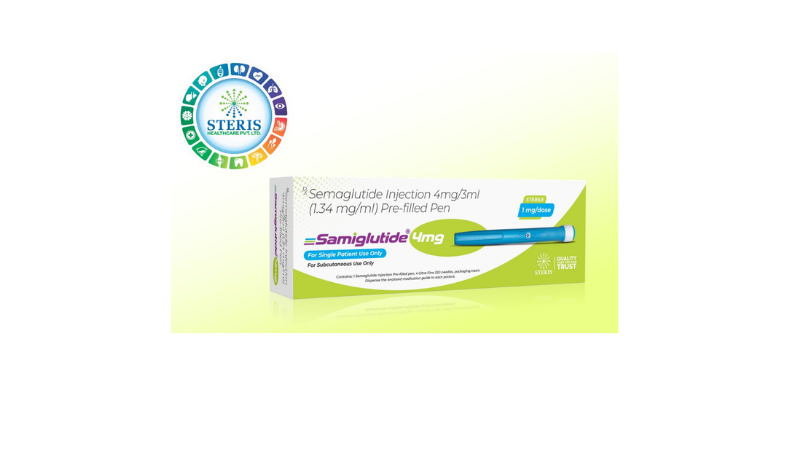
semaglutide 4 mg injection uses in hindi: उपयोग, फायदे, सही खुराक और सावधानियां

semaglutide 8 mg injection uses in hindi: फायदे, साइड इफेक्ट्स और डोज की पूरी जानकारी

Mosapride Citrate Uses in Hindi: उपयोग, सही खुराक, फायदे और साइड इफेक्ट्स
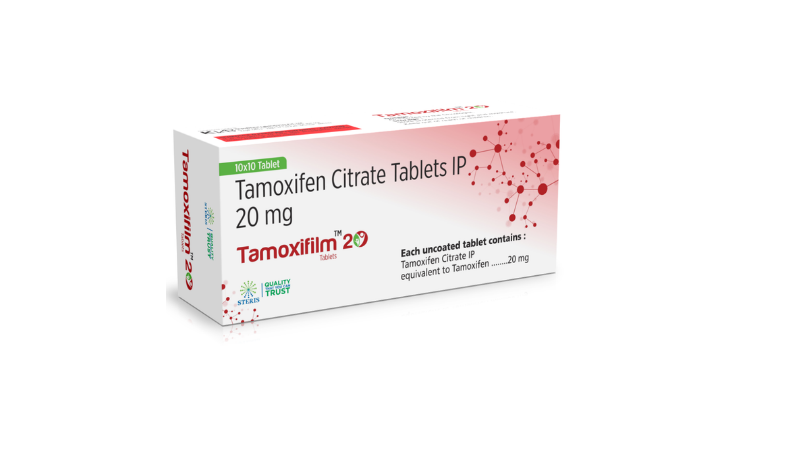
ब्रेस्ट कैंसर से बचाव और इलाज: Tamoxifen 20 mg के मुख्य फायदे और उपयोग

Glimepiride Metformin Tablet Uses in Hindi: टाइप 2 डायबिटीज और हाई ब्लड शुगर का पक्का समाधान

Aripiprazole 10 mg Uses in Hindi: उपयोग, सही खुराक, फायदे और साइड इफेक्ट्स
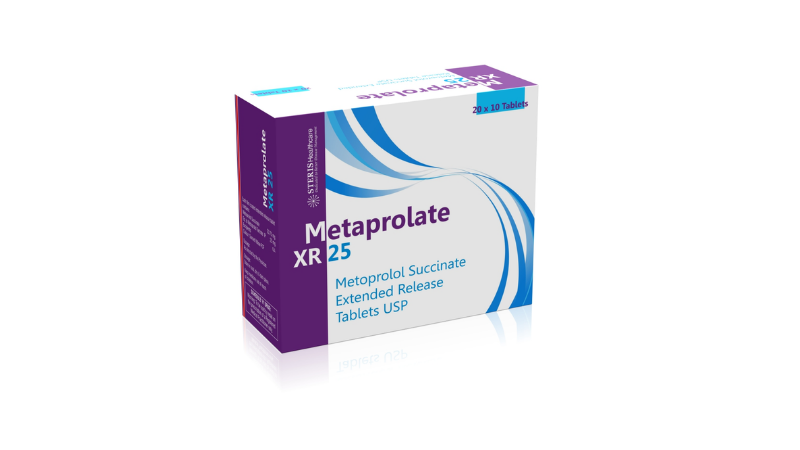
Metoprolol 25 mg Uses in Hindi: उपयोग, सही खुराक, फायदे और नुकसान
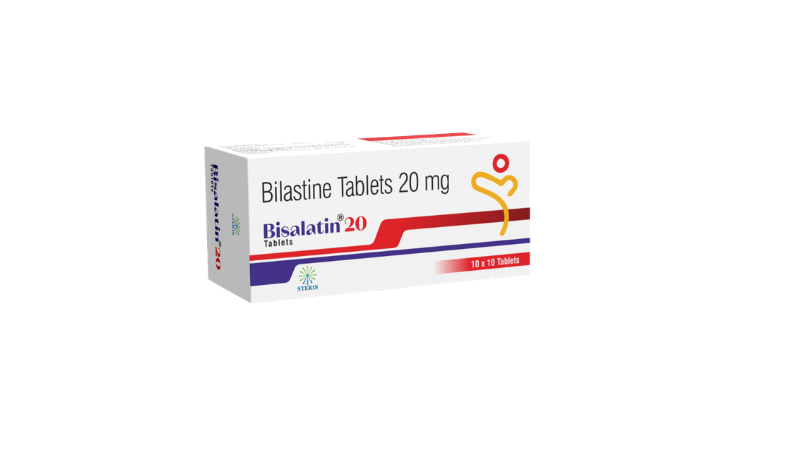
Tab Bilastine 20 mg Uses in Hindi: उपयोग, सही खुराक और सावधानियां