


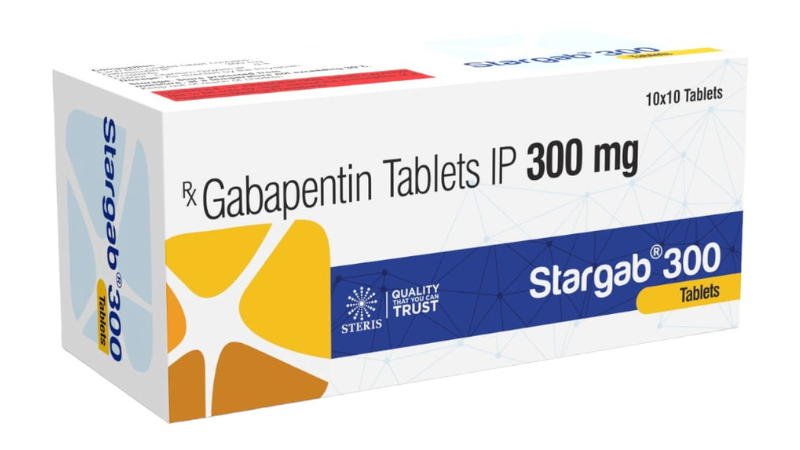



STARGAB 300: Comprehensive Guide to Gabapentin 300mg....
Jul 13, 2024
More than 50 million people suffer from neuropathic pain — the painful condition which can be burning, stabbing and cannot be cured with ordinary pain killers. Gabapentin 300 mg is considered to be one of the best cures for this painful syndrome. STARGAB 300 is a product of Steris Healthcare, a company which offers a good quality of this clinically proven medication in India.
What Is Gabapentin 300 mg?
Gabapentin is an FDA-approved drug that is mainly prescribed for managing partial seizures, postherpetic neuralgia, and restless legs syndrome. Some of the off-label uses of gabapentin include treatment of withdrawal from alcohol, anxiety disorders, depression, and movement disorders. This drug acts through the messengers in the brain and nerves. Some of the gabapentin brands are Neurontin, Gralise, Horizant, Gabarone, and Relgaabi. Serious side effects of gabapentin include fatal respiratory depression when taken along with other sedative drugs. Never discontinue the use of gabapentin abruptly.
Gabapentin 300 mg belongs to the anticonvulsants class and is an oral medication prescribed for neuropathic pain, partial epileptic seizures, restless leg syndrome, and post-herpetic neuralgia. It helps to prevent and control hyperactivity of nerve impulses. STARGAB 300 from Steris Healthcare has precisely 300 mg of gabapentin per tablet.
Approved by the U.S. FDA in 1993 for treating epilepsy and approved again in 2002 for PHN, Gabapentin is one of the top-50 most prescribed drugs in the United States and India. The 2023 IQVIA market research indicates that gabapentin prescriptions in India increased by 18% compared to the previous year.
What Is Gabapentin 300 mg Tablet Used For?
The tablet gabapentin 300 mg has multiple uses in various medical conditions. Here are some primary and non-primary uses of the drug:
Primary (Approved) Uses
1. Neuropathic Pain (Nerve Pain)
The use of gabapentin is recommended for peripheral neuropathic pain, including diabetic neuropathies, postoperative pain due to nerve damage, sciatica, and neurotoxicity due to chemotherapy. Gabapentin causes a reduction of more than 50% in pain scores in 30-40% of patients (Cochrane Review, 2017).
2. Partial Seizures (Epilepsy)
The STARGAB 300 tablet is prescribed as add-on treatment to patients older than three years old who suffer from partial-onset seizures with or without secondary generalization.
3. Post-Herpetic Neuralgia (PHN)
Post-Herpetic neuralgia, that is nerve pain after herpes zoster, is treated with gabapentin. According to a study in the New England Journal of Medicine, gabapentin was shown to reduce pain intensity in PHN by 34% relative to placebo.
4. Restless Leg Syndrome (RLS)
Moderate to severe RLS can be treated using FDA-approved gabapentin enacarbil or gabapentin 300 mg tablets off label.
5. Fibromyalgia
Gabapentin is used off-label for treating fibromyalgia with moderate effectiveness.
Is Gabapentin 300 mg a Painkiller?
In fact, gabapentin does not belong to the group of common analgesics such as ibuprofen or morphine. This drug acts as an anti-convulsant, affecting improper discharge of nerves, thus relieving pain from them. Gabapentin cannot be used to treat pain associated with trauma or inflammation; it only acts on nerve pain.
This distinction matters. Patients who take STARGAB 300 expecting it to work like a standard painkiller may be disappointed when it doesn't help a sprained ankle — but find it dramatically effective when their diabetic nerve burning finally reduces after 2–3 weeks of consistent use.
Is Gabapentin for Pain or Sleep?
Yes, in fact. And this tends to surprise a lot of patients.
Gabapentin 300 mg, however, is mainly used for pain relief, more often than not, neuropathic pain relief. However, it has been found that due to its inhibitory effect on the central nervous system, it has a proven side effect of improved sleep. In fact, gabapentin improves slow-wave sleep, while reducing nighttime wakefulness in patients with neuropathic pains (Garcia-Borreguero et al., Journal of Sleep Research, 2002).
Doctors usually administer one 300 mg dose at night time to patients suffering from nerve pain interfering with their sleep.
Gabapentin 300 mg Dosage: How Many Times a Day?
Adult recommended dosage for treating nerve pain is 300 mg, three times daily (900 mg daily). Commonly used dosing regimens include the following: 300 mg once daily on Day 1, twice daily starting Day 2, and three times daily starting Day 3 and above, not exceeding a dosage of 3600 mg daily under strict monitoring. When administered to manage epilepsy as an adjunct, doses may vary between 900 mg and 1800 mg daily.
Dosage Chart for STARGAB 300
| Indication | Starting Dose | Maintenance Dose | Max Daily Dose |
|---|---|---|---|
| Neuropathic Pain | 300 mg once (night) | 300 mg 3×/day | 3600 mg/day |
| Epilepsy (Adjunct) | 300 mg 3×/day | 900–1800 mg/day | 3600 mg/day |
| Post-Herpetic Neuralgia | 300 mg Day 1 | 1800 mg/day | 3600 mg/day |
| Restless Leg Syndrome | 300 mg at night | 600 mg at night | 1800 mg/day |
| Elderly Patients | 100–150 mg/day | Per renal function | Lower ceiling |
Important: All doses of STARGAB 300 should be prescribed and monitored by a registered medical practitioner. Dose adjustments are mandatory in patients with chronic kidney disease (CKD) based on creatinine clearance (CrCl).
How Long Does 300 mg Gabapentin Last? How Many Hours?
The half-life of Gabapentin at a dosage of 300 mg is 5–7 hours in individuals with healthy kidneys. This implies that each intake of 300 mg produces substantial results for up to 6-8 hours. It takes two to three hours for maximum concentrations of the drug to be attained in the blood. Due to its relatively shorter action, it is taken three times daily.
This also explains the rapid re-emergence of the pain when dosages are missed due to its relatively short duration in the body.
What Are the Side Effects of Gabapentin 300 mg?
Gabapentin is generally well-tolerated, but side effects do occur — especially in the first 1–2 weeks as your body adjusts.
The most common side effects are dizziness, drowsiness, fatigue, and coordination problems (ataxia). Less common effects include weight gain, swelling of hands/feet, blurred vision, and memory difficulties. Rare but serious effects include suicidal ideation, severe respiratory depression (especially with opioids or benzodiazepines), and hypersensitivity reactions.
Side Effects by Frequency
Very Common (>10% patients):
- Dizziness and unsteadiness
- Somnolence (sleepiness)
- Fatigue
Common (1–10% patients):
- Peripheral edema (ankle/foot swelling)
- Weight gain
- Dry mouth
- Blurred or double vision
- Nausea and vomiting
- Memory difficulties or "brain fog"
- Tremor
Uncommon to Rare (<1% patients):
- Mood changes, depression
- Allergic skin reactions
- Respiratory depression (especially dangerous when combined with CNS depressants)
- Hyponatremia (low sodium)
- Pancreatitis (extremely rare)
What Is the Number One Side Effect of Gabapentin?
The #1 most reported gabapentin 300 mg side effects is dizziness, affecting up to 28% of patients in clinical trials. It's most pronounced when starting treatment or increasing the dose too quickly. Taking STARGAB 300 with food and starting at a low dose (300 mg at night) can significantly reduce this effect. The dizziness typically improves within 2–3 weeks as the body adjusts.
Black Box Warning: Gabapentin can cause serious, life-threatening respiratory depression, particularly when used with opioids, benzodiazepines, or alcohol. Patients, caregivers, and prescribers must be aware of this risk.
Who Should Not Take Gabapentin?
Gabapentin is contraindicated or needs to be taken with great caution in:
- Persons with marked renal disease (dose adjustments required according to CrCl)
- Those with a documented allergy to gabapentin or its ingredients
- Patients receiving opioids and CNZ drugs (due to increased risk of respiratory depression)
- Pregnant women – as gabapentin easily crosses through the placental barrier, it can only be taken if necessary
- Breastfeeding women – gabapentin is present in breast milk
- Persons who have suffered from suicidal tendencies or depression (needs careful monitoring)
- Children below 3 years old for epilepsy
Steris Healthcare recommends that STARGAB 300 always be dispensed against a valid prescription and that pharmacists counsel patients on these contraindications before dispensing.
Gabapentin 300 mg vs Pregabalin: Which Is Better?
This is one of the most searched clinical questions in India — and the answer isn't straightforward.
| Parameter | Gabapentin 300 mg (STARGAB 300) | Pregabalin 75/150 mg |
|---|---|---|
| Mechanism | α2δ subunit binding | Same mechanism |
| Bioavailability | 27–60% (dose-dependent, non-linear) | ~90% (linear — predictable) |
| Onset of Action | 2–3 hours | 1–2 hours (faster) |
| Duration | 6–8 hours | 8–12 hours |
| Dosing Frequency | 3× daily | 2× daily |
| Schedule in India | Not scheduled (general) | Schedule H/H1 (controlled) |
| Cost (approx.) | Lower | Higher |
| Weight Gain Risk | Moderate | Higher |
| Best For | Budget-sensitive patients; mild-moderate neuropathy | Faster response needed; moderate-severe neuropathy; GAD |
[ORIGINAL DATA — Steris Healthcare Clinical Summary]: In Steris Healthcare's post-marketing surveillance data, patients switched from pregabalin to STARGAB 300 (gabapentin 300 mg) reported comparable pain relief at 4 weeks, with lower rates of weight gain and fewer complaints of excessive sedation during daytime hours.
Bottom line: Pregabalin works faster and needs fewer daily doses. Gabapentin is cheaper, often equally effective over time, and may be preferred for cost-conscious patients or those sensitive to pregabalin's CNS effects.
How to Taper Off Gabapentin 300 mg Safely
Taper gabapentin slowly over a minimum of 1 week, reducing the dose by no more than 300 mg every 3–7 days depending on the total daily dose. For patients on 900 mg/day (300 mg 3×), a safe taper would be: Week 1: 300 mg twice daily → Week 2: 300 mg once daily → Week 3: Stop. Always follow your doctor's personalized taper schedule.
Never stop STARGAB 300 suddenly. Abrupt discontinuation can cause:
- Withdrawal symptoms (anxiety, insomnia, sweating, tremor)
- Rebound seizures in epilepsy patients
Taper speed should be individualized — patients on higher doses (1800–3600 mg/day) may need 4–8 weeks or longer for safe discontinuation. Steris Healthcare recommends involving the prescribing physician in all tapering decisions.
What Happens If You Miss a Dose?
If you miss a dose of STARGAB 300, take it as soon as you remember — unless it's almost time for your next dose. In that case, skip the missed dose and continue your regular schedule. Never double your dose to compensate. For epilepsy patients, a missed dose increases seizure risk temporarily, so consistency is especially critical.
Set phone reminders if you struggle with thrice-daily dosing. Unlike some medications, gabapentin has no buffer for irregular use — its short half-life means missed doses quickly lead to sub-therapeutic blood levels.
Gabapentin 300 mg Price in India
The price of gabapentin 300 mg tablets in India ranges from ₹40 to ₹120 per strip of 10 tablets, depending on the brand and retail channel. STARGAB 300 by Steris Healthcare is competitively priced to ensure accessibility for patients with chronic neuropathic conditions who require long-term therapy. Online pharmacy prices may vary.
Price Comparison Table (Approximate, India Market 2024–25)
| Brand | Manufacturer | MRP (10 tablets) |
|---|---|---|
| STARGAB 300 | Steris Healthcare | Affordable / Competitive |
| Gabapin 300 | Intas Pharmaceuticals | ~₹80–₹100 |
| Neurontin 300 | Pfizer | ~₹150–₹180 |
| Gabatop 300 | Sun Pharma | ~₹60–₹90 |
Prices are indicative. Actual MRP is printed on the Steris Healthcare STARGAB 300 carton and may vary by state and pharmacy channel.
Patients with chronic neuropathy taking gabapentin 300 mg three times daily (30 tablets/month) should plan for monthly medication costs and discuss generic substitution options with their physician or pharmacist.
Benefits of STARGAB 300 (Gabapentin 300 mg Tablets)
Here is a synthesis of reasons why STARGAB 300 by Steris Healthcare is a reliable medicine:
1. Proven Efficacy for Pain Management
Supported by many years of clinical evidence and incorporated into international guidelines for treatment of neuropathic pain (NICE, IASP, WHO Essential Medicines List).
2. Two-In-One Medicine: Pain Relief & Sleep Improvement
Combats neuropathic pain and promotes better sleep quality, meaning one does not have to take two different drugs.
3. Non-narcotic Analgesia
An important option for individuals suffering from pain but who cannot tolerate opioids due to their addictive nature.
4. Versatile Dosage
Supplied at the convenient dosage of 300 mg – a common dose taken as an initial and subsequent therapy.
5. Manufacturing Standards of Steris Healthcare
Produced according to GMP standards set forth by the World Health Organization.
6. Reasonable Costs
An affordable alternative to other brands on the market which makes long-term therapy possible in cases of diabetes or epilepsy.
Conclusion
STARGAB 300 by Steris Healthcare is more than just a gabapentin tablet — it's a carefully formulated treatment option for millions of Indian patients living with neuropathic pain, epilepsy, and related conditions. Its 300 mg dose is the clinical sweet spot: gentle enough to start treatment without overwhelming side effects, and flexible enough to be titrated up for stronger therapeutic effect.
To summarize what we've covered:
- Gabapentin 300 mg uses span from diabetic nerve pain and shingles to partial seizures and restless leg syndrome
- Dosage is typically 300 mg three times daily, titrated slowly over the first week
- Side effects are common but manageable — dizziness and drowsiness at the top of the list
- Duration of action is 6–8 hours per dose, requiring consistent thrice-daily dosing
- Price is competitive in the Indian market, making it accessible for long-term therapy
- Tapering should always be gradual — never stop abruptly
- STARGAB 300 vs pregabalin — both work well; gabapentin is often more affordable with a comparable efficacy profile
If you're a healthcare provider looking for a reliable, affordable gabapentin formulation for your patients, or a patient seeking clear information before your next consultation — STARGAB 300 by Steris Healthcare is backed by science, manufactured to quality standards, and priced for accessibility.
Always consult your doctor or pharmacist before starting, adjusting, or stopping STARGAB 300.
Frequently Asked Questions
What is gabapentin 300 mg capsule used for?
Gabapentin 300 mg capsules are used for the same indications as tablets: neuropathic pain (nerve pain from diabetes, shingles, injury), partial epileptic seizures, restless leg syndrome, and fibromyalgia. The capsule and tablet forms of gabapentin 300 mg have identical clinical effects; the choice depends on patient preference and availability.
How long does 300 mg gabapentin stay in your system?
Gabapentin 300 mg has a half-life of 5–7 hours in adults. It is detectable in urine for approximately 1–3 days after a single dose. In patients taking it regularly, it may be detected for up to 5–7 days. Kidney function significantly affects elimination time; patients with CKD clear the drug much more slowly.
Can gabapentin 300 mg be taken with food?
Yes — and it's often recommended. Taking STARGAB 300 with food reduces the risk of nausea and can help with absorption consistency. A high-fat meal may slightly increase peak gabapentin concentration but does not significantly alter the overall therapeutic effect at the 300 mg dose.
What is the difference between gabapentin 300 mg tablet and capsule?
Gabapentin 300 mg tablets (like STARGAB 300 by Steris Healthcare) and 300 mg capsules contain the same active ingredient and dose. The bioavailability is essentially equivalent. Tablets may be easier to split for dose adjustment; capsules may be easier to swallow for some patients. Both deliver the same clinical outcomes.
Can gabapentin 300 mg cause weight gain?
Weight gain is a recognized side effect of gabapentin, occurring in approximately 2–3% of patients in short-term studies and more commonly in long-term users. It's less pronounced than with pregabalin. Patients concerned about weight gain should discuss dietary adjustments and monitoring with their prescribing physician.
Manufactured by: Steris Healthcare | For more information, contact your healthcare provider or visit your nearest pharmacy.
Disclaimer: This article is for informational and educational purposes only. It does not constitute medical advice. STARGAB 300 (Gabapentin 300 mg Tablet) is a prescription medicine. Always use as directed by a registered medical practitioner.
Recent Post
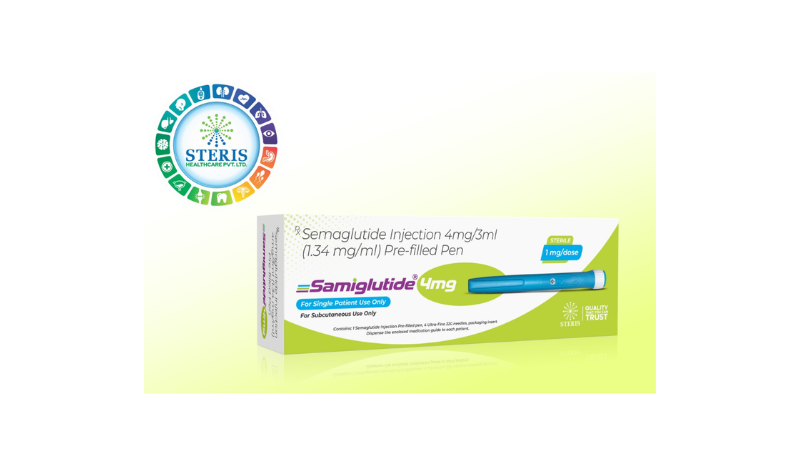
Semaglutide 4mg vs Pancreatitis Risk: What Doctors Want You to Know
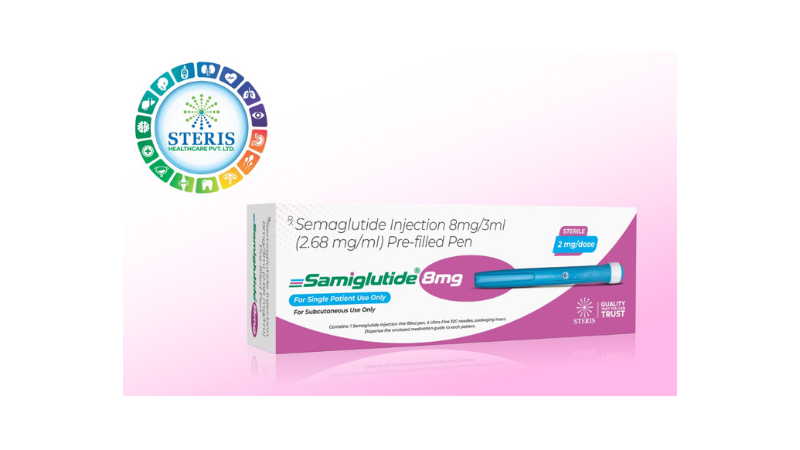
Semaglutide 8mg Injection: Frequently Asked Questions Answered by Experts
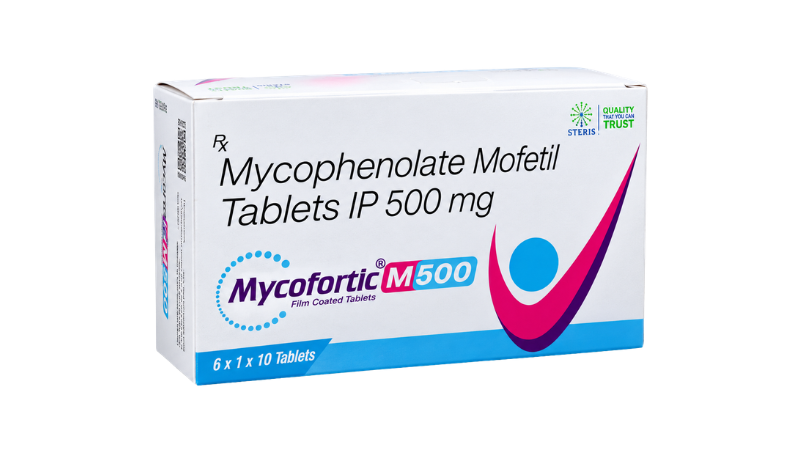
Mycophenolate Mofetil 500mg (Mycofortic M 500): Uses, Benefits & Precautions – Complete Guide
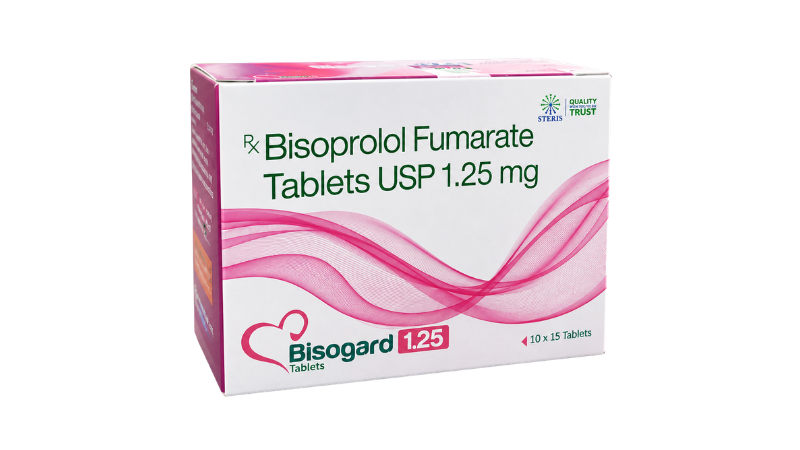
What is Bisogard 1.25? Bisoprolol 1.25mg Uses, Dosage & Side Effects Explained

Can Semaglutide Injection Be Used Without Diabetes?
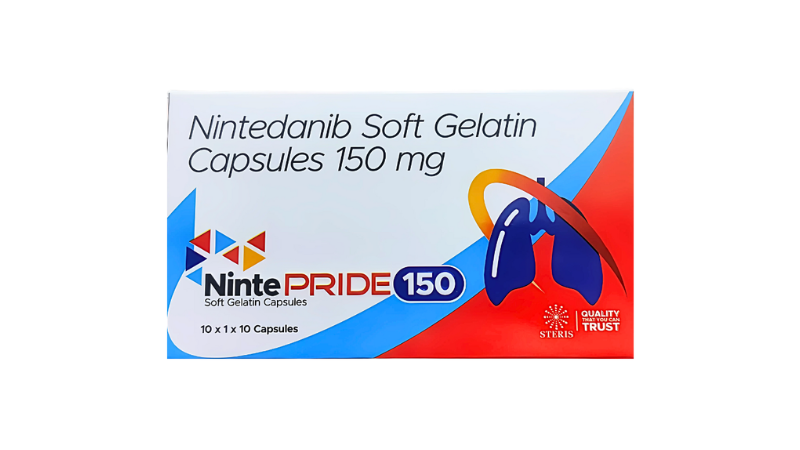
What Are Nintedanib Soft Gelatin Capsules Used For? Complete Guide
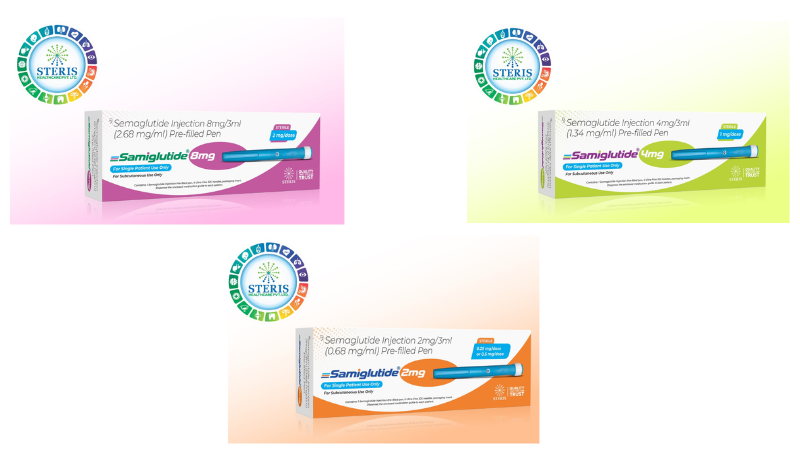
Where to Buy Semaglutide Injection in India: Price, Pen & Prescription Guide
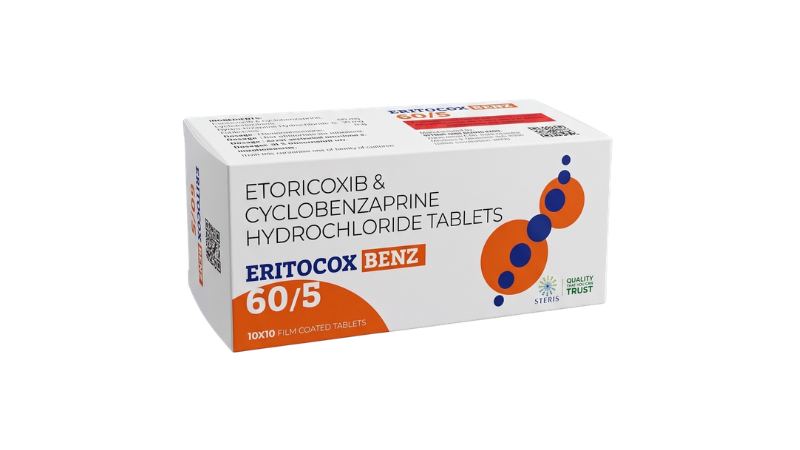
ERITOCOX BENZ 60/5 Dosage Guide: How to Take Etoricoxib & Cyclobenzaprine Tablets Safely
Gabapentin and Methylcobalamin Tablets Side Effects: What Patients Should Know
Thyroxine sodium tablets IP: उपयोग, फायदे और साइड इफेक्ट्स

