


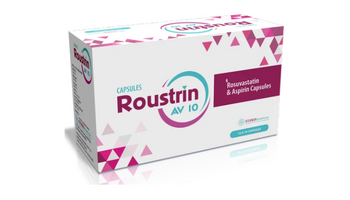



Roustrin Rosuvastatin Aspirin Capsule
Nov 17, 2022
What Are Rosuvastatin and Aspirin Capsules Used For?
The primary use of rosuvastatin and aspirin capsules is cardiovascular risk reduction in appropriate patients, particularly when a clinician determines that both cholesterol lowering and antiplatelet therapy are indicated.
1. Lowering LDL cholesterol
Rosuvastatin belongs to the statin class of medicines. It reduces cholesterol production in the liver and helps lower LDL cholesterol. Statins are an important component of cardiovascular risk management and may also reduce the risk of major cardiovascular events in appropriate patients.
2. Helping prevent blood-clot-related cardiovascular events
Aspirin inhibits platelet aggregation. In people for whom aspirin is medically indicated, this antiplatelet effect can reduce the formation of blood clots that may contribute to heart attack or ischemic stroke. The American Heart Association notes that aspirin is commonly included in treatment plans for people with a previous heart attack or stroke, but daily aspirin should not be taken without discussing the risks and benefits with a healthcare professional.
3. Supporting secondary prevention
The combination may be considered in patients with established atherosclerotic cardiovascular disease when both components are appropriate. For example, cardiovascular prevention after events such as myocardial infarction or certain ischemic vascular conditions commonly involves lipid-lowering treatment and antiplatelet therapy as clinically indicated. The exact regimen depends on the patient's diagnosis, bleeding risk, cholesterol levels, other medicines, and medical history.
Key Benefits of Rosuvastatin and Aspirin Capsules
The main potential benefit of this combination is that it targets two different mechanisms involved in cardiovascular disease.
Rosuvastatin may:
- Reduce LDL cholesterol.
- Lower triglyceride levels in appropriate patients.
- Help reduce cardiovascular risk when prescribed as part of evidence-based lipid management.
- Contribute to long-term prevention of atherosclerotic cardiovascular events.
Aspirin may:
- Reduce platelet aggregation.
- Help prevent formation of certain blood clots.
- Support secondary prevention in appropriately selected patients with cardiovascular or cerebrovascular disease.
This combination can therefore be convenient for a patient who has a clinical indication for both medicines. However, taking a combination capsule does not automatically provide a greater benefit than separate medicines for every patient. The appropriate dose and whether both ingredients are needed should be determined by the prescriber.
The 2026 ACC/AHA/related dyslipidemia guidance is among the recent cardiovascular guideline updates, reinforcing the importance of evidence-based lipid management rather than treating cholesterol numbers in isolation.
How Do Rosuvastatin and Aspirin Capsules Work?
The two ingredients work differently.
Rosuvastatin inhibits HMG-CoA reductase, an enzyme involved in cholesterol production. This reduces LDL cholesterol and helps manage atherosclerotic cardiovascular risk.
Aspirin affects platelets by inhibiting cyclooxygenase-mediated thromboxane production. As a result, platelets are less likely to stick together and form clots.
In simple terms, rosuvastatin primarily addresses cholesterol and atherosclerotic risk, while aspirin primarily addresses platelet-related clot formation.
How to Take Rosuvastatin and Aspirin Capsules
Take the medicine exactly as prescribed. Combination products can have different strengths, including formulations containing rosuvastatin 10 mg or 20 mg with aspirin 75 mg, so patients should check the strength on their prescription and medicine pack rather than assuming all products are interchangeable. Current Indian product listings show several different brands and strengths.
Many product instructions recommend taking the capsule with or after food to reduce stomach discomfort. Swallow it as directed and try to take it at the same time each day.
Do not stop aspirin or the combination on your own, particularly if it was prescribed after a heart attack, stroke, coronary procedure, or another cardiovascular event. Sudden changes in antiplatelet treatment can have serious consequences in some patients.
If you miss a dose, follow your product's prescribing instructions or ask your pharmacist or doctor. Do not routinely double the next dose unless specifically instructed.
Common Side Effects
Possible side effects can come from either rosuvastatin or aspirin. Reported effects with marketed rosuvastatin-aspirin combinations include:
- Nausea
- Abdominal discomfort or pain
- Headache
- Constipation
- Weakness
- Muscle pain
These effects are not experienced by everyone, and some may improve as the body adjusts to treatment.
Rosuvastatin-containing medicines can also cause muscle-related problems and, rarely, serious muscle injury. FDA information advises patients to report unexplained muscle pain, tenderness, or weakness. Statins can also cause liver problems, which is why healthcare professionals may monitor liver-related tests when clinically appropriate.
Because aspirin affects blood clotting, bleeding is an important safety consideration. Seek prompt medical attention for unusual or persistent bleeding, black/tarry stools, vomiting blood, coughing blood, or other signs of significant bleeding.
Who Should Be Careful With This Medicine?
Tell your doctor before using rosuvastatin and aspirin capsules if you have:
- A history of stomach ulcers or gastrointestinal bleeding
- A bleeding disorder
- Liver disease
- Kidney disease
- Previous unexplained muscle problems
- Aspirin or other NSAID allergy
- Asthma that worsens with aspirin or NSAIDs
- Diabetes or thyroid disease
- A history of hemorrhagic stroke
- Other cardiovascular or cerebrovascular conditions
Also provide a complete list of prescription medicines, OTC medicines, vitamins, and supplements. FDA guidance specifically recommends discussing other medicines and relevant medical conditions before starting cholesterol-lowering therapy.
Pregnancy and breastfeeding
Rosuvastatin requires particular attention during pregnancy. FDA guidance advises that most patients should stop statin treatment after becoming pregnant, while very high-risk situations may require individualized medical assessment. Anyone who is pregnant, planning pregnancy, or breastfeeding should discuss treatment with a healthcare professional before taking or continuing a rosuvastatin-containing medicine.
Rosuvastatin and Aspirin: Important Buyer-Intent Information
The exact strength and formulation matter. Current Indian listings show multiple brands containing rosuvastatin + aspirin, including 10 mg/75 mg and 20 mg/75 mg combinations, with prices varying by brand, pack size, pharmacy, location, and promotional offer. For example, recent listings show different prices for several products, but these commercial prices can change and should not be treated as a fixed national price.
A pharmacist can help confirm whether a proposed substitute has the same active ingredients, strengths, dosage form, and release characteristics. Do not switch from one cardiovascular medicine to another solely because the package looks similar or the price is lower.
Is Aspirin Appropriate for Everyone With High Cholesterol?
No. This is one of the most important points for people searching for rosuvastatin and aspirin capsules.
High cholesterol can be an indication for statin treatment depending on overall cardiovascular risk, but that does not automatically mean aspirin is appropriate. The AHA states that daily low-dose aspirin should not be taken without professional advice, and aspirin is used particularly when the expected cardiovascular benefit outweighs bleeding risk.
For primary prevention, aspirin is used much more selectively because bleeding can offset cardiovascular benefits. The ACC/AHA guidance specifically cautions against routine aspirin use in people at increased bleeding risk.
Conclusion
Rosuvastatin and aspirin capsules combine a cholesterol-lowering statin with an antiplatelet medicine. Their principal potential benefit is to address two cardiovascular risk pathways: rosuvastatin lowers LDL cholesterol, while aspirin reduces platelet aggregation and clot formation. They may be particularly relevant to selected patients requiring secondary cardiovascular prevention or another clinician-determined indication.
However, this is a prescription cardiovascular medicine, not a general health supplement. The correct strength, duration, and need for aspirin depend on your cardiovascular history, cholesterol profile, bleeding risk, kidney and liver health, and other medicines. Common adverse effects can include nausea, abdominal discomfort, headache, constipation, weakness, and muscle pain, while important but less common risks include significant bleeding, liver problems, and serious muscle injury.
Frequently Asked Questions About Rosuvastatin and Aspirin Capsules
1. What are rosuvastatin and aspirin capsules used for?
Rosuvastatin and aspirin capsules are used in selected patients to reduce cardiovascular risk. Rosuvastatin lowers LDL cholesterol, while aspirin reduces platelet aggregation and can help prevent certain blood-clot-related cardiovascular events. The combination should be used only when both medicines are appropriate for the individual patient.
2. What are the main benefits of rosuvastatin and aspirin capsules?
The main benefit is the combination of LDL cholesterol reduction and antiplatelet protection. Rosuvastatin addresses cholesterol-related atherosclerotic risk, while aspirin helps reduce platelet-driven clot formation when aspirin therapy is medically indicated.
3. What are the side effects of rosuvastatin and aspirin capsules?
Commonly reported effects include nausea, headache, abdominal discomfort, constipation, weakness, and muscle pain. Aspirin can increase bleeding risk, while rosuvastatin can rarely cause serious muscle or liver problems. Contact a healthcare professional if symptoms are severe, persistent, or unusual.
4. Can I take rosuvastatin and aspirin capsules every day?
Some patients are prescribed this combination for daily long-term cardiovascular prevention, but the frequency and duration must be determined by a healthcare professional. Do not start, stop, or change daily aspirin therapy without medical advice because the benefit-to-bleeding-risk balance varies between patients.
5. Can rosuvastatin and aspirin capsules prevent a heart attack?
They can contribute to cardiovascular risk reduction when prescribed appropriately. Rosuvastatin reduces LDL cholesterol, while aspirin can reduce clot formation in patients for whom antiplatelet therapy is indicated. They do not guarantee prevention of a heart attack and should be combined with appropriate management of blood pressure, diabetes, smoking, diet, exercise, and other cardiovascular risk factors.
6. Can I take aspirin with rosuvastatin without a doctor's prescription?
You should not self-start the combination. Rosuvastatin is a prescription statin, and aspirin is not appropriate for everyone because it can cause serious bleeding. A healthcare professional should determine whether the combination and its specific strength are appropriate for you.
7. What should I do if rosuvastatin causes muscle pain?
Do not ignore unexplained or severe muscle pain, tenderness, or weakness. Contact your healthcare professional, particularly if symptoms are persistent or accompanied by unusual weakness or other concerning symptoms. FDA information identifies muscle problems as an important statin safety consideration.
8. Is rosuvastatin and aspirin safe during pregnancy?
Rosuvastatin-containing treatment requires medical review during pregnancy. FDA advises that most patients should discontinue statins after learning they are pregnant, although treatment decisions for people at exceptionally high cardiovascular risk may be individualized. If you are pregnant or planning pregnancy, speak with your doctor before taking this medicine.
9. Can I buy a cheaper brand of rosuvastatin and aspirin capsules?
A lower-cost alternative may be available, but do not substitute products based only on price. Verify that the alternative contains the same active ingredients and exact strengths prescribed by your doctor. Indian pharmacy listings currently show multiple brands and different prices for rosuvastatin-aspirin combinations.
10. Should I take rosuvastatin and aspirin capsules for high cholesterol alone?
Not necessarily. High cholesterol may require statin therapy, but aspirin is a separate decision based on cardiovascular history and bleeding risk. Routine aspirin for primary prevention is not appropriate for everyone. Your clinician should determine whether the combined treatment provides a net benefit for you.
11. Does rosuvastatin contain aspirin?
No. Rosuvastatin does not contain aspirin; they are separate medicines with different purposes and active ingredients.
Recent Post
Itopride Hydrochloride Uses: What It Treats and How It Works
Glimepiride 0.5 mg + Voglibose 0.2 mg + Metformin SR 500 mg | Steris Healthcare
Trimetazidine Hydrochloride Modified Release Tablets 35 mg Uses, Benefits
EUROSOFT MOSQUITO SHIELD
Olmesartan and Metoprolol: Uses, Benefits, Dosage & Side Effects | Steris Healthcare
Tofacitinib 11 mg Tablets: A Complete Guide to Uses and Side Effects
Olmesartan Medoxomil + Metoprolol Succinate: Uses, Dosage
Torsemide 100 mg: Uses, Dosage, Side Effects, and Precautions
How Streptococcus Thermophilus Supports Digestive Health
Olmesartan Medoxomil + Metoprolol Succinate: Uses, Benefits & Side Effects