


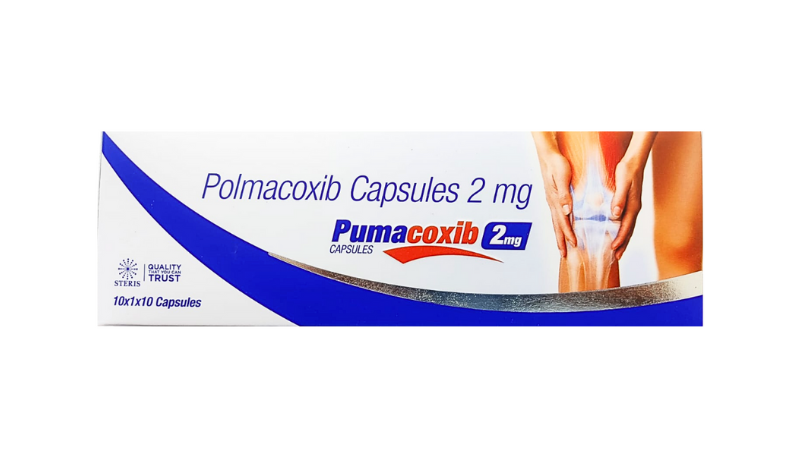



Polmacoxib Capsules 2mg Uses , Benefits, Dosage & Side Effects | Complete GuideCapsules 2mg Uses , Benefits, Dosage & Side Effects | Complete Guide
Jun 25, 2025
Polmacoxib 2 mg capsules contain a selective COX-2 inhibitor NSAID used to relieve pain, swelling, and stiffness Classed as a novel, tissue-selective nonsteroidal anti-inflammatory drug (NSAID), Polmacoxib is primarily prescribed for individuals managing chronic joint degradation, joint stiffness, and painful musculoskeletal conditions like osteoarthritis and rheumatoid arthritis.
Medical Overview & How Polmacoxib Works
To understand the clinical value of Polmacoxib 2mg, it is essential to look at how it interacts with the human body on a molecular level.
                     +---------------------------------------+
                     |    Polmacoxib Capsule 2mg Ingestion   |
                     +---------------------------------------+
                                         |
                       +-----------------+-----------------+
                       |                                   |
                       v                                   v
        +----------------------------+       +----------------------------+
        | Selective COX-2 Inhibition |       | Carbonic Anhydrase Binding |
        +----------------------------+       +----------------------------+
                       |                                   |
                       v                                   v
        | Blocks inflammatory PG     |       | Concentrates active drug   |
        | synthesis (pain & swelling)|       | in erythrocyte-rich joints |
        +----------------------------+       +----------------------------+
                       |                                   |
                       +-----------------+-----------------+
                                         |
                                         v
                     +---------------------------------------+
                     | Reduced Joint Pain & Superior GI Ease |
                     +---------------------------------------+
Dual-Action Mechanism
-
Targeted COX-2 Inhibition: Cyclooxygenase-2 (COX-2) is the enzyme triggered during tissue injury and joint degradation that creates inflammatory prostaglandins. Polmacoxib selectively shuts down COX-2 while sparing COX-1 (the protective enzyme maintaining the stomach lining and blood platelet function).
-
Carbonic Anhydrase (CA-I/II) Binding: Uniquely, Polmacoxib binds to carbonic anhydrase enzymes found in red blood cells. This acts as a transport system, carrying the active drug directly to inflamed, circulatory-dense joint tissues while keeping systemic blood plasma concentrations low.
Primary Uses of Polmacoxib Capsules 2mg
Polmacoxib 2mg capsules are prescribed for several painful inflammatory disorders:
-
Osteoarthritis (OA) Management: Relieves chronic joint pain, stiffness, and structural inflammation in major load-bearing joints like the knees and hips.
-
Rheumatoid Arthritis (RA): Alleviates autoimmune joint flare-ups, joint redness, and morning stiffness.
-
Musculoskeletal Pain & Soft Tissue Sprains: Short-term relief for acute soft-tissue injuries, ligament strain, and post-traumatic muscle inflammation.
-
Post-Surgical Inflammatory Recovery: Prescribed under strict orthopaedic monitoring to control postoperative pain following bone or joint procedures.
Core Clinical Benefits
| Benefit Category | Clinical Impact | Why It Matters for Patients |
| Gastrointestinal Protection | Spares COX-1 gastric mucosal protection. | Lower incidence of heartburn, stomach ulcers, and gastric bleeding than older NSAIDs. |
| Targeted Joint Delivery | Transported via Carbonic Anhydrase binding. | Concentrates power directly where joint inflammation occurs. |
| Once-Daily Dosing Adherence | Half-life of 10 to 12 hours. | Convenient 2mg daily regimen without requiring frequent dosing schedules. |
| Enhanced Mobility | Fast-acting reduction in joint friction and pain. | Restores morning mobility, walking distance, and daily physical performance. |
Potential Side Effects & Risk Factors
While Polmacoxib offers enhanced GI tolerability over traditional non-selective NSAIDs, potential side effects can still occur.
Common Side Effects
-
Mild indigestion, upper abdominal discomfort, or nausea
-
Occasional headache or mild lightheadedness/dizziness
-
Mild fluid retention or peripheral swelling in feet/lower legs
-
Mild constipation or transient loose stools
Serious Side Effects (Seek Medical Care Immediately)
-
Severe abdominal pain, black tarry stools, or coffee-ground vomiting
-
Sudden shortness of breath, unexplained chest tightness, or facial edema
-
Marked reduction in urination volume or noticeable yellowing of eyes/skin (jaundice)
Frequently Asked Questions
1. Is Polmacoxib a strong painkiller?
Yes, Polmacoxib 2mg is a potent, prescription-grade anti-inflammatory pain reliever. It is significantly stronger than standard over-the-counter analgesics like acetaminophen or low-dose ibuprofen for joint pain because it targets COX-2 driven inflammation directly inside joint tissues.
2. What are the common side effects of Polmacoxib?
The most frequent side effects are mild and include nausea, dyspepsia (upset stomach), headache, dizziness, abdominal discomfort, and minor fluid retention around the ankles.
3. What is Polmacoxib used for in capsules?
Polmacoxib capsules are primarily used to relieve joint pain, reduce swelling, and lower stiffness in patients suffering from knee or hip osteoarthritis, rheumatoid arthritis, acute musculoskeletal injuries, and postoperative joint discomfort.
4. Is Polmacoxib safe in kidney disease?
No. Polmacoxib, like all COX-2 inhibitors and traditional NSAIDs, is generally contraindicated in patients with severe renal impairment or underlying stage 3–5 chronic kidney disease (CKD) because it can reduce renal blood flow.
5. How long can Polmacoxib be taken?
The treatment duration depends on individual physician assessment. For acute flare-ups, short courses (1 to 3 weeks) are common. For chronic conditions like osteoarthritis, it may be prescribed for longer periods under strict periodic monitoring of blood pressure, kidney parameters, and liver function.
6. What is the safest anti-inflammatory for kidneys?
No synthetic NSAID or COX-2 inhibitor is entirely safe for compromised kidneys. For mild anti-inflammatory needs in kidney patients, topical NSAID gels (like topical Voltaren/diclofenac) carry much lower systemic absorption. For systemic pain relief, physicians usually recommend non-NSAID options like acetaminophen (paracetamol) or short-term, low-dose opioids under strict medical supervision.
7. What is the best morning drink for kidneys?
Plain room-temperature water is the single best drink for kidney health because it flushes out metabolic toxins and prevents kidney stones without adding solute loads. Water infused with fresh lemon juice (which provides natural citrate to inhibit stone formation) is another excellent morning choice.
8. How does Polmacoxib differ from Celecoxib?
While both selectively inhibit COX-2, Polmacoxib features a unique binding mechanism with carbonic anhydrase enzymes in blood cells. This allows Polmacoxib to concentrate more selectively in inflamed joint cartilage, allowing a lower overall systemic dose (2mg) compared to Celecoxib (100mg–200mg).
9. Can I take Polmacoxib 2mg on an empty stomach?
It is highly recommended to take Polmacoxib after a meal or heavy snack. Taking it with food buffers the gastric mucosa and minimizes potential upper digestive discomfort.
10. Can I combine Polmacoxib with Aspirin or Ibuprofen?
No. Taking Polmacoxib alongside other NSAIDs or aspirin significantly elevates the risk of severe gastrointestinal ulceration, internal bleeding, and kidney toxicity.
11. Does Polmacoxib increase blood pressure?
COX-2 inhibitors can cause mild sodium and fluid retention, which may elevate blood pressure in hypertensive individuals. Regular blood pressure checks are recommended during long-term therapy.
12. Is Polmacoxib safe during pregnancy or breastfeeding?
No. Polmacoxib is contraindicated during pregnancy—especially in the third trimester—because it can cause premature closure of the fetal ductus arteriosus and kidney complications. Nursing mothers should also avoid it.
13. What should I do if I miss a dose of Polmacoxib 2mg?
Take the missed dose as soon as you remember on that day. However, if it is close to the time for your next scheduled dose, skip the missed capsule. Never double up on capsules to make up for a missed dose.
14. Does Polmacoxib cause drowsiness?
Drowsiness is not a typical side effect, but lightheadedness or mild dizziness can occur in some individuals. Exercise caution when driving or operating machinery until you know how your body responds to the medication.
15. Can people with stomach ulcers take Polmacoxib?
Patients with active peptic ulcer disease or a recent history of severe GI bleeding should avoid Polmacoxib unless explicitly instructed and monitored by their gastroenterologist.
Polmacoxib capsules 2mg provide an effective solution for managing chronic inflammatory pain and joint breakdown. By balancing selective COX-2 inhibition with targeted tissue delivery, it delivers joint relief while reducing the severe stomach risks associated with older pain relievers. Patients should always consult a licensed healthcare professional to confirm suitability, manage potential kidney or cardiovascular risks, and establish a safe dosing schedule
For Further More Information:
Mail Us: contact@sterispharma.com or info@sterispharma.com
Call Now: +918824175417, +919982524671
Recent Post
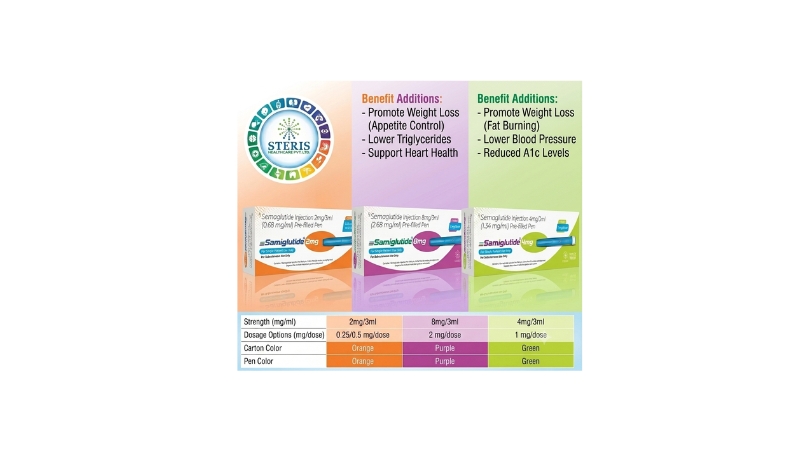
Semaglutide Injection in Hindi: Uses, Dosage, Side Effects और Price
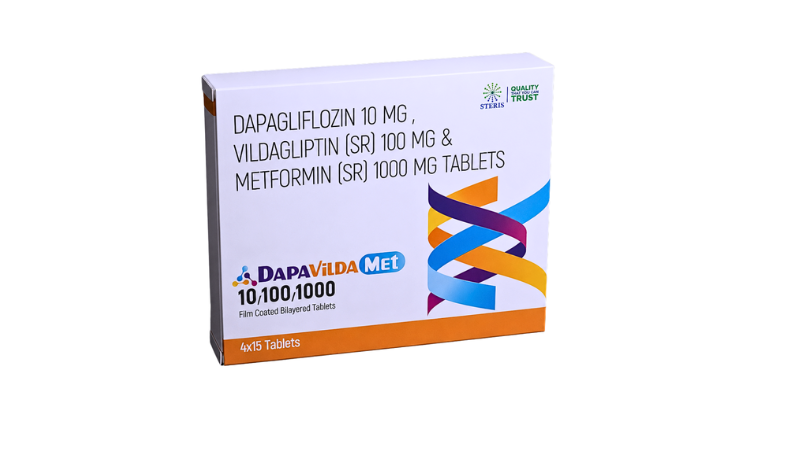
Dapagliflozin, Vildagliptin & Metformin 1000mg की पूरी जानकारी
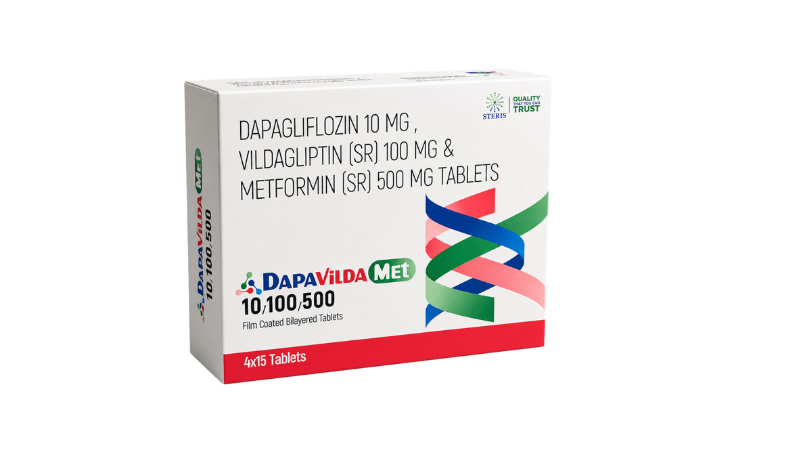
Dapagliflozin 10mg + Vildagliptin 100mg + Metformin 500mg: ट्रिपल-एक्शन दवा कैसे करती है शुगर कंट्रोल?
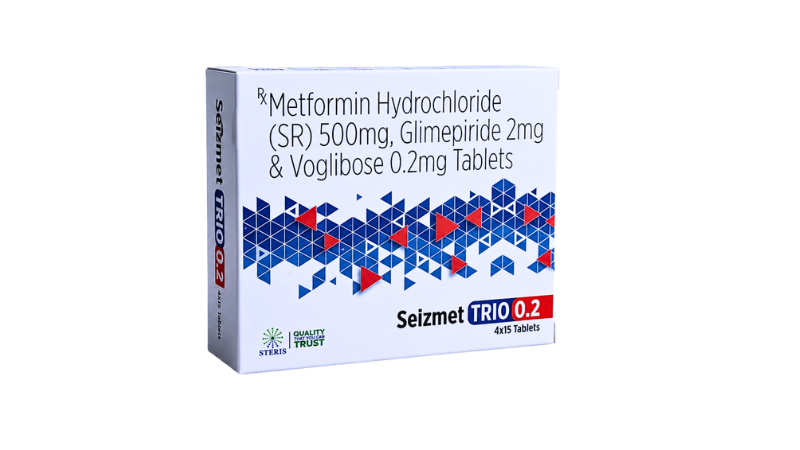
Glimepiride 2mg, Metformin 500mg और Voglibose 0.2mg दवा कब और कैसे लें? पूरी जानकारी
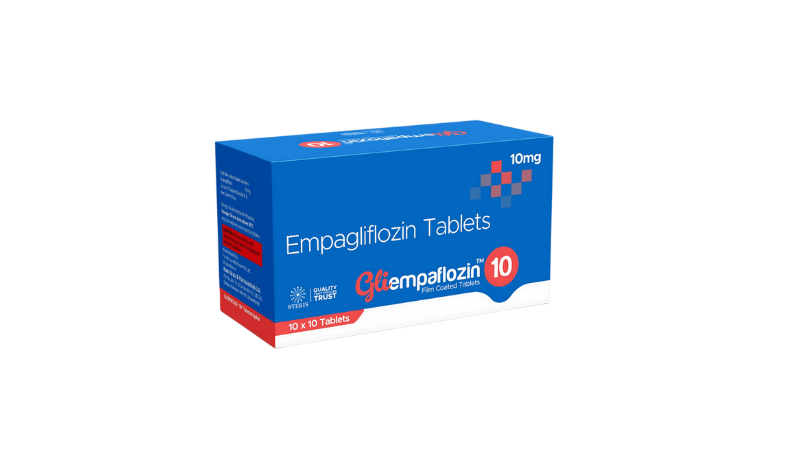
Empagliflozin 10 mg Tablet: टाइप 2 डायबिटीज और दिल की सेहत के लिए क्यों है खास?
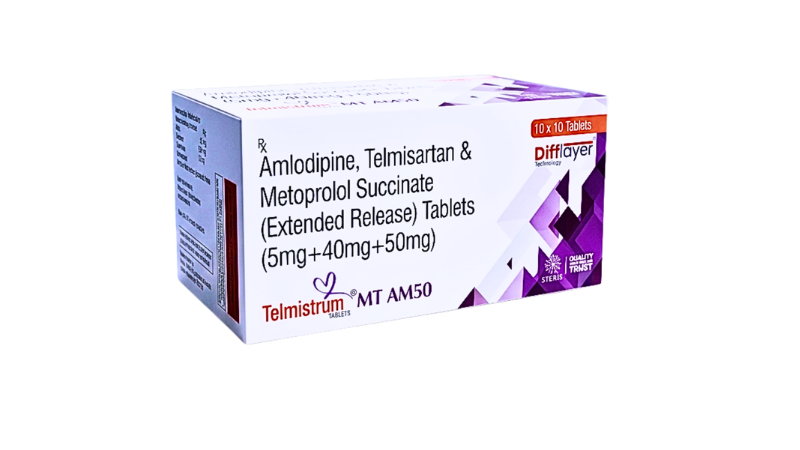
Amlodipine 5 mg + Telmisartan 40 mg + Metoprolol 50 mg: उपयोग, फायदे और खुराक
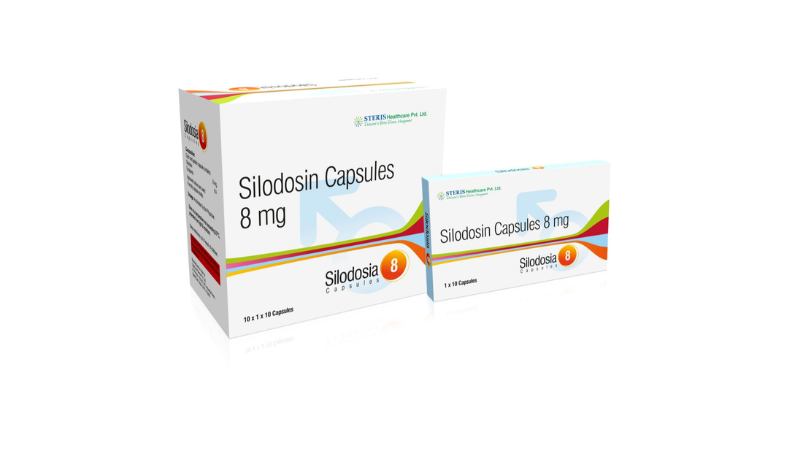
Silodosin 8 mg Tablet: उपयोग, लाभ, कीमत और खरीदने की जानकारी
Nitrofurantoin Sustained Release Tablets: कैसे काम करती हैं, फायदे, नुकसान और डोज़ गाइड
Acotiamide Tablet Uses in Hindi: कैसे काम करती है, फायदे, नुकसान और डोज़ गाइड
Cefixime 200mg + Ofloxacin 200mg Tablet: उपयोग, फायदे और सही खुराक की पूरी जानकारी

