


PANCREATE Pancreatin 300mg
May 31, 2023
What Is Pancreatin 300 Mg Capsule?
Pancreatin 300 Mg Capsule is a digestive-enzyme medicine containing pancreatin, a mixture of pancreatic enzymes that helps the body digest food. Pancreatin preparations typically provide three major enzyme activities: lipase, which helps digest fats; amylase, which helps digest carbohydrates and starches; and protease, which helps digest proteins. These enzymes are normally produced by the pancreas and released into the intestine during digestion.
When the pancreas does not produce or deliver enough digestive enzymes, food may not be digested and absorbed properly. This condition is generally referred to as pancreatic exocrine insufficiency (PEI) or pancreatic insufficiency. Pancreatic enzyme replacement therapy (PERT) is used to replace the enzymes that the body is lacking.
A key point for anyone researching Pancreatin 300 Mg Capsule is that the number “300 mg” should not automatically be interpreted as the enzyme strength. Different pancreatic enzyme products are measured and labeled differently, and the clinically important activity may be expressed in enzyme units, especially lipase units. Therefore, patients should check the specific product label or prescription rather than comparing products based only on milligrams.
What is Pancreatin Used For
The primary purpose of pancreatin is to support digestion when the pancreas is unable to provide enough digestive enzymes.
A healthcare professional may recommend pancreatic enzyme replacement therapy for people with pancreatic exocrine insufficiency associated with certain pancreatic or gastrointestinal conditions. Depending on the individual clinical situation, pancreatic enzyme therapy may be considered when inadequate enzyme production or delivery results in poor digestion and nutrient absorption.
Possible symptoms associated with pancreatic insufficiency include:
- Oily, fatty, pale, or difficult-to-flush stools
- Loose stools or diarrhea
- Abdominal bloating and discomfort
- Excessive gas or burping
- Difficulty maintaining or gaining weight
- Nutritional deficiencies
- Poor absorption of fat and other nutrients
Untreated pancreatic insufficiency can contribute to malnutrition and vitamin or mineral deficiencies because the body cannot properly absorb nutrients from food.
How Does Pancreatin Work?
Pancreatin works by supplying digestive enzymes to the gastrointestinal tract.
Lipase breaks down dietary fats into smaller components that can be absorbed. Amylase helps break down starches and carbohydrates, while protease helps digest proteins. Together, these enzymes help the intestine process food so nutrients can be absorbed more effectively.
This is why pancreatic enzyme capsules need to be taken with food or drinks that require digestion. Taking an enzyme capsule on an empty stomach does not provide the intended digestive benefit.
For many pancreatic enzyme preparations, the capsule or enteric-coated enzyme particles are designed to protect the enzymes from stomach acid and release them in the intestine, where digestion takes place. Patients should follow the specific instructions supplied with their product because formulations can differ.
Key Benefits of Pancreatin 300 Mg Capsule
The main benefit of Pancreatin 300 Mg Capsule is supporting normal digestion when insufficient pancreatic enzymes are available.
Potential treatment benefits include:
1. Supports fat digestion
Lipase is particularly important for breaking down dietary fat. Insufficient pancreatic lipase can contribute to fatty or oily stools and poor absorption of fat-soluble nutrients. Enzyme replacement can help improve fat digestion when pancreatic insufficiency is the underlying cause.
2. Helps digest proteins and carbohydrates
Pancreatin also provides protease and amylase activity, helping the body break down protein and starch-containing foods.
3. Supports nutrient absorption
Improved digestion can help the intestine absorb nutrients from food more effectively. Adequate pancreatic enzyme replacement may therefore help reduce problems associated with malabsorption and nutritional deficiencies.
4. May improve digestive symptoms caused by enzyme deficiency
When symptoms such as bloating, abdominal discomfort, excessive gas, and abnormal stools are caused by pancreatic enzyme insufficiency, appropriate enzyme replacement may help improve them.
5. Can support nutritional status
Effective pancreatic enzyme replacement can help people with pancreatic insufficiency digest food adequately and maintain better nutritional status and body weight.
How to Take Pancreatin 300 Mg Capsule
The correct dose of pancreatin depends on the specific product, its enzyme activity, the patient's diagnosis, meal size, dietary fat content, and the severity of pancreatic insufficiency.
For this reason, do not choose a pancreatin dose based solely on the “300 mg” capsule strength.
Pancreatic enzyme capsules are generally taken during meals and snacks, because the enzymes need to mix with food as it passes through the digestive system. Current NHS guidance recommends taking the first enzyme dose with the first few mouthfuls of food and, when multiple capsules are prescribed, spreading them throughout the meal or snack.
Swallow the capsule according to the product instructions. Do not crush or chew enteric-coated enzyme preparations unless a healthcare professional specifically tells you that the particular formulation can be opened or modified. Damaging the protective coating can reduce effectiveness and may irritate the mouth.
The required amount may also change according to the meal. Larger or higher-fat meals can require more pancreatic enzyme activity than smaller meals. Your doctor or dietitian should determine the appropriate regimen.
Pancreatin 300 Mg Capsule Side Effects
Like other medicines, pancreatic enzyme preparations can cause side effects.
Commonly reported digestive effects include:
- Nausea
- Bloating
- Abdominal discomfort
- Diarrhea or changes in bowel movements
- Constipation in some patients
An important complication is that some of these symptoms can also indicate that the enzyme dose is insufficient or that another digestive problem is present. Therefore, persistent symptoms should be discussed with a doctor or dietitian rather than automatically increasing the dose.
Taking more enzyme than required may cause irritation around the anus in some people. A healthcare professional should review the dose if this occurs.
Important Precautions Before Using Pancreatin
Before starting Pancreatin 300 Mg Capsule, tell your healthcare professional about allergies, existing digestive or pancreatic disorders, and all medicines or supplements you currently use.
Pancreatic enzyme products are commonly derived from porcine (pig) pancreatic tissue. People with pork allergies, dietary restrictions, or religious concerns should check the exact product ingredients and discuss suitable options with a doctor or pharmacist.
People taking pancreatic enzymes should also maintain adequate hydration. If digestive symptoms continue despite treatment, medical review may be necessary to determine whether the enzyme dose, timing, formulation, or underlying diagnosis needs reassessment.
Pancreatin 300 Mg Capsule and Food
One of the most important practical points about pancreatic enzymes is timing.
Pancreatin is intended to work alongside food. It is generally not useful to take a pancreatic enzyme capsule when no meal or snack is being consumed. The amount required can depend on the size and composition of the meal, particularly its fat content.
For example, a meal containing fried foods, cheese, chocolate, full-fat dairy, or other high-fat ingredients may require more enzyme activity than a small, low-fat meal. However, patients should not independently change their prescribed dose simply because a meal contains more fat; their healthcare professional should provide individualized instructions.
Buying Pancreatin 300 Mg Capsule: What Should Buyers Check?
Look for:
- The exact active ingredient: pancreatin or the specified pancreatic enzyme preparation
- Enzyme activity and units stated on the package
- Manufacturer and product registration details
- Batch number and expiry date
- Intact packaging
- Storage instructions
- Prescription requirements applicable in your country
- Directions from a licensed pharmacist or healthcare professional
Most importantly, do not compare pancreatic enzyme products solely by milligram strength. Two products with apparently similar capsule weights may provide substantially different enzyme activities. Current clinical guidance commonly uses lipase activity to describe pancreatic enzyme strength.
Storage and Handling
Pancreatic enzymes can be sensitive to heat. Current patient guidance recommends keeping enzyme preparations below approximately 25°C/77°F and protecting them from excessive heat and direct sunlight. Do not leave the medicine in a hot vehicle or another location exposed to high temperatures.
Always follow the storage conditions printed on the specific product package because formulations may differ.
Pancreatin 300 Mg Capsule: Who May Need It?
Pancreatin is most relevant to people diagnosed with or suspected of having pancreatic enzyme insufficiency. Conditions affecting pancreatic function can interfere with the production or delivery of digestive enzymes and consequently reduce nutrient absorption.
However, bloating, diarrhea, abdominal pain, or oily stools do not automatically mean that a person needs pancreatin. These symptoms can have many causes. A medical assessment may be needed before beginning long-term enzyme replacement.
Conclusion
Pancreatin 300 Mg Capsule is a pancreatic enzyme preparation designed to support digestion when the body does not produce or deliver sufficient digestive enzymes. Its enzymes can help digest fats, proteins, and carbohydrates, potentially improving nutrient absorption and reducing symptoms associated with pancreatic exocrine insufficiency.
For buyers, the most important point is that 300 mg alone does not define the therapeutic strength of a pancreatic enzyme product. Check the product's stated enzyme activity, particularly lipase units, formulation, manufacturer, and professional dosing instructions before purchasing or switching products.
Pancreatin is generally intended to be taken with meals or snacks, and the correct amount varies between individuals. Nausea, bloating, abdominal discomfort, diarrhea, and constipation can occur, while persistent digestive symptoms may require medical review.
Frequently Asked Questions About Pancreatin 300 Mg Capsule
1. What is Pancreatin 300 Mg Capsule used for?
Pancreatin is used to provide digestive enzymes when the pancreas does not produce enough enzymes for normal digestion. It can help digest fats, proteins, and carbohydrates and support nutrient absorption in people with pancreatic enzyme insufficiency.
2. What are the benefits of Pancreatin 300 Mg Capsule?
The main benefits are improved digestion and nutrient absorption when pancreatic enzyme production is inadequate. Appropriate enzyme replacement may also help reduce symptoms such as oily stools, bloating, abdominal discomfort, and excessive gas associated with pancreatic insufficiency.
3. When should I take Pancreatin 300 Mg Capsule?
Pancreatic enzymes are generally taken with meals or snacks, usually starting with the first few mouthfuls of food. If several capsules are required, they may be distributed throughout the meal according to the healthcare professional's instructions.
4. Can Pancreatin 300 Mg Capsule be taken on an empty stomach?
Pancreatic enzyme replacement is intended to work with food, so it is generally not useful to take the medicine when you are not eating. Follow the instructions provided with your specific product and prescription.
5. What are the side effects of Pancreatin 300 Mg Capsule?
Possible side effects include nausea, bloating, abdominal discomfort, diarrhea, and constipation. Irritation around the anus can occur if more enzyme is taken than necessary. Persistent or severe symptoms should be discussed with a healthcare professional.
6. Is Pancreatin 300 Mg Capsule good for digestion?
Pancreatin can support digestion when poor digestion is caused by insufficient pancreatic enzymes. It is not intended to treat every type of indigestion, bloating, or stomach discomfort, so the underlying cause should be assessed before using pancreatic enzymes.
7. Does Pancreatin help digest fat?
Yes. Pancreatin contains lipase activity, which helps break down dietary fat. Adequate pancreatic enzyme replacement can improve fat digestion and absorption in people with pancreatic insufficiency.
8. Can I take Pancreatin with every meal?
Pancreatic enzymes are commonly prescribed with meals and snacks that require digestion. The appropriate number of capsules depends on the specific formulation and the amount and composition of food. Your doctor or dietitian should determine your dose.
9. Can Pancreatin 300 Mg Capsule cause diarrhea?
Diarrhea can occur with pancreatic enzyme preparations, although diarrhea may also be a symptom of inadequate enzyme replacement or the underlying pancreatic condition. If diarrhea persists, consult your doctor or dietitian rather than changing the dose yourself.
10. Is pancreatin made from pork?
Many pancreatic enzyme replacement products are derived from porcine pancreatic tissue. Patients with pork allergies or dietary, ethical, or religious concerns should check the specific product and discuss alternatives or appropriate use with a healthcare professional.
11. Can I buy Pancreatin 300 Mg Capsule online?
Availability and prescription requirements depend on the country and the specific product. If purchasing online, use a legitimate, appropriately licensed pharmacy and verify the exact enzyme activity, manufacturer, expiry date, packaging, and storage requirements before using the medicine.
Recent Post
Itopride Hydrochloride Uses: What It Treats and How It Works
Glimepiride 0.5 mg + Voglibose 0.2 mg + Metformin SR 500 mg | Steris Healthcare
Trimetazidine Hydrochloride Modified Release Tablets 35 mg Uses, Benefits

EUROSOFT MOSQUITO SHIELD
Olmesartan and Metoprolol: Uses, Benefits, Dosage & Side Effects | Steris Healthcare
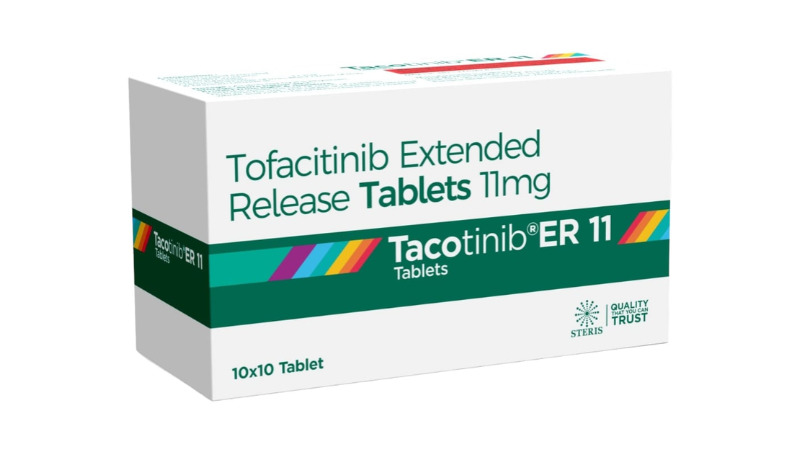
Tofacitinib 11 mg Tablets: A Complete Guide to Uses and Side Effects
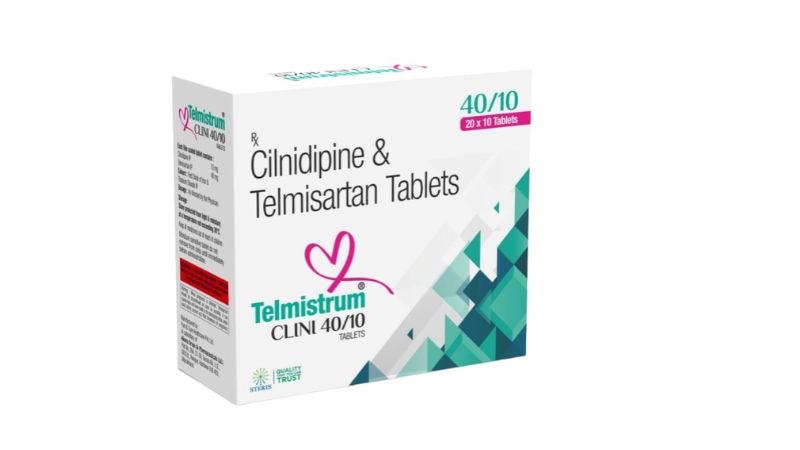
Olmesartan Medoxomil + Metoprolol Succinate: Uses, Dosage
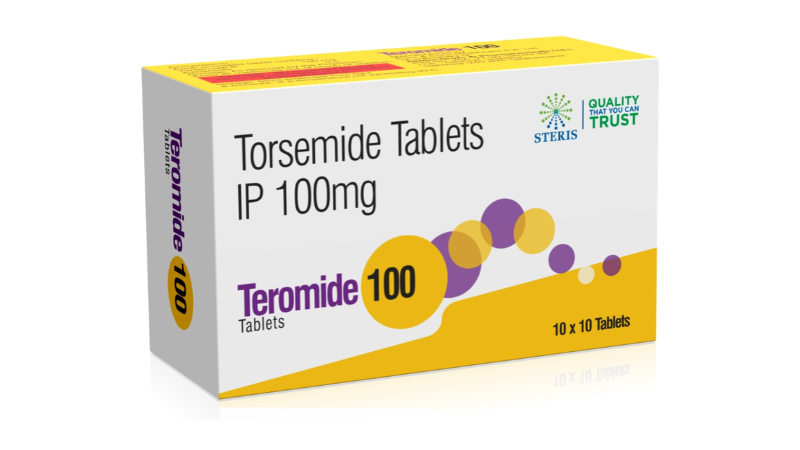
Torsemide 100 mg: Uses, Dosage, Side Effects, and Precautions
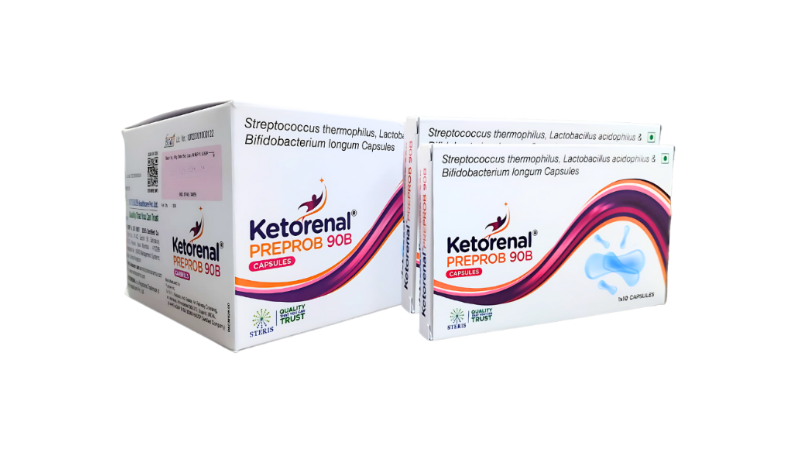
How Streptococcus Thermophilus Supports Digestive Health
Olmesartan Medoxomil + Metoprolol Succinate: Uses, Benefits & Side Effects

