


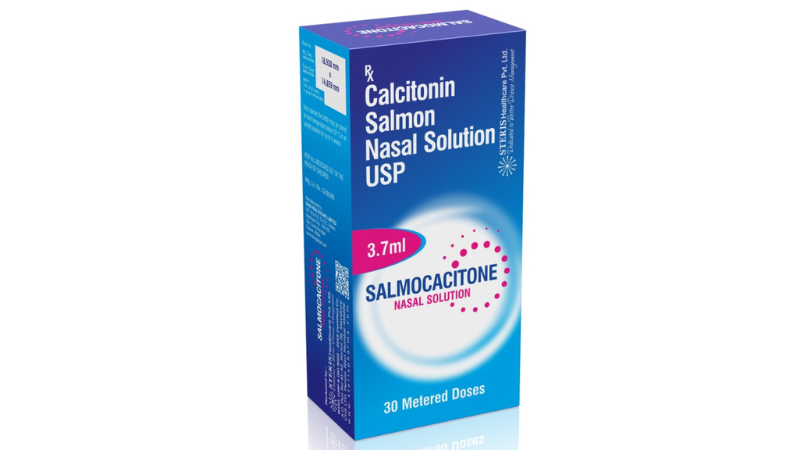



Nasal Salmocacitone: Benefits of Calcitonin Salmon (200IU)
Jul 05, 2024
NASAL SALMOCACITONE, manufactured by Steris Healthcare, contains Calcitonin Salmon Nasal Solution USP, a synthetic peptide hormone identical in structure to the calcitonin naturally secreted by salmon, formulated as a convenient intranasal spray. It is primarily prescribed for the treatment of postmenopausal osteoporosis in women more than five years past menopause, where it helps reduce bone loss and lower the risk of vertebral fractures. It is also used in the management of Paget's disease of bone and, in some clinical settings, for the adjunctive treatment of hypercalcemia (elevated blood calcium levels). Patients searching for "calcitonin salmon nasal solution USP uses" or "calcitonin nasal spray uses" are typically looking for a non-invasive, easy-to-administer therapy option for bone health conditions that doesn't require injections, and NASAL SALMOCACITONE is formulated precisely to meet that need through its intranasal delivery format.
Why It's Important
Osteoporosis is a silent but serious condition affecting a significant proportion of postmenopausal women, where declining estrogen levels accelerate bone resorption, leading to fragile, porous bones that are highly susceptible to fractures—particularly of the spine, hip, and wrist. These fractures can result in chronic pain, loss of mobility, reduced independence, and, in severe cases, significantly increased mortality risk, especially following hip fractures in elderly patients. Similarly, Paget's disease of bone causes abnormal bone remodeling, leading to bone pain, deformity, and increased fracture risk if left inadequately managed.
Calcitonin salmon plays an important therapeutic role in this context because it directly targets the cellular process responsible for excessive bone breakdown. Unlike some osteoporosis therapies that require oral tablets taken on strict empty-stomach schedules or periodic injections, the intranasal spray format of NASAL SALMOCACITONE offers a practical, well-tolerated alternative that supports better patient adherence—a critical factor in any long-term chronic disease management, since osteoporosis therapy often needs to be sustained over months or years to meaningfully reduce fracture risk. For patients newly diagnosed with osteoporosis or Paget's disease, understanding this non-invasive treatment option can meaningfully reduce anxiety around long-term therapy and improve willingness to start and continue treatment as recommended by their physician.
Key Benefits
What are the benefits?
- Helps slow bone loss in postmenopausal osteoporosis
- Reduces the risk of vertebral (spinal) fractures with consistent use
- Effective in managing bone pain and abnormal remodeling in Paget's disease
- Non-invasive intranasal administration avoids the need for injections
- Convenient once-daily dosing supports better long-term treatment adherence
- Can be used as part of a broader osteoporosis management plan alongside calcium and vitamin D supplementation
- Manufactured under WHO-GMP and ISO 9001:2018 certified facility standards by Steris Healthcare, ensuring consistent potency and quality with every spray
INDICATIONS, EFFICACY, AND CLINICAL EVIDENCE
NASAL SALMOCACITONE is indicated for the treatment of postmenopausal osteoporosis in women who are more than five years past menopause, for use in patients for whom alternative treatments are not suitable, as well as for Paget's disease of bone and as adjunctive therapy for hypercalcemia. Calcitonin salmon has a long clinical history in bone metabolism disorders, with its efficacy in slowing bone resorption well documented in osteoporosis management literature. Clinical use of calcitonin salmon nasal solution USP has demonstrated measurable reductions in bone turnover markers and vertebral fracture incidence in postmenopausal women with osteoporosis when used consistently as directed.
In Paget's disease, calcitonin nasal spray has shown efficacy in normalizing elevated bone turnover markers such as alkaline phosphatase, along with symptomatic improvement in bone pain in affected patients. Its additional role in the short-term management of hypercalcemia stems from its ability to rapidly lower serum calcium levels by inhibiting osteoclast-mediated bone resorption, making it a useful adjunct in acute settings while other longer-acting hypocalcemic therapies take effect. This broad clinical utility across multiple bone and calcium metabolism disorders is why calcitonin salmon nasal solution continues to be prescribed by orthopedists, endocrinologists, and gynecologists managing postmenopausal bone health.
Side Effects
Common side effects of NASAL SALMOCACITONE may include nasal irritation, dryness, redness, or a runny nose at the site of administration, along with occasional headache, back pain, joint pain, or mild nausea. These effects are usually mild and localized to the nasal passage, often improving with continued use.
Available Substitute
Several branded formulations of calcitonin salmon nasal spray, as well as injectable calcitonin preparations, are available in the Indian pharmaceutical market for the management of osteoporosis, Paget's disease, and hypercalcemia. Patients should not switch between brands, formulations, or delivery routes (nasal versus injectable) without consulting their physician, as differences in bioavailability and administration technique can affect the consistency of therapeutic response.
Dosage Guidelines
Dosage of NASAL SALMOCACITONE is determined by the treating physician based on the specific condition being treated, disease severity, and patient response to therapy. For postmenopausal osteoporosis, it is typically administered as one spray into one nostril daily, with nostrils alternated between doses as advised. The nasal spray device should be primed before first use according to the enclosed instructions, and the patient should sit or stand upright during administration. Calcium and vitamin D supplementation is often recommended alongside therapy to support overall bone health, as directed by the physician. Missed doses should be taken as soon as remembered, without doubling the next scheduled dose.
Precautions & Warnings
NASAL SALMOCACITONE should not be used in patients with a known hypersensitivity to calcitonin salmon or any component of the formulation. Caution is advised in patients with a history of nasal disorders, chronic sinusitis, or nasal ulceration, as the intranasal route may exacerbate these conditions. Patients should have periodic nasal examinations during long-term therapy to monitor for nasal mucosal changes. Since calcitonin lowers serum calcium, caution is warranted in patients with pre-existing hypocalcemia, and calcium levels should be monitored as clinically appropriate. The ongoing necessity of therapy should be reassessed periodically by the treating physician, particularly in light of long-term safety considerations. Inform your doctor of all current medications and any history of nasal surgery or trauma before starting treatment.
Mechanism of Action
Calcitonin salmon is a 32-amino acid polypeptide hormone that mimics the action of naturally occurring calcitonin, a hormone involved in calcium and bone metabolism regulation. It works primarily by binding to specific calcitonin receptors located on osteoclasts—the specialized cells responsible for breaking down and resorbing bone tissue. Upon receptor binding, calcitonin salmon directly inhibits osteoclast activity, reducing the rate of bone resorption and thereby helping to preserve bone mineral density over time. This action also contributes to a reduction in circulating serum calcium levels, as less calcium is released from bone into the bloodstream.
Calcitonin salmon is used therapeutically rather than human calcitonin because it exhibits significantly greater receptor-binding affinity and a longer duration of biological activity, making it more potent and clinically effective at lower doses. When administered via the intranasal route, calcitonin salmon nasal solution USP is absorbed through the highly vascularized nasal mucosa, allowing it to enter systemic circulation without the need for injection, while still achieving therapeutically meaningful reductions in bone turnover with regular use. This mechanism directly addresses the excessive osteoclast-driven bone loss seen in postmenopausal osteoporosis and the abnormal bone remodeling characteristic of Paget's disease.
Frequently Asked Questions
1. What is calcitonin salmon nasal solution USP used for?
It is used to treat postmenopausal osteoporosis and Paget's disease of bone and as adjunctive therapy for hypercalcemia by reducing excessive bone resorption.
2. How does calcitonin salmon nasal spray work?
It works by inhibiting osteoclast activity—the cells responsible for breaking down bone—thereby reducing bone loss and helping lower elevated blood calcium levels.
3. What is the usual dosage for calcitonin salmon nasal spray?
Dosage is individualized by the treating physician, but for osteoporosis it is typically one spray into one nostril daily, with nostrils alternated between doses.
4. Is calcitonin salmon nasal spray safe for long-term use?
It can be used long-term under medical supervision, though physicians typically reassess ongoing need periodically due to long-term safety considerations.
5. What are the common side effects of calcitonin nasal spray?
Common side effects include nasal irritation, dryness, runny nose, headache, back pain, and mild nausea.
6. Can calcitonin salmon nasal solution USP cause allergic reactions?
Yes, though uncommon, allergic reactions such as facial swelling, difficulty breathing, or rash can occur and require immediate medical attention.
7. Who should avoid calcitonin salmon nasal solution?
Patients with a known hypersensitivity to calcitonin salmon, or those with certain nasal disorders, should avoid or use it cautiously under physician guidance.
8. Is calcium supplementation needed while using calcitonin salmon nasal spray?
Yes, calcium and vitamin D supplementation is often recommended alongside therapy to support overall bone health, as advised by a physician.
9. Can calcitonin salmon nasal spray be used by men?
While primarily indicated for postmenopausal women, its use in men for other bone conditions like Paget's disease should be determined by a physician based on individual assessment.
10. How is calcitonin salmon nasal spray different from injectable calcitonin?
Both deliver the same active hormone, but the nasal spray avoids the need for injections, offering a more convenient, non-invasive route of administration.
11. What happens if a dose of calcitonin nasal spray is missed?
The missed dose should be taken as soon as remembered; the next dose should not be doubled to compensate.
12. Is calcitonin salmon nasal solution USP effective for Paget's disease?
Yes, it helps normalize abnormal bone turnover and can improve bone pain associated with Paget's disease when used as directed.
13. Does calcitonin salmon nasal spray require nasal examinations during use?
Yes, periodic nasal examinations are recommended during long-term therapy to monitor for any changes in the nasal mucosa.
14. Can calcitonin nasal spray lower blood calcium levels too much?
It can contribute to lowered calcium levels, so patients with pre-existing hypocalcemia should be monitored closely by their physician during treatment.
15. Why is calcitonin from salmon used instead of human calcitonin?
Calcitonin salmon has greater receptor-binding affinity and a longer duration of action than human calcitonin, making it more potent and effective at lower therapeutic doses.
Conclusion
NASAL SALMOCACITONE by Steris Healthcare offers a well-established, non-invasive therapeutic option for postmenopausal osteoporosis, Paget's disease of bone, and adjunctive hypercalcemia management. By directly inhibiting osteoclast-mediated bone resorption through its intranasal calcitonin salmon formulation, it supports meaningful preservation of bone density and reduced fracture risk when used consistently as part of a comprehensive bone health strategy. As with all hormone-based therapies, treatment initiation, dosing, and long-term monitoring should be guided by a qualified physician, with periodic reassessment of ongoing therapeutic need.
For Further Information:
Mail Us: contact@sterispharma.com or info@sterispharma.com
Call Now: +91 8824175417, +91 9982524671
Recent Post
Can Semaglutide Injection Be Used Without Diabetes?
What Are Nintedanib Soft Gelatin Capsules Used For? Complete Guide
Where to Buy Semaglutide Injection in India: Price, Pen & Prescription Guide
ERITOCOX BENZ 60/5 Dosage Guide: How to Take Etoricoxib & Cyclobenzaprine Tablets Safely
Gabapentin and Methylcobalamin Tablets Side Effects: What Patients Should Know
Thyroxine sodium tablets IP: उपयोग, फायदे और साइड इफेक्ट्स
Semaglutide 2 mg Injection Dosage Guide: How to Use It Safely
Buy Multivitamin + L-Carnitine + Taurine Protein Powder | Sterimmune
Semaglutide Injection Pen 8 mg: Step-by-Step Dosage & Precautions
BEST semaglutide injection price in india

