





Montelukast and Levocetirizine Tablet Uses,Benefits & Side Effects
Sep 04, 2025
If you're among the 400 million people worldwide battling allergic rhinitis or chronic urticaria, you've likely experienced the frustration of incomplete relief. Antihistamines help with sneezing but leave congestion untouched. Decongestants work short-term but cause jitteriness and rebound symptoms. It's like fighting a forest fire with a garden hose—targeting one flame while others rage unchecked.
What if your medication could simultaneously block two distinct allergic pathways? Enter MONTELUKE LC, a precision-formulated combination of Montelukast (10mg) and Levocetirizine (5mg) that addresses both early-phase and late-phase allergic responses. This isn't just additive therapy—it's synergistic warfare against allergies at the molecular level.
Understanding the Two-Pronged Allergy Attack
Allergic reactions aren't a single event but a coordinated assault on your immune system. The early-phase response occurs within minutes: mast cells release histamine, triggering sneezing, itching, and watery eyes. This is Levocetirizine's battlefield.
The late-phase response unfolds 4-6 hours later, involving leukotrienes—potent inflammatory mediators that cause nasal congestion, bronchoconstriction, and tissue swelling. Montelukast neutralizes this secondary wave.
Most single-ingredient treatments fail because they ignore one half of this equation. MONTELUKE LC's genius lies in its dual-pathway inhibition, simultaneously blocking H1 receptors and CysLT1 receptors for comprehensive symptom control.
Montelukast: The Leukotriene Blocker
Montelukast is a CysLT1 receptor antagonist that specifically binds to cysteinyl leukotriene receptors, preventing leukotriene D4 from triggering inflammation. But why does this matter for your runny nose?
Leukotrienes are 1,000 times more potent than histamine at causing vascular permeability and bronchoconstriction. They're the primary reason why antihistamines alone often leave you congested. By blocking their effects, Montelukast provides:
- Nasal decongestion without the cardiovascular side effects of pseudoephedrine
- Bronchodilation that benefits patients with asthma-rhinitis comorbidity
- Anti-inflammatory action that reduces nasal polyp formation in chronic rhinitis
MONTELUKE LC's Montelukast component achieves steady-state plasma concentrations within 24 hours, with a duration of action that extends beyond its 2.7-5.5-hour half-life due to prolonged receptor occupancy. This explains why evening dosing provides next-day protection.
The Circadian Advantage
Montelukast exhibits circadian anti-asthma effects, with peak efficacy aligning with early morning hours when leukotriene levels naturally surge. This chronopharmacology makes MONTELUKE LC particularly effective for patients whose symptoms worsen overnight.
Levocetirizine: The Next-Generation Antihistamine
Levocetirizine isn't just "another antihistamine"—it's the active R-enantiomer of cetirizine, purified to eliminate the less active S-enantiomer that contributes to side effects. This molecular refinement yields significant advantages:
Superior Potency, Fewer Side Effects
Clinical studies demonstrate Levocetirizine provides superior potency compared to racemic cetirizine, with a 2-fold higher receptor occupancy rate. Yet paradoxically, it causes no significant CNS sedation despite being lipophilic. How?
The answer lies in its minimal blood-brain barrier penetration. While older antihistamines like diphenhydramine freely cross into the brain (causing drowsiness), Levocetirizine's molecular structure and P-glycoprotein efflux keep 90% of the drug in the periphery where allergies occur.
Rapid Onset, 24-Hour Coverage
Levocetirizine's onset of action within 2 hours provides quick relief, while its 90% protein binding and renal excretion profile ensure sustained 24-hour efficacy. For patients with chronic urticaria, this means consistent suppression of histamine-induced skin wheals that peak at 6-8 hours post-dose.
Beyond Histamine Blockade
Emerging research reveals Levocetirizine exhibits anti-inflammatory cytokine modulation, reducing IL-6 and IL-8 levels beyond pure H1 blockade. This pleiotropic effect amplifies Montelukast's anti-inflammatory action, creating a feedback loop that dampens the entire allergic cascade.
The Synergy Effect: 1+1=3 in Allergy Control
The combination in MONTELUKE LC isn't merely convenient—it's clinically superior. ARIA (Allergic Rhinitis and its Impact on Asthma) guidelines specifically recommend combination therapy for moderate-severe allergic rhinitis unresponsive to antihistamines alone.
Here's why the synergy matters:
Enhanced Total Nasal Symptom Scores
Clinical trials show MONTELUKE LC reduces Total Nasal Symptom Scores (TNSS) by 35-40%—nearly double the 18-22% improvement seen with Levocetirizine alone. The combination particularly excels at relieving nasal congestion, the symptom most resistant to antihistamine monotherapy.
Dual-Phase Allergic Response Control
During the early phase (0-2 hours), Levocetirizine rapidly blocks histamine-mediated sneezing and itching. Montelukast then prevents the late-phase leukotriene surge that would otherwise cause rebound congestion 4-6 hours later.
Cost-Effectiveness for Long-Term Use
The fixed-dose combination improves patient compliance by 40% compared to separate tablets. With generic availability, MONTELUKE LC offers a cost-effectiveness ratio that favors it over branded intranasal corticosteroids for mild-moderate symptoms, saving patients approximately $600 annually.
Clinical Indications: Who Should Take MONTELUKE LC?
Seasonal Allergic Rhinitis
For pollen, dust mite, or pet dander allergies, MONTELUKE LC provides comprehensive relief. The once-daily evening dosing aligns with nocturnal symptom exacerbation and Montelukast's circadian efficacy.
Chronic Urticaria
The dual anti-inflammatory action makes this combination particularly effective for chronic urticaria refractory to antihistamines alone. By targeting both histamine and leukotriene pathways, it reduces wheal formation and itching more effectively than high-dose antihistamine monotherapy.
Asthma-Allergic Rhinitis Comorbidity
Over 80% of asthma patients have comorbid allergic rhinitis. Montelukast's bronchodilatory effect provides added value in asthma-related allergic rhinitis, potentially reducing rescue inhaler use by 15-20%.
Aspirin-Exacerbated Respiratory Disease (AERD)
In AERD, leukotriene overproduction drives severe asthma and nasal polyposis. MONTELUKE LC's leukotriene blockade offers specific benefit where standard antihistamines fail.
Dosage and Administration: Getting the Most from MONTELUKE LC
Standard Adult Dosing
Take one tablet daily in the evening with or without food. Evening administration optimizes Montelukast's anti-asthma effect during early morning hours when symptoms peak.
Special Populations
Pediatric Use: Approved for children ≥6 years for Montelukast and ≥6 months for Levocetirizine. Dose adjustment may be required based on age and weight.
Elderly Patients: The elderly population safety profile is favorable due to lack of anticholinergic burden. However, monitor for rare Montelukast neuropsychiatric effects.
Renal Impairment: Levocetirizine requires dose adjustment when CrCl <50 mL/min. Montelukast needs no adjustment.
Hepatic Impairment: No dosage adjustment needed for Levocetirizine. Use caution with severe hepatic impairment for Montelukast due to reduced metabolism.
Pregnancy and Lactation
Montelukast is Pregnancy Category B, while Levocetirizine requires risk-benefit assessment (Category C). Lactation safety data suggests minimal transfer into breast milk for both agents, but consult your physician.
Safety Profile: What to Watch For
Common Side Effects
- Levocetirizine: Mild headache, dry mouth, fatigue (incidence <5%)
- Montelukast: GI upset, headache, insomnia (rare)
The Neuropsychiatric Warning
Montelukast carries an FDA boxed warning for rare neuropsychiatric warnings including mood changes, anxiety, depression, and suicidal ideation. These occur in less than 1 in 1,000 patients but warrant monitoring, especially in adolescents.
Drug Interactions
CYP3A4 inducers (rifampin, phenytoin, carbamazepine) can reduce Montelukast efficacy by 40-60%. Avoid concurrent use when possible.
Levocetirizine has minimal interaction potential due to its renal excretion pathway.
No Cardiac Concerns
Unlike some antihistamines, Levocetirizine shows no QT interval prolongation risk at therapeutic doses, making it safe for patients with cardiac history.
Real-World Results: What Patients Experience
Week 1: Noticeable reduction in sneezing and itching within 2-3 days. Nasal congestion may take 5-7 days to improve as leukotriene blockade accumulates.
Month 1: 70-80% of patients report significant improvement in TNSS. Chronic urticaria patients see wheal frequency reduced by half.
Month 3: Optimal efficacy achieved. Asthma patients may notice reduced nighttime awakenings and rescue inhaler use.
Long-term: Continued symptom control with excellent patient compliance due to once-daily dosing and minimal side effects.
MONTELUKE LC vs. The Competition
vs. Levocetirizine Alone
The addition of Montelukast provides a combined efficacy superior for congestion and late-phase symptoms, justifying the combination for moderate-severe disease.
vs. Intranasal Corticosteroids
While intranasal steroids are first-line for severe rhinitis, MONTELUKE LC offers oral convenience and better patient preference, with comparable efficacy for mild-moderate symptoms.
vs. Older Antihistamines
Unlike sedating antihistamines, MONTELUKE LC's Levocetirizine component provides no significant CNS sedation, allowing normal daily functioning.
The MONTELUKE LC Advantage
Beyond the active ingredients, MONTELUKE LC ensures:
- Quality-assured manufacturing with validated bioequivalence
- Patient-friendly packaging with clear dosing instructions
- Cost-effective pricing making dual therapy accessible
- Physician trust built on robust clinical data
Conclusion: A New Standard in Allergy Management
Allergic diseases aren't single-pathway disorders—so why treat them with single-pathway drugs? MONTELUKE LC represents a paradigm shift from symptomatic relief to comprehensive dual-pathway inhibition.
By combining Montelukast's leukotriene blockade with Levocetirizine's potent antihistamine action, this formulation addresses the full spectrum of allergic inflammation. The result: superior symptom control, improved quality of life, and the convenience of once-daily dosing.
Frequently Asked Questions
Q: Can I take MONTELUKE LC in the morning?
A: Evening dosing is recommended to align with Montelukast's circadian effects, but if you experience insomnia, morning dosing is acceptable.
Q: How long can I safely take it?
A: Both components are approved for long-term use. Many patients take it year-round for chronic conditions.
Q: Will it make me drowsy?
A: Levocetirizine causes minimal sedation (<5% incidence), significantly less than older antihistamines.
Q: Can I take it with other allergy medications?
A: Avoid adding other antihistamines or leukotriene blockers. Intranasal steroids can be added if needed.
| Composition | Brand Name |
| Montelukast Fexofenadine Acebrophylline Tablet |
MONTELUKE 3D |
| Montelukast (10mg), Acebrophylline SR (200mg) |
MONTELUKE AB |
| Montelukast (10mg), Levocetirizine (5mg), Ambroxol (75mgSR) |
MONTELUKE AXL |
| Montelukast and Doxofylline |
MONTELUKE DX |
|
MONTELUKE EBS |
|
| Montelukast (10mg), Fexofenadine (120mg) |
MONTELUKE F |
Recent Post
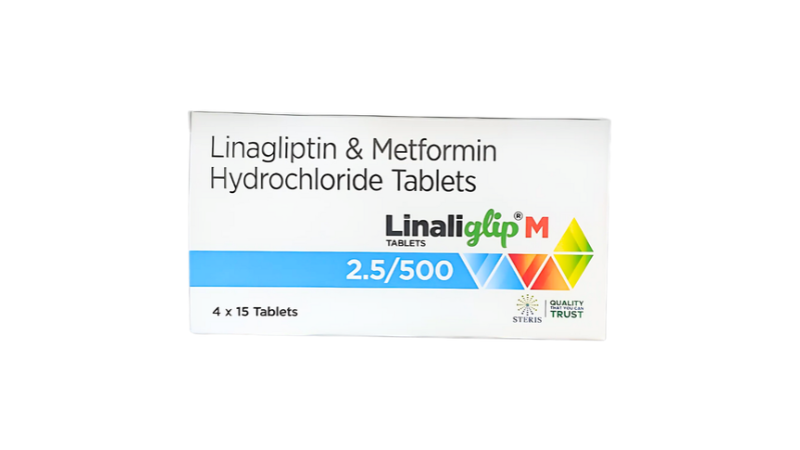
How Do Linagliptin and Metformin Work Together to Manage Type 2 Diabetes?
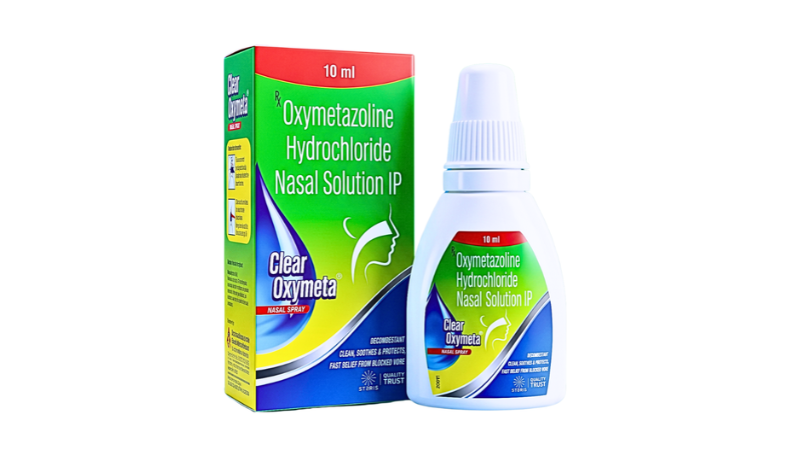
Oxymetazoline Nasal Solution: A Complete Guide to Uses and Safety
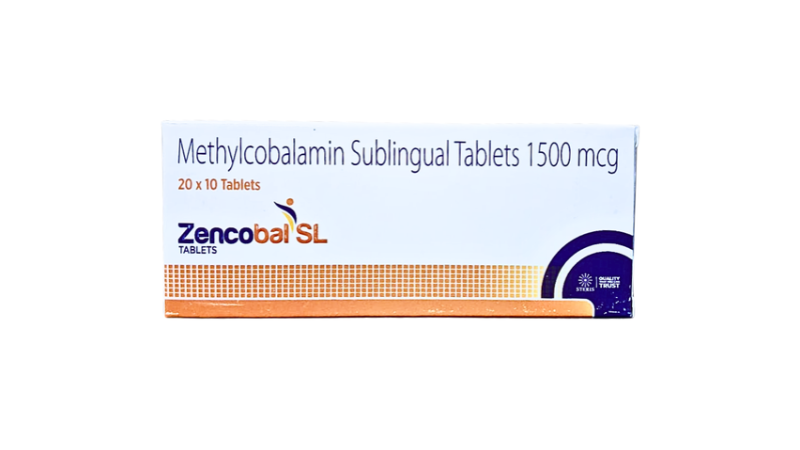
What Are Methylcobalamin Sublingual Tablets 1500 mcg Used For?
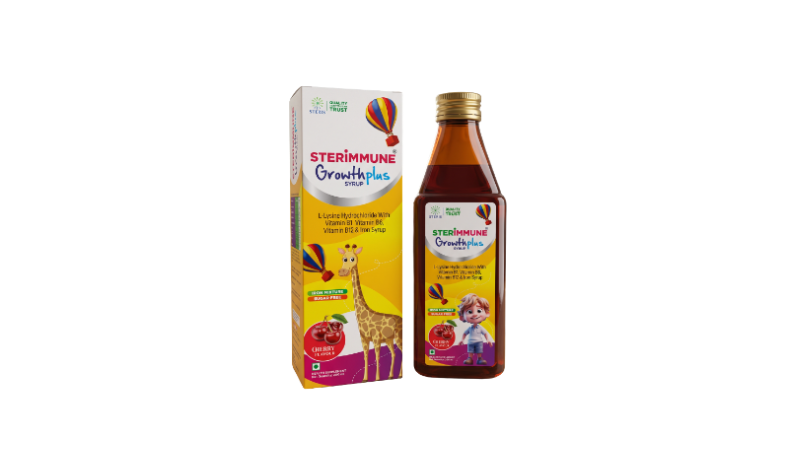
L Lysine Hydrochloride Syrup: Uses, Benefits, Dosage and Side Effects

What Is Amino Acids Injection Used For?
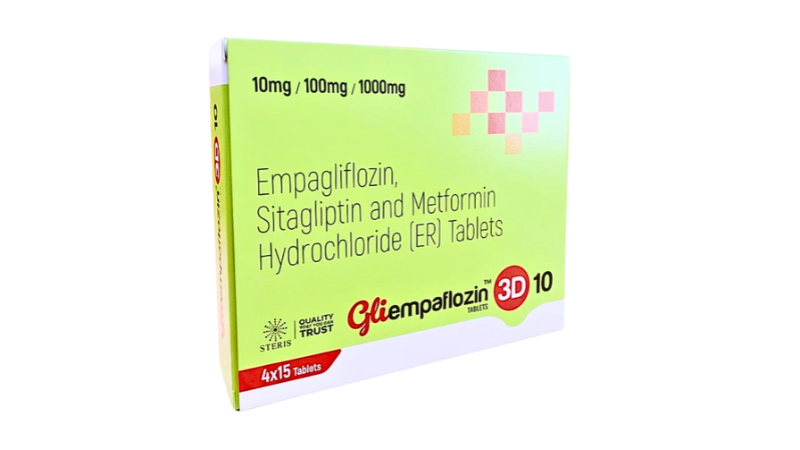
How Do Empagliflozin, Sitagliptin, and Metformin Work Together?
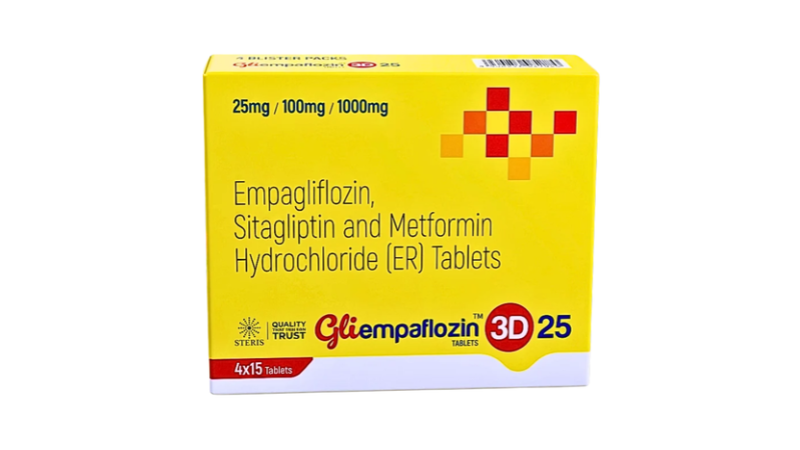
Empagliflozin, Sitagliptin, and Metformin: Uses, Benefits, and Side Effects
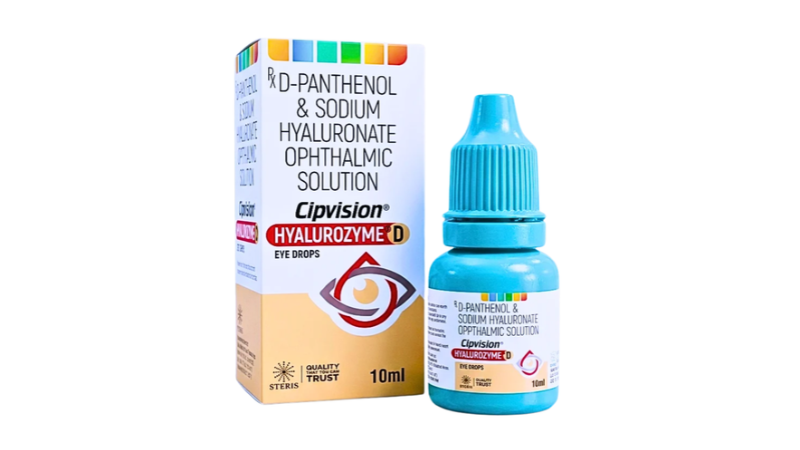
D-Panthenol and Sodium Hyaluronate Eye Drops: Uses and Precautions
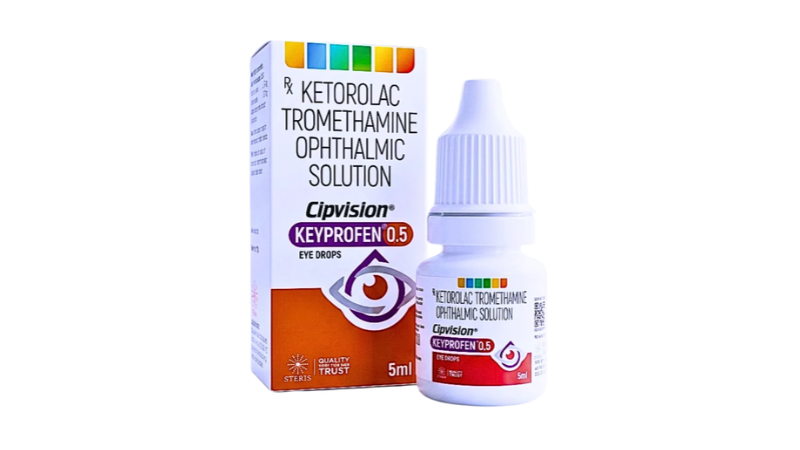
How Do Ketorolac Tromethamine Eye Drops Work?
Ofloxacin and Dexamethasone Eye Drops: Uses, Benefits, and Side Effects

