





Mirtazapine 15 mg
Jul 29, 2022
Mirtazapine 15 mg is a prescription antidepressant (a NaSSA-class medicine) primarily used for major depressive disorder. At lower doses like 15 mg, it tends to be more sedating, which is why doctors sometimes prescribe it off-label for sleep problems linked to depression or anxiety. It's typically taken once daily, at night, and isn't classified as a sleeping pill on its own.
Trouble sleeping, low mood, or both at once — it's a combination that sends a lot of people searching for answers at 2 a.m. Mirtazapine 15 mg is one of the medicines doctors in India commonly reach for in exactly this situation, and MIRTAZPRIME 15 by Steris Healthcare is a trusted branded option built around that same composition.
This guide walks through what mirtazapine 15 mg tablets are actually used for, how the timing and dosing work, what side effects to watch for, and where you can buy MIRTAZPRIME 15 in India. None of this replaces a conversation with your doctor — think of it as the background reading that makes that conversation more useful.
What is mirtazapine 15 mg used for
Mirtazapine 15 mg is used mainly for major depressive disorder (MDD) in adults. It belongs to a drug class called NaSSAs (noradrenergic and specific serotonergic antidepressants), and it works a bit differently than the SSRIs most people have heard of, like sertraline or fluoxetine.
Instead of just blocking serotonin reuptake, mirtazapine blocks certain serotonin receptors directly while also increasing noradrenaline activity. The net effect for many people is improved mood, better appetite, and — at lower doses especially — noticeable drowsiness in the evening.
Doctors also use mirtazapine 15 mg off-label for a few other situations: anxiety disorders that overlap with depression, depression accompanied by significant weight loss or poor appetite, and insomnia that's tied to an underlying mood disorder rather than standalone sleep issues. "Off-label" simply means the use is medically accepted and common, even though it isn't the original FDA-approved indication.
mirtazapine 15 mg how long before bed
Most prescribers recommend taking mirtazapine 15 mg about 30 minutes to an hour before bedtime. This timing matters more than people expect.
Mirtazapine's sedating effect — driven largely by its action on histamine (H1) receptors — kicks in fairly quickly, often within 30–60 minutes. Taking it too late means you might feel groggy the next morning; taking it too early in the evening might mean you're drowsy before you actually want to sleep.
Consistency helps too. Taking the tablet around the same time each night, with or without food, lets your body settle into a predictable rhythm. If you've taken it and still feel wide awake after an hour, don't double the dose on your own — that's a conversation for your doctor, not a DIY fix.
Is mirtazapine 15 mg a sleeping pill
Not technically, no. Mirtazapine 15 mg is not approved as a sleeping pill the way zolpidem or melatonin are. It's an antidepressant that happens to cause drowsiness as a side effect — and at low doses like 15 mg, that side effect is often stronger than it is at higher doses (30 mg or 45 mg), because the relative balance of receptor activity shifts as the dose increases.
This is a quirky but well-documented feature of mirtazapine: lower doses tend to be more sedating, not less. That's exactly why "mirtazapine 15 mg for sleep" is such a common search — people taking it for depression often notice the sleep benefit before they notice the mood lift, which usually takes a couple of weeks.
If sleep is your only concern and depression isn't part of the picture, mirtazapine generally isn't the first choice. It's prescribed for sleep specifically when insomnia and low mood (or anxiety) are showing up together.
What are the major side effects of mirtazapine
Like any prescription medicine, mirtazapine 15 mg tablet side effects range from common and manageable to rare but serious.
Common side effects include:
- Drowsiness or daytime sleepiness, especially in the first week or two
- Increased appetite and weight gain
- Dry mouth
- Dizziness, particularly when standing up quickly
- Constipation
- Unusual or vivid dreams
Less common but more serious effects can include a drop in white blood cell count (agranulocytosis), which shows up as fever, sore throat, or mouth ulcers and needs urgent medical attention. Mirtazapine also carries a warning, like other antidepressants, about a small increased risk of suicidal thoughts in children, teenagers, and young adults — particularly in the first few weeks of treatment or after a dose change. Anyone in this age group taking mirtazapine should be monitored closely by family and their prescribing doctor.
Combining mirtazapine with other serotonergic drugs, certain pain medications, or MAOI antidepressants can raise the risk of serotonin syndrome, a rare but dangerous reaction. Always tell your doctor about every other medicine and supplement you're taking before starting MIRTAZPRIME 15.
Can you take 15 mg of mirtazapine once a day
Yes — for most adults, mirtazapine 15 mg is prescribed as a once-daily dose, taken in the evening. It's rarely split into multiple smaller doses through the day, mainly because the sedating effect would interfere with normal daytime functioning.
Your doctor may start you on 15 mg and adjust upward over a few weeks if your depressive symptoms aren't improving enough, since the typical therapeutic range runs from 15 mg up to 45 mg daily. Increasing the dose isn't something to do on your own, though — and stopping suddenly after weeks of use can cause withdrawal symptoms like nausea, dizziness, or anxiety. Any dose changes, up or down, should go through your prescribing doctor.
what is mirtazapine 15 mg used to treat
Beyond the standard answer of "depression," it's worth being specific about what mirtazapine 15 mg uses actually cover in real clinical practice:
- Major depressive disorder — the primary, FDA-approved use
- Depression with poor appetite or weight loss — the appetite-stimulating side effect becomes a genuine benefit here
- Depression-related insomnia — using the sedating property purposefully
- Generalized anxiety disorder (off-label) — sometimes added alongside or instead of an SSRI
- PTSD-related sleep disturbance (off-label) — used in some cases under psychiatric supervision
Notice that almost every use case circles back to mood. Mirtazapine isn't a general-purpose anxiety pill or a stand-alone sleep aid — it's an antidepressant whose secondary effects happen to be useful for appetite and sleep problems that often travel together with depression.
what does mirtazapine 15 mg look like
MIRTAZPRIME 15 tablets, like most branded mirtazapine 15 mg tablets in India, are typically small, round or oval, film-coated tablets, often with a score line that allows splitting if your doctor advises a lower dose. Color and exact markings can vary slightly between manufacturing batches.
The most reliable way to confirm what your specific strip looks like is to check the product packaging and the leaflet inside the box, or compare it against the official product images on sterisonline. If a tablet ever looks noticeably different from your previous strip — different color, size, or imprint — flag it with your pharmacist before taking it, just as a safety check against packaging errors or counterfeit products.
mirtazapine 15 mg when to take
The general guidance is simple: take it at night, around the same time each day, ideally 30–60 minutes before you plan to sleep. Food doesn't significantly affect absorption, so you can take it with or without a meal based on what's comfortable for you.
A few practical tips that help people stick with it:
- Pair it with an existing bedtime habit (brushing teeth, setting an alarm) so it's easy to remember
- Avoid alcohol around the time you take it, since it can intensify drowsiness and dizziness
- If you miss a dose and it's close to your normal sleep time, skip it rather than taking it the next morning — don't double up
how long does mirtazapine 15 mg take to kick in
There are really two different timelines here, and mixing them up is a common source of frustration.
For sleep and sedation, mirtazapine 15 mg often works within the first night or two — many people notice drowsiness within 30 to 60 minutes of the first dose.
For depression, the timeline is much slower. Like most antidepressants, mirtazapine typically takes 2 to 4 weeks for a noticeable mood improvement, and sometimes up to 6 weeks for the full effect. It's common to feel sleepier and hungrier before you feel genuinely better mood-wise — that gap is normal, not a sign the medicine isn't working. Sticking with the prescribed course, rather than stopping early because "nothing's changed yet," matters a lot here.
MIRTAZPRIME 15: Brand Name, Price in India, and How to Buy Online
If your doctor has prescribed mirtazapine 15 mg, you'll find it sold under several mirtazapine 15 mg brand names across Indian pharmacies. MIRTAZPRIME 15, manufactured by Steris Healthcare, is one such branded version, formulated to the same 15 mg mirtazapine composition with consistent quality control across batches.
On mirtazapine 15 mg price in India — pricing for branded mirtazapine 15 mg tablets generally falls in a similar range across reputable manufacturers, though it can shift slightly based on strip size and ongoing offers. For the current price of MIRTAZPRIME 15, it's best to check the live listing on sterisonline rather than relying on a number that might be outdated by the time you read this.
As for mirtazapine 15 mg buy online — MIRTAZPRIME 15 is available through sterisonline and other licensed pharmacy platforms, but like all mirtazapine products, it's a prescription-only medicine. You'll need to upload a valid prescription from a registered doctor before the order is processed. This isn't bureaucratic friction for its own sake — antidepressants need a doctor monitoring dosage, side effects, and progress, and that oversight starts with the prescription requirement.
About Steris Healthcare
Steris Healthcare formulates MIRTAZPRIME 15 under standard pharmaceutical manufacturing practices, with batch-level quality testing before tablets reach the market. The content on this page has been written to reflect established, publicly available clinical information about mirtazapine and reviewed for accuracy before publishing. It's intended as general education, not a personalized prescription or treatment plan — that part is always between you and your doctor.
If you're currently on MIRTAZPRIME 15 or considering it, keep your prescribing doctor in the loop about how it's affecting your sleep, appetite, and mood over the first several weeks.
Frequently Asked Questions
Is MIRTAZPRIME 15 the same as generic mirtazapine 15 mg?
Yes. MIRTAZPRIME 15 contains the same active ingredient — mirtazapine 15 mg — as generic versions. The difference lies in the manufacturer, quality control process, and packaging, not the core medicine itself.
Can I drink alcohol while taking mirtazapine 15 mg?
It's best avoided. Alcohol can intensify the drowsiness and dizziness mirtazapine already causes, and the combination can impair coordination and judgment more than either substance alone.
What happens if I stop mirtazapine 15 mg suddenly?
Stopping abruptly, especially after several weeks of use, can trigger withdrawal symptoms like nausea, anxiety, irritability, or sleep disturbance. Doctors usually recommend tapering the dose gradually instead of stopping outright.
Is mirtazapine 15 mg safe during pregnancy or breastfeeding?
This needs an individual risk-benefit discussion with your doctor. Mirtazapine isn't automatically ruled out, but pregnancy and breastfeeding both require careful, case-by-case medical judgment rather than a blanket yes or no.
Who shouldn't take mirtazapine 15 mg?
People taking MAOI antidepressants, those with a known hypersensitivity to mirtazapine, and anyone with certain liver or kidney conditions need special caution or alternative options. Always share your full medical history with your prescribing doctor first.
Does mirtazapine 15 mg cause weight gain?
Increased appetite and weight gain are among the more commonly reported side effects, partly because the medicine stimulates appetite as part of how it works. If weight gain becomes a concern, it's worth discussing dose adjustments or alternatives with your doctor.
Recent Post
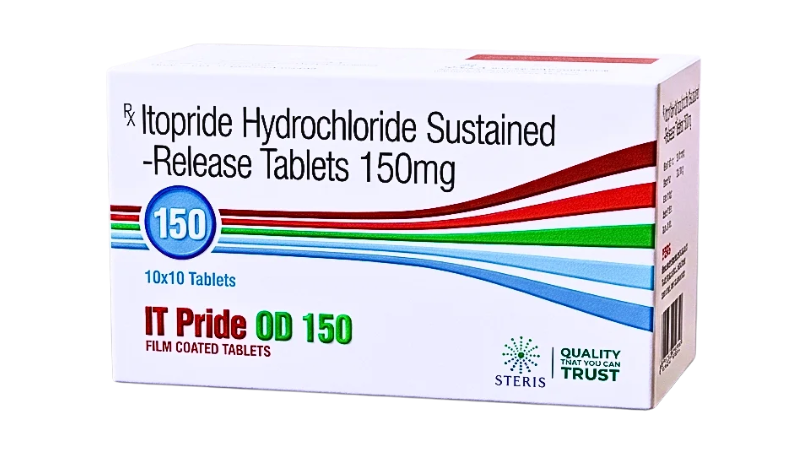
Itopride Hydrochloride Uses: What It Treats and How It Works

Glimepiride 0.5 mg + Voglibose 0.2 mg + Metformin SR 500 mg | Steris Healthcare
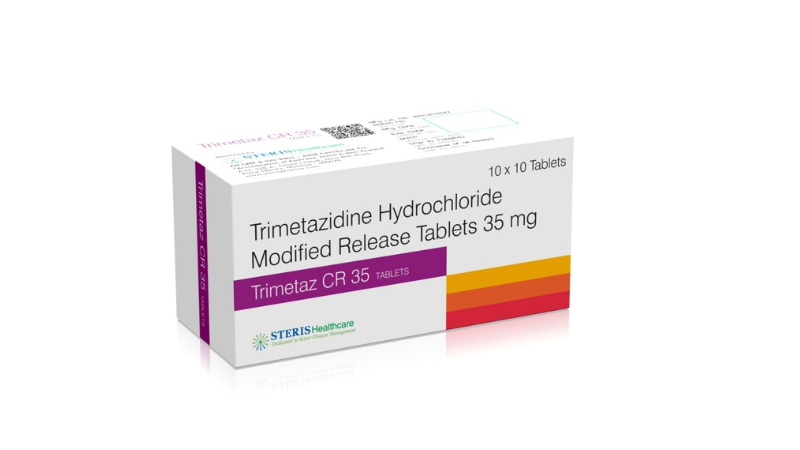
Trimetazidine Hydrochloride Modified Release Tablets 35 mg Uses, Benefits

EUROSOFT MOSQUITO SHIELD
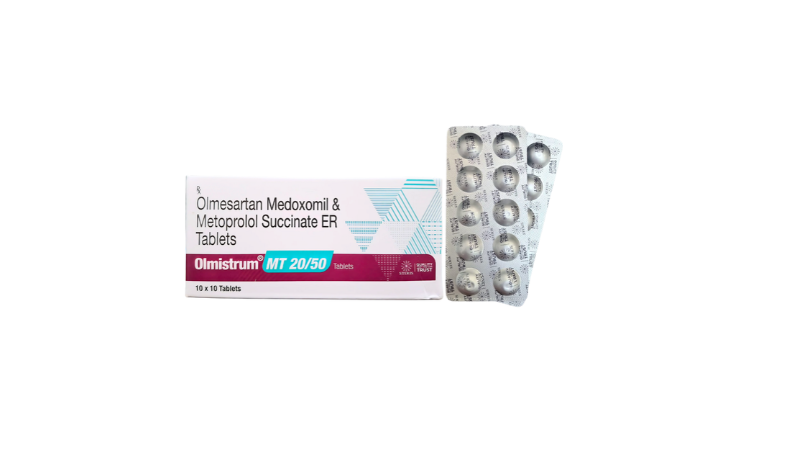
Olmesartan and Metoprolol: Uses, Benefits, Dosage & Side Effects | Steris Healthcare
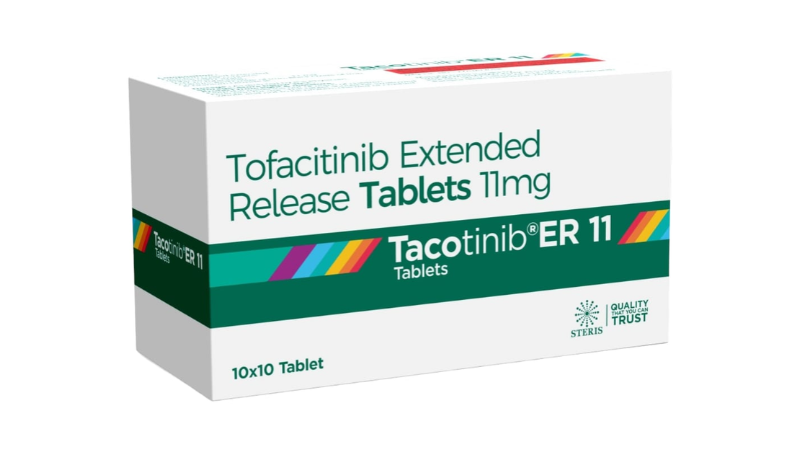
Tofacitinib 11 mg Tablets: A Complete Guide to Uses and Side Effects

Olmesartan Medoxomil + Metoprolol Succinate: Uses, Dosage
Torsemide 100 mg: Uses, Dosage, Side Effects, and Precautions

How Streptococcus Thermophilus Supports Digestive Health
Olmesartan Medoxomil + Metoprolol Succinate: Uses, Benefits & Side Effects