


Mirabegron (ER) (50mg) and Solifenacin succinate (5mg) g
Feb 07, 2024
Mirabegron (ER) (50mg) and Solifenacin succinate (5mg)
MIRAGRON S
-
Mirabegron (ER) (25mg):
- Mirabegron is a selective beta-3 adrenergic receptor agonist. It works by relaxing the detrusor muscle in the bladder, which helps to increase the bladder's storage capacity and reduce the frequency of urinary urgency and incontinence episodes.
- The "ER" designation stands for extended-release, meaning that the medication is formulated to release the active ingredient slowly over an extended period, providing continuous relief from OAB symptoms throughout the day.
- Mirabegron is typically prescribed at a dose of 25 mg once daily, although the dosage may be adjusted based on individual response and tolerability.
-
Solifenacin Succinate (5mg):
- Solifenacin succinate is an antimuscarinic agent that works by blocking the action of acetylcholine, a neurotransmitter involved in bladder contraction. By inhibiting bladder contractions, solifenacin helps to reduce urinary urgency, frequency, and incontinence associated with OAB.
- Solifenacin succinate is available in various strengths, with the typical starting dose being 5 mg once daily. The dosage may be adjusted based on individual response and tolerability, up to a maximum dose of 10 mg once daily.
Recent Post
Teneligliptin, Metformin and Dapagliflozin: Uses, Benefits and Key Features
Sitagliptin and Dapagliflozin: Uses, Benefits and Key Features
Teneligliptin and Dapagliflozin Tablets: A Complete Guide
How Metformin, Glimepiride and Dapagliflozin Help Manage Type 2 Diabetes
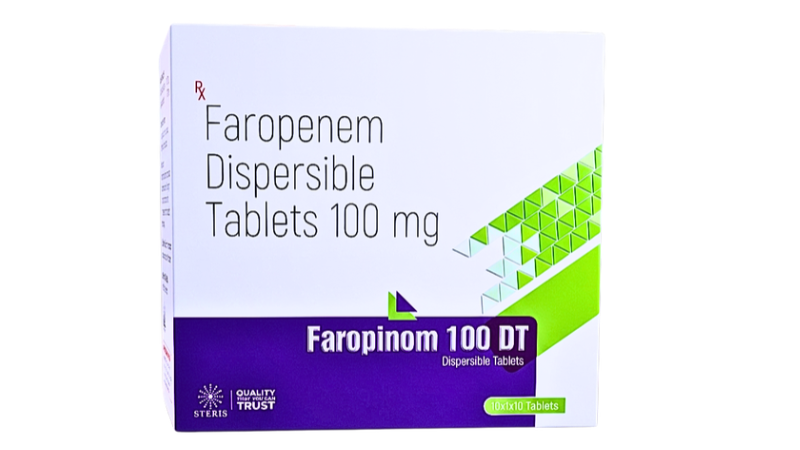
Faropenem Dispersible Tablets 100 mg: Uses, Benefits, Price & Manufacturer in India
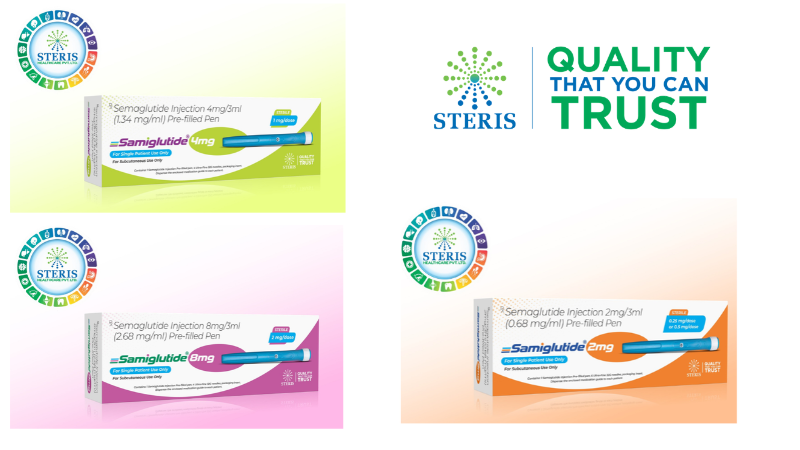
Semaglutide Injection: Uses, Prescription Requirements, and Availability in India
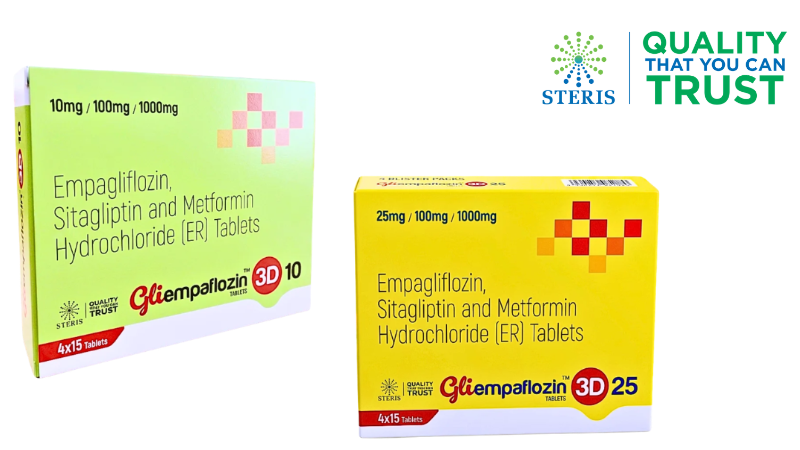
Empagliflozin, Sitagliptin and Metformin Tablets: Uses, Benefits & Price in India
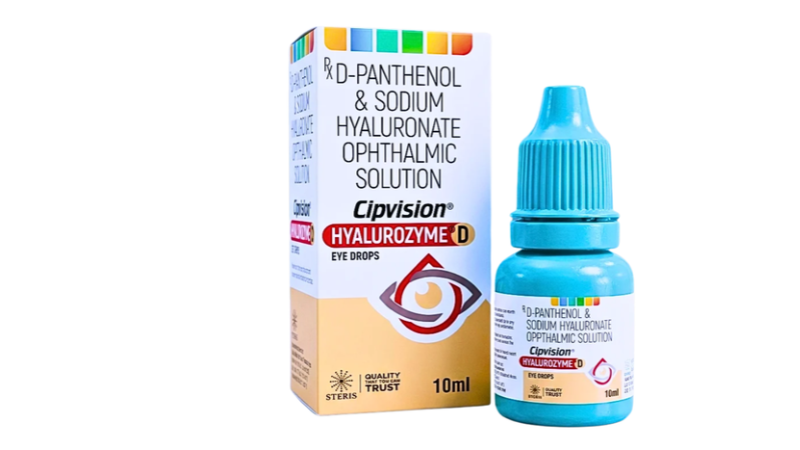
D-Panthenol & Sodium Hyaluronate Ophthalmic Solution: Uses, Benefits & Eye Care
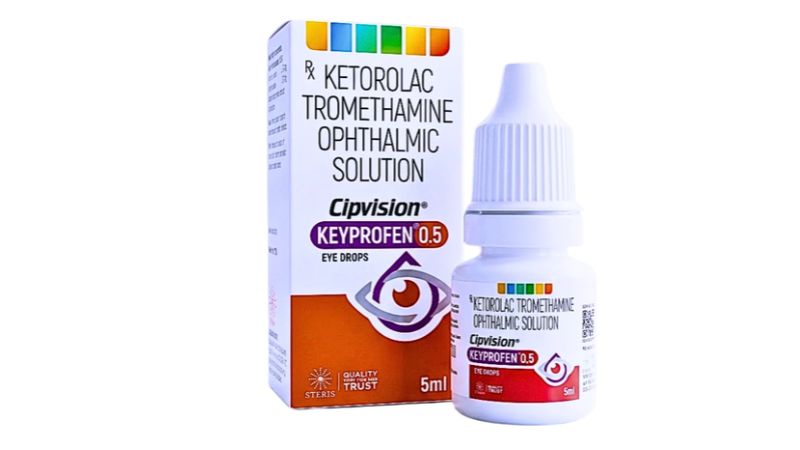
Ketorolac Tromethamine Ophthalmic Solution: Uses, Benefits, Side Effects & Dosage
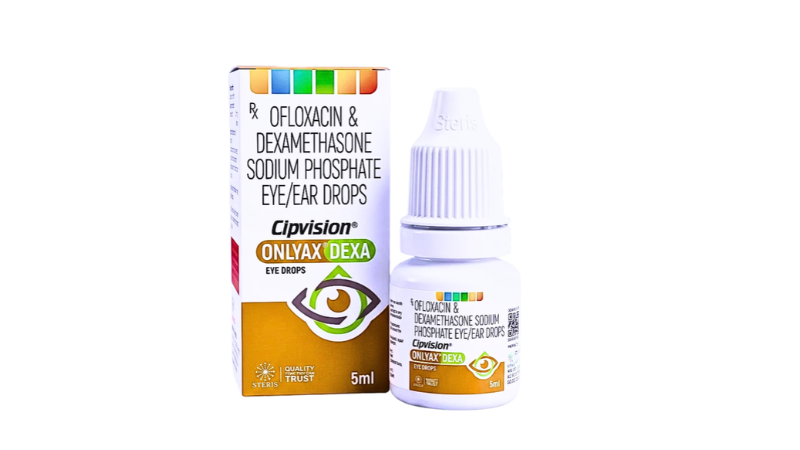
Ofloxacin Dexamethasone Eye/Ear Drops: What Doctors Prescribe

