





MINOCYCLONE 100 & Minocycline HCL (100mg): Benefits, Uses, Side Effects and Other Information.
Apr 16, 2024
MINOCYCLONE 100 is a broad-spectrum antibiotic that contains Minocycline Hydrochloride 100 mg, a semi-synthetic derivative of tetracycline. It is widely prescribed to manage bacterial infections and certain inflammatory conditions. Minocycline works by inhibiting bacterial protein synthesis, effectively stopping bacterial growth and proliferation.
In India, infections caused by bacteria, including respiratory tract infections, urinary tract infections, skin infections, and acne, are common. MINOCYCLONE 100 has emerged as a preferred option due to its broad antibacterial activity, oral convenience, and proven clinical efficacy.
Minocycline is also used in dermatology to treat moderate-to-severe inflammatory acne, offering not only antibacterial effects but also anti-inflammatory benefits, helping to reduce redness and swelling associated with acne lesions.
The unique property of Minocycline HCL makes MINOCYCLONE 100 an essential medication in modern antibiotic therapy, ensuring effective bacterial management and symptom relief while supporting faster recovery.
Uses of MINOCYCLONE 100
Minocycline Hydrochloride 100 mg, is indicated for treating various bacterial infections and certain dermatological conditions. Key therapeutic uses include:
1. Skin and Soft Tissue Infections
-
Treats acne vulgaris, folliculitis, and other inflammatory skin conditions.
-
Reduces bacterial colonization, inflammation, and associated discomfort.
2. Respiratory Tract Infections
-
Effective against bronchitis, pneumonia, sinusitis, and upper respiratory infections.
-
Helps alleviate cough, fever, and chest congestion caused by bacterial infections.
3. Urinary Tract Infections (UTIs)
-
Manages infections of the bladder, kidneys, and urinary tract caused by susceptible bacteria.
-
Reduces symptoms such as pain, burning sensation, and frequent urination.
4. Sexually Transmitted Infections (STIs)
-
Treats chlamydia and other susceptible bacterial STIs.
-
Supports rapid infection control and prevents complications.
5. Eye Infections
-
Minocycline is sometimes prescribed for bacterial conjunctivitis and ocular infections under medical supervision.
6. Rheumatological and Neurological Uses
-
Occasionally used off-label for rheumatoid arthritis due to its anti-inflammatory effects.
-
Investigated in certain neurological conditions for its neuroprotective properties.
Benefits of MINOCYCLONE 100
The use of Minocycline HCL in MINOCYCLONE 100 provides several clinical advantages:
1. Broad-Spectrum Antibacterial Action
-
Effective against a wide range of Gram-positive and Gram-negative bacteria.
-
Reduces the need for multiple antibiotics for mixed infections.
2. Anti-Inflammatory Properties
-
Reduces redness, swelling, and inflammation in acne and skin infections.
-
Supports faster healing of affected tissues.
3. Convenient Oral Dosage
-
Once or twice-daily oral tablets improve patient adherence.
-
Rapid absorption ensures quick therapeutic effects.
4. Dermatological Benefits
-
Highly effective for moderate-to-severe inflammatory acne.
-
Reduces pustules, nodules, and cystic acne lesions.
5. Prevention of Complications
-
Proper use prevents the spread of infections and systemic complications.
-
Reduces the risk of secondary infections in immunocompromised individuals.
6. Synergistic Use with Other Therapies
-
Can be combined with topical treatments for enhanced acne management.
-
Supports comprehensive infection management strategies.
7. Well-Tolerated
-
Generally safe when taken as prescribed.
-
Lower gastrointestinal upset compared to some older tetracycline antibiotics.
Dosage of MINOCYCLONE 100
The dosage of MINOCYCLONE 100 depends on the type of infection, patient age, and medical condition.
1. Adult Dosage
-
100 mg twice daily is common for most bacterial infections.
-
For acne, a typical course is 50–100 mg daily for several weeks as prescribed by a dermatologist.
2. Pediatric Dosage
-
Usually prescribed to children above 8 years.
-
Dose is calculated based on body weight and infection severity.
3. Administration Tips
-
Take tablets with a full glass of water.
-
Can be taken with or without food; however, avoid dairy products, iron, or antacids within 2 hours of dosing as they may reduce absorption.
-
Complete the full course even if symptoms improve to prevent bacterial resistance.
4. Missed Dose
-
Take the missed dose as soon as remembered.
-
Do not double the next dose to make up for a missed one.
Side Effects of MINOCYCLONE 100
Like all antibiotics, MINOCYCLONE 100 may cause some side effects. Most are mild, but serious side effects are rare.
Common Side Effects
-
Nausea and vomiting
-
Diarrhea or loose stools
-
Dizziness or mild headache
-
Mild skin rashes or itching
Moderate Side Effects
-
Photosensitivity (sensitivity to sunlight)
-
Stomach cramps
-
Temporary discoloration of teeth (especially with long-term use)
-
Throat irritation or oral ulcers
Serious Side Effects (Rare)
-
Severe allergic reactions (swelling, difficulty breathing)
-
Liver or kidney dysfunction
-
Intracranial hypertension (rare neurological complication)
-
Severe diarrhea indicating Clostridium difficile infection
-
Autoimmune reactions (rarely)
Patients experiencing serious side effects should discontinue the medication and seek immediate medical attention. Monitoring may be required during prolonged therapy.
Precautions and Warnings
1. Contraindications
-
Allergy to tetracyclines or any component of the tablet.
-
Severe liver or kidney disease.
-
Pregnancy, especially in the second and third trimesters, due to risks of tooth discoloration and bone development issues in the fetus.
2. Pregnancy and Lactation
-
Consult a healthcare professional before use.
-
Minocycline passes into breast milk; avoid during breastfeeding unless prescribed.
3. Drug Interactions
-
Avoid co-administration with antacids, iron, calcium, or zinc supplements.
-
May interact with blood thinners (warfarin), isotretinoin, or other antibiotics.
-
Inform your doctor of all ongoing medications.
4. Lifestyle Considerations
-
Avoid prolonged sun exposure due to photosensitivity; use sunscreen.
-
Drink plenty of water to prevent kidney complications.
-
Follow a proper diet and avoid alcohol during therapy.
5. Monitoring
-
Liver and kidney function tests may be necessary for long-term use.
-
Monitor for unusual bruising, persistent diarrhea, or neurological symptoms.
Conclusion
MINOCYCLONE 100 (Minocycline HCL 100 mg) is a potent, broad-spectrum antibiotic suitable for treating bacterial infections of the skin, respiratory tract, urinary tract, and more. Its additional anti-inflammatory properties make it particularly effective in managing acne and other inflammatory skin conditions.
FAQs: MINOCYCLONE 100
1. What is MINOCYCLONE 100 used for?
It treats bacterial infections including acne, respiratory infections, UTIs, skin infections, and some STIs.
2. How does it work?
Minocycline inhibits bacterial protein synthesis, stopping bacterial growth and reducing infection severity.
3. Can children take MINOCYCLONE 100?
Yes, usually children above 8 years, under medical supervision.
4. Can pregnant or breastfeeding women take this medicine?
Use only if prescribed by a doctor; it may affect fetal development and pass into breast milk.
5. What should I do if I miss a dose?
Take it as soon as possible, but do not double the next dose.
6. Are there dietary restrictions?
Avoid dairy, antacids, and mineral supplements within 2 hours of dosing.
7. Can it cause photosensitivity?
Yes, avoid prolonged sun exposure and apply sunscreen.
8. How long does it take to work?
Symptom relief may begin within a few days, but full treatment duration ensures complete infection control.
9. Can MINOCYCLONE 100 be used for acne?
Yes, it is widely prescribed for moderate-to-severe inflammatory acne.
10. What are the serious side effects?
Severe allergic reactions, liver or kidney issues, intracranial hypertension, or severe diarrhea require immediate medical attention.
Recent Post
Gabapentine 100 mg: उपयोग, फायदे और सावधानियां पूरी जानकारी
Multivitamin & Multimineral Tablets: उपयोग, फायदे और सावधानियां पूरी जानकारी
Bacillus Clausii Spores Suspension क्या है? जानें उपयोग, फायदे और साइड इफेक्ट्स
Risedronate Sodium : उपयोग, फायदे, खुराक, साइड इफेक्ट्स और सावधानियां – पूरी जानकारी
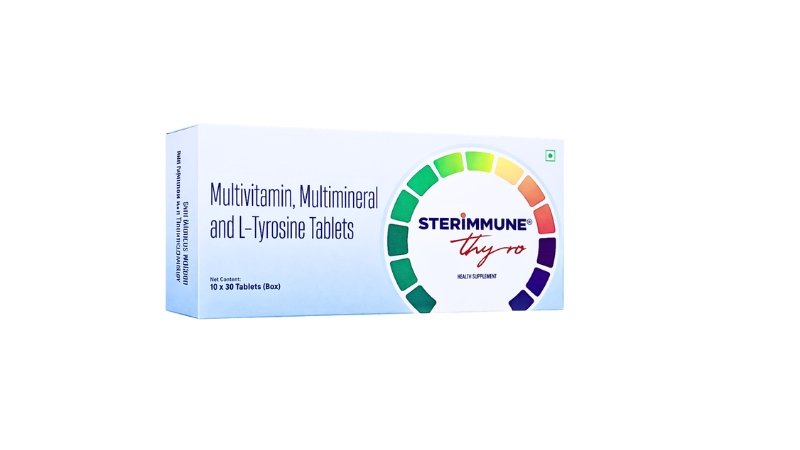
Multivitamin और L-Tyrosine Tablets के फायदे, उपयोग विधि और सावधानियां
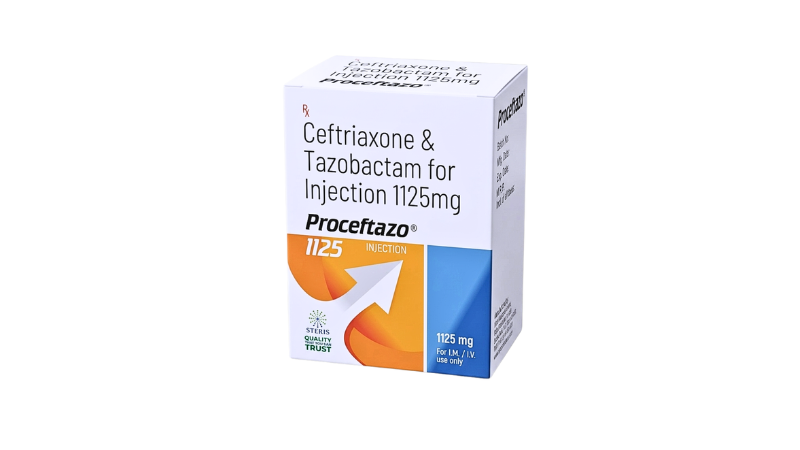
Ceftriaxone Tazobactam Injection क्या है? जानें उपयोग, फायदे और साइड इफेक्ट्स
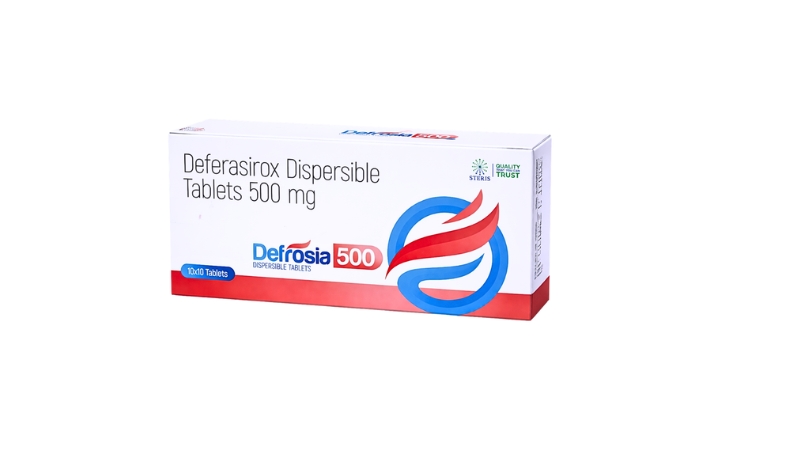
Deferasirox Tablet: उपयोग, फायदे और सावधानियां पूरी जानकारी
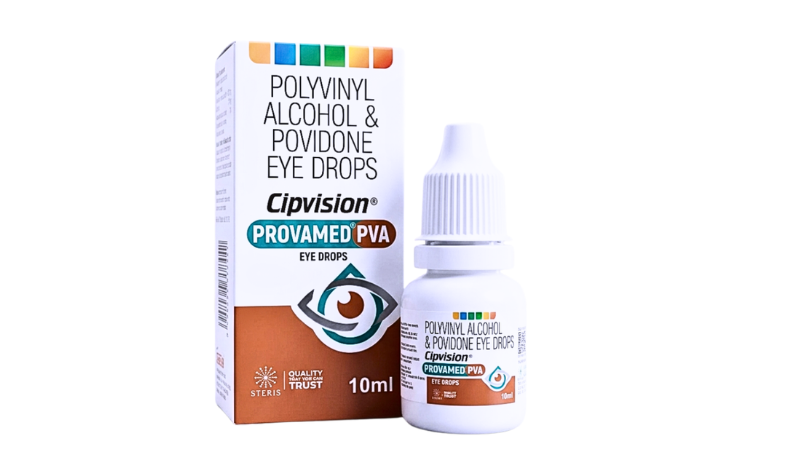
Polyvinyl Alcohol and Povidone Eye Drops: Uses, Benefits, Side Effects & Price
Luliconazole Lotion: उपयोग, फायदे और सावधानियां पूरी जानकारी
Luliconazole Shampoo कैसे काम करता है? जानें उपयोग और फायदे

