


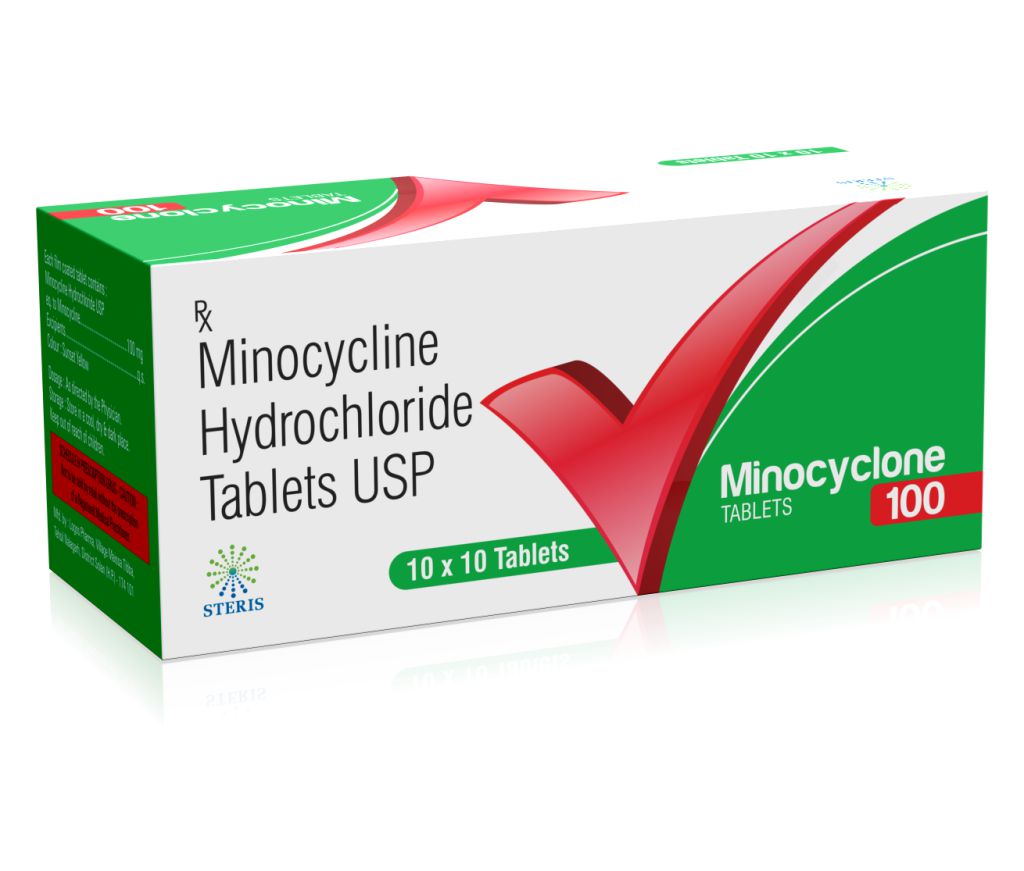
MINOCYCLONE 100
 Item requires a valid prescription
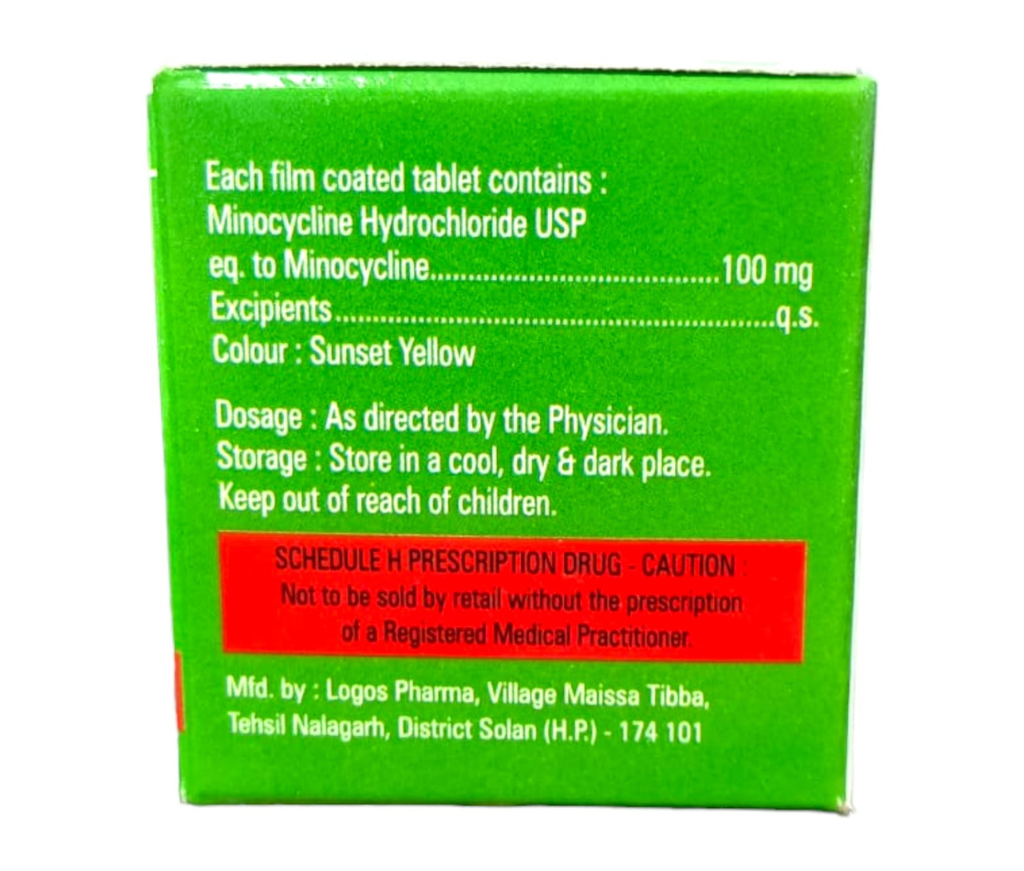
Manufactured By Steris Healthcare Pvt Ltd
Composition Minocycline HCL Tab (100mg)
Rs 321.57
MRP Rs 459.38
(30% OFF)
Includes all taxes
Package SIZE
( For 10 Tablet )

100% Authentic
Products

Free
Shipping*

Products
Return Policy
Description:
Minocycline 100 mg is an oral tetracycline-class antibiotic prescribed for certain bacterial infections and, in appropriate patients, as part of treatment for severe acne. It works by inhibiting bacterial growth and may also help reduce the bacterial activity and inflammation associated with acne. Because minocycline is an antibiotic, it should be used only when a healthcare professional determines that it is appropriate for the infection or skin condition being treated.
For people researching minocycline 100 mg uses, benefits, side effects, dosage, safety, and how to take it, the most important consideration is not simply the strength of the capsule or tablet. The right treatment depends on the diagnosis, bacterial susceptibility when relevant, age, medical history, other medicines, and the formulation prescribed.
Product Information
| Product Detail | Information |
|---|---|
| Brand Name | MINOCYCLONE 100 |
| Composition | Minocycline Hydrochloride 100 mg |
| Product Form | Tablet |
| Pack Size | 10 Tablets |
| Manufacturer/Marketer | Steris Healthcare Pvt. Ltd. |
| Target Market | India |
| Therapeutic Category | Tetracycline Antibiotic |
| Active Ingredient | Minocycline Hydrochloride |
| Strength | 100 mg |
| Route of Administration | Oral |
| Prescription Status | Prescription medicine |
| Primary Uses | Treatment of susceptible bacterial infections as prescribed by a healthcare professional |
| Storage | Store according to the instructions on the product label, away from excessive heat and moisture |
What Is Minocycline 100 mg?
Minocycline 100 mg contains 100 mg of minocycline, an antibiotic belonging to the tetracycline family. Oral minocycline is available in several formulations, including capsules, tablets, extended-release tablets, and extended-release capsules. Different formulations can have different dosing schedules, so a 100 mg strength should not automatically be interpreted as a specific daily dose.
Minocycline works primarily by interfering with bacterial protein production, thereby limiting the ability of susceptible bacteria to grow and multiply. For acne, its antibacterial and anti-inflammatory effects can make it useful as part of an appropriate treatment plan.
Importantly, minocycline 100 mg does not treat viral illnesses such as the common cold or influenza. Unnecessary antibiotic use can contribute to antibiotic resistance and expose patients to avoidable adverse effects.
Minocycline 100 mg Uses
1. Acne Treatment: One of the most recognized dermatological uses of oral minocycline is treatment of acne. Current drug information states that minocycline can be used for acne, while the prescribing information for conventional oral minocycline identifies it as potentially useful as adjunctive therapy in severe acne. For a buyer researching minocycline 100 mg for acne, it is important to understand that oral antibiotics are generally selected as part of a broader acne-management strategy rather than as a cosmetic or long-term self-treatment product.
2. Bacterial Skin Infections: Minocycline may be prescribed for certain susceptible bacterial skin and skin-structure infections. The appropriate antibiotic depends on the organism involved and its susceptibility. The current labeling specifically emphasizes responsible antibiotic selection to help reduce the development of antimicrobial resistance.
3. Respiratory Infections: Minocycline is indicated for certain bacterial respiratory infections, including infections associated with susceptible Mycoplasma pneumoniae and certain other organisms. It should not be assumed to be appropriate for every respiratory infection because many respiratory illnesses are viral.
4. Certain Other Bacterial Infections: Depending on bacterial susceptibility and the clinical situation, oral minocycline has labeled uses involving several infections, including certain chlamydial, rickettsial, and other bacterial infections. The exact indication should be determined by a qualified healthcare professional.
Key Benefits of Minocycline 100 mg
The potential benefits of minocycline 100 mg depend on why it has been prescribed.
Potential clinical benefits include:
- Treating susceptible bacterial infections when minocycline is an appropriate antibiotic choice.
- Supporting severe acne treatment as adjunctive therapy when prescribed by a healthcare professional.
- Reducing bacterial growth and spread through its tetracycline-class antibacterial mechanism.
- Providing an oral treatment option for susceptible infections in patients for whom the medicine is considered appropriate.
These benefits should not be interpreted as a guarantee that minocycline will work for every infection or every acne patient. Antibiotic selection depends on the suspected or confirmed organism, resistance patterns, clinical circumstances, and individual patient factors.
How to Take Minocycline 100 mg
Take minocycline exactly as prescribed. Oral capsules and tablets may be taken with or without food according to the specific formulation and prescribing instructions. MedlinePlus advises taking capsules or tablets with a full glass of water; taking them with food may reduce the likelihood of throat or esophageal irritation.
Do not automatically substitute one minocycline formulation for another. Immediate-release and extended-release products can have different administration schedules.
If you miss a dose, follow the instructions provided by your healthcare professional or product information. Do not double the next dose unless specifically instructed.
Minocycline 100 mg Side Effects
Like other antibiotics, minocycline can cause side effects. Commonly reported effects include:
- Nausea
- Vomiting
- Diarrhea
- Heartburn or digestive discomfort
- Dizziness
- Ringing in the ears
- Headache
- Fatigue or weakness
- Changes in skin, nail, gum, or tooth coloration
- Hair loss
- Dry mouth
- Changes in taste
- Muscle or joint discomfort
- Numbness, tingling, or prickling sensations
Not everyone experiences these effects, and their severity can vary.
Serious Minocycline Side Effects
Some reactions require prompt medical evaluation. Seek medical attention for symptoms such as:
- Severe or persistent headache accompanied by blurred or double vision or vision loss
- Serious rash, blistering, peeling skin, or swelling of the face or throat
- Difficulty breathing or swallowing
- Yellowing of the skin or eyes
- Dark urine or other symptoms suggesting liver problems
- Unusual bruising or bleeding
- Reduced urination
- Seizures
- Chest pain or an irregular heartbeat
- Severe or bloody diarrhea during treatment or after stopping the antibiotic
Rare but serious reactions involving the liver, nervous system, skin, blood, and gastrointestinal tract have been reported with minocycline. The current labeling also documents potentially serious hypersensitivity reactions.
Important Minocycline 100 mg Precautions
Minocycline is not suitable for everyone.
It should not be taken by people with a known allergy to minocycline or other tetracycline antibiotics. Current patient information also warns against use during pregnancy because minocycline may harm an unborn baby. It is generally not recommended for children up to 8 years old because tetracycline-class medicines can cause permanent tooth discoloration during tooth development.
Before starting minocycline, tell your healthcare professional about your medical history and all medicines, vitamins, minerals, and supplements you take.
Minocycline can also cause dizziness or lightheadedness in some people. Until you know how the medicine affects you, use caution with driving or activities requiring alertness.
Minocycline 100 mg and Antibiotic Resistance
A major consideration when researching or purchasing prescription antibiotics is responsible antibiotic use.
Minocycline should be used only when a susceptible bacterial infection is proven or strongly suspected. Using antibiotics unnecessarily can promote resistant bacteria, potentially making future infections more difficult to treat. Current prescribing information specifically emphasizes antimicrobial stewardship when selecting minocycline.
This means minocycline 100 mg should not be purchased or used simply because symptoms resemble a previous infection that responded to antibiotics.
Buyer Guide: What to Check Before Buying Minocycline 100 mg
If you are researching a minocycline 100 mg product, check the following before placing an order:
- Confirm that the product contains minocycline and the stated strength is 100 mg.
- Check whether it is a capsule, immediate-release tablet, or extended-release formulation.
- Verify the manufacturer, packaging, batch information, and expiry date.
- Confirm that the product comes from a legitimate, appropriately regulated pharmacy or medicine supplier.
- Follow the prescription and dispensing requirements applicable in your country.
- Review potential interactions with your current medicines and supplements.
- Avoid products making unrealistic promises such as guaranteed acne clearance or universal infection treatment.
- Do not use another person's antibiotic prescription.
Is Minocycline 100 mg Good for Acne?
Minocycline can be an effective prescription option for certain patients with acne, particularly when oral antibiotic treatment is clinically appropriate. MedlinePlus identifies minocycline as a treatment for acne, while conventional oral labeling describes it as adjunctive therapy for severe acne.
However, acne has multiple causes and treatment requirements. A healthcare professional may consider the severity and type of acne, previous treatments, duration of symptoms, age, pregnancy status, and other health factors before selecting an oral antibiotic.
Minocycline should therefore not be viewed as a general-purpose acne supplement or cosmetic medicine.
Does Minocycline 100 mg Treat Viral Infections?
No. Minocycline is an antibacterial medicine and does not treat viral infections such as colds or influenza. Taking an antibiotic when it is not needed provides no benefit against a viral illness and can contribute to antibiotic resistance and side effects.
Frequently Asked Questions
1. What is minocycline 100 mg used for?
Minocycline 100 mg is an oral tetracycline antibiotic used for certain susceptible bacterial infections and may be prescribed as adjunctive treatment for severe acne. The appropriate indication depends on the patient's diagnosis and the susceptibility of the bacteria involved.
2. What are the benefits of minocycline 100 mg?
The main potential benefit is treatment of susceptible bacterial infections. In dermatology, minocycline may also help manage acne by reducing acne-associated bacteria and inflammation. It should be used only when clinically appropriate.
3. What are the most common side effects of minocycline 100 mg?
Common side effects can include nausea, vomiting, diarrhea, dizziness, headache, ringing in the ears, heartburn, changes in pigmentation, and tingling or numbness. Some people may experience other adverse effects.
4. Is minocycline 100 mg used for acne?
Yes. Minocycline is used for acne, and conventional oral labeling identifies it as potentially useful as adjunctive treatment for severe acne. A healthcare professional should determine whether oral minocycline is appropriate for an individual patient.
5. How often should I take minocycline 100 mg?
There is no universal schedule for every minocycline 100 mg product. Immediate-release and extended-release formulations can have different dosing instructions. Take the exact formulation and dose prescribed by your healthcare professional rather than choosing a schedule based solely on the 100 mg strength.
6. Can I take minocycline 100 mg with food?
Depending on the formulation, minocycline capsules and tablets may be taken with or without food. Taking the medicine with food can help reduce the chance of throat or esophageal irritation. Follow the specific instructions supplied with your prescription.
7. Can minocycline 100 mg treat a cold or flu?
No. Colds and influenza are viral illnesses, and minocycline does not treat viral infections. Antibiotics should be used only when indicated for bacterial infections.
8. Who should not take minocycline 100 mg?
People with an allergy to minocycline or other tetracycline antibiotics should not take it. Minocycline is also not recommended during pregnancy and is generally not recommended for children up to 8 years old because of potential effects on fetal development and developing teeth.
9. Can minocycline cause permanent discoloration?
Yes. Minocycline can cause changes in the color of skin, scars, nails, teeth, or gums. Such pigmentation changes are recognized adverse effects and should be discussed with a healthcare professional if they occur.
10. Is minocycline 100 mg safe for long-term use?
Safety depends on the reason for treatment, duration, formulation, dose, and individual health factors. Long-term or repeated antibiotic use should be medically supervised because minocycline can cause adverse effects and unnecessary antibiotic exposure can contribute to resistance.