


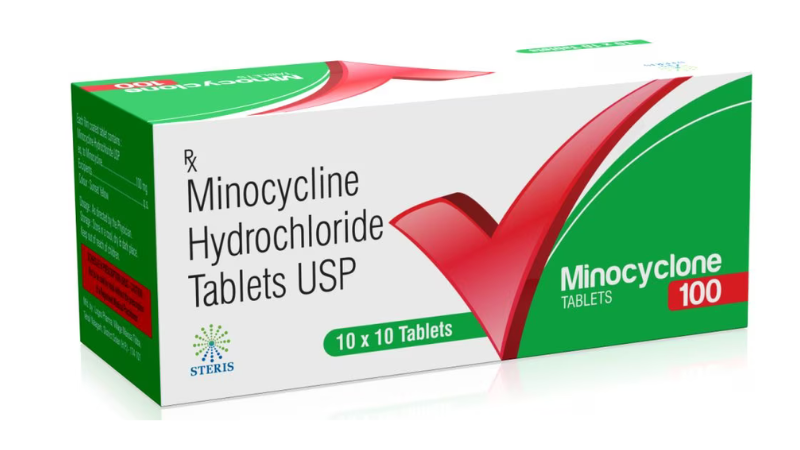



Minocycline HCL (100mg): Uses, Dosage, Side Effects, and Pricing
Jul 27, 2024
MINOCYCLONE 100 is a powerful antibiotic tablet containing Minocycline Hydrochloride 100 mg, designed to treat a variety of bacterial infections effectively. Minocycline belongs to the tetracycline class of antibiotics, known for its broad-spectrum antibacterial activity. It is widely used in clinical practice to manage respiratory infections, skin infections, urinary tract infections, and more.
This medication works by inhibiting bacterial growth, thereby reducing the severity of infections and promoting faster recovery. MINOCYCLONE 100 is trusted by healthcare professionals for its high efficacy, safety profile, and ability to target a wide range of bacterial strains.
Composition of MINOCYCLONE 100
Each tablet contains:
-
Minocycline Hydrochloride 100 mg – The active ingredient responsible for antibacterial activity.
Minocycline works by interfering with bacterial protein synthesis, preventing bacteria from multiplying and spreading. The result is effective infection control and symptom relief.
Uses of MINOCYCLONE 100
MINOCYCLONE 100 is used to treat a variety of bacterial infections, including but not limited to:
-
Respiratory Tract Infections:
-
Bronchitis
-
Pneumonia
-
Sinusitis
-
-
Skin Infections:
-
Acne vulgaris
-
Cellulitis
-
Abscesses
-
-
Urinary Tract Infections (UTIs):
-
Cystitis
-
Pyelonephritis
-
-
Sexually Transmitted Infections (STIs):
-
Chlamydia
-
Certain cases of gonorrhea
-
-
Other Bacterial Infections:
-
Ear infections
-
Eye infections (as prescribed)
-
MINOCYCLONE 100 is versatile in its applications due to its broad-spectrum antibacterial nature, making it suitable for adults with bacterial infections that require targeted antibiotic therapy.
How MINOCYCLONE 100 Works
MINOCYCLONE 100 functions through several key mechanisms:
-
Inhibition of Bacterial Protein Synthesis:
-
Minocycline binds to the 30S ribosomal subunit of bacteria, preventing the synthesis of essential proteins.
-
Without these proteins, bacteria cannot grow or reproduce, leading to their death.
-
-
Broad-Spectrum Activity:
-
Effective against both Gram-positive and Gram-negative bacteria, including Staphylococcus aureus, Streptococcus pneumoniae, and Escherichia coli.
-
This makes it useful in treating a wide variety of infections.
-
-
Anti-inflammatory Action:
-
Minocycline has anti-inflammatory properties, which makes it particularly effective in treating acne and certain skin infections.
-
Reduces redness, swelling, and irritation in infected areas.
-
Benefits of MINOCYCLONE 100
-
Effective Against Multiple Infections: Treats respiratory, urinary, skin, and sexually transmitted infections.
-
Fast Symptom Relief: Reduces bacterial load quickly, alleviating fever, pain, and inflammation.
-
Anti-inflammatory Properties: Supports skin healing, especially in acne management.
-
Convenient Dosage: Oral tablets are easy to administer and suitable for outpatient treatment.
-
Well-Tolerated: Generally safe for adults when used as directed under medical supervision.
Dosage and Administration
Recommended Dosage:
-
Typically, 100 mg twice daily or as prescribed by your healthcare provider.
-
The dosage may vary depending on infection type, severity, and patient’s medical history.
How to Take:
-
Swallow the tablet with a full glass of water.
-
Take with or without food; however, avoid dairy products immediately after the dose as they may reduce absorption.
-
Complete the full course of treatment, even if symptoms improve, to prevent bacterial resistance.
Important Precautions:
-
Avoid lying down immediately after taking the tablet to prevent esophageal irritation.
-
Maintain adequate hydration during treatment.
-
Avoid prolonged sun exposure as Minocycline can cause photosensitivity.
-
Pregnant or breastfeeding women should consult a doctor before taking this medication.
Side Effects of MINOCYCLONE 100
Like all medications, MINOCYCLONE 100 may cause some side effects:
Common Side Effects:
-
Nausea and vomiting
-
Diarrhea
-
Dizziness
-
Mild skin rash
Less Common but Serious Side Effects:
-
Severe allergic reactions
-
Liver toxicity
-
Intracranial hypertension (rare)
-
Discoloration of teeth (in long-term use)
Precautions:
-
Monitor for allergic reactions such as swelling, hives, or difficulty breathing.
-
Inform your doctor if you have liver disease, kidney disease, or a history of intracranial hypertension.
MINOCYCLONE 100 for Acne Management
Minocycline is widely used in dermatology for moderate to severe acne:
-
Reduces bacterial growth on the skin, especially Propionibacterium acnes.
-
Minimizes inflammation, redness, and swelling.
-
Can be combined with topical treatments for faster results.
Note: Acne treatment may require several weeks for visible improvement. Always follow your dermatologist’s guidance.
MINOCYCLONE 100 in Respiratory Infections
Respiratory tract infections, including bronchitis, pneumonia, and sinusitis, are effectively treated with MINOCYCLONE 100 because:
-
It targets common respiratory pathogens, including Streptococcus pneumoniae and Haemophilus influenzae.
-
Reduces symptoms like cough, fever, and chest congestion.
-
Helps prevent secondary infections by controlling bacterial growth.
MINOCYCLONE 100 in Urinary Tract Infections (UTIs)
-
Treats cystitis, pyelonephritis, and other bacterial UTIs.
-
Works by eradicating bacterial colonies in the urinary tract.
-
Helps prevent recurrence when the full course is completed.
MINOCYCLONE 100 in Sexually Transmitted Infections (STIs)
-
Effective against chlamydia and selected gonorrhea strains.
-
Prescribed as a part of combination therapy for STI management.
-
Reduces complications and transmission risks.
Safety Measures and Interactions
Avoid:
-
Dairy products immediately after the dose.
-
Prolonged sun exposure without protection.
-
Antacids containing aluminum, calcium, or magnesium within 2 hours of taking the tablet.
Inform your doctor if you:
-
Are pregnant or breastfeeding.
-
Have kidney or liver problems.
-
Are taking other medications, especially blood thinners or retinoids.
Comparison with Other Antibiotics
| Feature | MINOCYCLONE 100 | Other Tetracyclines | Penicillin |
|---|---|---|---|
| Broad-spectrum activity | ✅ Effective for Gram-positive & Gram-negative bacteria | ✅ | Limited |
| Anti-inflammatory properties | ✅ Helps in acne & skin infections | ❌ | ❌ |
| Convenience | ✅ Oral tablets, twice daily | ✅ | Varies |
| Photosensitivity risk | ⚠ Moderate | ⚠ Moderate | ❌ |
| Multi-use | ✅ Respiratory, UTIs, skin, STIs | ✅ | Mostly respiratory & UTIs |
FAQs About MINOCYCLONE 100
1. Can MINOCYCLONE 100 be taken with food?
Yes, it can be taken with or without food, but avoid dairy products immediately after taking the tablet.
2. How long does it take to see results?
Depends on the infection. Skin infections and acne may take 2–4 weeks, while respiratory infections may improve in 3–7 days.
3. Can children take MINOCYCLONE 100?
It is usually prescribed for adults. Pediatric doses require doctor consultation.
4. Can it cause dizziness or nausea?
Yes, these are common mild side effects and usually resolve on their own.
5. Is MINOCYCLONE 100 safe during pregnancy?
Pregnant women should consult their doctor before using it due to potential effects on fetal development.
Conclusion
MINOCYCLONE 100 – Minocycline HCL 100 mg Tablets is a broad-spectrum antibiotic ideal for treating various bacterial infections, including skin, respiratory, urinary, and sexually transmitted infections. Its anti-inflammatory properties make it effective for acne management, while its high efficacy and safety profile ensure reliable treatment for adults under medical supervision.
Recent Post
Pantoprazole Gastro-Resistant Combo Kit: एसिडिटी, गैस और अल्सर से तुरंत राहत पाने का सही तरीका
TASMULINE 0.4 Tablet Uses in Hindi: तामसुलोसिन 0.4 mg कब, कैसे और क्यों लें?
Semaglutide Injection: Uses, Benefits, Side Effects, Dosage & Safety | SAMIGLUTIDE 4 MG
Betahistine Dihydrochloride Tablet: उपयोग, खुराक, दुष्प्रभाव और विकल्प — पूरी जानकारी
Valsartan 80 mg + Hydrochlorothiazide 12.5 mg Uses in Hindi: जानें इसके मुख्य फायदे और उपयोग
जानें fluvoxamine 50 mg के उपयोग, फायदे और बेस्ट प्राइस
Thiocolchicoside Aceclofenac & Paracetamol: उपयोग, फायदे और सावधानियां
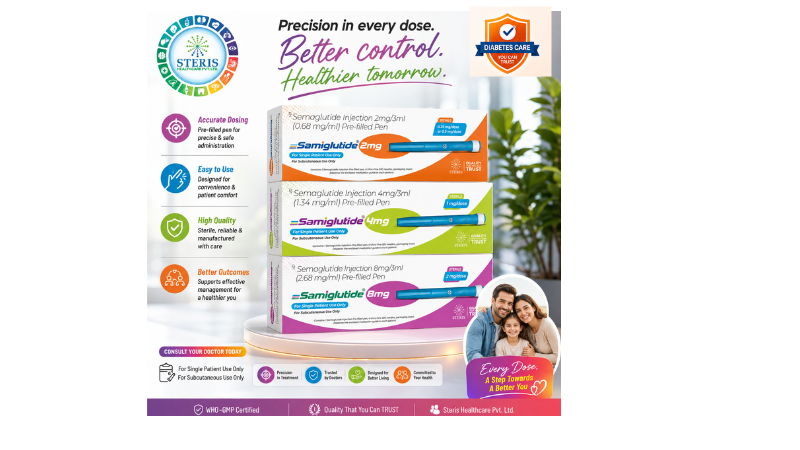
Semaglutide Injection for Type 2 Diabetes: Uses, Benefits, Dosage & Side Effects
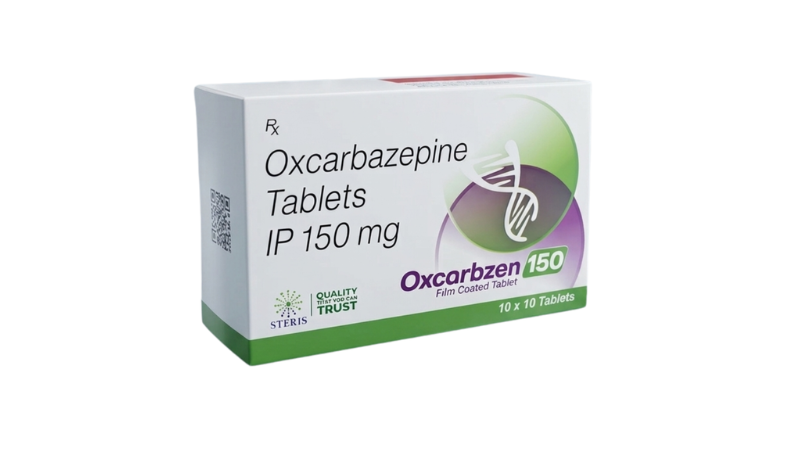
OXCARBZEN 150 क्या है? oxcarbazepine 150 mg tablet uses in hindi और पूरी जानकारी
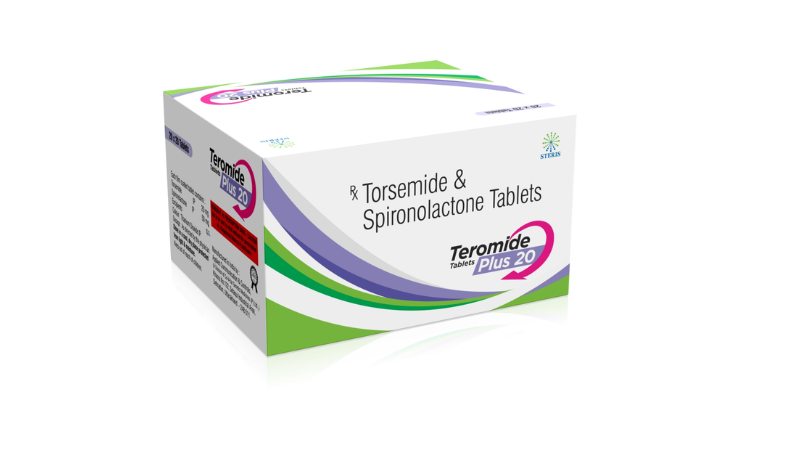
जानें Torsemide 20 mg + Spironolactone 50 mg के उपयोग और फायदे

