


Midodrine hydrochloride
May 01, 2023
Midodrine hydrochloride
Midoright is a medication used to treat low blood pressure. Midoright works by narrowing the blood vessels, which increases blood pressure.
Midoright is typically prescribed for people who experience symptoms of low blood pressure, such as dizziness, lightheadedness, or fainting, particularly when standing up from a seated or lying position. It can be used in conditions such as orthostatic hypotension or postural hypotension.
Midoright is usually taken orally, and the dosage is typically adjusted based on the individual's blood pressure and response to the medication. Common side effects of midodrine include headache, nausea, and tingling or prickling sensations in the scalp.
As with all medications, it's important to take Midoright exactly as prescribed by your healthcare provider and to talk to your doctor about any side effects or concerns you may have. Additionally, Midoright should be used with caution in people with certain medical conditions, such as heart disease or kidney disease, and should not be taken by pregnant or breastfeeding women without first consulting with a healthcare provider.
Midoright is available in strengths of 2.5 , 5 & 10 mg.
For further information please contact: info@sterispharma.com
Recent Post
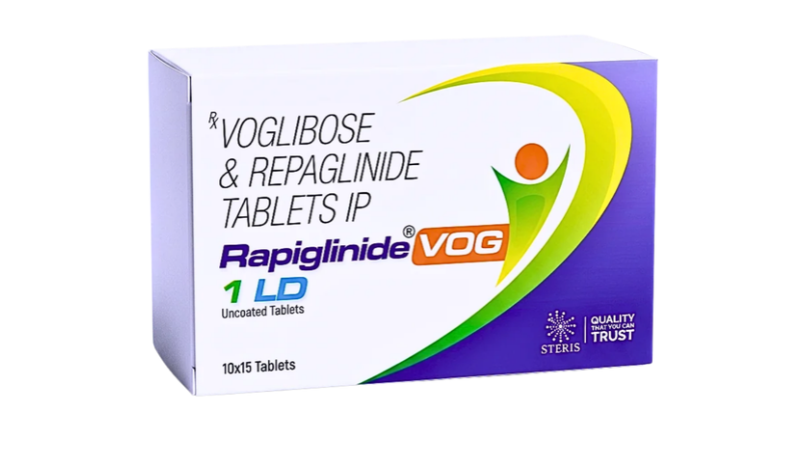
Voglibose 0.2 mg and Repaglinide 1 mg Tablets IP: Uses, Benefits, Dosage and Side Effects
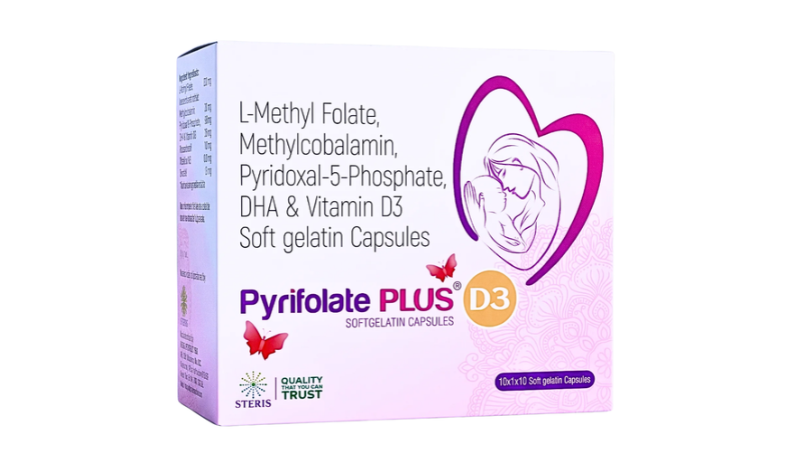
L-Methyl Folate,Methylcobalamin,Pyridoxal-5-Phosphate,DHA & Vitamin D3 Soft Gelatin Capsules
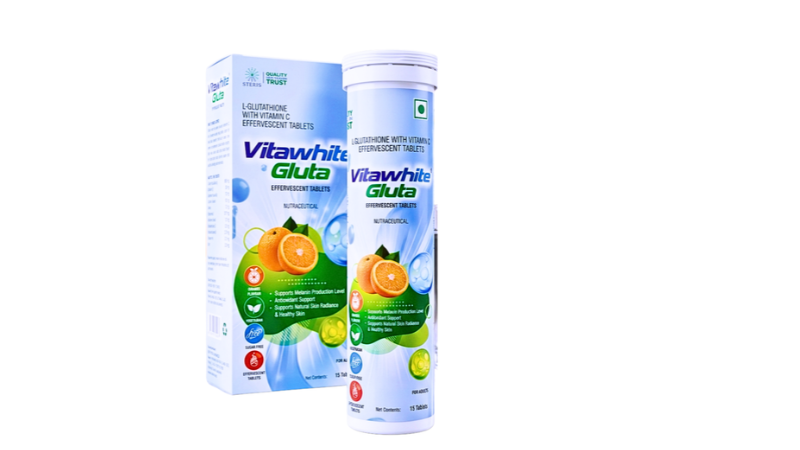
Glutathione With Vitamin C Tablets: Complete Guide to Skin Health

L-Glutathione With Vitamin C Effervescent Tablets: Uses, Benefits, Side Effects & Skin Health
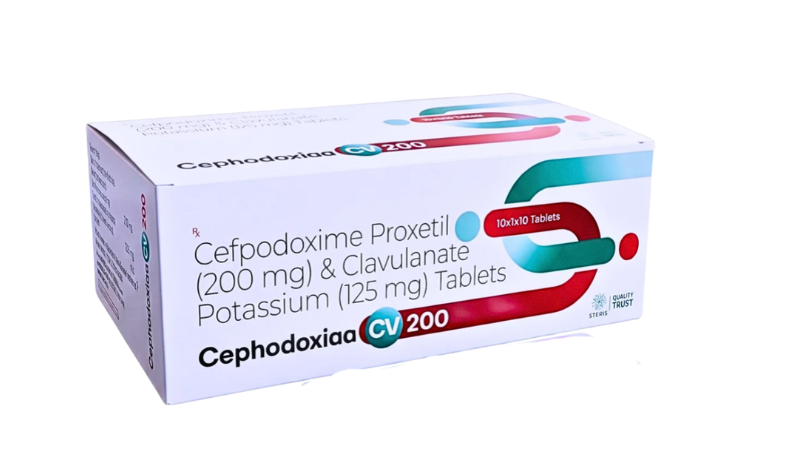
Cefpodoxime Proxetil 200 mg And Clavulanate Potassium 125 mg Tablets: Uses, Benefits
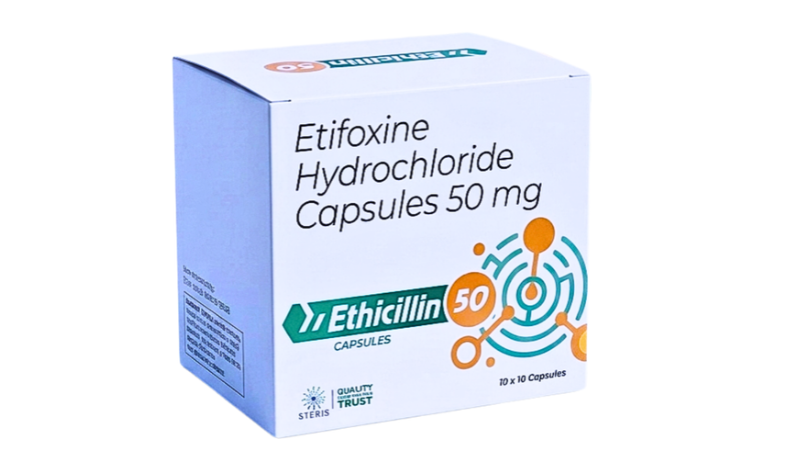
Etifoxine Hydrochloride Capsules 50 mg: Uses, Benefits, Side Effects & Precautions
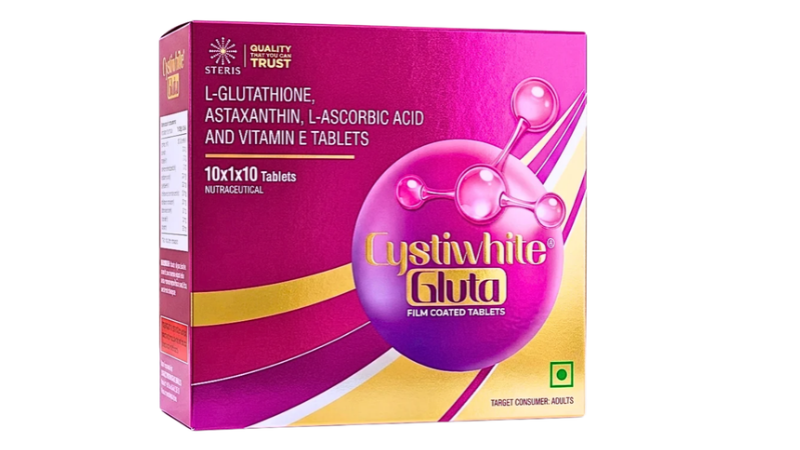
Glutathione with Astaxanthin Tablets: Benefits, Side Effects and Skin Health
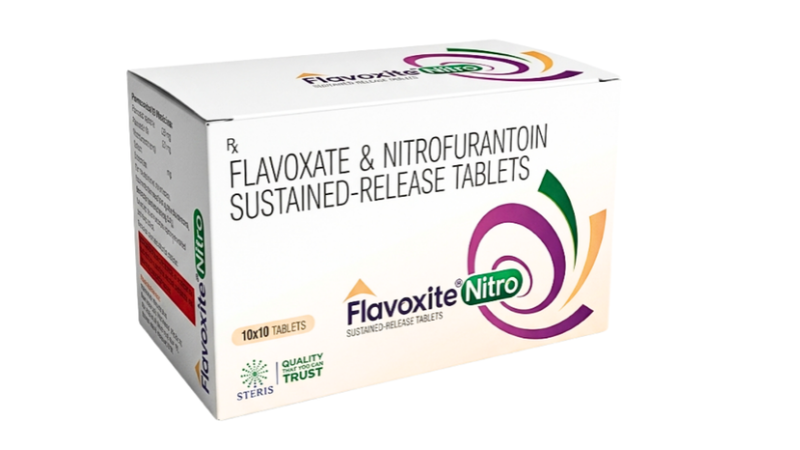
Flavoxate 200 mg + Nitrofurantoin 100 mg Tablets: Uses, Benefits and Side Effects
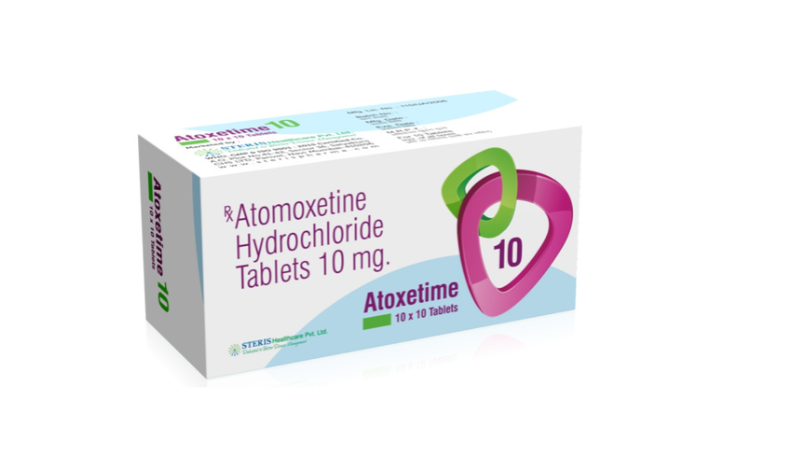
Atomoxetine 10mg के उपयोग, फायदे और नुकसान: पूरी जानकारी।
Apixaban 2.5mg: खून के थक्के बनने से रोकने में कैसे मदद करती है?