





Mefenamic Acid With Paracetamol Suspension Effective Relief for Pain and Fever in Kids Steris Healthcare.
Dec 13, 2025
What Is Mefenamic Acid with Paracetamol Suspension?
Mefenamic Acid with Paracetamol Suspension is a fixed-dose combination oral liquid medication that brings together two well-established classes of medicine acting through complementary pathways. Mefenamic acid is a nonsteroidal anti-inflammatory drug (NSAID) belonging to the fenamate class, which works by inhibiting the cyclooxygenase (COX) enzymes responsible for producing prostaglandins — the chemical mediators that cause pain, inflammation, and fever in the body. By blocking this pathway, mefenamic acid effectively reduces inflammation alongside pain and fever.
Paracetamol (acetaminophen), on the other hand, works primarily through central mechanisms in the brain and spinal cord, inhibiting prostaglandin synthesis in the central nervous system to reduce fever and relieve pain, while having minimal anti-inflammatory action in peripheral tissues. It is widely regarded as one of the safest antipyretic and analgesic agents when used at appropriate doses.
When combined, these two agents offer a synergistic effect — mefenamic acid addresses peripheral inflammation and pain at the source, while paracetamol contributes rapid central fever and pain control. This combination is particularly popular in pediatric formulations because it allows for effective symptom management at lower individual doses of each drug, which can help minimize side effects compared to using a higher dose of either medicine alone. The suspension form makes it especially suitable for children, elderly patients, or anyone who has difficulty swallowing solid dosage forms.
Uses of Mefenamic Acid with Paracetamol Suspension
- Relief of fever associated with common infections, viral illness, and post-vaccination reactions
- Management of mild to moderate pain, including headache, toothache, and body ache
- Relief from pain and inflammation associated with ear infections (otitis media)
- Symptomatic relief in sore throat and upper respiratory tract infections
- Management of post-operative or post-traumatic pain in children
- Relief of musculoskeletal pain and minor injury-related discomfort
- Adjunct symptomatic treatment during common cold and flu-like illness
Key Benefits of Mefenamic Acid with Paracetamol Suspension
- Dual-action relief: Combines anti-inflammatory action with rapid antipyretic and analgesic effect for comprehensive symptom control
- Pediatric-friendly formulation: Liquid suspension form ensures easy administration and accurate dosing in children
- Faster onset of fever relief: Paracetamol's central action provides quick reduction in body temperature
- Reduced inflammation: Mefenamic acid's peripheral anti-inflammatory action helps with pain linked to swelling or infection
- Lower individual drug dose: Combination allows effective symptom control while limiting exposure to higher doses of either agent alone
- Palatable dosage form: Suspension formulations are typically flavored, improving compliance in pediatric patients
- Convenient dosing flexibility: Liquid form allows precise dose adjustment based on body weight, especially important in children
Dosage and Administration
| Parameter | Recommendation |
|---|---|
| Usual dose | Based on body weight and age; as prescribed by physician |
| Administration | Shake well before use; measure dose using the calibrated measuring cup/spoon provided |
| Timing | Can be given with or after food to minimize gastric irritation |
| Frequency | Typically every 6–8 hours as needed, not exceeding physician-recommended maximum daily dose |
| Missed dose | Give as soon as remembered if being used on a scheduled basis; do not double the dose |
| Duration | Short-term use for fever/pain; not for prolonged use without medical supervision |
Note: Exact dosage must be calculated based on the child's or patient's body weight and determined by a qualified physician. Do not exceed the recommended dose or frequency.
Side Effects of Mefenamic Acid with Paracetamol Suspension
- Nausea or vomiting
- Stomach discomfort or mild gastric irritation
- Diarrhea or loose stools
- Drowsiness (uncommon)
- Skin rash or mild allergic reaction
- Dizziness
- Heartburn or acid reflux sensation
- Liver enzyme elevation with prolonged or excessive use
- Reduced appetite
Seek immediate medical attention if there are signs of severe allergic reaction (swelling of face/lips, difficulty breathing), black or bloody stools, persistent vomiting, yellowing of skin/eyes, or unusual bruising, as these may indicate serious gastrointestinal or liver-related adverse effects.
Drug Interactions
| Drug/Class | Interaction Effect |
|---|---|
| Other NSAIDs | Increased risk of gastrointestinal irritation and bleeding; avoid concurrent use |
| Anticoagulants (Warfarin) | Mefenamic acid may enhance bleeding risk |
| Antihypertensives | May reduce blood-pressure-lowering effect |
| Diuretics | Reduced diuretic efficacy and increased kidney strain risk |
| Other paracetamol-containing products | Risk of paracetamol overdose if combined without adjusting total daily dose |
| Alcohol | Increased risk of liver toxicity and gastric irritation |
| Corticosteroids | Increased risk of gastrointestinal ulceration |
Conclusion
Mefenamic Acid with Paracetamol Suspension offers an effective, well-tolerated combination therapy for managing fever, pain, and inflammation, particularly in pediatric patients who require a liquid dosage form. By combining the peripheral anti-inflammatory action of mefenamic acid with the rapid central antipyretic effect of paracetamol, this suspension provides comprehensive symptom relief while allowing for precise, weight-based dosing. As with any combination NSAID-analgesic product, it should be used at the correct dose and duration under medical supervision, with attention to signs of gastrointestinal or allergic reactions. Parents and caregivers should always use the calibrated measuring device provided and avoid combining with other paracetamol-containing products to prevent inadvertent overdose.
Frequently Asked Questions
1. What is Mefenamic Acid with Paracetamol Suspension used for?
It is used to relieve fever, mild to moderate pain, and inflammation, and is commonly prescribed for children as a liquid alternative to tablets.
2. How does Mefenamic Acid with Paracetamol Suspension work?
Mefenamic acid reduces inflammation and pain by blocking prostaglandin production, while paracetamol acts centrally to lower fever and relieve pain quickly.
3. Is this suspension safe for children?
Yes, it is commonly prescribed for children in weight-based doses under medical supervision, using the calibrated measuring device provided.
4. What is the correct dosage for children?
Dosage is calculated based on the child's body weight and age, and must be determined by a pediatrician or physician.
5. Can Mefenamic Acid with Paracetamol Suspension be given on an empty stomach?
It is generally recommended to give it with or after food to reduce the risk of stomach irritation.
6. What are the common side effects of this suspension?
Common side effects include nausea, stomach discomfort, diarrhea, and occasionally mild skin rash.
7. How quickly does it reduce fever?
Paracetamol's central action typically begins reducing fever within 30 to 60 minutes of administration.
8. Can this suspension be given for teething pain in babies?
Use in very young infants should only be based on specific physician guidance, as dosing safety varies by age and weight.
9. Is Mefenamic Acid with Paracetamol Suspension safe for long-term use?
No, it is intended for short-term symptomatic relief; prolonged use should only occur under medical supervision.
10. Can adults take this suspension too?
Yes, though it is primarily formulated for pediatric use, adults who have difficulty swallowing tablets may also be prescribed this suspension.
11. What should I do if I miss a scheduled dose?
Give the dose as soon as remembered; if the next dose is due soon, skip the missed one — do not double the dose.
12. Can this medicine be combined with other fever-reducing syrups?
No, combining with other paracetamol-containing products should be avoided to prevent accidental overdose.
13. Does this suspension need to be shaken before use?
Yes, the bottle should always be shaken well before measuring and administering each dose.
14. What precautions should be taken while giving this suspension to children?
Always use the calibrated measuring cup or spoon provided, follow weight-based dosing, and avoid exceeding the prescribed frequency.
15. Can this suspension cause stomach upset in children?
Mild gastric discomfort or nausea can occur; giving the dose with food can help reduce this risk.
16. Is a prescription required for Mefenamic Acid with Paracetamol Suspension?
Yes, this is typically a prescription medication and should be used under medical guidance, especially for children.
17. What signs indicate an allergic reaction to this medicine?
Signs include skin rash, swelling of the face or lips, difficulty breathing, or severe itching — seek immediate medical attention if these occur.
18. Can paracetamol be taken with mefenamic acid together?
Yes, paracetamol and mefenamic acid can be taken together if used as directed and medically appropriate.
Recent Post
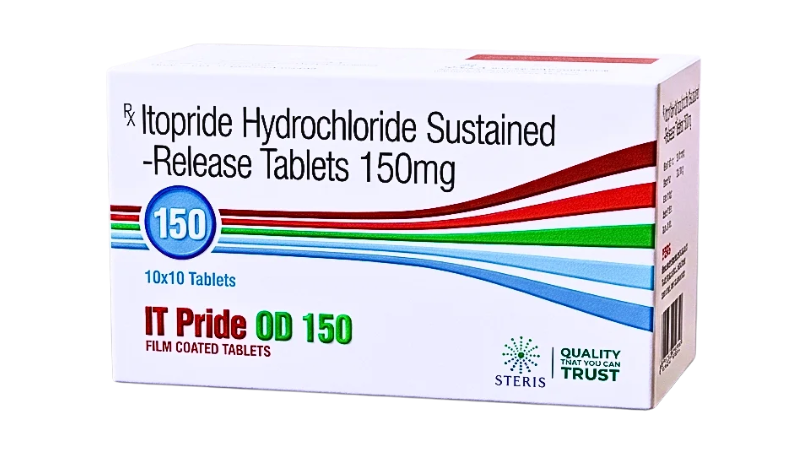
Itopride Hydrochloride Uses: What It Treats and How It Works
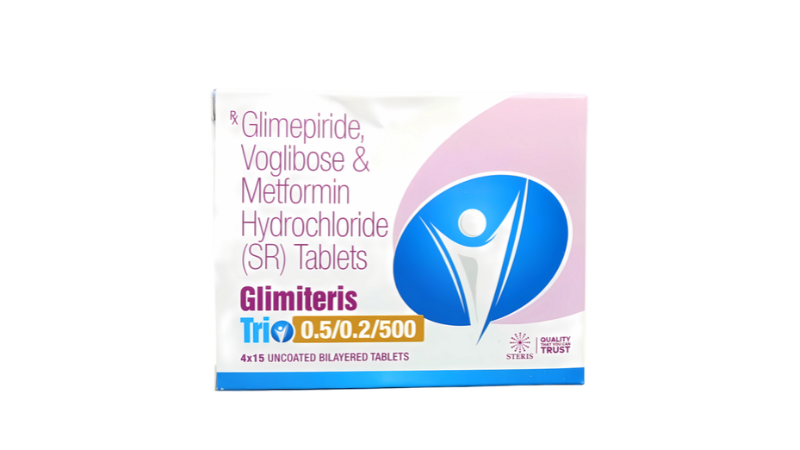
Glimepiride 0.5 mg + Voglibose 0.2 mg + Metformin SR 500 mg | Steris Healthcare
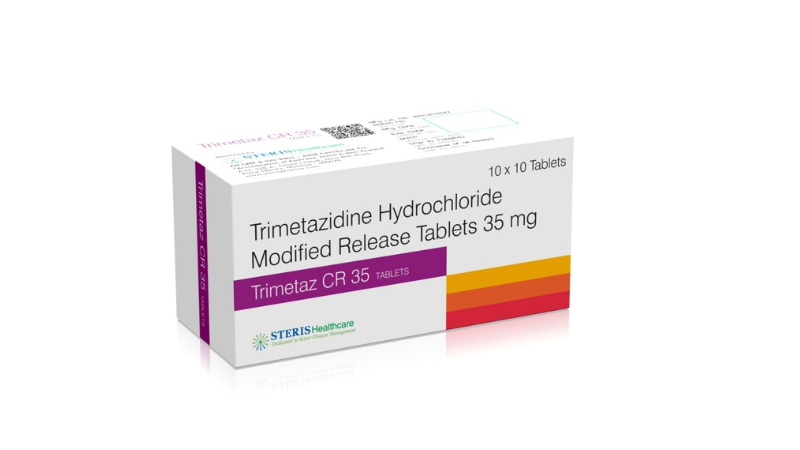
Trimetazidine Hydrochloride Modified Release Tablets 35 mg Uses, Benefits
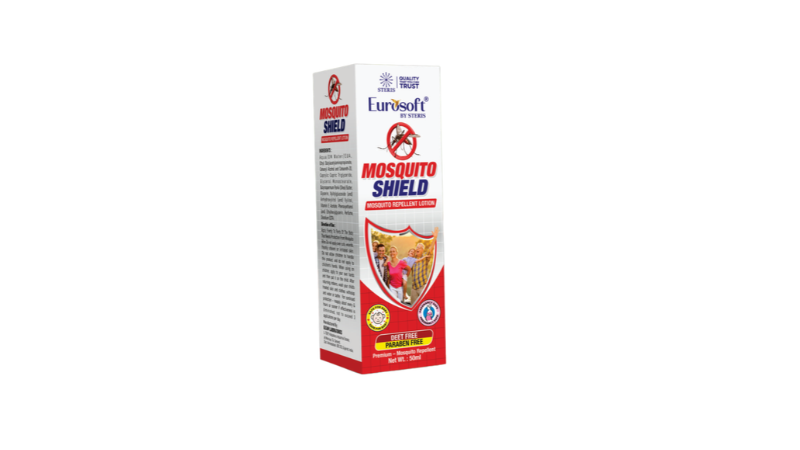
EUROSOFT MOSQUITO SHIELD
Olmesartan and Metoprolol: Uses, Benefits, Dosage & Side Effects | Steris Healthcare
Tofacitinib 11 mg Tablets: A Complete Guide to Uses and Side Effects

Olmesartan Medoxomil + Metoprolol Succinate: Uses, Dosage
Torsemide 100 mg: Uses, Dosage, Side Effects, and Precautions
How Streptococcus Thermophilus Supports Digestive Health
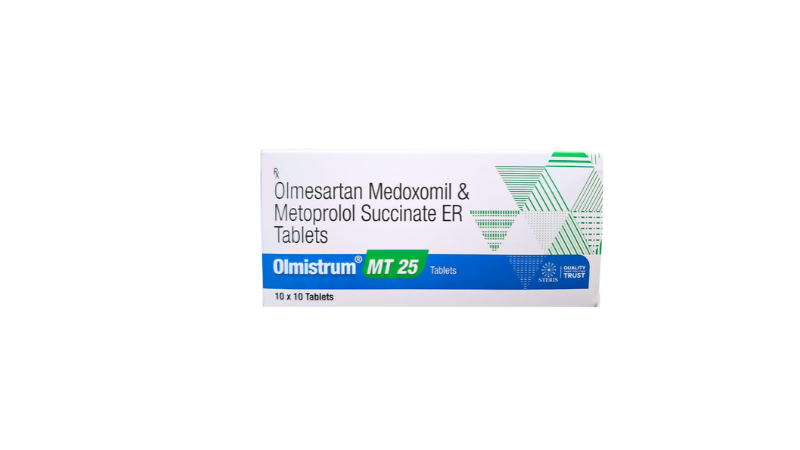
Olmesartan Medoxomil + Metoprolol Succinate: Uses, Benefits & Side Effects

