


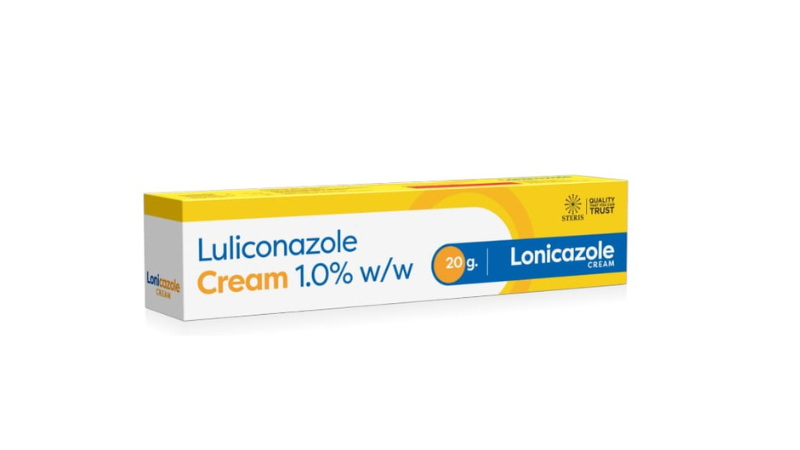



LONICAZOLE 20: Luliconazole Cream 1.0% w/w for Fungal Infections
Jun 01, 2024
LONICAZOLE 20 (Gram)
Skin infections can be uncomfortable and impact your daily life. Luliconazole cream 1 w/w, marketed under the brand name LONICAZOLE 20 (Gram) by Steris Healthcare, is a trusted antifungal treatment that provides fast relief from fungal skin infections.
Luliconazole cream 1 w/w is highly effective against a broad range of fungal infections. Patients often rely on luliconazole cream and luliconazole cream uses for conditions such as athlete’s foot, jock itch, ringworm, and other superficial fungal infections.
This article will cover luliconazole cream 1 w/w uses, luliconazole cream side effects, what is luliconazole cream used for, and why LONICAZOLE 20 is a preferred choice for safe, patient-friendly antifungal care.
What is Luliconazole Cream 1 w/w?
Luliconazole cream 1 w/w is a topical antifungal medication that belongs to the imidazole class of drugs.
-
It works by inhibiting the growth of fungi, stopping the spread of infection.
-
It is prescribed for dermatophytic infections, including tinea infections and candidiasis.
-
LONICAZOLE 20 offers a convenient cream formulation for direct application to affected areas.
Uses of Luliconazole Cream 1 w/w
Luliconazole cream uses include:
-
Treating athlete’s foot (tinea pedis)
-
Managing ringworm (tinea corporis)
-
Treating jock itch (tinea cruris)
-
Reducing fungal infections on the skin, including candidiasis
Patients using luliconazole cream experience faster relief from itching, redness, scaling, and discomfort caused by fungal infections.
How to Use LONICAZOLE 20
-
Apply luliconazole cream 1 w/w to the affected area once daily, or as prescribed by your doctor.
-
Clean and dry the affected skin before applying the cream.
-
Apply a thin layer and gently rub it in.
-
Continue using the cream for the full prescribed duration, even if symptoms improve, to prevent recurrence.
Possible Side Effects
While luliconazole cream 1 w/w is generally safe, some patients may experience:
-
Mild burning or irritation at the application site
-
Redness or itching
-
Rare allergic reactions such as swelling or rash
If side effects persist or worsen, consult your doctor immediately.
Precautions and Interactions
-
Avoid contact with eyes, mouth, or broken skin.
-
Inform your doctor if you are pregnant, breastfeeding, or have sensitive skin.
-
Luliconazole cream can be safely applied to most areas of the body, but avoid applying on open wounds.
-
Use only as directed to avoid potential resistance or ineffective treatment.
Why Choose LONICAZOLE 20 from Steris Healthcare?
Steris Healthcare Pvt. Ltd. is a trusted pharmaceutical company in India, known for:
-
WHO-GMP certified manufacturing ensuring high-quality standards
-
Effective and safe luliconazole cream 1 w/w
-
Patient-friendly, reliable topical antifungal solutions
-
Affordable and accessible care for long-term skin health
With LONICAZOLE 20, patients can rely on a high-quality antifungal cream for fast relief and safe treatment.
Frequently Asked Questions
1. Can Luliconazole cream be used on private parts?
Yes, luliconazole cream 1 w/w can be applied to affected areas in the genital region for tinea cruris or fungal infections, following your doctor’s instructions.
2. What is Luliconazole cream used for?
It treats fungal skin infections including athlete’s foot, jock itch, ringworm, and candidiasis.
3. How often should I apply Luliconazole cream?
Typically, once daily on clean and dry skin, or as prescribed by your doctor.
4. Are there any side effects of Luliconazole cream?
Mild burning, redness, or itching may occur. Rarely, allergic reactions like swelling may happen.
5. How long does it take to see results?
Patients often notice improvement within 1–2 weeks, but complete treatment duration should be followed to prevent recurrence.
Conclusion
Luliconazole Cream 1 w/w provides safe, effective, and patient-friendly treatment for fungal skin infections. By stopping fungal growth and relieving discomfort, it helps patients restore healthy skin quickly.
Choosing LONICAZOLE 20 from Steris Healthcare ensures high-quality, trusted antifungal care with consistent results.
Recent Post
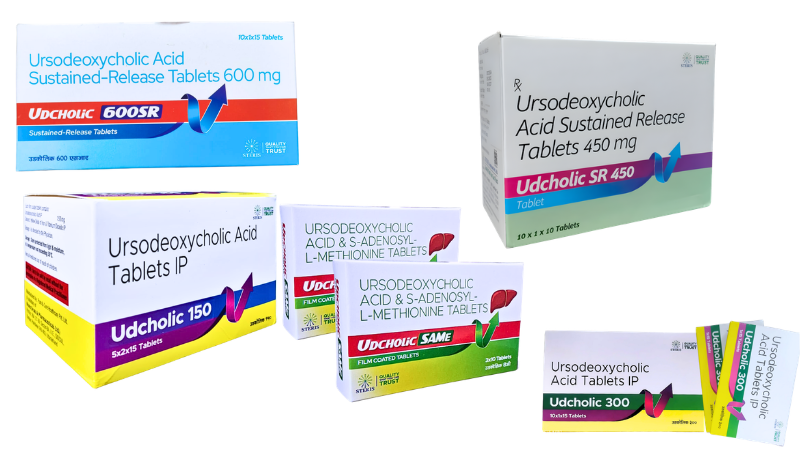
Ursodeoxycholic Acid Tablet Uses in Hindi | फायदे, खुराक और साइड इफेक्ट्स
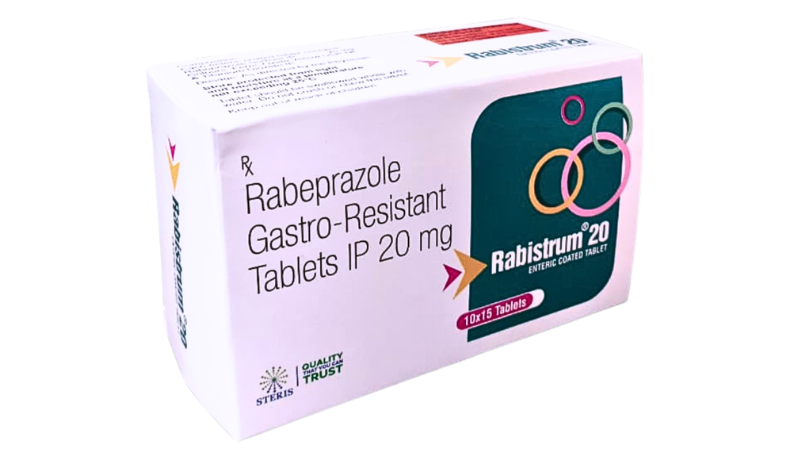
Rabeprazole Gastro Resistant Tablet IP 20 mg: Uses, Benefits, Dosage & Side Effects
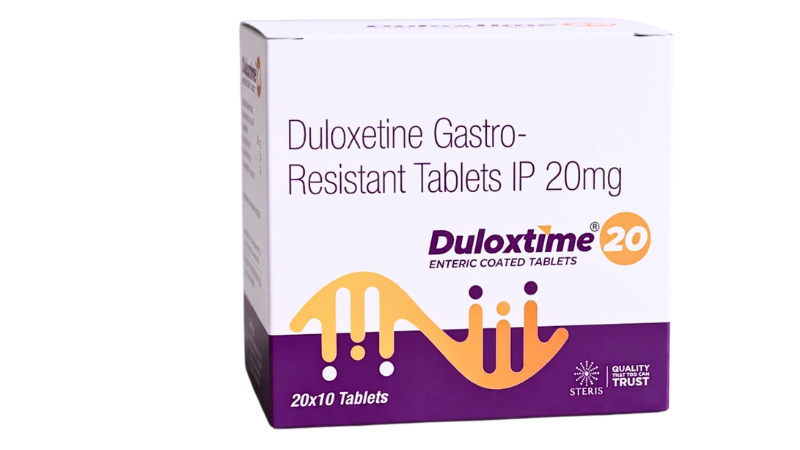
Duloxetine 20 mg Uses in Hindi: फायदे, नुकसान और काम करने का तरीका
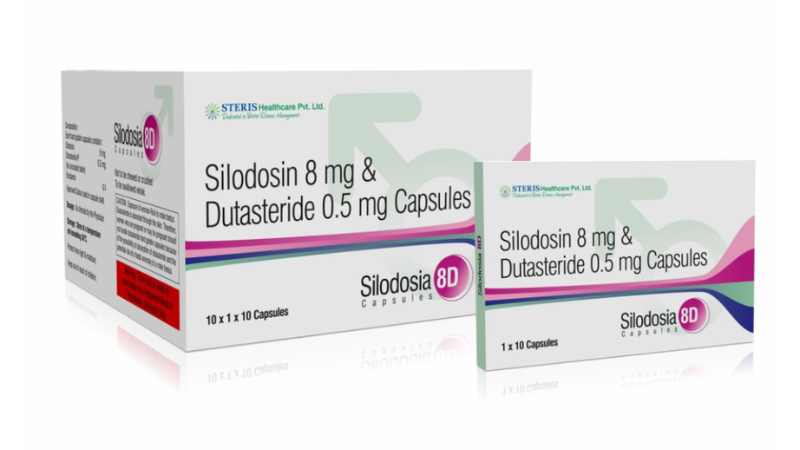
Silodosin Capsules 8mg Uses in Hindi | पूरी जानकारी
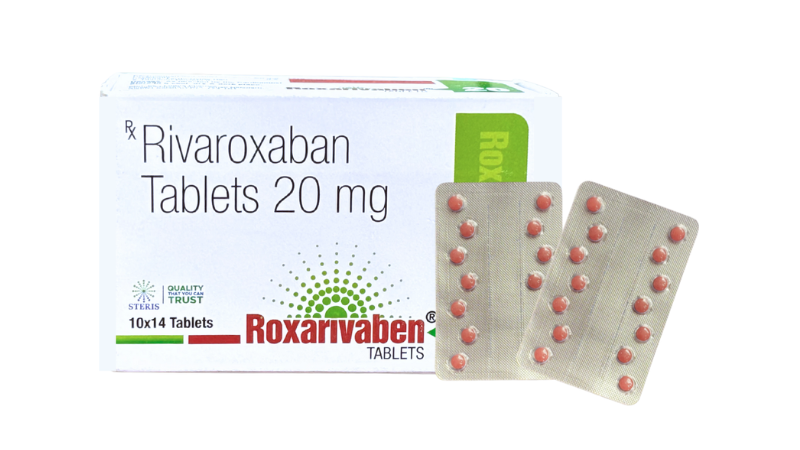
Rivaroxaban 20 mg – Blood Thinner Uses, Dosage & Safety Guide
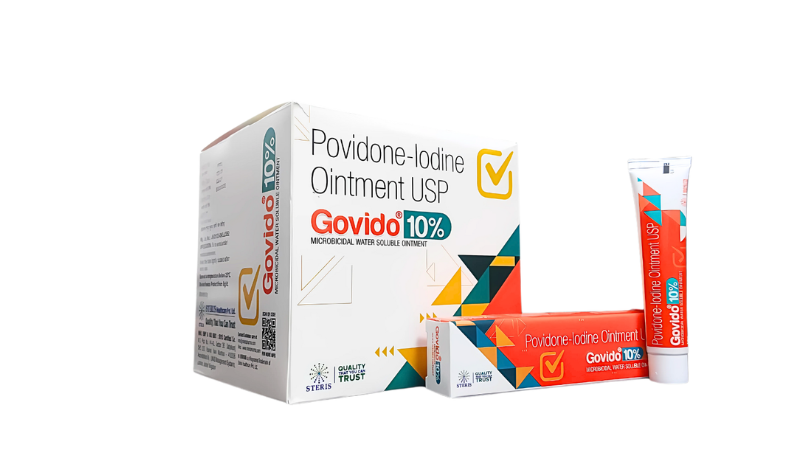
povidone iodine ointment usp uses in hindi:पोविडोन आयोडीन ऑइंटमेंट USP के फायदे, उपयोग विधि और सावधानियां

Clobetasol Neomycin Miconazole Cream – TOPBETA GM 20
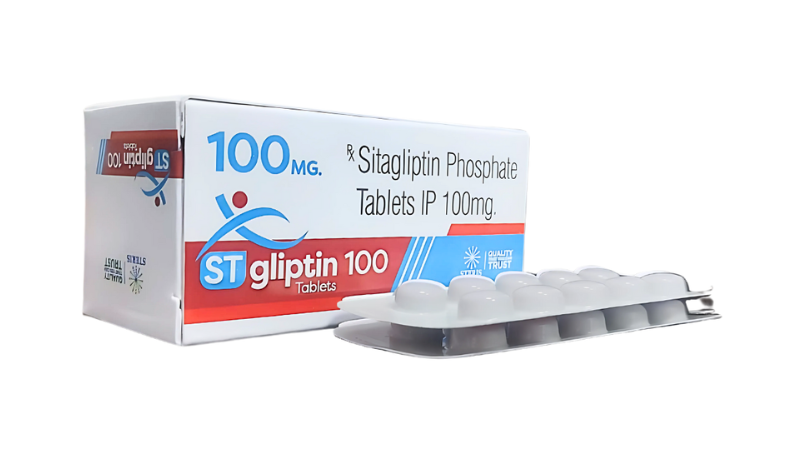
sitagliptin 100 mg uses in hindi Sitagliptin 100 mg Uses in Hindi: पूरी जानकारी
Famciclovir: Uses, Dosage, Side Effects & Price Guide
Cilostazol Tablet: Uses, Price, Dosage & Side Effects Explained

