





Linagliptin 5 mg Tablet: What You Need to Know Before Starting Treatment
Nov 15, 2025
Linagliptin 5 mg, an oral prescription medicine that, combined with diet and exercise, helps lower blood sugar in adults with type 2 diabetes. It works by increasing incretin hormone levels (GLP-1 and GIP), which boosts insulin release and lowers glucose production by the liver — all in a glucose-dependent manner, keeping the risk of hypoglycemia low. Linagliptin is not the same as metformin; the two belong to different drug classes and are often prescribed together. LINALIGLIP 5 is available only on a valid doctor's prescription and is typically taken once daily, with or without food. Common side effects include nasopharyngitis, headache, and mild gastrointestinal upset; serious but rare effects include pancreatitis and severe joint pain. This article is for general informational purposes and does not replace professional medical advice.
Linagliptin 5 mg: What Is LINALIGLIP 5 For?
Linagliptin 5 mg, sold under the brand LINALIGLIP 5 by Steris Healthcare, is an oral anti-diabetic medication belonging to the dipeptidyl peptidase-4 (DPP-4) inhibitor class, also known as "gliptins." It is prescribed to adults with type 2 diabetes mellitus to help control blood glucose (sugar) levels, either as a standalone therapy or in combination with other antidiabetic medicines such as metformin, sulfonylureas, or insulin.
Unlike some older diabetes medicines, Linagliptin does not typically cause weight gain and carries a comparatively low risk of hypoglycemia (low blood sugar) when used alone, since its glucose-lowering action depends on how much sugar is already present in the blood. LINALIGLIP 5 is designed for long-term, once-daily use as part of a broader diabetes management plan that includes diet, exercise, and regular blood sugar monitoring.
Why Is Linagliptin 5 mg Important?
Type 2 diabetes affects how the body regulates blood sugar, and over time, poorly controlled glucose levels can lead to serious complications such as nerve damage, kidney disease, vision problems, and cardiovascular issues. Linagliptin 5 mg plays an important role in a diabetes treatment plan because:
- It offers glucose-dependent action, meaning it works more actively when blood sugar is high and less aggressively when levels are normal, reducing the risk of hypoglycemia.
- It is weight-neutral, an important consideration for many patients with type 2 diabetes who are also managing body weight.
- It requires no dose adjustment in patients with kidney or liver impairment in most cases, since Linagliptin is primarily eliminated through the bile and gut rather than the kidneys — making it a preferred option for certain patient groups (always subject to physician evaluation).
- It supports long-term glycemic control, which is directly linked to reducing the risk of diabetes-related complications.
- It fits easily into daily routines with once-daily oral dosing, improving medication adherence compared to more complex regimens.
Indications at a Glance
| Indication | Details |
|---|---|
| Primary Use | Type 2 Diabetes Mellitus – blood glucose control |
| Therapy Type | Monotherapy or combination therapy |
| Common Combinations | Metformin, sulfonylureas, insulin (as advised by physician) |
| Not Indicated For | Type 1 diabetes, diabetic ketoacidosis |
| Dosage Form | Oral tablet, 5 mg |
| Frequency | Once daily |
| Prescription Status | Schedule H – Prescription only |
Mechanism of Action of Linagliptin 5 mg
Linagliptin 5 mg works by inhibiting the enzyme dipeptidyl peptidase-4 (DPP-4). Under normal conditions, this enzyme rapidly breaks down incretin hormones — primarily GLP-1 (glucagon-like peptide-1) and GIP (glucose-dependent insulinotropic polypeptide) — which are released by the gut after eating.
By blocking DPP-4, Linagliptin allows these incretin hormones to remain active in the bloodstream for longer. This leads to:
- Increased insulin secretion from the pancreas in response to meals.
- Reduced glucagon release from the liver, which lowers the amount of glucose the liver produces.
- Glucose-dependent regulation, meaning the effect is strongest when blood sugar is elevated and minimal when it is already within a normal range.
Key Benefits of Linagliptin 5 mg
What Are the Benefits of Linagliptin 5 mg?
- Effective blood sugar control: Helps lower HbA1c and post-meal glucose spikes when combined with diet and lifestyle changes.
- Low hypoglycemia risk: Its glucose-dependent mechanism reduces the chances of sugar levels dropping too low.
- Weight-neutral profile: Does not typically cause weight gain, unlike some other antidiabetic drug classes.
- Convenient once-daily dosing: Simplifies treatment schedules and supports better adherence.
- No routine dose adjustment needed for renal or hepatic impairment in most standard cases (to be confirmed by the prescribing doctor based on individual health status).
- Combination flexibility: Can be used alongside metformin, sulfonylureas, or insulin as part of a personalized treatment plan.
- Cardiovascular safety data: Long-term studies have assessed cardiovascular outcomes in patients using Linagliptin, an important consideration for diabetic patients who often have coexisting heart-related risk factors [REVIEWER PLACEHOLDER: insert verified trial data/citation].
Side Effects of Linagliptin 5 mg
Like all medicines, LINALIGLIP 5 (Linagliptin 5 mg) may cause side effects in some patients. Most are mild and temporary, but it's important to know what to watch for.
Common side effects may include:
- Nasopharyngitis (common cold-like symptoms)
- Headache
- Upper respiratory tract infection
- Mild diarrhea or nausea
- Cough
These effects are usually mild and tend to resolve on their own. However, if they persist or worsen, patients should contact their doctor.
Serious Side Effects of Linagliptin 5 mg
Although uncommon, some serious side effects require immediate medical attention:
- Acute pancreatitis – symptoms include severe, persistent abdominal pain (sometimes radiating to the back), nausea, and vomiting.
- Severe and disabling joint pain – has been reported with DPP-4 inhibitors as a class.
- Hypersensitivity reactions – including rash, hives, facial or throat swelling, and difficulty breathing (signs of a possible allergic reaction).
- Bullous pemphigoid – a rare skin condition causing large, fluid-filled blisters.
- Hypoglycemia – particularly when linagliptin is combined with insulin or a sulfonylurea.
Patients experiencing any of these symptoms should stop the medication and seek immediate medical care.
Available Substitutes for Linagliptin 5 mg
Several other DPP-4 inhibitors and antidiabetic compositions may be considered by a doctor as alternatives, depending on individual patient needs.
| Substitute Composition | Drug Class | Common Dosing |
|---|---|---|
| Sitagliptin | DPP-4 Inhibitor | Once daily |
| Vildagliptin | DPP-4 Inhibitor | Twice daily |
| Teneligliptin | DPP-4 Inhibitor | Once daily |
| Saxagliptin | DPP-4 Inhibitor | Once daily |
| Metformin | Biguanide | Once/twice daily |
Dosage Guidelines for Linagliptin 5 mg
- The typical recommended dose of Linagliptin 5 mg (LINALIGLIP 5) is one tablet, once daily, taken orally.
- It can be taken with or without food.
- Tablets should be swallowed whole with a glass of water; they should not be crushed or chewed unless specifically advised.
- Consistency matters — taking the tablet at the same time each day helps maintain steady blood sugar control.
- If a dose is missed, it should be taken as soon as remembered unless it is close to the next scheduled dose — in that case, the missed dose should be skipped. Doubling up is not recommended.
- Dosage should never be self-adjusted; always follow the treating physician's instructions, especially when Linagliptin is combined with other diabetes medications.
Precautions & Warnings While Using Linagliptin 5 mg
- Inform your doctor about any history of pancreatitis, liver disease, or allergic reactions to DPP-4 inhibitors before starting treatment.
- Monitor for signs of pancreatitis (persistent abdominal pain) and seek medical attention promptly if they occur.
- Report any new or worsening joint pain to your doctor.
- Use with caution when combined with insulin or sulfonylureas, as the combined risk of hypoglycemia increases; dose adjustment of the other medication may be needed.
- Pregnant or breastfeeding women should use Linagliptin only under strict medical supervision, as safety data in these groups is limited.
- Regular monitoring of blood glucose and HbA1c levels is recommended to assess treatment effectiveness.
- Watch for signs of allergic skin reactions, including blistering, and discontinue use with immediate medical consultation if they appear.
- Avoid alcohol or use it only in moderation, as it can affect blood sugar control.
- Keep all follow-up appointments so your doctor can evaluate ongoing treatment response.
Conclusion
Linagliptin 5 mg, available as LINALIGLIP 5 from Steris Healthcare, offers a convenient, once-daily oral option for managing type 2 diabetes with a favorable safety profile regarding hypoglycemia and weight. Its glucose-dependent mechanism, minimal need for renal dose adjustment, and flexibility for combination therapy make it a widely prescribed choice among DPP-4 inhibitors. As with any prescription medicine, Linagliptin should only be used under medical supervision, with regular monitoring and open communication with your healthcare provider about any side effects or concerns. Proper adherence to dosage, diet, and lifestyle recommendations remains essential for effective long-term diabetes management.
Frequently Asked Questions
1. Is linagliptin the same as metformin?
No. Linagliptin and metformin are different drug classes. Linagliptin is a DPP-4 inhibitor that increases incretin hormone activity, while metformin is a biguanide that reduces glucose production in the liver and improves insulin sensitivity. They are sometimes prescribed together for better blood sugar control.
2. What are the most common side effects of linagliptin?
The most common side effects include nasopharyngitis (cold-like symptoms), headache, upper respiratory infection, and mild digestive upset such as nausea or diarrhea.
3. How to use linagliptin 5 mg?
Linagliptin 5 mg is generally taken once daily, with or without food, exactly as prescribed by your doctor. The tablet should be swallowed whole with water.
4. What is linagliptin used for in diabetes?
Linagliptin is used to help control blood sugar levels in adults with type 2 diabetes mellitus, either alone or in combination with other antidiabetic medications.
5. Linagliptin 5 mg tablet uses in Hindi क्या हैं?
लिनाग्लिप्टिन 5 mg टाइप 2 डायबिटीज़ (मधुमेह) में ब्लड शुगर को नियंत्रित करने के लिए इस्तेमाल की जाती है। यह इंसुलिन की मात्रा बढ़ाने और लिवर से निकलने वाले ग्लूकोज़ को कम करने में मदद करती है। इसे डॉक्टर की सलाह पर ही लें।
6. Tab linagliptin 5 mg is used for what condition?
It is used specifically for managing type 2 diabetes mellitus by helping the body regulate insulin and glucose levels more effectively.
7. What is the price of linagliptin 5 mg?
Pricing for LINALIGLIP 5 (Linagliptin 5 mg) may vary based on pack size and retailer. Please contact Steris Healthcare directly for current pricing details.
8. Can linagliptin cause hypoglycemia (low blood sugar)?
When used alone, Linagliptin has a low risk of causing hypoglycemia due to its glucose-dependent mechanism. However, the risk increases when combined with insulin or sulfonylureas.
9. Does linagliptin cause weight gain?
No, Linagliptin is generally considered weight-neutral and does not typically cause weight gain, unlike some other diabetes medications.
10. Can linagliptin be taken with metformin?
Yes, Linagliptin is commonly prescribed alongside metformin as combination therapy for improved blood sugar control, based on a doctor's assessment.
11. Is linagliptin safe for patients with kidney disease? 0
Linagliptin is primarily eliminated via the bile and gastrointestinal tract rather than the kidneys, so it typically does not require dose adjustment in renal impairment. However, this should always be confirmed by a treating physician.
12. What should I do if I miss a dose of linagliptin 5 mg?
Take the missed dose as soon as you remember, unless it is nearly time for your next dose. In that case, skip the missed dose and continue your regular schedule. Do not double the dose.
13. What are the serious side effects of linagliptin to watch for?
Serious side effects include acute pancreatitis (severe abdominal pain), severe joint pain, allergic reactions such as swelling or difficulty breathing, and rare skin blistering conditions like bullous pemphigoid.
14. Can linagliptin be used during pregnancy? L
inagliptin should only be used during pregnancy if specifically advised by a doctor, as safety data in pregnant women is limited.
15. How long does it take for linagliptin to start working?
Linagliptin begins working within hours of the first dose to inhibit the DPP-4 enzyme, but noticeable improvements in blood sugar control are typically assessed over several weeks of consistent use, along with regular HbA1c monitoring.
16. What is the substitute for linagliptin 5 mg?
Other DPP-4 inhibitors such as sitagliptin, vildagliptin, teneligliptin, and saxagliptin may be considered as alternatives, but substitution should only be made under medical guidance.
17. Is linagliptin 5 mg available without a prescription?
No, Linagliptin 5 mg (LINALIGLIP 5) is a Schedule H prescription-only medicine and cannot be purchased without a valid prescription from a registered medical practitioner.
For Further Information:
Mail Us: contact@sterispharma.com or info@sterispharma.com
Call Now: +91 8824175417, +91 9982524671
Recent Post
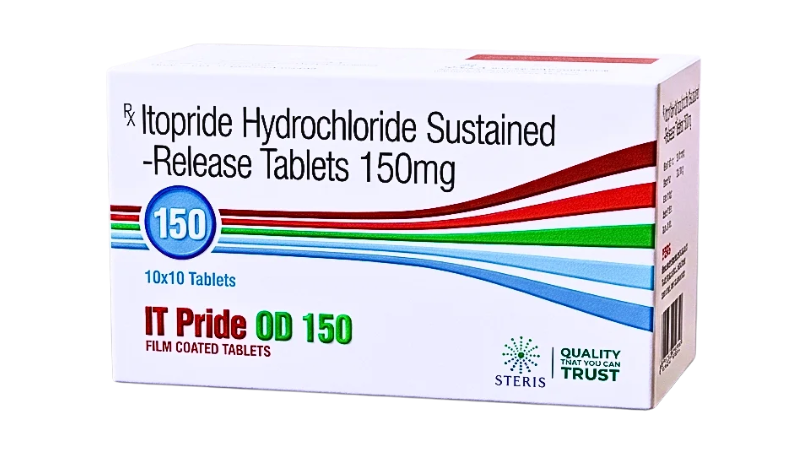
Itopride Hydrochloride Uses: What It Treats and How It Works
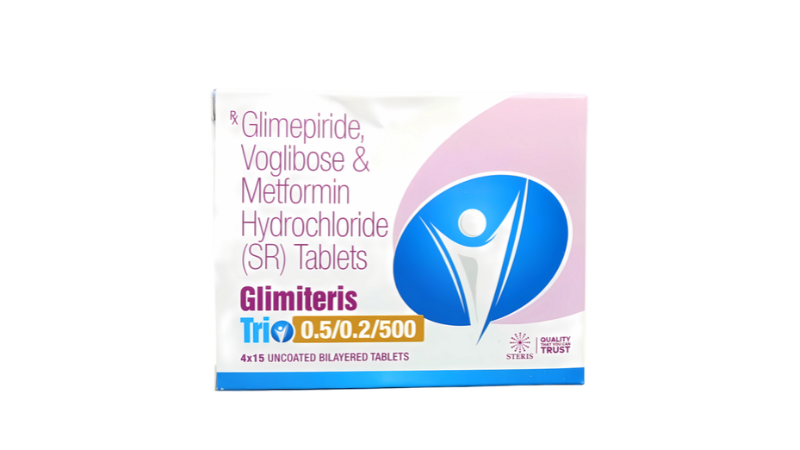
Glimepiride 0.5 mg + Voglibose 0.2 mg + Metformin SR 500 mg | Steris Healthcare
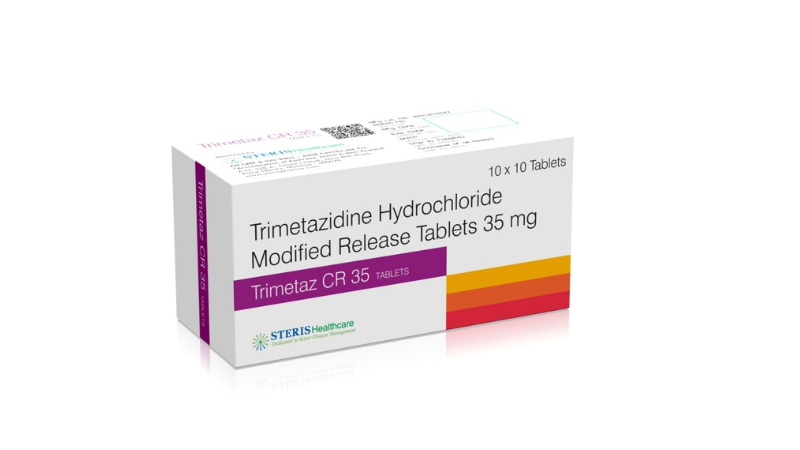
Trimetazidine Hydrochloride Modified Release Tablets 35 mg Uses, Benefits

EUROSOFT MOSQUITO SHIELD
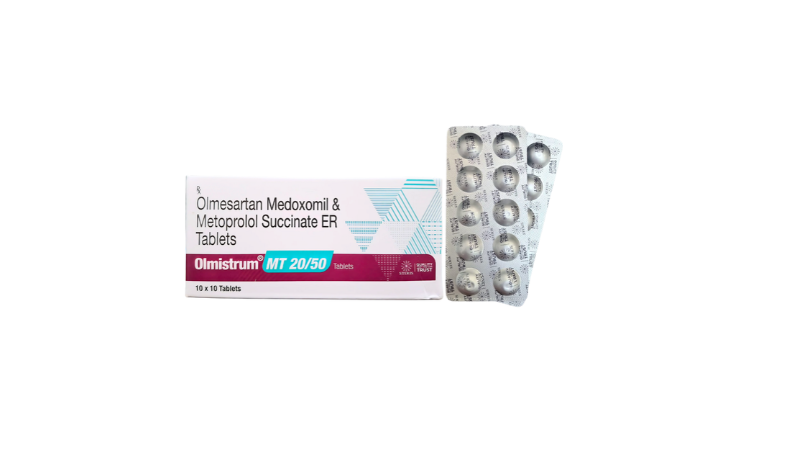
Olmesartan and Metoprolol: Uses, Benefits, Dosage & Side Effects | Steris Healthcare
Tofacitinib 11 mg Tablets: A Complete Guide to Uses and Side Effects
Olmesartan Medoxomil + Metoprolol Succinate: Uses, Dosage
Torsemide 100 mg: Uses, Dosage, Side Effects, and Precautions
How Streptococcus Thermophilus Supports Digestive Health
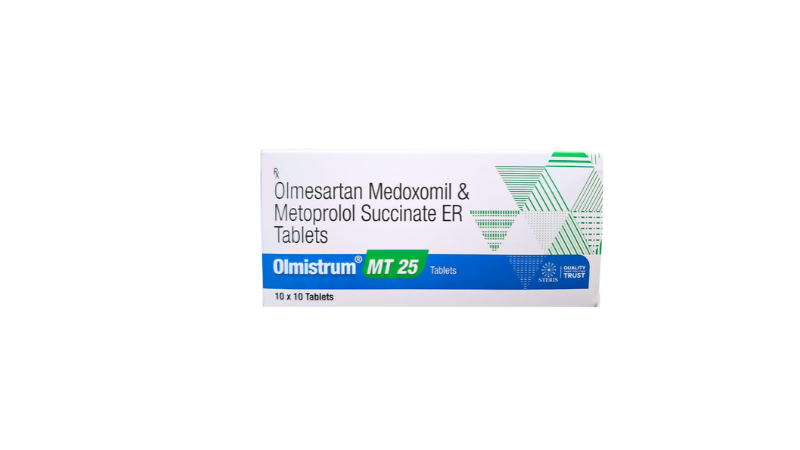
Olmesartan Medoxomil + Metoprolol Succinate: Uses, Benefits & Side Effects

