





Leflunomide (10mg) g
Feb 07, 2024
LEFLUNOMILE 10, containing Leflunomide 10 mg, is a prescription medication widely used in the management of autoimmune diseases, particularly rheumatoid arthritis (RA). This immunomodulatory drug helps reduce inflammation, pain, and joint damage by targeting specific pathways in the immune system.
Composition of LEFLUNOMILE 10
Each LEFLUNOMILE 10 tablet contains:
- Leflunomide 10 mg
Leflunomide is a disease-modifying antirheumatic drug (DMARD). It works by inhibiting an enzyme involved in the proliferation of T-cells, thereby reducing the overactive immune response that contributes to inflammation and joint destruction in autoimmune diseases.
Other excipients in the formulation ensure stability, proper absorption, and palatability of the tablet.
How LEFLUNOMILE 10 Works – Mechanism of Action
LEFLUNOMILE 10 mg exerts its therapeutic effect through selective inhibition of dihydroorotate dehydrogenase (DHODH), an enzyme critical for pyrimidine synthesis. By blocking this pathway, Leflunomide reduces the proliferation of activated T-lymphocytes, which play a central role in autoimmune conditions.
This leads to:
- Reduction in joint inflammation
- Slowing down of cartilage and bone damage
- Improvement in mobility and physical function
The mechanism ensures that the immune system is modulated without completely suppressing it, minimizing the risk of severe infections when compared to stronger immunosuppressants.
Therapeutic Uses of LEFLUNOMILE 10
LEFLUNOMILE 10 mg is primarily prescribed for:
- Rheumatoid Arthritis (RA) – Reduces joint pain, swelling, stiffness, and prevents disease progression.
- Psoriatic Arthritis – Improves joint mobility and reduces skin inflammation associated with psoriasis.
- Other Autoimmune Disorders – Sometimes used under medical supervision for conditions where immune modulation is required.
Its disease-modifying action makes it a long-term therapy choice rather than just a symptomatic relief medication.
Benefits of LEFLUNOMILE 10
Using LEFLUNOMILE 10 mg as prescribed offers multiple benefits:
- Effective Symptom Control: Reduces joint pain, swelling, and morning stiffness associated with RA.
- Slows Disease Progression: Protects cartilage and bone from long-term damage.
- Improves Quality of Life: Enhances mobility, daily activity performance, and overall well-being.
- Convenient Dosage: Once-daily dosing ensures better adherence for long-term therapy.
Studies in clinical settings have shown that Leflunomide provides similar efficacy to other DMARDs like methotrexate, often with fewer long-term side effects in selected patients.
Dosage and Administration of LEFLUNOMILE 10
LEFLUNOMILE 10 mg should be used under medical supervision. Typical dosage recommendations for adults are:
- Starting Dose: Usually 10 mg once daily, may be increased based on disease severity and physician assessment.
- Maintenance Dose: Can vary from 10–20 mg daily depending on patient response.
- Administration Tips:
- Take the tablet with or without food.
- Maintain a consistent schedule to ensure stable blood levels.
- Drink adequate water to support kidney function.
Important Note: Dosage adjustments may be required for patients with liver disease or those taking concurrent medications that interact with Leflunomide.
Precautions While Using LEFLUNOMILE 10
Before starting LEFLUNOMILE 10 mg, certain precautions are necessary:
- Medical History Check: Inform your doctor if you have liver disease, kidney problems, infections, or a history of tuberculosis.
- Regular Monitoring: Liver function tests, complete blood counts, and kidney function tests are essential during therapy.
- Avoid Live Vaccines: Immunosuppressive effect may reduce vaccine efficacy and increase risk of infection.
- Drug Interactions: Leflunomide may interact with medications like methotrexate, warfarin, and certain cholesterol-lowering drugs. Always consult your physician.
Possible Side Effects of LEFLUNOMILE 10
- Mild gastrointestinal symptoms: nausea, diarrhea, abdominal discomfort
- Hair thinning or temporary hair loss
- Headache or dizziness
- Elevated liver enzymes
Rare but serious side effects:
- Severe liver damage
- Severe infections due to immunosuppression
- Lung inflammation (interstitial lung disease)
Tip: Any unusual or persistent side effect should prompt immediate consultation with a healthcare provider.
Drug Interactions
LEFLUNOMILE 10 may interact with:
- Methotrexate: Increases risk of liver toxicity.
- Warfarin and Anticoagulants: Can alter blood clotting parameters.
- Vaccines: Live vaccines should be avoided.
- Other Immunosuppressants: Caution required to avoid excessive immunosuppression.
Lifestyle Tips While Using LEFLUNOMILE 10
To enhance treatment outcomes and minimize side effects, patients are advised to:
- Maintain a balanced diet rich in antioxidants to support immune health.
- Engage in low-impact exercises like yoga, swimming, or walking to improve joint flexibility.
- Stay hydrated to aid metabolism and kidney function.
- Monitor for signs of infection due to mild immunosuppression.
LEFLUNOMILE 10 vs Other DMARDs
Compared to other DMARDs like methotrexate, sulfasalazine, or hydroxychloroquine, LEFLUNOMILE 10 mg offers:
- Once-daily dosing for easier adherence
- Effective anti-inflammatory action
- Favorable side effect profile in certain patient groups
However, the choice of DMARD depends on disease severity, comorbidities, and patient tolerance. Physicians may also use combination therapy to achieve optimal control of autoimmune disease.
Patient Experiences
Many patients in India report significant improvement in pain and daily function after using LEFLUNOMILE 10 mg. With consistent monitoring and adherence:
- Morning stiffness reduces within weeks.
- Swelling in small joints decreases over months.
- Long-term joint damage slows, preserving mobility.
Patient testimonials often highlight the importance of doctor-guided dosage adjustment and lifestyle modifications alongside medication.
FAQs About LEFLUNOMILE 10
1. Can LEFLUNOMILE 10 cure rheumatoid arthritis?
No, it does not cure RA but helps manage symptoms and prevent progression.
2. Is it safe for long-term use?
Yes, under medical supervision with regular liver and blood monitoring.
3. Can I take LEFLUNOMILE 10 with other medications?
Only under your doctor’s guidance. Avoid self-medicating.
4. How soon can I expect results?
Symptom improvement may be noticed within 4–6 weeks, but full effects can take several months.
5. Can children take LEFLUNOMILE 10?
It is generally prescribed for adults. Pediatric use requires specialist supervision.
Conclusion
LEFLUNOMILE 10 mg is a reliable DMARD for managing rheumatoid arthritis and other autoimmune disorders. Its targeted mechanism, convenient dosing, and effectiveness in controlling symptoms make it a preferred option in many cases.
Recent Post
Semaglutide 2 mg Injection Dosage Guide: How to Use It Safely
Buy Multivitamin + L-Carnitine + Taurine Protein Powder | Sterimmune
Semaglutide Injection Pen 8 mg: Step-by-Step Dosage & Precautions
BEST semaglutide injection price in india
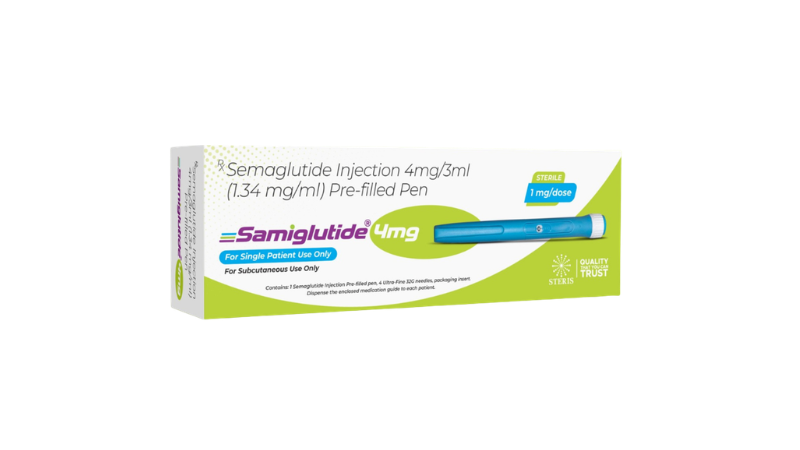
How Semaglutide Injection 4 mg Helps Control Blood Sugar
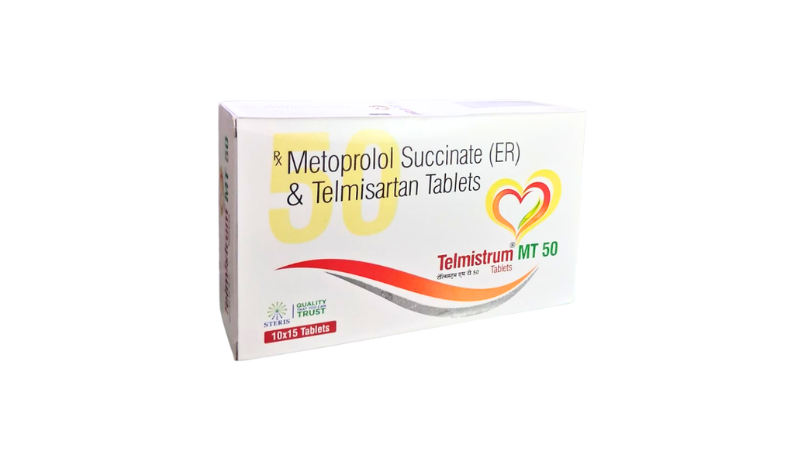
What Is Telmisartan and Metoprolol Succinate Combination Used For?
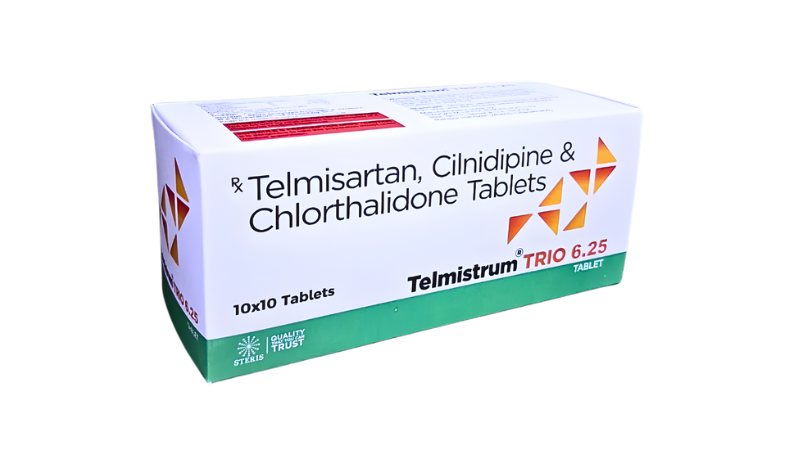
TELMISTRUM TRIO 6.25: Telmisartan, Cilnidipine & Chlorthalidone Uses & Side Effects
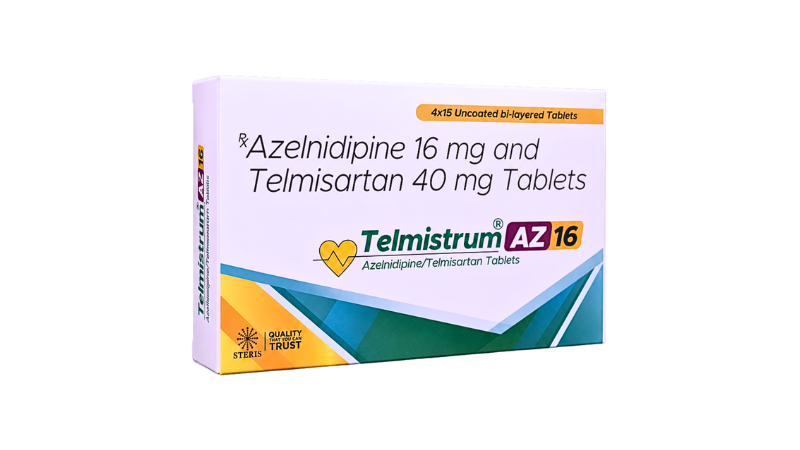
TELMISTRUM AZ 16: Telmisartan 40mg & Azelnidipine 16mg Uses, Dosage & Side Effects
What Is Telmisartan and Chlorthalidone Combination Used For?
Telmisartan 40mg + Amlodipine 5mg Tablets: Uses, Dosage & Side Effects