


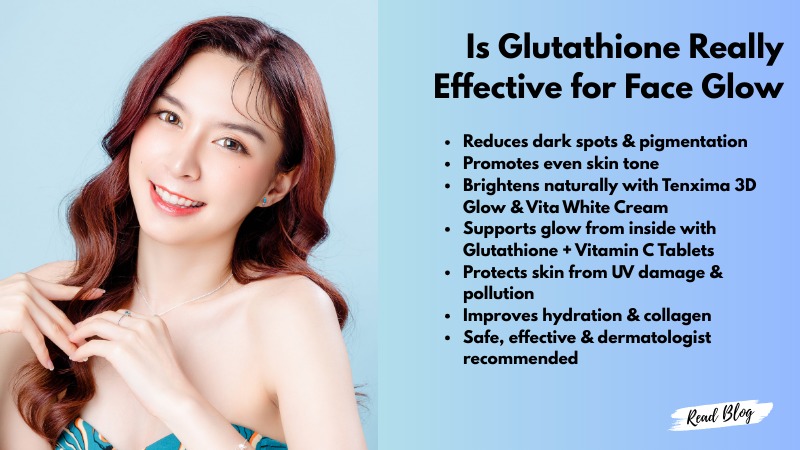



Is Glutathione Really Effective for Face Glow? The Truth Behind the Hype
Aug 28, 2025
What Is a Glutathione Tablet?
Glutathione is a small molecule made from three amino acids: glutamate, cysteine and glycine. It is naturally present throughout the body and functions as an important antioxidant.
A glutathione tablet provides glutathione orally. Depending on the brand, the formulation may contain reduced L-glutathione alone or combine it with nutrients such as vitamin C, vitamin E, alpha-lipoic acid, grape-seed extract or biotin.
The exact formulation matters because two products advertised as “glutathione tablets” may have very different ingredient profiles.
For example, one currently listed Tata 1mg formulation contains 500 mg L-glutathione along with vitamin C, grape-seed extract, alpha-lipoic acid, vitamin E and biotin.
Glutathione Tablet Uses
The most common consumer interest in glutathione tablets is skin health and antioxidant support.
1. Antioxidant support
Glutathione helps the body manage oxidative stress by participating in antioxidant defense mechanisms. This is one of its best-established biological roles.
It should not, however, be marketed as a universal “detox” treatment or as a substitute for treatment of liver, kidney or other diseases.
2. Skin pigmentation and brightness
Oral glutathione has been investigated for its potential effect on melanin production and skin pigmentation.
A systematic review published in the International Journal of Dermatology in 2025 identified randomized trials of oral glutathione using doses including 250 mg once daily, 250 mg twice daily and 500 mg once daily. Several studies reported reductions in melanin indices compared with placebo, but the review also noted variable evidence quality and sustainability of results.
Therefore, a more accurate claim is that oral glutathione may support a brighter or more even-looking complexion in some people, rather than claiming that it permanently “whitens” or changes a person's natural skin color.
3. Support for skin appearance
Some clinical studies have investigated glutathione in relation to wrinkles, elasticity and other skin characteristics.
A 12-week randomized study reported trends toward lower melanin indices and UV spots with oral glutathione and observed some improvements in wrinkle-related outcomes, although these findings should not be interpreted as proof of a guaranteed anti-aging effect.
Key Benefits of Glutathione Tablets
Potential benefits depend on the formulation and individual response.
Antioxidant activity
Glutathione is involved in the body's antioxidant defense system and helps protect cells against oxidative stress.
Potential skin-brightening effect
Research suggests oral glutathione may reduce melanin indices in some circumstances, particularly in sun-exposed areas. However, results are variable and the effect may not be permanent.
May support more even-looking skin
People purchasing glutathione tablets frequently do so because of concerns about dullness, uneven pigmentation or the appearance of dark spots. Evidence suggests there may be a modest cosmetic benefit for some individuals, but glutathione should not be presented as a guaranteed treatment for melasma or hyperpigmentation.
Convenient oral formulation
Compared with injectable products, tablets and capsules are convenient for consumers who have been advised by a healthcare professional to use an oral glutathione product.
How Does Glutathione Work for Skin?
Glutathione may influence pigmentation through several biological pathways.
One proposed mechanism involves tyrosinase, an enzyme involved in melanin production. Glutathione may influence melanogenesis and promote a shift from darker eumelanin toward lighter pheomelanin.
Its antioxidant properties may also influence oxidative processes associated with pigmentation.
However, the clinical evidence is more complicated than the mechanism sounds. A 2019 systematic review concluded that evidence for oral glutathione's skin-lightening effect remained inconclusive because of the small number and limitations of available clinical studies.
More recent reviews continue to describe potential benefits but emphasize variability and the need for larger, longer clinical trials.
Glutathione Tablet Side Effects
Most available evidence suggests oral glutathione is generally well tolerated in short-term studies, but that does not mean it is completely free of side effects.
Possible side effects may include:
- Stomach discomfort
- Nausea
- Bloating
- Diarrhea
- Abdominal cramps
- Headache
- Skin rash or other hypersensitivity reactions
The actual side-effect profile may depend on whether the product contains glutathione alone or additional ingredients.
Long-term safety data are comparatively limited. A recent review specifically noted that prolonged oral glutathione supplementation has not been sufficiently studied to establish all potential long-term risks.
If you develop persistent gastrointestinal symptoms, a significant rash, swelling, breathing difficulty or another concerning reaction after taking a glutathione product, stop using it and seek appropriate medical advice.
Is Glutathione Tablet Safe for Skin Whitening?
This requires a careful answer.
Oral glutathione may have a skin-brightening or pigmentation-reducing effect in some people, but evidence is not strong enough to guarantee permanent skin whitening.
A 2025 systematic review found evidence of efficacy from several oral glutathione trials but also identified limitations in the evidence and sustainability of the effect.
A separate review of randomized trials concluded that systemic glutathione was not sufficiently beneficial as a skin-whitening agent because effects were limited to certain areas or groups and were not demonstrated to be long-lasting.
Glutathione Tablets vs Glutathione Injections
These products should not be treated as interchangeable.
Oral glutathione has a substantially different safety and evidence profile from intravenous glutathione.
Recent literature highlights serious concerns surrounding intravenous glutathione for cosmetic skin lightening, including reported risks such as anaphylaxis and hepatotoxicity, while standardized dosing and long-term safety remain problematic.
For consumers specifically interested in cosmetic skin care, do not assume that an injection is a stronger or better version of a tablet.
Any injectable glutathione treatment should only be considered within appropriate medical care.
How to Choose a Glutathione Tablet
Before purchasing, check:
- Glutathione amount per serving: Many products contain 500 mg, but formulations differ.
- Form of glutathione: Check whether the label specifies L-glutathione/reduced glutathione.
- Additional ingredients: Vitamin C, vitamin E, alpha-lipoic acid, biotin and herbal extracts may be included.
- Dosage instructions: Follow the product label or healthcare professional's recommendation.
- Manufacturer: Choose a transparent, reputable manufacturer.
- Batch and expiry: Check the packaging before consuming.
- Authenticity: Purchase through a reputable pharmacy or established retailer.
- Regulatory/quality information: Check the manufacturer's quality and applicable regulatory information.
For example, current Indian listings show products ranging from single-ingredient 500 mg formulations to combination products containing several additional antioxidants.
Glutathione Tablet Price in India
The glutathione tablet price in India varies substantially based on the formulation and pack size.
Who Should Consult a Doctor Before Taking Glutathione?
Speak with a healthcare professional before starting a supplement if you:
- Are pregnant or breastfeeding
- Have a chronic medical condition
- Take regular prescription medicines
- Have a history of drug or supplement allergies
- Are undergoing treatment for a significant illness
- Want to use glutathione specifically to treat melasma or another pigmentation disorder
Pigmentation can have many causes, including melasma, post-inflammatory hyperpigmentation, medications and hormonal factors. Treating the underlying cause is often more important than simply taking a supplement.
Frequently Asked Questions About Glutathione Tablets
1. What is a glutathione tablet used for?
A glutathione tablet is primarily used as an oral antioxidant supplement. It is particularly popular for skin-health and pigmentation-related purposes, although clinical evidence for skin brightening remains variable and does not establish permanent whitening.
2. Does glutathione tablet make skin fair permanently?
No. Current evidence does not establish permanent skin whitening from oral glutathione. Some clinical trials have reported reductions in melanin indices, but effects can be modest, variable and potentially reversible.
3. What are the benefits of glutathione tablets?
Potential benefits include antioxidant support and a possible improvement in skin brightness or pigmentation in some people. Evidence for cosmetic benefits is promising but not conclusive, particularly for long-term use.
4. What are the side effects of glutathione tablets?
Oral glutathione is generally well tolerated in short-term studies, but possible adverse effects can include gastrointestinal discomfort, nausea, bloating, diarrhea, headache and allergic reactions. Long-term safety remains less well established.
5. Is 500 mg glutathione tablet safe?
500 mg is a dose that has been studied in clinical research, but that does not mean 500 mg is automatically appropriate for everyone. Studies have investigated oral doses around 250–500 mg/day, but there is no universal cosmetic dose that guarantees results.
6. How long does a glutathione tablet take to show results?
There is no guaranteed timeline. Clinical studies have evaluated oral glutathione over periods ranging from several weeks to several months, with variable outcomes. Results depend on the formulation, dose, individual characteristics and the reason for use.
7. Can I take glutathione tablets every day?
Some commercial products are designed for daily use, but the appropriate regimen depends on the specific product and individual circumstances. Follow the manufacturer's directions or advice from a qualified healthcare professional rather than increasing the dose to obtain faster cosmetic results.
8. Is glutathione tablet better than glutathione injection?
Not necessarily. Injectable glutathione has additional safety concerns, particularly when used for cosmetic skin lightening. Recent reviews highlight risks associated with intravenous administration and the lack of standardized cosmetic dosing.
9. Can glutathione tablets remove dark spots?
They may potentially influence pigmentation, but they should not be considered a guaranteed treatment for dark spots. The cause of the pigmentation should be identified, particularly when dealing with melasma or persistent hyperpigmentation.
10. Glutathione is safe for skin?
Glutathione may be safe for skin, but consult a dermatologist before using tablets or injections for skin lightening.
Conclusion: Is a Glutathione Tablet Worth Buying?
A glutathione tablet can be an attractive option for consumers looking for antioxidant supplementation or support for skin brightness and even-looking pigmentation.
Recent Post
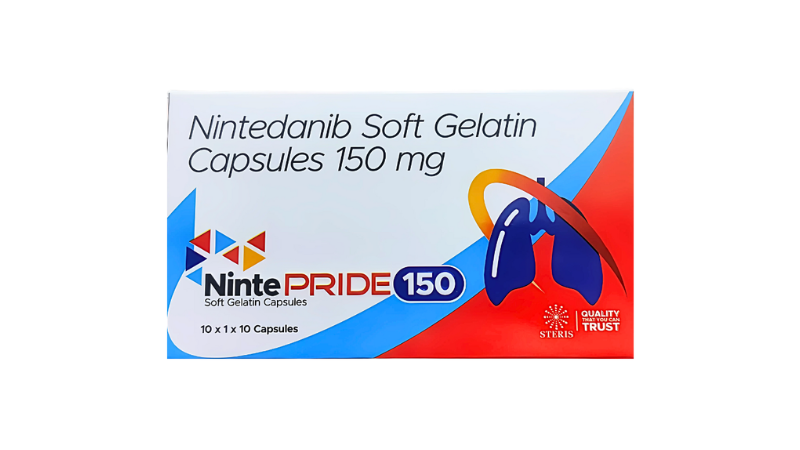
What Are Nintedanib Soft Gelatin Capsules Used For? Complete Guide
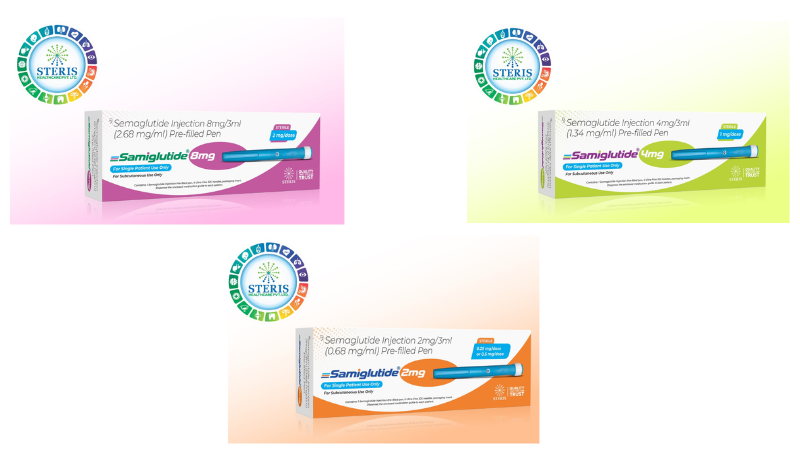
Where to Buy Semaglutide Injection in India: Price, Pen & Prescription Guide
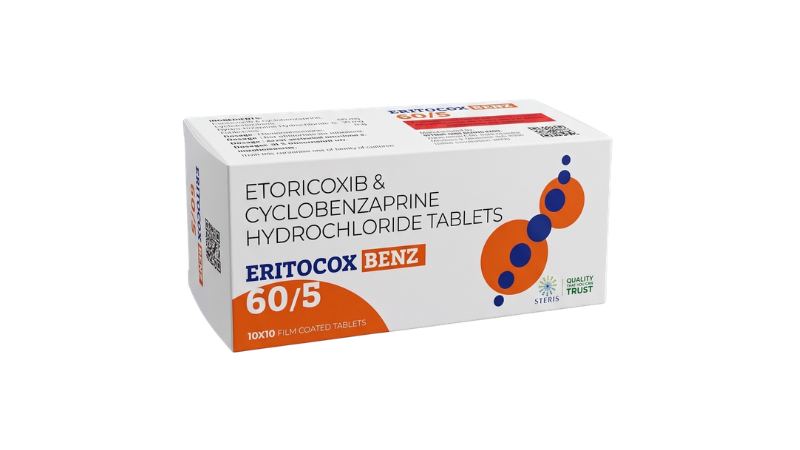
ERITOCOX BENZ 60/5 Dosage Guide: How to Take Etoricoxib & Cyclobenzaprine Tablets Safely
Gabapentin and Methylcobalamin Tablets Side Effects: What Patients Should Know
Thyroxine sodium tablets IP: उपयोग, फायदे और साइड इफेक्ट्स
Semaglutide 2 mg Injection Dosage Guide: How to Use It Safely
Buy Multivitamin + L-Carnitine + Taurine Protein Powder | Sterimmune
Semaglutide Injection Pen 8 mg: Step-by-Step Dosage & Precautions
BEST semaglutide injection price in india
How Semaglutide Injection 4 mg Helps Control Blood Sugar