


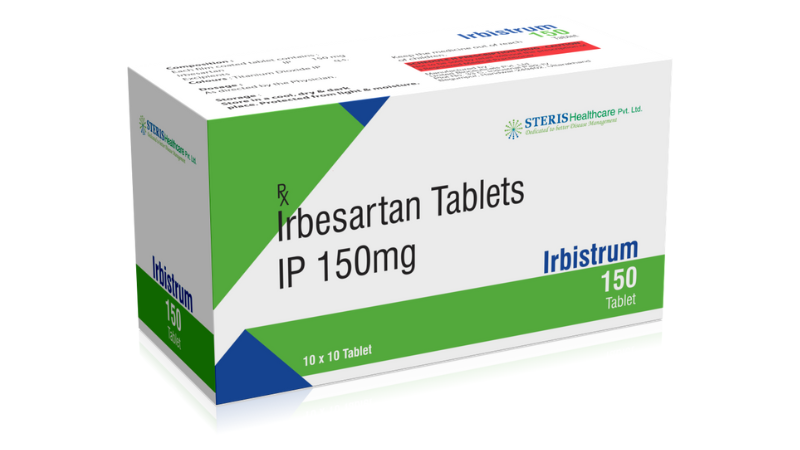



Irbesartan HCI(150mg) & IRBISTRUM 150 Mg : View Uses, Dosage, Side Effects
May 22, 2024
High blood pressure, also known as hypertension, is one of the most common chronic health conditions affecting adults in India and worldwide. If left unmanaged, it can lead to serious complications such as heart disease, stroke, kidney damage, and vision problems. IRBISTRUM 150, containing Irbesartan Hydrochloride IP 150 mg, is a trusted antihypertensive medication designed to help patients effectively control blood pressure and reduce long-term cardiovascular risks.
Manufactured under quality pharmaceutical standards, IRBISTRUM 150 is formulated to provide consistent blood pressure control with once-daily dosing, making it a reliable choice for long-term hypertension management.
What is IRBISTRUM 150?
IRBISTRUM 150 is a prescription medication that belongs to the class of drugs known as Angiotensin II Receptor Blockers (ARBs). Its active ingredient, Irbesartan 150 mg, works by relaxing blood vessels, allowing blood to flow more smoothly and reducing the pressure exerted on arterial walls.
This medicine is commonly prescribed for:
- Management of essential hypertension
- Reduction of cardiovascular risks such as stroke and heart attack
How Irbesartan Works in the Body
The mechanism of action of IRBISTRUM 150 is centered on blocking the effects of angiotensin II, a powerful hormone responsible for narrowing blood vessels.
When angiotensin II is blocked:
- Blood vessels relax and widen
- Blood flow improves
- Blood pressure decreases naturally
- The workload on the heart is reduced
This mechanism not only helps in lowering blood pressure but also protects vital organs such as the heart and kidneys from long-term damage.
Key Benefits of IRBISTRUM 150
IRBISTRUM 150 offers multiple therapeutic benefits, making it a widely prescribed antihypertensive option:
1. Effective Blood Pressure Control
Regular use helps maintain stable blood pressure levels throughout the day, reducing fluctuations and associated risks.
2. Kidney Protection in Diabetic Patients
Irbesartan is known to slow down kidney damage progression in patients suffering from type 2 diabetes and hypertension.
3. Reduced Risk of Heart Complications
By lowering blood pressure, it significantly reduces strain on the heart, lowering the risk of heart attack and heart failure.
4. Once-Daily Convenience
IRBISTRUM 150 is usually taken once a day, improving patient compliance and treatment adherence.
5. Well-Tolerated Therapy
Compared to some older antihypertensive drugs, ARBs like Irbesartan are generally associated with fewer side effects.
Medical Uses of IRBISTRUM 150
Doctors prescribe IRBISTRUM 150 for various cardiovascular and renal conditions, including:
- Primary (essential) hypertension
- Hypertension associated with diabetes
- Diabetic nephropathy (kidney protection)
- Prevention of cardiovascular complications in high-risk patients
It is often recommended as part of a long-term treatment plan along with lifestyle modifications such as diet control, exercise, and stress management.
Recommended Dosage and Administration
The dosage of IRBISTRUM 150 should always be determined by a qualified healthcare professional. However, general guidelines include:
- Initial dose: 150 mg once daily
- Maintenance dose: May be adjusted based on patient response, up to 300 mg daily in some cases
How to Take:
- Can be taken with or without food
- Consistency in timing helps maintain stable drug levels in the body and improves treatment effectiveness.
Possible Side Effects
Like all medications, IRBISTRUM 150 may cause some side effects in certain individuals. Most are mild and temporary.
Common side effects include:
- Dizziness or lightheadedness
- Fatigue
- Headache
- Nausea
- Low blood pressure (especially after first dose)
Rare but serious side effects:
- High potassium levels (hyperkalemia)
- Kidney function changes
- Severe allergic reactions (very rare)
Patients are advised to consult a doctor immediately if any unusual or severe symptoms occur.
Precautions and Warnings
Before starting IRBISTRUM 150, patients should inform their doctor about any existing medical conditions or ongoing medications.
Important precautions:
- Not recommended during pregnancy (can harm fetal development)
- Caution in patients with kidney or liver disorders
- Monitor potassium levels during treatment
- Avoid potassium supplements unless prescribed
- Use carefully in dehydrated patients
Patients should also avoid sudden discontinuation without medical advice, as it may lead to a rise in blood pressure.
Drug Interactions
IRBISTRUM 150 may interact with certain medicines, including:
- Potassium supplements or potassium-sparing diuretics
- Other antihypertensive drugs
- NSAIDs (painkillers like ibuprofen)
- Lithium-based medications
Always inform your healthcare provider about all prescription and over-the-counter medicines before starting treatment.
Lifestyle Tips for Better Results
Patients using IRBISTRUM 150 should consider:
- Reducing salt intake in diet
- Regular physical activity such as walking or yoga
- Maintaining healthy body weight
- Avoiding smoking and alcohol consumption
- Managing stress through relaxation techniques
These changes significantly improve blood pressure control and overall heart health.
Why Choose IRBISTRUM 150 by Steris Healthcare Pvt. Ltd.?
IRBISTRUM 150 is manufactured with strict quality standards, ensuring safety, purity, and consistent therapeutic performance. Backed by Steris Healthcare Pvt. Ltd., a trusted name in the pharmaceutical industry, the product is designed to meet the needs of both patients and healthcare professionals.
Key quality highlights include:
- High-quality active pharmaceutical ingredient (API)
- Reliable and consistent dosing
- Patient-friendly formulation
- Manufactured under regulated conditions
This ensures that patients receive a dependable treatment option for long-term hypertension management.
Conclusion
Hypertension is a silent but serious health condition that requires continuous management and medical supervision. IRBISTRUM 150 (Irbesartan 150 mg) offers an effective and clinically proven solution for controlling high blood pressure and protecting vital organs like the heart and kidneys.
Recent Post
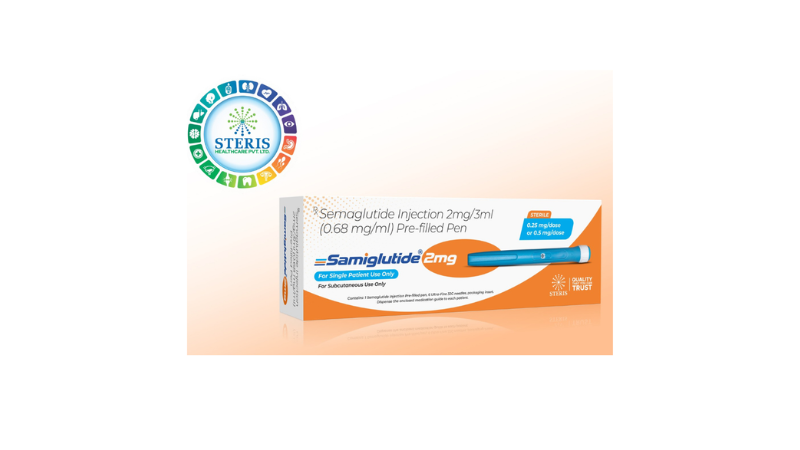
Semaglutide 2 mg Injection Dosage Guide: How to Use It Safely
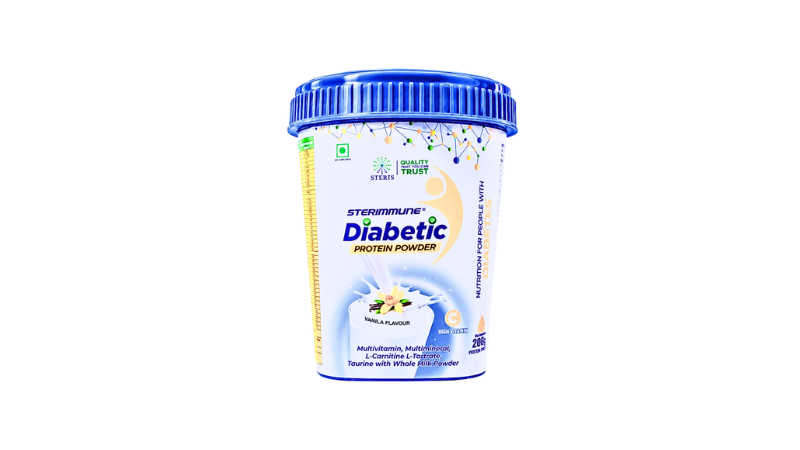
Buy Multivitamin + L-Carnitine + Taurine Protein Powder | Sterimmune

Semaglutide Injection Pen 8 mg: Step-by-Step Dosage & Precautions

BEST semaglutide injection price in india
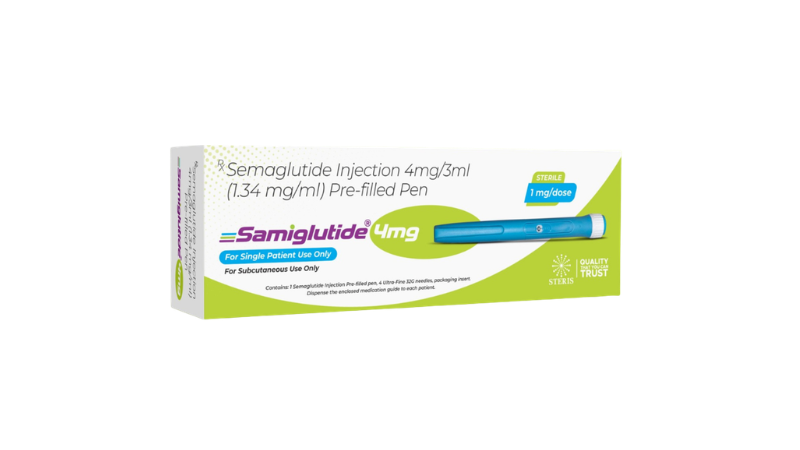
How Semaglutide Injection 4 mg Helps Control Blood Sugar
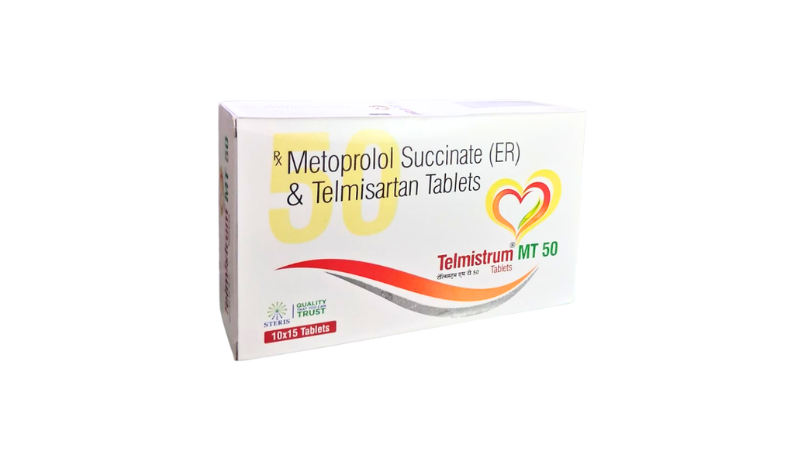
What Is Telmisartan and Metoprolol Succinate Combination Used For?
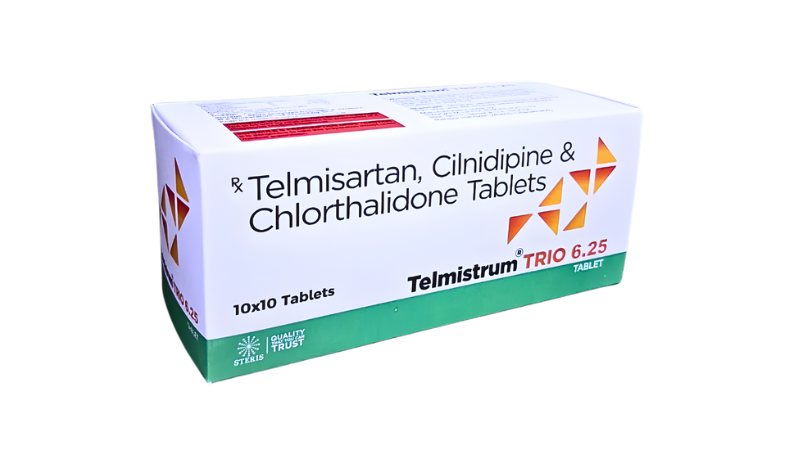
TELMISTRUM TRIO 6.25: Telmisartan, Cilnidipine & Chlorthalidone Uses & Side Effects
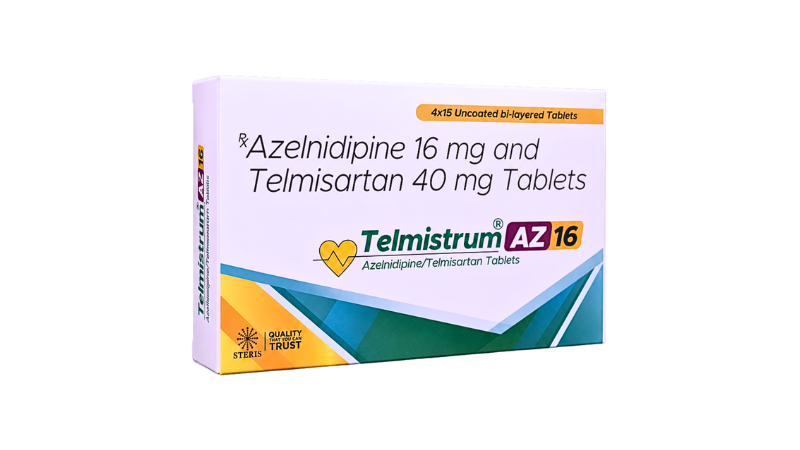
TELMISTRUM AZ 16: Telmisartan 40mg & Azelnidipine 16mg Uses, Dosage & Side Effects
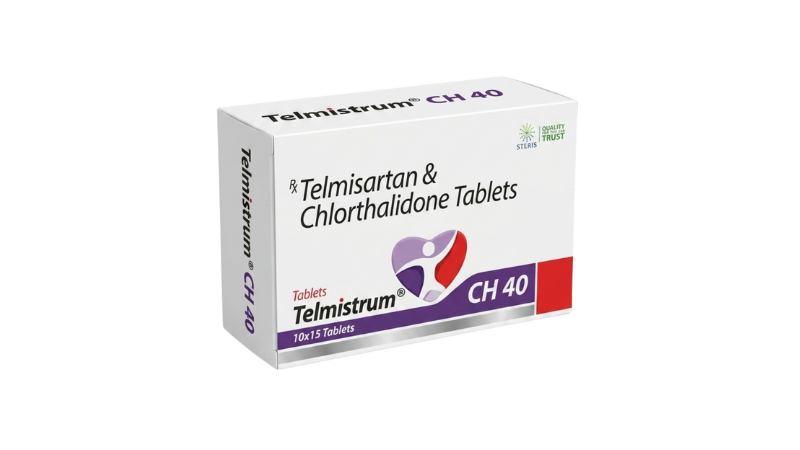
What Is Telmisartan and Chlorthalidone Combination Used For?
Telmisartan 40mg + Amlodipine 5mg Tablets: Uses, Dosage & Side Effects

