


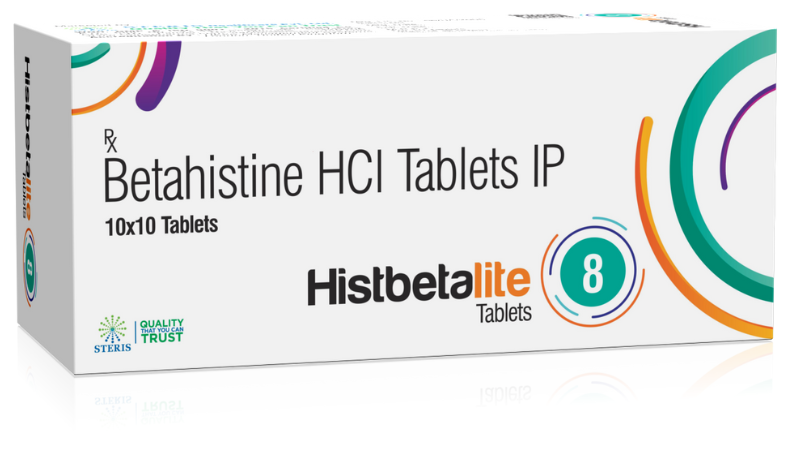



HISTBETALITE 8: Uses, Dosage, Side Effects, Price, and Conclusion.....
Jun 19, 2024
If you've been prescribed betahistine dihydrochloride tablets for dizziness, vertigo, or ringing in the ears, you likely want clear answers, not medical jargon. This guide explains what betahistine dihydrochloride does, its benefits, dosage basics, and safety considerations—in plain language, so you understand your treatment before your next doctor's visit.
HISTBETALITE 8, manufactured by Steris Healthcare Pvt Ltd, is one such betahistine dihydrochloride formulation, produced under WHO-GMP certified manufacturing standards.
- Betahistine Dihydrochloride is used to manage symptoms of Ménière's disease and vertigo, including dizziness, ringing in the ears (tinnitus), and hearing-related discomfort.
- It works by improving blood flow in the inner ear and reducing pressure from excess fluid buildup, which is believed to underlie Ménière's-related symptoms.
- It is not a fast-acting rescue medicine for sudden dizzy spells—benefits typically build up with regular use over weeks.
- Common side effects include mild stomach upset and headache; it should be used cautiously in people with a history of stomach ulcers or asthma.
- HISTBETALITE 8 by Steris Healthcare is manufactured in a WHO-GMP certified facility and sold as tablets under prescription.
- It is a prescription-only medicine—self-adjusting the dose without medical guidance isn't advised.
What Is Betahistine Dihydrochloride Used For?
Betahistine Dihydrochloride tablets are primarily used to manage symptoms associated with Ménière's disease, including vertigo (spinning dizziness), tinnitus (ringing in the ears), and a feeling of fullness or pressure in the ear.
Ménière's disease is an inner ear disorder linked to abnormal fluid buildup in the labyrinth, the part of the ear responsible for balance and hearing. Betahistine is one of the most commonly prescribed medicines for managing its recurring symptoms, and it's also sometimes used more broadly for vertigo of other origins, depending on a doctor's assessment.
What Are the Benefits of Betahistine Dihydrochloride Tablets?
The main benefit of betahistine dihydrochloride is a reduction in the frequency and severity of vertigo episodes over time, along with easing associated symptoms like tinnitus and ear pressure in patients with Ménière's disease.
Reported benefits with consistent use include:
- Fewer vertigo attacks—many patients notice a gradual drop in how often dizzy spells occur.
- Reduced tinnitus intensity—some patients report the ringing becomes less bothersome, though this varies.
- Improved daily functioning—less unpredictable dizziness can mean more confidence in daily activities like driving or working.
- Better long-term symptom management compared to only treating acute episodes as they happen.
It's worth being clear that betahistine works as a preventive, ongoing therapy rather than an instant fix for an active vertigo attack—this is one of the most common misunderstandings patients have.
How Does Betahistine Dihydrochloride Work?
Betahistine is believed to work by improving microcirculation (blood flow) in the inner ear and helping regulate the pressure of the fluid (endolymph) inside the labyrinth, which is thought to reduce the frequency of Ménière's-related symptoms.
It has weak antihistamine properties but functions differently from typical allergy antihistamines — its relevance to inner ear balance mechanisms is what makes it useful specifically for vertigo and Ménière's disease, rather than general allergy symptoms.
How Should Betahistine Dihydrochloride Tablets Be Taken?
Betahistine Dihydrochloride tablets are typically taken multiple times a day with food, exactly as prescribed by your doctor, since taking them with meals can help reduce mild stomach discomfort.
Practical points patients often ask about:
- Take it consistently—benefits build gradually, so missed or irregular dosing can reduce effectiveness.
- Take with food if you're prone to stomach sensitivity.
- Don't stop abruptly without consulting your doctor, even if symptoms improve.
- Give it time—noticeable symptom reduction may take several weeks of regular use.
What Are the Side Effects of Betahistine Dihydrochloride?
| Category | Examples |
|---|---|
| Common | Stomach discomfort, nausea, indigestion, headache |
| Less common | Skin rash, itching |
| Use with caution. | People with a history of peptic ulcers, asthma, or pheochromocytoma |
If you experience swelling of the face or throat, difficulty breathing, or a severe skin reaction, seek medical attention immediately, as these are signs of a rare allergic response rather than a typical side effect.
Who Should Avoid Betahistine Dihydrochloride?
Betahistine is generally avoided in people with pheochromocytoma (a rare adrenal tumor) and used cautiously in those with active peptic ulcers, asthma, or a known allergy to betahistine or similar compounds.
Always disclose your full medical history—including asthma, stomach ulcers, or allergies—to your doctor before starting treatment, along with any other medicines you're currently taking.
Why Choose HISTBETALITE 8 by Steris Healthcare?
HISTBETALITE 8 is manufactured by Steris Healthcare Pvt Ltd in a WHO-GMP-certified facility, reflecting consistent quality control standards from raw material sourcing to final packaging.
For a condition like Ménière's disease that requires ongoing, reliable dosing, manufacturing consistency matters—batch-to-batch reliability supports predictable treatment outcomes over time. As with all betahistine formulations, HISTBETALITE 8 is available strictly against a valid prescription.
Frequently Asked Questions
What is betahistine dihydrochloride used for?
It's mainly used to manage symptoms of Ménière's disease, including vertigo, tinnitus, and ear pressure, by improving inner ear blood flow and fluid regulation.
Does betahistine dihydrochloride work immediately for a dizzy spell?
No, it's a preventive, ongoing therapy rather than a fast-acting rescue medicine—symptom improvement typically develops over several weeks of consistent use.
What are the main benefits of Betahistine Dihydrochloride tablets?
Benefits include fewer and less severe vertigo episodes, reduced tinnitus intensity for some patients, and better long-term symptom control in Ménière's disease.
Can betahistine dihydrochloride cause side effects?
Yes, the most common are mild stomach upset, nausea, and headache; it should be used cautiously by people with peptic ulcers or asthma.
How should I take Betahistine Dihydrochloride tablets?
Typically multiple times daily with food, exactly as your doctor prescribes, with consistent daily use for best results.
Is betahistine dihydrochloride safe for long-term use?
It's commonly prescribed for long-term management of Ménière's disease under medical supervision, but ongoing use should always be reviewed periodically by your doctor.
Conclusion
Betahistine Dihydrochloride tablets remain a widely prescribed option for managing the unpredictable symptoms of Ménière's disease, offering a preventive approach rather than just symptom relief during an attack. Like any medicine, its effectiveness depends on consistent use and appropriate medical supervision, particularly for patients with a history of stomach ulcers, asthma, or specific allergies.
If you've been prescribed HISTBETALITE 8, take it consistently as directed, be patient with the gradual symptom improvement, and report any unusual reactions to your doctor. Talk to your physician or pharmacist to confirm it's the right fit for your health profile before starting or continuing treatment.
For More Further Information:
Mail Us: contact@sterispharma.com or info@sterispharma.com
Call Now: +918824175417, +919982524671
Recent Post
Semaglutide 4mg vs Pancreatitis Risk: What Doctors Want You to Know
Semaglutide 8mg Injection: Frequently Asked Questions Answered by Experts
Mycophenolate Mofetil 500mg (Mycofortic M 500): Uses, Benefits & Precautions – Complete Guide
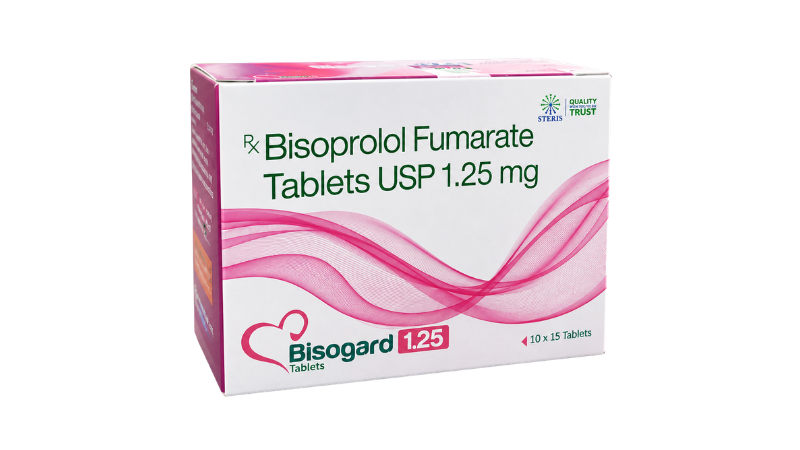
What is Bisogard 1.25? Bisoprolol 1.25mg Uses, Dosage & Side Effects Explained

Can Semaglutide Injection Be Used Without Diabetes?

What Are Nintedanib Soft Gelatin Capsules Used For? Complete Guide

Where to Buy Semaglutide Injection in India: Price, Pen & Prescription Guide
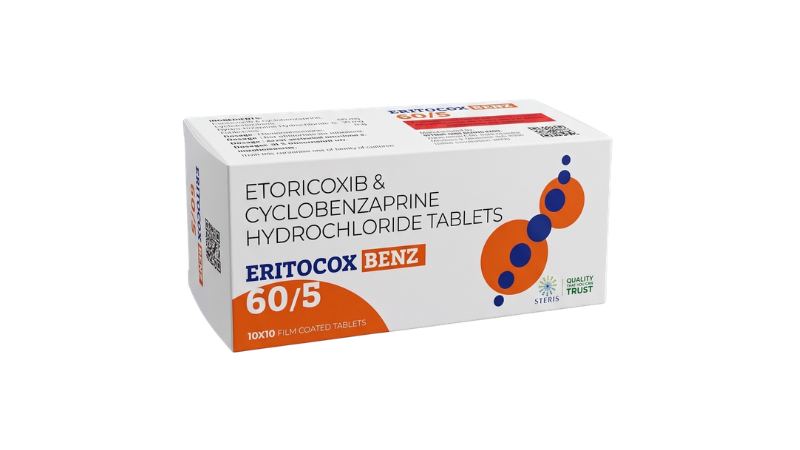
ERITOCOX BENZ 60/5 Dosage Guide: How to Take Etoricoxib & Cyclobenzaprine Tablets Safely
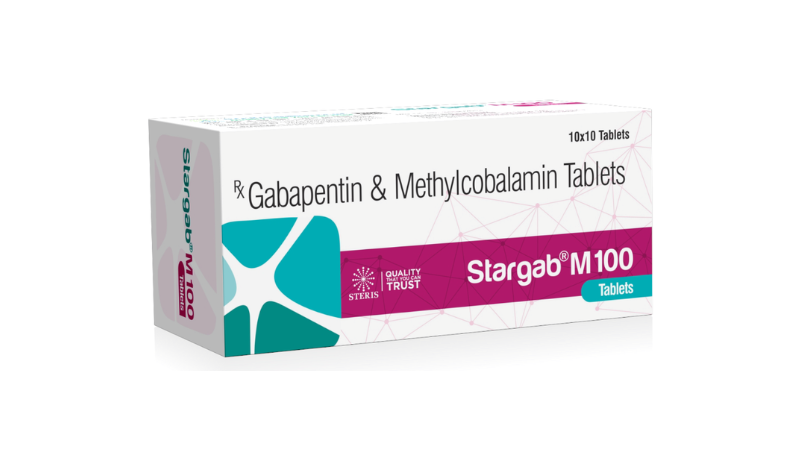
Gabapentin and Methylcobalamin Tablets Side Effects: What Patients Should Know
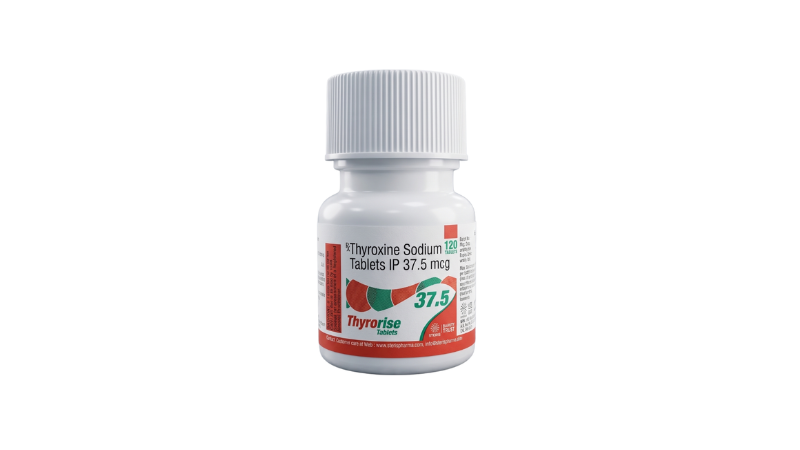
Thyroxine sodium tablets IP: उपयोग, फायदे और साइड इफेक्ट्स