


GLIMITERIS TRIO 0.2 : Tablet - Steris Healthcare PVT LTD………
May 23, 2024
Managing type 2 diabetes often isn't a one-drug job. As the condition progresses, a single medication frequently isn't enough to keep blood sugar levels within target range, and doctors may prescribe a combination of medicines that work through different mechanisms to control glucose more effectively. Glimiteris Trio 0.2, manufactured by Steris Healthcare, is a triple fixed-dose combination tablet containing Voglibose 0.2 mg, Glimepiride 3 mg, and Metformin Hydrochloride 500 mg — three well-established antidiabetic agents combined into a single tablet to help manage blood glucose in adults with type 2 diabetes mellitus.
This combination is typically prescribed when diet, exercise, and single-drug therapy are no longer sufficient to control blood sugar, or when a doctor determines that a multi-mechanism approach is needed to achieve better glycemic control. This article covers voglibose 0.2 mg uses, how Glimiteris Trio 0.2 works, its benefits, potential side effects, dosage principles, and important precautions to be aware of.
Glimiteris Trio 0.2 is a prescription medication. It should only be taken under the guidance of a qualified physician, following proper diagnosis and blood sugar monitoring, and should never be started, stopped, or adjusted without medical supervision.
Why It's Important
Type 2 diabetes is a progressive condition. Over time, the pancreas's ability to produce insulin can decline, and the body's cells become increasingly resistant to the insulin that is produced. This means that a treatment approach that worked well in the early stages of diabetes may become insufficient years later — which is why combination therapy is such a common and important part of long-term diabetes management.
Uncontrolled blood sugar over months and years is associated with serious complications, including damage to the eyes (diabetic retinopathy), kidneys (diabetic nephropathy), nerves (neuropathy), and cardiovascular system. Keeping blood glucose — both fasting and post-meal (postprandial) — within target range is one of the most important things a person with type 2 diabetes can do to reduce the risk of these long-term complications.
This is precisely where a triple combination like Glimiteris Trio 0.2 becomes clinically valuable. By combining an alpha-glucosidase inhibitor (voglibose), a sulfonylurea (glimepiride), and a biguanide (metformin), the medication addresses blood sugar control from three different angles: slowing carbohydrate digestion, stimulating insulin release from the pancreas, and reducing the liver's glucose output while improving insulin sensitivity. This multi-pronged approach can help patients who haven't achieved adequate control on metformin alone, or on a two-drug combination, without needing to take three separate tablets throughout the day.
Key Benefits
What Are the Benefits?
- Comprehensive glycemic control – By targeting three different mechanisms of glucose regulation, this combination can help manage both fasting and post-meal blood sugar spikes more effectively than single-agent therapy.
- Reduced post-meal blood sugar spikes – Voglibose specifically targets the sharp rise in blood glucose that occurs after meals, which is often harder to control with metformin or glimepiride alone.
- Improved treatment adherence – Combining three medications into a single tablet reduces pill burden, which can improve consistency in taking medication as prescribed — an important factor in long-term diabetes control.
- Complementary mechanisms with proven track records – Metformin, glimepiride, and voglibose are each individually well-established, widely studied antidiabetic agents with decades of clinical use, now combined for synergistic effect.
- May support better long-term outcomes – Consistent, well-controlled blood glucose is associated with a lower risk of diabetes-related complications over time, including cardiovascular, renal, and eye-related complications.
- Weight-neutral to potentially favorable profile with metformin – Metformin is generally considered weight-neutral and does not typically cause the weight gain sometimes seen with sulfonylureas alone.
- Convenient once- or twice-daily dosing (as prescribed) – Fixed-dose combinations are typically easier to fit into a daily routine compared to managing multiple separate prescriptions.
Uses:
Glimiteris Trio 0.2, formulated as metformin hydrochloride prolonged release and glimepiride tablets IP combined with voglibose, is indicated for the management of type 2 diabetes mellitus in adults, particularly when:
- Blood sugar is not adequately controlled with metformin alone
- A patient requires a combination approach after failing dual therapy
- Post-meal (postprandial) blood glucose spikes remain a persistent problem despite other treatment
- A doctor determines that triple combination therapy is clinically appropriate based on HbA1c levels and overall glycemic profile
Mechanism of action
Each component works differently, and together they offer a layered approach to blood sugar control:
- Voglibose (0.2 mg) is an alpha-glucosidase inhibitor. It works in the small intestine by inhibiting enzymes that break down complex carbohydrates into simple sugars. This slows carbohydrate digestion and glucose absorption, which reduces the sharp rise in blood sugar that typically occurs after meals (postprandial hyperglycemia).
- Glimepiride (3 mg) belongs to the sulfonylurea class. It works primarily by stimulating the beta cells of the pancreas to release more insulin. It also may improve peripheral tissue sensitivity to insulin to a modest degree, helping cells use glucose more efficiently.
- Metformin Hydrochloride (500 mg), a biguanide and the foundational first-line therapy for type 2 diabetes worldwide, works mainly by reducing glucose production in the liver (hepatic gluconeogenesis) and improving insulin sensitivity in peripheral tissues such as muscle, which increases glucose uptake and utilization. The prolonged-release formulation allows for steadier drug release over time, which can reduce gastrointestinal side effects compared to immediate-release metformin.
Together, these three mechanisms — slowed carbohydrate absorption, increased insulin secretion, and reduced hepatic glucose output combined with improved insulin sensitivity — work in a complementary fashion to provide more comprehensive blood sugar control than any single agent could achieve alone.
Side Effects
As with any diabetes medication, Glimiteris Trio 0.2 can cause side effects, and it's important to be aware of them and report anything unusual to your doctor.
Common side effects may include:
- Nausea, bloating, or mild stomach upset (often associated with metformin, particularly when starting treatment)
- Diarrhea or loose stools
- Flatulence (gas), especially associated with voglibose due to its effect on carbohydrate digestion
- Mild dizziness
- Headache
- Metallic taste in the mouth
- Mild hypoglycemia (low blood sugar), particularly if meals are skipped or delayed
Available Substitutes
Depending on individual response and tolerance, doctors may consider alternative combinations or individual components, such as metformin with glimepiride alone (without voglibose), metformin with a DPP-4 inhibitor, metformin with an SGLT2 inhibitor, or other triple combination brands containing the same or similar active ingredients. Any substitution should be made only under medical guidance, as switching therapies affects both efficacy and side-effect profile.
Dosage Guidelines
- Dosage must be individualized by a physician based on blood glucose levels, HbA1c, kidney function, and overall health status.
- Typically taken with or just before the first main meal of the day, as advised by your doctor, since voglibose works most effectively when taken with food.
- Do not skip meals after taking this medication, as doing so increases the risk of hypoglycemia due to the glimepiride component.
- Swallow the tablet whole; do not crush or chew prolonged-release metformin tablets, as this can affect the intended slow-release action.
- Regular monitoring of fasting and postprandial blood glucose, along with periodic HbA1c testing, is essential to assess how well the medication is working.
- Kidney function should be assessed periodically, as metformin dosing requires caution in patients with reduced renal function.
- Do not adjust the dose on your own, even if blood sugar readings look "good" for a period of time — changes should always be guided by your treating physician.
This is general educational information only. Actual dosing must be determined by your doctor based on your individual clinical picture and laboratory results.
Precautions & Warnings
- Prescription-only medication: Should only be used following a confirmed diagnosis of type 2 diabetes and under ongoing medical supervision.
- Kidney impairment: Metformin should be used with caution or avoided in patients with significant renal impairment due to the risk of lactic acidosis; your doctor will assess kidney function before and during treatment.
- Liver disease: Use with caution in patients with hepatic impairment.
- Risk of hypoglycemia: Particularly relevant for elderly patients, those who skip meals, consume alcohol, or engage in strenuous unplanned physical activity.
- Alcohol consumption: Should be avoided or limited, as alcohol can increase the risk of both hypoglycemia and lactic acidosis.
- Surgery or contrast-dye imaging procedures: Metformin may need to be temporarily stopped before certain surgeries or imaging procedures involving iodinated contrast dye, due to the risk of kidney-related complications — inform your doctor and radiologist if you are taking this medication.
- Pregnancy and breastfeeding: Not generally recommended; consult your doctor, as insulin is often preferred for blood sugar control during pregnancy.
- Cardiovascular disease: Use with appropriate caution and monitoring in patients with a history of heart disease.
- Dehydration or acute illness: Conditions causing significant fluid loss (severe vomiting, diarrhea, fever) may increase the risk of complications; consult your doctor during acute illness.
- Drug interactions: May interact with certain diuretics, corticosteroids, other diabetes medications, and drugs affecting kidney function — always disclose your full medication list to your doctor.
- Regular monitoring is essential: Includes blood glucose, HbA1c, kidney function, and periodic vitamin B12 levels with long-term use.
- Store as directed, away from heat and moisture, and out of reach of children.
Frequently Asked Questions
1. What is Glimiteris Trio 0.2 used for?
Glimiteris Trio 0.2 is used to manage blood sugar levels in adults with type 2 diabetes mellitus, particularly when single-drug therapy hasn't achieved adequate control.
2. What is voglibose 0.2 mg used for?
Voglibose 0.2 mg is used to reduce post-meal (postprandial) blood sugar spikes by slowing carbohydrate digestion and absorption in the intestine.
3. What does a voglibose tablet do?
A voglibose tablet works as an alpha-glucosidase inhibitor, delaying the breakdown of complex carbohydrates into simple sugars, which helps prevent sharp rises in blood glucose after meals.
4. What is glimepiride tablet used for?
Glimepiride is used to lower blood sugar in type 2 diabetes by stimulating the pancreas to release more insulin.
5. What is metformin hydrochloride 500 mg used for?
Metformin hydrochloride 500 mg is used to reduce glucose production in the liver and improve the body's sensitivity to insulin, helping control blood sugar in type 2 diabetes.
6. What is metformin hydrochloride prolonged release?
It is a slow-release formulation of metformin designed to release the medication gradually over time, which can help reduce gastrointestinal side effects compared to immediate-release metformin.
7. How should Glimiteris Trio 0.2 be taken?
It is typically taken with or just before the first main meal of the day, exactly as directed by your doctor — do not skip meals after taking this medication.
8. What are the common side effects of this combination?
Common side effects include nausea, bloating, gas, mild stomach upset, and a risk of low blood sugar (hypoglycemia) if meals are skipped.
9. Can this medication cause low blood sugar?
Yes, the glimepiride component carries a risk of hypoglycemia, especially if a dose is taken without an adequate meal afterward.
10. Is Glimiteris Trio 0.2 safe for the kidneys?
Metformin requires caution in patients with reduced kidney function; your doctor will assess kidney function before and periodically during treatment.
11. Can I drink alcohol while taking this medication?
Alcohol should be avoided or limited, as it can increase the risk of both hypoglycemia and a rare but serious condition called lactic acidosis.
12. What is lactic acidosis, and is it a concern with metformin?
Lactic acidosis is a rare but serious metabolic complication associated with metformin, more likely in patients with kidney or liver impairment; symptoms include severe muscle pain, breathing difficulty, and fatigue, requiring emergency care.
13. Can pregnant women take Glimiteris Trio 0.2?
It is generally not recommended during pregnancy; doctors often prefer insulin for blood sugar control during this time — always consult your doctor.
14. Should this medication be stopped before surgery?
Metformin may need to be temporarily paused before certain surgeries or contrast-dye imaging procedures — inform your doctor and surgical team that you are taking this medication.
15. What should I do if I miss a dose?
Take it as soon as you remember unless it's close to your next dose — do not double up, and consult your doctor's specific instructions on missed doses.
16. Can this medication be taken long-term?
Yes, it is often used as part of long-term diabetes management, with regular monitoring of blood sugar, kidney function, and vitamin B12 levels over time.
17. What is the difference between voglibose and metformin?
Voglibose slows carbohydrate absorption in the intestine to reduce post-meal glucose spikes, while metformin reduces glucose production in the liver and improves insulin sensitivity — they work through entirely different mechanisms.
18. Are there alternatives to this triple combination?
Yes, alternatives include dual combinations (such as metformin with glimepiride alone), or combinations involving newer drug classes like DPP-4 or SGLT2 inhibitors — your doctor can advise on the best option for you.
19. Does this medication cause weight gain?
Metformin is generally weight-neutral, though glimepiride may be associated with modest weight gain in some patients; overall effect varies by individual.
20. How often should blood sugar be monitored on this medication?
Your doctor will advise a monitoring schedule, typically including regular fasting and post-meal glucose checks along with periodic HbA1c testing every 3 months.
Conclusion
Glimiteris Trio 0.2, combining Voglibose 0.2 mg, Glimepiride 3 mg, and Metformin Hydrochloride 500 mg, offers a comprehensive, multi-mechanism approach to managing type 2 diabetes for patients who need more than single-agent therapy. By addressing post-meal glucose spikes, stimulating insulin release, and improving insulin sensitivity while reducing liver glucose output, this triple combination — from Steris Healthcare — is designed to help patients achieve more consistent glycemic control with the convenience of a single tablet.
That said, effective diabetes management is a partnership between patient and physician. Regular blood sugar monitoring, periodic lab testing, attention to diet and meal timing, and open communication with your doctor about side effects or symptoms of hypoglycemia are all essential parts of using this medication safely and effectively. If you have type 2 diabetes and your current treatment isn't achieving your target blood sugar goals, talk to your doctor about whether a combination therapy like Glimiteris Trio 0.2 may be appropriate for you.
For Further Information:
Mail Us: contact@sterispharma.com or info@sterispharma.com
Call Now: +91 8824175417, +91 9982524671
Recent Post

Empagliflozin, Sitagliptin and Metformin Tablets: Uses, Benefits & Price in India | Steris Healthcare You're using the free version of ChatGPT. Upgrade for advanced models, better memory, and higher-quality image creation. Try Plus free

D-Panthenol & Sodium Hyaluronate Ophthalmic Solution: Uses, Benefits & Eye Care
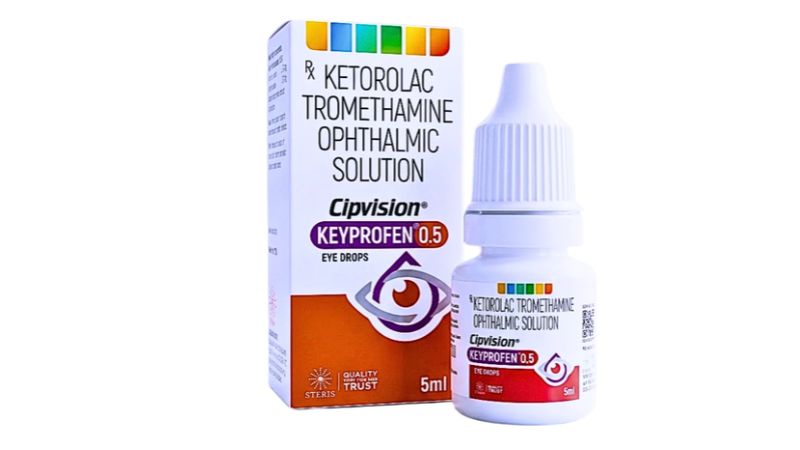
Ketorolac Tromethamine Ophthalmic Solution: Uses, Benefits, Side Effects & Dosage
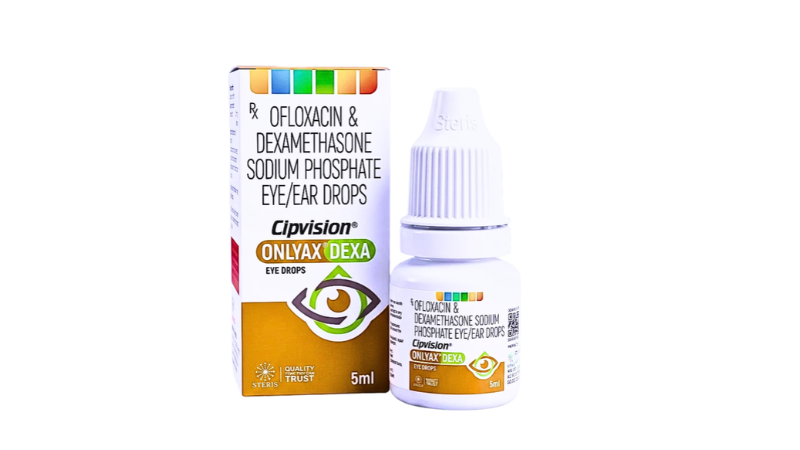
Ofloxacin Dexamethasone Eye/Ear Drops: What Doctors Prescribe
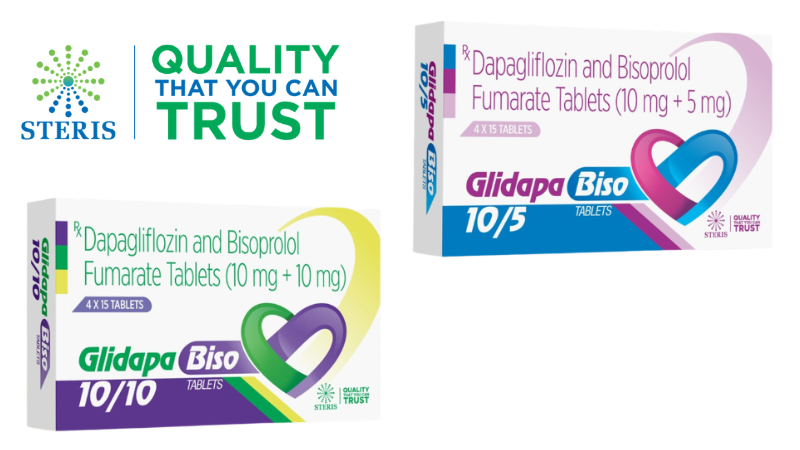
Dapagliflozin and Bisoprolol: Uses, Benefits, Side Effects and Precautions
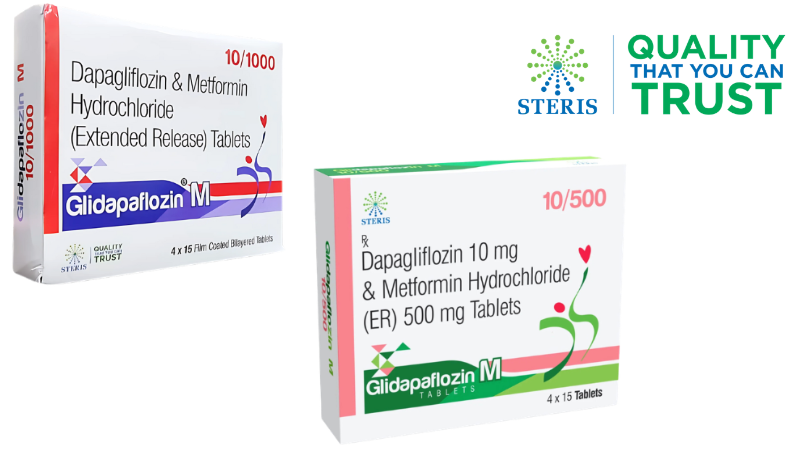
How Do Dapagliflozin and Metformin Work Together to Manage Type 2 Diabetes?
Voglibose and Repaglinide Tablets: Uses & Side Effects
Dapagliflozin for Type 2 Diabetes: Uses and Important Precautions
Dapagliflozin and Metformin Tablets: Uses, Benefits, Side Effects and Precautions
Itopride Hydrochloride Uses: What It Treats and How It Works

