


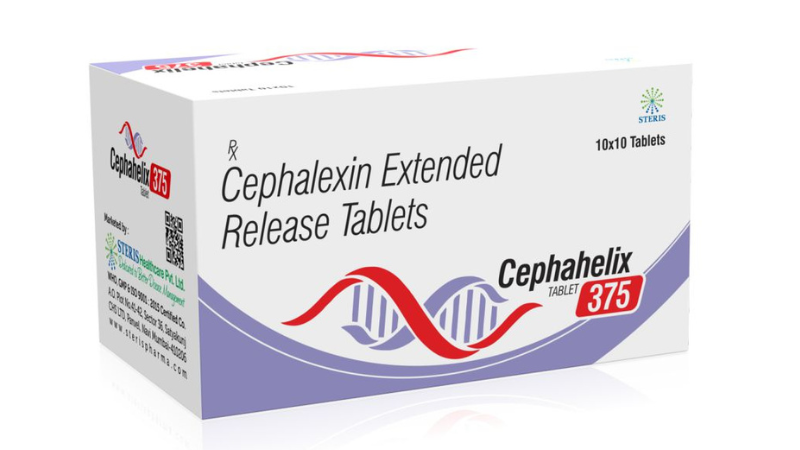



Comprehensive Guide to Cephalexin (375mg) by Steris Healthcare - Uses, Dosage, and Side Effects
Jul 18, 2024
Cephalexin Tablet is a widely prescribed cephalosporin antibiotic used to treat a variety of bacterial infections affecting the respiratory tract, skin, urinary tract, ears, bones, and soft tissues. It contains Cephalexin, a first-generation cephalosporin that works by eliminating bacteria responsible for infection. Because of its proven effectiveness and favorable safety profile, Cephalexin is commonly prescribed for both adults and children (in age-appropriate formulations) under medical supervision.
Bacterial infections can cause symptoms such as fever, sore throat, painful urination, skin redness, swelling, pus formation, cough, and ear pain. If left untreated, these infections may spread and lead to more serious health complications. Cephalexin Tablet helps control bacterial growth, reduces infection-related symptoms, and supports faster recovery when taken as prescribed.
Unlike medicines used to treat viral illnesses such as the common cold, influenza, or most sore throats caused by viruses, Cephalexin is effective only against susceptible bacterial infections. Using antibiotics unnecessarily or not completing the prescribed course may contribute to antibiotic resistance, making future infections more difficult to treat.
Doctors prescribe Cephalexin Tablet after evaluating the type of infection, medical history, allergy status, kidney function, and other individual health factors. Depending on the condition, treatment may last from a few days to several weeks. Completing the full course is essential, even if symptoms improve early, to ensure complete eradication of the bacteria and reduce the risk of recurrence.
When used responsibly under medical guidance, Cephalexin Tablet remains an important antibiotic for managing common bacterial infections and helping patients return to normal health.
What is Cephalexin Tablet?
Cephalexin Tablet contains Cephalexin, a first-generation cephalosporin antibiotic that kills bacteria by interfering with the formation of their protective cell wall. Without a stable cell wall, bacteria cannot survive, allowing the body's immune system to eliminate the infection more effectively.
Cephalexin is active against many gram-positive bacteria and selected gram-negative bacteria commonly responsible for community-acquired infections. It is available in different strengths and dosage forms to meet individual treatment needs.
How Does Cephalexin Tablet Work?
Cephalexin works by preventing bacteria from building and maintaining their cell walls. Since the bacterial cell wall is essential for survival, its disruption causes the bacteria to weaken and eventually die.
This bactericidal action helps eliminate the infection rather than simply slowing bacterial growth. As the bacteria are destroyed, symptoms such as fever, swelling, redness, pain, and discomfort gradually improve.
Because antibiotics only work against bacteria, Cephalexin should not be used for viral illnesses unless specifically advised by a healthcare professional.
Cephalexin Tablet Uses
Cephalexin Tablet is prescribed to treat a wide range of bacterial infections.
Common uses include:
- Treatment of skin and soft tissue infections
- Management of urinary tract infections (UTIs)
- Treatment of respiratory tract bacterial infections
- Treatment of throat and tonsil bacterial infections
- Management of ear infections (otitis media)
- Treatment of certain bone infections
- Management of dental bacterial infections
- Treatment of susceptible bacterial infections as prescribed by a healthcare professional
Benefits of Cephalexin Tablet
Cephalexin provides effective treatment for susceptible bacterial infections when used appropriately.
Key benefits include:
- Eliminates infection-causing bacteria
- Helps reduce fever and infection-related symptoms
- Promotes faster recovery from bacterial infections
- Relieves pain, redness, and swelling associated with infection
- Helps prevent infection from spreading
- Supports healing of skin and soft tissue infections
- Effective against many common community-acquired bacterial infections
- Well-established safety profile when used as prescribed
Dosage and Administration
Cephalexin Tablet should always be taken exactly as prescribed by your healthcare provider. The dosage depends on the type and severity of the infection, the patient's age, kidney function, body weight, and overall health.
The tablet may be taken with or without food. However, taking it with food may help reduce stomach discomfort in some individuals. Swallow the tablet whole with a glass of water and take it at evenly spaced intervals to maintain consistent antibiotic levels in the body.
Patients should never skip doses or stop treatment early simply because they feel better. Completing the entire prescribed course helps eliminate the infection completely and reduces the risk of bacterial resistance.
If a dose is missed, it should be taken as soon as remembered unless it is almost time for the next scheduled dose. A double dose should not be taken to compensate for a missed one.
Side Effects of Cephalexin Tablet
Like all medicines, Cephalexin Tablet may cause side effects, although many people experience none or only mild symptoms.
Common side effects include:
- Nausea
- Vomiting
- Diarrhea
- Stomach discomfort
- Indigestion
- Headache
- Mild skin rash
- Dizziness
Serious side effects requiring immediate medical attention include:
- Severe allergic reactions
- Difficulty breathing
- Swelling of the face, lips, or throat
- Severe or persistent diarrhea
- Bloody stools
- Severe skin reactions
- Yellowing of the skin or eyes (rare)
Seek immediate medical care if any serious symptoms occur.
Precautions and Warnings
Before taking Cephalexin Tablet, inform your healthcare provider if you have allergies to cephalosporins, penicillins, or other antibiotics. Individuals with a history of severe allergic reactions may require an alternative treatment.
Patients with kidney disease may need dosage adjustments because Cephalexin is primarily eliminated through the kidneys. Inform your doctor if you have kidney problems, gastrointestinal disease (especially colitis), diabetes, or any chronic medical condition.
Although Cephalexin is generally well tolerated, prolonged antibiotic use may occasionally lead to overgrowth of non-susceptible organisms, including fungal infections. If new symptoms develop during treatment, medical evaluation is recommended.
Pregnant and breastfeeding women should take Cephalexin only under medical supervision. The prescribing doctor will evaluate whether the expected benefits outweigh any potential risks.
To support recovery, patients should stay well hydrated, maintain good personal hygiene, follow the prescribed treatment schedule, and avoid sharing antibiotics with others.
Drug Interactions
Cephalexin may interact with certain medicines, including anticoagulants (blood thinners), metformin, probenecid, and some laboratory tests. These interactions may influence treatment effectiveness or increase the likelihood of side effects.
Always inform your healthcare provider about all prescription medicines, over-the-counter products, herbal supplements, and vitamins you are currently taking before starting Cephalexin.
Storage Instructions
Store Cephalexin Tablets in a cool, dry place away from direct sunlight, excessive heat, and moisture. Keep the medicine in its original packaging and out of reach of children and pets. Do not use the tablets after the expiry date printed on the package.
Conclusion
Cephalexin Tablet is a trusted and effective antibiotic used to treat a wide variety of bacterial infections, including infections of the skin, urinary tract, respiratory tract, ears, throat, and soft tissues. By destroying susceptible bacteria, it helps relieve symptoms, supports faster recovery, and reduces the risk of infection-related complications.
For safe and successful treatment, patients should take Cephalexin exactly as prescribed, complete the full antibiotic course, and avoid unnecessary antibiotic use. Prompt medical consultation is important if symptoms worsen, fail to improve, or if signs of an allergic reaction develop. Responsible antibiotic use helps protect both individual health and the effectiveness of antibiotics for the future.
Frequently Asked Questions
1. What is Cephalexin Tablet used for?
Cephalexin Tablet is used to treat bacterial infections, including skin infections, urinary tract infections, throat infections, respiratory infections, ear infections, dental infections, and certain bone infections.
2. Is Cephalexin Tablet an antibiotic?
Yes. Cephalexin is a first-generation cephalosporin antibiotic that kills susceptible bacteria by disrupting their cell wall formation.
3. Can Cephalexin Tablet treat viral infections?
No. Cephalexin is effective only against bacterial infections and should not be used to treat viral illnesses such as the common cold, influenza, or most viral sore throats.
4. How long does Cephalexin Tablet take to work?
Many patients begin noticing improvement within 24 to 48 hours, but the full prescribed course should always be completed to ensure complete treatment of the infection.
5. Can I stop taking Cephalexin Tablet once I feel better?
No. Complete the entire course as prescribed, even if symptoms improve early. Stopping treatment prematurely may allow bacteria to survive and increase the risk of recurrence or antibiotic resistance.
6. Can Cephalexin Tablet cause diarrhea?
Yes. Mild diarrhea is a common side effect. However, severe or persistent diarrhea, especially if bloody, requires immediate medical evaluation because it may indicate antibiotic-associated colitis.
7. Can Cephalexin Tablet be taken with food?
Yes. It may be taken with or without food. Taking it with food may help reduce stomach upset in some individuals.
8. Is Cephalexin Tablet safe during pregnancy?
Cephalexin may be prescribed during pregnancy when considered appropriate by a healthcare professional. Treatment decisions should always be based on individual medical assessment.
9. What should I do if I miss a dose of Cephalexin Tablet?
Take the missed dose as soon as you remember unless it is nearly time for your next scheduled dose. Do not take two doses at the same time.
10. Who should avoid Cephalexin Tablet?
People with a known allergy to Cephalexin, cephalosporin antibiotics, or certain severe penicillin allergies should consult their healthcare provider before using this medicine.
11. Can cephalexin treat h pylori?
No, cephalexin does not treat Helicobacter pylori; specific combination antibiotic therapy is required for eradication.
Recent Post
Itopride Hydrochloride Uses: What It Treats and How It Works
Glimepiride 0.5 mg + Voglibose 0.2 mg + Metformin SR 500 mg | Steris Healthcare
Trimetazidine Hydrochloride Modified Release Tablets 35 mg Uses, Benefits
EUROSOFT MOSQUITO SHIELD
Olmesartan and Metoprolol: Uses, Benefits, Dosage & Side Effects | Steris Healthcare
Tofacitinib 11 mg Tablets: A Complete Guide to Uses and Side Effects
Olmesartan Medoxomil + Metoprolol Succinate: Uses, Dosage
Torsemide 100 mg: Uses, Dosage, Side Effects, and Precautions
How Streptococcus Thermophilus Supports Digestive Health
Olmesartan Medoxomil + Metoprolol Succinate: Uses, Benefits & Side Effects