





Clopidogrel 75 mg and Aspirin 150 mg uses, dosage, side effects and more
Dec 04, 2025
CLOPIGOLD A 150 is a dual antiplatelet therapy containing Clopidogrel 75 mg and Aspirin 150 mg in capsule form. These two medicines work together to prevent the formation of harmful blood clots, reduce the risk of heart attack and stroke, and protect patients who are at high cardiovascular risk. This combination is widely recommended in India for patients with coronary artery disease, unstable angina, post-angioplasty care, and individuals recovering from heart attack or ischemic stroke.
Clopidogrel is an antiplatelet agent that inhibits platelet aggregation by blocking the P2Y12 ADP receptor pathway, whereas Aspirin works by inhibiting thromboxane A2, another key promoter of platelet clot formation. Together, these two agents provide powerful and comprehensive protection against clot-related complications.
CLOPIGOLD A 150 acts as a cornerstone in long-term cardiovascular care. It is often prescribed after procedures such as stent placement, bypass surgery, or balloon angioplasty, where preventing clot formation is essential for maintaining smooth blood flow. For individuals with a history of cardiovascular events, this combination helps prevent recurrence and reduces the chances of life-threatening complications.
This article provides a detailed, well-researched overview of CLOPIGOLD A 150, including its uses, benefits, dosage guidelines, side effects, precautions, and final recommendations. The objective is to provide clear and practical information for patients, caregivers, healthcare professionals, and anyone seeking a complete understanding of Clopidogrel + Aspirin therapy.
Clopidogrel and Aspirin Capsules Uses
CLOPIGOLD A 150 is primarily used to prevent blood clots and reduce cardiovascular risk. This combination therapy is widely prescribed for several serious conditions, mostly related to heart and blood vessel functioning.
1. Prevention of Heart Attack (Myocardial Infarction)
Patients who have had a heart attack or are at high risk of one benefit greatly from CLOPIGOLD A 150. It helps prevent the formation of new clots in coronary arteries, ensuring stable blood flow to heart muscles.
2. Prevention of Stroke (Ischemic Stroke)
Ischemic stroke occurs when a clot blocks blood flow to the brain. This combination helps reduce the risk of future stroke in patients who have already had one or have narrowed blood vessels.
3. Post-Angioplasty and Stent Placement
After a coronary stent is placed, the biggest risk is that a clot may form inside the stent. CLOPIGOLD A 150 is essential to prevent stent thrombosis and ensure stable recovery.
4. Unstable Angina and Acute Coronary Syndrome (ACS)
Individuals experiencing severe chest pain caused by reduced blood flow (angina) often require dual antiplatelet therapy to prevent clot formation and stabilize heart functioning.
5. Peripheral Artery Disease (PAD)
Patients with narrowed arteries in the legs benefit from this treatment because it improves blood flow and reduces clot-related symptoms.
6. Secondary Prevention in High-Risk Patients
Patients with diabetes, hypertension, high cholesterol, or a strong family history of heart issues may be prescribed CLOPIGOLD A 150 to prevent cardiovascular complications.
7. Post-Coronary Artery Bypass Grafting (CABG)
After bypass surgery, this medicine helps maintain graft patency (uninterrupted blood flow) and prevents clot-related blockages.
8. Prevention of Transient Ischemic Attack (TIA)
TIA, also known as a mini-stroke, is a warning sign of a major stroke. This medicine helps prevent future severe events.
Benefits Of Clopidogrel and Aspirin Capsules
CLOPIGOLD A 150 offers multiple clinically proven benefits. It is recognized globally for its strong antiplatelet action and its ability to reduce life-threatening clot-related incidents.
1. Dual Protection Against Clots
The combination of Clopidogrel and Aspirin targets two different pathways responsible for platelet aggregation, providing enhanced protection compared to single therapy.
2. Reduces Risk of Heart Attack
By preventing clot formation in coronary arteries, this medicine significantly lowers the chances of heart attacks, particularly in high-risk patients.
3. Prevents Stroke and Brain Clots
Patients with a history of stroke benefit from improved blood flow and reduced clot formation in brain vessels.
4. Essential After Stent Placement
This combination decreases the risk of stent thrombosis, which is a serious and potentially fatal complication after angioplasty.
5. Improves Long-Term Cardiovascular Stability
Regular use under medical supervision helps maintain healthy blood circulation and prevents recurrent cardiovascular events.
6. Helps Manage Angina
Reduced platelet activity improves blood flow to heart muscles, lowering angina symptoms and discomfort.
7. Lower Rate of Recurrence of Clots
Patients who have previously experienced clot-related problems are less likely to face recurrence when on this medicine.
8. Complementary Pharmacological Action
Clopidogrel and Aspirin work synergistically, offering more powerful action than either medicine alone.
9. Better Protection for High-Risk Patients
Patients with risk factors like diabetes, hypertension, obesity, and previous heart procedures get reliable protection against clot formation.
10. Improved Patient Outcomes
Clinical studies consistently show better survival rates and improved heart function in patients on dual antiplatelet therapy.
Dosage of Clopidogrel and Aspirin Capsules
The dosage of CLOPIGOLD A 150 should always be taken strictly as advised by a healthcare professional. Do not self-medicate or alter the dose.
1. Standard Recommended Dose
-
Typically one capsule per day, swallowed whole with water.
-
Should be taken after food to reduce stomach irritation.
2. Duration of Therapy
The treatment duration varies:
-
Post-stent placement: 6–12 months
-
Post-heart attack: Long-term therapy may be required
-
Stroke prevention: As advised depending on severity
Doctors decide the duration based on each patient’s condition and risk profile.
3. Important Guidelines
-
Do not crush or open capsules; swallow whole.
-
Take the dose at the same time daily for consistent effect.
-
Never stop the medicine suddenly as it may increase the risk of clot formation.
4. Missed Dose
If you miss a dose:
-
Take it as soon as you remember.
-
Skip it if the next dose is near.
-
Do not double the dose.
5. Overdose
Overdosing may lead to:
-
Excessive bleeding
-
Nosebleeds
-
Blood in stools
-
Severe stomach irritation
Seek immediate medical attention in such cases.
Side Effects
CLOPIGOLD A 150 is effective but may cause side effects, especially because it affects clotting mechanisms. Monitoring and timely communication with the doctor can reduce risks.
Common Side Effects
-
Stomach discomfort
-
Acidity or indigestion
-
Nausea
-
Headache
-
Dizziness
-
Mild bruising
Moderate Side Effects
May require medical advice:
-
Nosebleeds
-
Bleeding gums
-
Easy bruising
-
Black or tarry stools
-
Stomach irritation
Serious Side Effects
Seek urgent medical help if you experience:
-
Severe internal bleeding
-
Vomiting blood
-
Sudden weakness or fainting
-
Vision disturbances
-
Severe allergic reaction
-
Breathing difficulty
-
Uncontrolled bleeding from cuts
Aspirin-Related Side Effects
-
Gastric ulcer
-
Gastritis
-
Ringing in the ears (very high doses)
Clopidogrel-Related Side Effects
-
Rare blood disorders
-
Skin rash
-
Severe bruising
Always stay in touch with the doctor for regular follow-up.
Precautions and Warning
Because CLOPIGOLD A 150 affects blood clotting, it must be used carefully under medical supervision.
1. Not Recommended in Active Bleeding
Patients with stomach ulcers or active bleeding should not take this medicine.
2. Avoid Before Surgeries
Inform your surgeon before any surgery or dental procedure; the doctor may temporarily stop the medicine.
3. Kidney and Liver Impairment
Dose adjustments may be necessary.
4. Asthma Patients
Aspirin may trigger asthma in certain individuals.
5. Avoid Alcohol
Alcohol increases the risk of bleeding and stomach irritation.
6. Drug Interactions
Inform your doctor if you take:
-
Blood thinners
-
NSAIDs
-
Steroids
-
Antidepressants
-
Antidiabetic drugs
These may increase bleeding risks when combined.
7. Pregnancy and Breastfeeding
Not recommended unless absolutely necessary and prescribed by a specialist.
8. Allergy Warning
Patients allergic to NSAIDs, aspirin, or similar drugs should avoid this combination.
9. Monitoring Required
Regular check-ups may include:
-
Platelet count
-
Bleeding time
-
Liver function
-
Kidney function
10. Do Not Stop Abruptly
Stopping suddenly can cause clot formation and increase the risk of heart attack or stroke.
Conclusion
CLOPIGOLD A 150, containing Clopidogrel 75 mg + Aspirin 150 mg, is one of the most trusted and effective dual antiplatelet therapies used to prevent blood clots, heart attacks, and strokes. It plays a crucial role in the long-term management of cardiovascular conditions, especially in patients with a history of heart disease, stent placement, or stroke. Its ability to target multiple pathways in clot formation makes it a superior option for comprehensive cardiovascular protection.
When used under proper medical guidance, CLOPIGOLD A 150 significantly improves heart health, reduces the risk of serious complications, and ensures stable recovery after cardiac procedures. Regular monitoring, strict adherence to dosage, and timely communication with healthcare professionals ensure safe and effective use
Recent Post
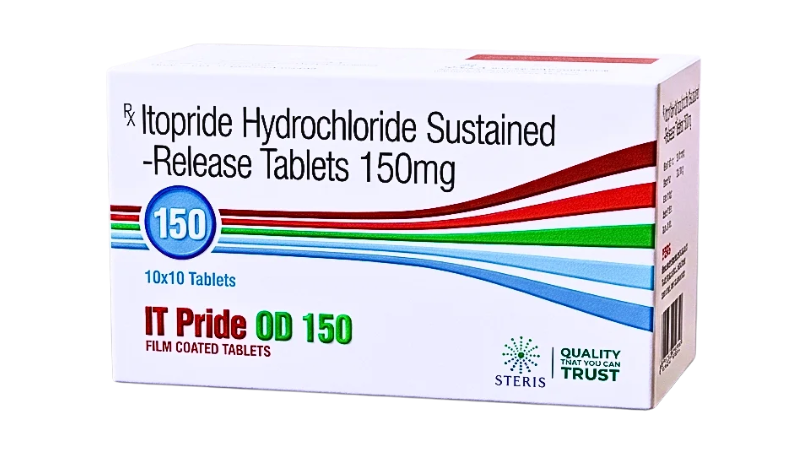
Itopride Hydrochloride Uses: What It Treats and How It Works
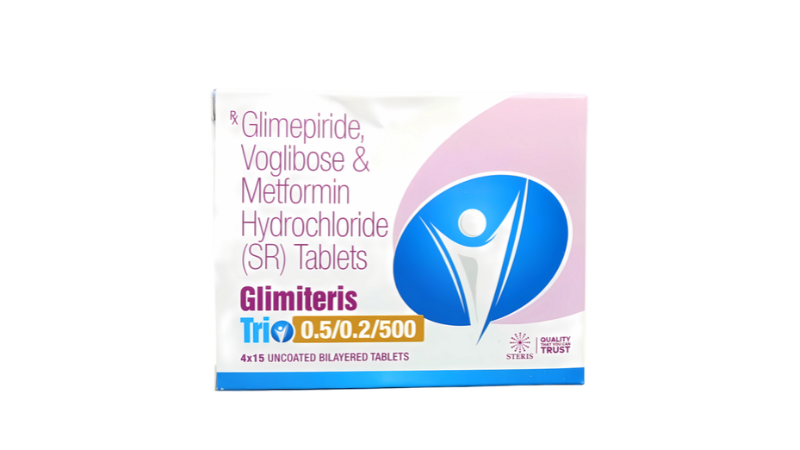
Glimepiride 0.5 mg + Voglibose 0.2 mg + Metformin SR 500 mg | Steris Healthcare
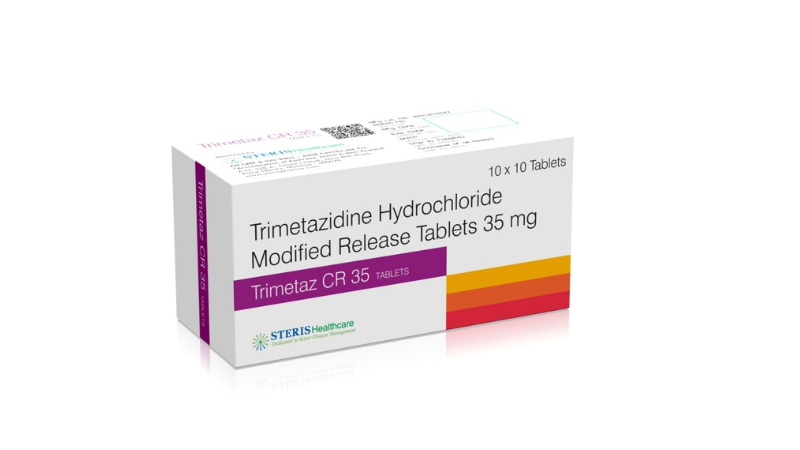
Trimetazidine Hydrochloride Modified Release Tablets 35 mg Uses, Benefits

EUROSOFT MOSQUITO SHIELD
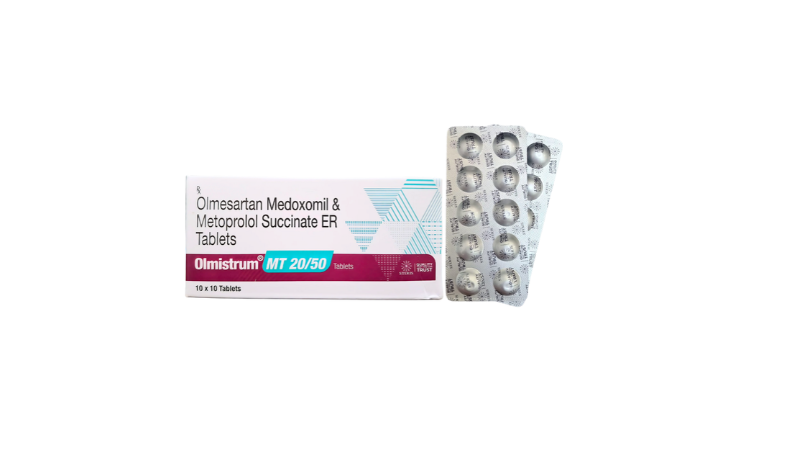
Olmesartan and Metoprolol: Uses, Benefits, Dosage & Side Effects | Steris Healthcare
Tofacitinib 11 mg Tablets: A Complete Guide to Uses and Side Effects
Olmesartan Medoxomil + Metoprolol Succinate: Uses, Dosage
Torsemide 100 mg: Uses, Dosage, Side Effects, and Precautions
How Streptococcus Thermophilus Supports Digestive Health
Olmesartan Medoxomil + Metoprolol Succinate: Uses, Benefits & Side Effects