


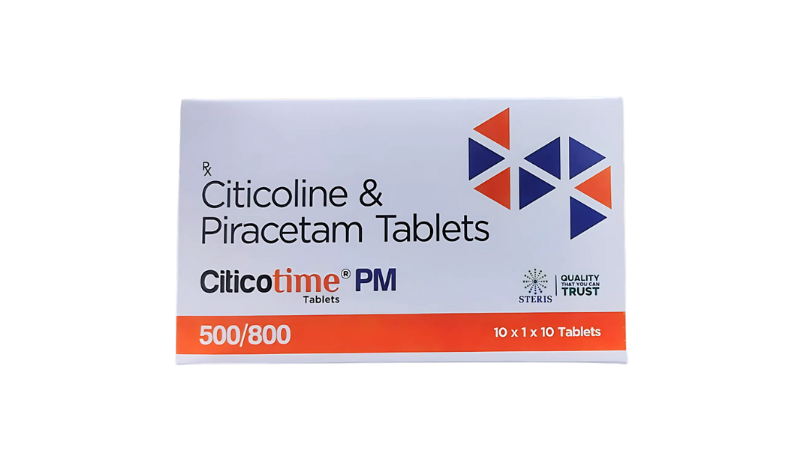



Citicoline and Piracetam Tablets: Uses, Benefits, Dosage & Side Effects
Aug 06, 2025
Citicoline and Piracetam Tablets are prescription medicines commonly used to improve cognitive function, memory, concentration, and overall brain performance. This combination is frequently prescribed for patients recovering from neurological disorders, stroke, age-related cognitive decline, and other conditions affecting brain function. By combining two clinically established nootropic agents, these tablets help support healthy brain cells, enhance nerve communication, and improve mental performance under medical supervision.
What are Citicoline and Piracetam Tablets?
Citicoline and Piracetam Tablets are a combination neurological medicine designed to improve brain function and cognitive performance. The two active ingredients work together to support healthy brain cells and enhance communication between nerve cells.
Citicoline is a neuroprotective medicine that helps restore brain cell membranes, supports the production of essential brain chemicals, and promotes healthy nerve function.
Piracetam belongs to the nootropic class of medicines and improves communication between brain cells while enhancing blood flow and oxygen utilization in the brain.
Together, these medicines help improve memory, learning ability, concentration, mental alertness, and cognitive recovery in patients with neurological disorders.
How Do Citicoline and Piracetam Tablets Work?
The brain requires healthy nerve cells and efficient communication between neurons to perform everyday functions such as memory, thinking, learning, and decision-making.
Citicoline supplies important nutrients required for repairing damaged brain cell membranes and increases the production of neurotransmitters involved in memory and cognition. It also supports brain metabolism and protects nerve cells from further damage.
Piracetam enhances communication between neurons, improves cerebral blood circulation, and increases oxygen utilization without significantly affecting blood pressure. It helps improve cognitive performance and may enhance learning capacity, memory retention, and mental alertness.
The combination offers complementary neuroprotective and cognitive-enhancing effects, making it valuable in the management of various neurological conditions.
Uses of Citicoline and Piracetam Tablets
Doctors commonly prescribe this medicine for:
- Cognitive impairment
- Memory loss
- Stroke recovery
- Age-related cognitive decline
- Brain injury rehabilitation
- Dementia-related symptoms
- Reduced concentration
- Learning and attention difficulties (when clinically appropriate)
- Neurological disorders affecting cognitive function
Benefits of Citicoline and Piracetam Tablets
Patients may experience several benefits, including:
- Improves memory and concentration
- Supports healthy brain function
- Enhances cognitive performance
- Promotes nerve cell repair
- Improves mental alertness
- Supports stroke rehabilitation
- Helps improve learning ability
- Enhances overall neurological health
Who Can Take Citicoline and Piracetam Tablets?
Citicoline and Piracetam Tablets are generally prescribed for adults with neurological conditions affecting memory, cognition, or brain function. They may also be recommended for patients recovering from stroke or traumatic brain injury under the supervision of a neurologist or physician.
The medicine should only be used according to a doctor's recommendation, as treatment depends on the underlying condition, age, and medical history.
How to Take Citicoline and Piracetam Tablets
Always take Citicoline and Piracetam Tablets exactly as prescribed by your healthcare provider.
The tablets may be taken with or without food, depending on your doctor's advice. Swallow them whole with water without crushing or chewing unless instructed otherwise.
Taking the medicine at the same time each day helps maintain consistent therapeutic levels. Continue treatment for the full prescribed duration, even if symptoms begin to improve.
Do not stop taking the medicine without consulting your doctor, as sudden discontinuation may reduce treatment effectiveness.
Possible Side Effects of Citicoline and Piracetam Tablets
Like all medicines, this combination may cause side effects in some individuals.
Common side effects include:
- Headache
- Nausea
- Dizziness
- Nervousness
- Restlessness
- Difficulty sleeping
- Stomach discomfort
- Diarrhea
- Mild skin rash
Seek immediate medical attention if you experience severe allergic reactions, unusual bleeding, persistent vomiting, seizures, or significant behavioral changes.
Precautions Before Taking Citicoline and Piracetam Tablets
Before starting treatment, inform your doctor if you have kidney disease, liver disease, epilepsy, bleeding disorders, or are taking blood-thinning medicines.
Patients with severe kidney impairment may require dose adjustments because Piracetam is primarily eliminated through the kidneys.
Pregnant or breastfeeding women should use this medicine only if recommended by their healthcare provider.
Avoid self-medication and attend regular follow-up appointments to monitor your progress and treatment response.
Who Should Avoid These Tablets?
This medicine may not be suitable for individuals with:
- Allergy to Citicoline or Piracetam
- Severe kidney impairment
- Active bleeding disorders
- Huntington's disease
- History of hypersensitivity to pyrrolidone derivatives
Always consult your doctor before beginning treatment.
Storage Instructions
Store Citicoline and Piracetam Tablets in a cool, dry place away from direct sunlight and moisture. Keep the medicine in its original packaging and out of reach of children. Do not use expired tablets.
Why Choose Citicoline and Piracetam Tablets?
Citicoline and Piracetam Tablets combine two well-established neuroprotective medicines that work together to support brain health and cognitive recovery. Their complementary mechanisms help improve memory, concentration, learning ability, and neurological function while supporting brain cell repair.
When used alongside rehabilitation programs, healthy nutrition, mental exercises, and your doctor's guidance, these tablets can contribute significantly to cognitive improvement and long-term neurological wellness.
Conclusion
Citicoline and Piracetam Tablets are an effective combination therapy for supporting brain health, improving memory, enhancing concentration, and promoting cognitive recovery in patients with neurological disorders. By combining the neuroprotective effects of Citicoline with the cognitive-enhancing properties of Piracetam, these tablets help optimize brain function and support recovery after neurological injury. For the best results, take the medicine exactly as prescribed, attend regular medical follow-ups, and combine treatment with a healthy lifestyle and cognitive rehabilitation when recommended by your healthcare provider.
Frequently Asked Questions
What are Citicoline and Piracetam Tablets used for?
They are used to improve memory, cognitive function, concentration, and neurological recovery in patients with brain-related disorders.
How do Citicoline and Piracetam Tablets work?
Citicoline repairs brain cell membranes and supports neurotransmitter production, while Piracetam improves communication between brain cells and cerebral blood flow.
Can Citicoline and Piracetam Tablets improve memory?
Yes. They are commonly prescribed to support memory, learning ability, and concentration in appropriate patients.
Are Citicoline and Piracetam Tablets helpful after a stroke?
Yes. Doctors often prescribe them during stroke rehabilitation to support cognitive recovery and brain function.
Can I take Citicoline and Piracetam Tablets every day?
Yes. Take them daily only as prescribed by your healthcare provider.
Do Citicoline and Piracetam Tablets cause drowsiness?
They generally do not cause significant drowsiness, although individual responses may vary.
Can elderly patients take Citicoline and Piracetam Tablets?
Yes. They are commonly prescribed for older adults with age-related cognitive decline, under medical supervision.
Are Citicoline and Piracetam Tablets safe for long-term use?
They may be used for extended periods if recommended by your doctor, with regular follow-up to monitor effectiveness and safety.
Can I stop taking Citicoline and Piracetam Tablets once I feel better?
Do not discontinue treatment without consulting your healthcare provider, as ongoing therapy may be necessary.
Do I need a prescription to buy Citicoline and Piracetam Tablets?
Yes. These tablets should only be used under the supervision of a qualified healthcare professional.
Can Citicoline and Piracetam Tablets improve concentration?
Yes. They may help improve attention, concentration, and mental alertness in patients with cognitive impairment.
Who should not take Citicoline and Piracetam Tablets?
Patients with severe kidney disease, active bleeding disorders, Huntington's disease, or allergies to the ingredients should consult their doctor before use.
How many times in a day?
Citicoline and Piracetam tablets are usually taken 1–2 times daily, or exactly as prescribed by your doctor.
For Further More Information:
Mail Us: contact@sterispharma.com or info@sterispharma.com
Call Now: +918824175417, +919982524671
Recent Post
What Are Nintedanib Soft Gelatin Capsules Used For? Complete Guide
Where to Buy Semaglutide Injection in India: Price, Pen & Prescription Guide
ERITOCOX BENZ 60/5 Dosage Guide: How to Take Etoricoxib & Cyclobenzaprine Tablets Safely

Gabapentin and Methylcobalamin Tablets Side Effects: What Patients Should Know
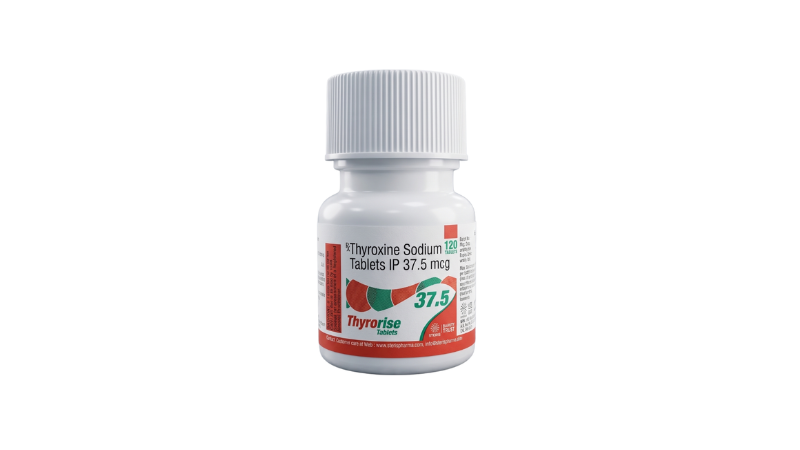
Thyroxine sodium tablets IP: उपयोग, फायदे और साइड इफेक्ट्स
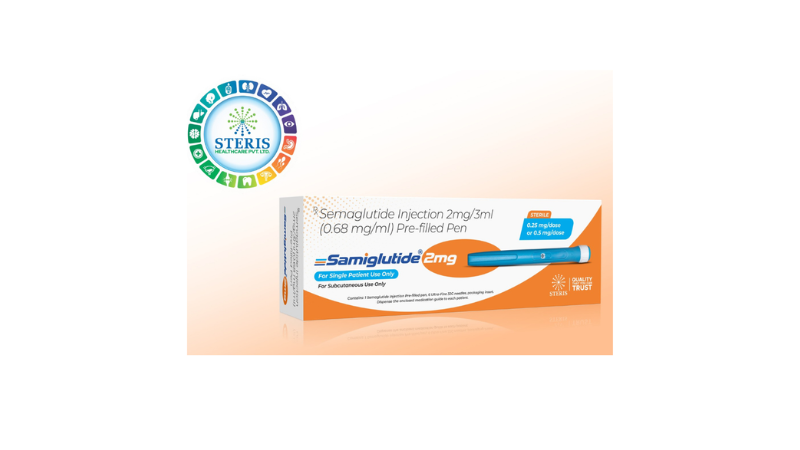
Semaglutide 2 mg Injection Dosage Guide: How to Use It Safely
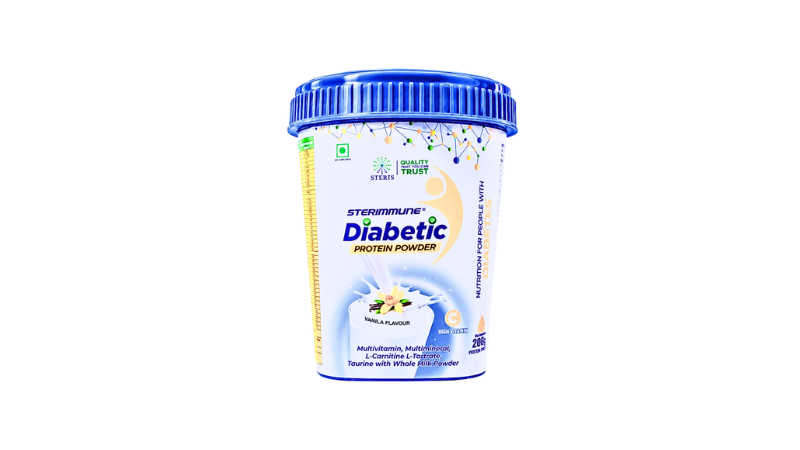
Buy Multivitamin + L-Carnitine + Taurine Protein Powder | Sterimmune

Semaglutide Injection Pen 8 mg: Step-by-Step Dosage & Precautions

BEST semaglutide injection price in india
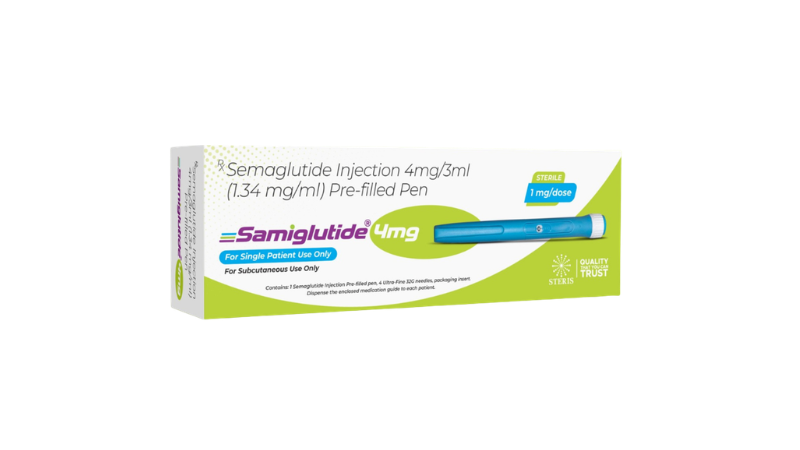
How Semaglutide Injection 4 mg Helps Control Blood Sugar