


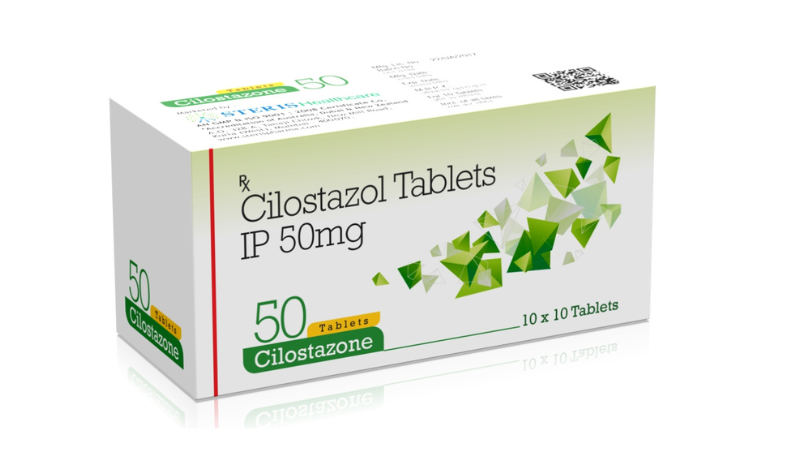



Cilostazol 50: Mechanism, Dosage, Side Effects & Patient FAQs
Oct 02, 2025
When poor blood circulation makes everyday activities uncomfortable, finding the right treatment becomes a priority. Cilostazol tablet is a prescription medicine commonly recommended to improve blood flow, especially for people suffering from intermittent claudication, a condition that causes leg pain while walking due to peripheral artery disease (PAD). By improving circulation and reducing the clumping of platelets, cilostazol helps patients walk longer distances with less discomfort while supporting healthier blood vessel function.
Cilostazol belongs to a class of medicines known as phosphodiesterase III (PDE-III) inhibitors. It works by widening blood vessels and preventing platelets from sticking together. These actions improve blood circulation to the legs, allowing muscles to receive more oxygen during physical activity. As a result, patients often experience reduced pain and improved walking ability after consistent use under medical supervision.
Doctors prescribe cilostazol tablets primarily for individuals diagnosed with peripheral artery disease. It is not an over-the-counter medicine and should only be used after a thorough medical evaluation. Regular follow-up appointments are important to monitor progress and ensure the medicine is providing the desired therapeutic benefits.
What is a Cilostazol Tablet?
A cilostazol tablet is a prescription medication used to improve blood circulation in patients with poor arterial blood flow. It helps increase the distance a person can walk without experiencing leg pain caused by reduced blood supply. The medicine improves circulation by relaxing blood vessels while simultaneously reducing platelet aggregation, lowering the risk of blood clot formation.
Unlike painkillers that only mask symptoms, cilostazol targets the underlying circulatory problem. Many patients begin noticing improvements after several weeks of continuous treatment, although maximum benefits may take up to three months depending on the severity of the condition and adherence to lifestyle modifications.
Cilostazol Tablet Uses
Cilostazol tablets are prescribed for several medical purposes, including:
- Treatment of intermittent claudication caused by peripheral artery disease.
- Improvement of walking distance without leg pain.
- Enhancement of blood circulation in narrowed arteries.
- Reduction of platelet aggregation to improve blood flow.
- Supportive management of peripheral vascular disorders as advised by physicians.
- Improvement in mobility and daily physical activity in eligible patients.
Benefits of Cilostazol Tablet
Patients prescribed cilostazol tablet may experience several important benefits when taken exactly as directed by a healthcare professional.
- Improves blood flow to the legs.
- Helps reduce leg pain while walking.
- Increases walking distance and exercise tolerance.
- Relaxes narrowed blood vessels.
- Reduces platelet clumping.
- Supports better circulation in peripheral arteries.
- Improves quality of life for patients with PAD.
- Helps patients maintain daily physical activities more comfortably.
- Provides long-term circulatory support when combined with lifestyle modifications.
- Can reduce symptoms associated with poor peripheral circulation.
How Does Cilostazol Tablet Work?
Cilostazol works by inhibiting the phosphodiesterase III enzyme. This increases cyclic AMP levels inside platelets and blood vessel cells, producing two important effects. First, platelets become less likely to stick together, reducing clot formation. Second, blood vessels relax and widen, allowing improved blood flow to affected limbs.
The combination of these actions allows more oxygen-rich blood to reach muscles during movement, reducing discomfort associated with intermittent claudication. Since the medicine addresses circulation rather than simply relieving pain, consistent use is essential for achieving optimal results.
Dosage and Administration
The dosage of cilostazol tablet should always follow your physician's recommendation. It is commonly taken twice daily on an empty stomach, usually at least 30 minutes before or two hours after meals, as food may affect absorption.
Patients should swallow the tablet whole with water without crushing or chewing it unless advised otherwise by their healthcare provider. Missing doses or stopping treatment suddenly without medical advice may reduce its effectiveness. Regular use, combined with exercise programs and smoking cessation when applicable, often provides the best therapeutic outcomes.
Never increase or decrease the dosage on your own. If a dose is missed, take it as soon as remembered unless it is almost time for the next scheduled dose. Avoid taking double doses.
Side Effects of Cilostazol Tablet
Like all prescription medicines, cilostazol tablets may cause side effects, although not everyone experiences them.
- Headache
- Dizziness
- Diarrhea
- Palpitations
- Fast heartbeat
- Nausea
- Stomach discomfort
- Swelling of ankles or feet
- Runny nose
- Mild skin rash
- Fatigue
- Abnormal stools
Seek immediate medical attention if severe allergic reactions, chest pain, irregular heartbeat, unusual bleeding, or signs of stroke occur.
Who Should Avoid Cilostazol Tablet?
Certain patients should not use cilostazol tablet without careful medical supervision. Individuals with heart failure generally should not take this medicine because of safety concerns. Patients with severe liver disease, severe kidney impairment, active bleeding disorders, or known allergy to cilostazol should discuss alternative treatment options with their physician.
Pregnant or breastfeeding women should only use this medicine if the potential benefits clearly outweigh the risks. Always inform your healthcare provider about all existing medical conditions and medications before beginning treatment.
Precautions Before Taking Cilostazol Tablet
Before starting therapy, inform your healthcare provider if you have cardiovascular disease, kidney problems, liver disorders, bleeding tendencies, recent surgery, stomach ulcers, or are taking blood-thinning medications.
Lifestyle improvements significantly enhance treatment outcomes. Regular walking exercises, maintaining healthy cholesterol levels, controlling diabetes, managing blood pressure, and quitting smoking all contribute to improved circulation and better long-term vascular health.
Patients should avoid self-medication and should never share prescription medicines with others, even if symptoms appear similar.
Drug Interactions
Several medicines may interact with cilostazol tablets and affect their safety or effectiveness. Blood thinners, antiplatelet medicines, certain antibiotics, antifungal medications, heart medicines, and drugs that affect liver enzymes may require dosage adjustments or closer monitoring.
Always provide your physician with a complete list of prescription medicines, over-the-counter medications, vitamins, herbal supplements, and dietary products before starting cilostazol treatment.
Storage Instructions
Store cilostazol tablets at room temperature in a cool, dry place away from moisture, heat, and direct sunlight. Keep the medicine in its original packaging and out of the reach of children and pets. Do not use expired tablets, and dispose of unused medicines according to local pharmaceutical disposal guidelines.
Why Buy Cilostazol Tablet from a Trusted Supplier?
When purchasing prescription medicines, quality and authenticity should always be the top priorities. A trusted pharmaceutical supplier ensures that the product is manufactured according to stringent quality standards, properly stored, and supplied with accurate product information. Buyers should always verify manufacturer details, packaging integrity, batch numbers, and expiry dates before use.
Choosing a reputable supplier helps ensure product safety, regulatory compliance, and consistent therapeutic effectiveness. Whether you are an individual patient, healthcare provider, hospital, clinic, or pharmacy, purchasing genuine cilostazol tablets from an authorized source supports better treatment outcomes and patient confidence.
Frequently Asked Questions
1. What is a cilostazol tablet used for?
Cilostazol tablet is primarily used to treat intermittent claudication caused by peripheral artery disease by improving blood circulation and increasing walking distance.
2. How does cilostazol improve blood circulation?
It widens blood vessels and reduces platelet clumping, allowing blood to flow more efficiently through narrowed arteries.
3. How long does cilostazol take to work?
Many patients notice improvement within 2 to 4 weeks, while maximum benefits may require up to 12 weeks of continuous treatment.
4. Can cilostazol tablet cure peripheral artery disease?
No. It helps manage symptoms and improves circulation but does not cure peripheral artery disease.
5. Should cilostazol be taken with food?
It is generally recommended to take cilostazol on an empty stomach, at least 30 minutes before or two hours after meals.
6. Can I stop taking cilostazol when I feel better?
No. Continue taking the medicine exactly as prescribed unless your doctor advises otherwise.
7. Who should not take cilostazol tablets?
People with heart failure, allergy to cilostazol, or certain serious medical conditions should avoid this medicine unless specifically directed by a healthcare professional.
8. Is cilostazol a blood thinner?
Cilostazol is an antiplatelet medicine that reduces platelet aggregation but is not classified as a traditional blood thinner like warfarin.
9. Can cilostazol be taken with aspirin?
Some patients may be prescribed both medicines together, but this should only occur under medical supervision because the combination may increase bleeding risk.
10. What are the most common side effects of cilostazol tablet?
Common side effects include headache, diarrhea, dizziness, palpitations, nausea, and stomach discomfort.
11. Can diabetic patients take cilostazol?
Many diabetic patients with peripheral artery disease are prescribed cilostazol, but treatment should always be supervised by a physician.
12. Is cilostazol tablet available only by prescription?
Yes. Cilostazol is a prescription-only medicine and should be used only under the guidance of a qualified healthcare professional.
13. Does cilostazol help increase walking distance?
Yes. Clinical studies have shown that cilostazol can improve pain-free walking distance in patients with intermittent claudication when used consistently.
14. Can I drink alcohol while taking cilostazol?
Alcohol may increase certain side effects such as dizziness. Consult your healthcare provider regarding alcohol consumption during treatment.
15. How should cilostazol tablets be stored?
Store the tablets at room temperature in a dry place away from moisture, heat, and direct sunlight, and keep them out of reach of children.
16. What is cilostazol?
Cilostazol is a prescription medicine that improves blood circulation and relieves leg pain caused by peripheral arterial disease.
Recent Post
Itopride Hydrochloride Uses: What It Treats and How It Works
Glimepiride 0.5 mg + Voglibose 0.2 mg + Metformin SR 500 mg | Steris Healthcare
Trimetazidine Hydrochloride Modified Release Tablets 35 mg Uses, Benefits
EUROSOFT MOSQUITO SHIELD
Olmesartan and Metoprolol: Uses, Benefits, Dosage & Side Effects | Steris Healthcare
Tofacitinib 11 mg Tablets: A Complete Guide to Uses and Side Effects
Olmesartan Medoxomil + Metoprolol Succinate: Uses, Dosage
Torsemide 100 mg: Uses, Dosage, Side Effects, and Precautions
How Streptococcus Thermophilus Supports Digestive Health
Olmesartan Medoxomil + Metoprolol Succinate: Uses, Benefits & Side Effects

