


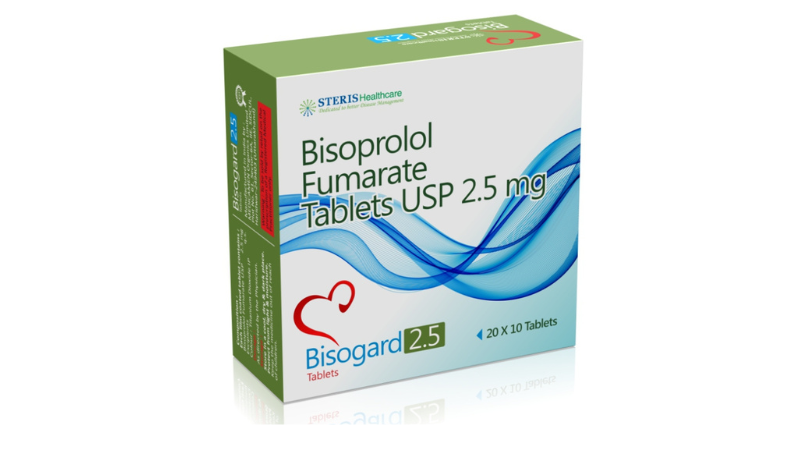



BISOGARD 2.5 Mg & Bisoprolol (2.5mg) : Uses, Side Effects, Interactions, Dosage and and more ......
Apr 15, 2024
BISOGARD 2.5 is a trusted pharmaceutical formulation containing Bisoprolol 2.5 mg, a well-established beta-blocker used in the management of various cardiovascular conditions. It is widely prescribed by healthcare professionals for patients dealing with high blood pressure, heart rhythm disorders, and chronic heart-related complications.
In today’s fast-paced lifestyle, heart health has become a growing concern in India. Stress, poor diet, lack of exercise, and underlying medical conditions contribute significantly to hypertension and cardiac issues. BISOGARD 2.5 plays an important role in helping patients maintain stable heart function and improve long-term cardiovascular outcomes under medical supervision.
This article provides a complete, SEO-friendly, and easy-to-understand overview of BISOGARD 2.5, including its uses, benefits, dosage guidance, side effects, precautions, and more.
What is BISOGARD 2.5?
BISOGARD 2.5 contains Bisoprolol fumarate 2.5 mg, a cardioselective beta-blocker. It works by blocking specific beta receptors in the heart, reducing heart rate and lowering blood pressure. This allows the heart to pump more efficiently with less strain.
It is commonly prescribed for:
- Hypertension (high blood pressure)
- Chronic heart failure
- Angina (chest pain due to heart disease)
- Irregular heart rhythms (arrhythmia)
By improving heart efficiency, BISOGARD 2.5 helps reduce the risk of serious cardiovascular events when taken as directed by a physician.
How BISOGARD 2.5 Works
Bisoprolol works by targeting the beta-1 adrenergic receptors in the heart. These receptors are responsible for increasing heart rate and cardiac workload when stimulated by stress hormones like adrenaline.
By blocking these receptors, BISOGARD 2.5 helps:
- Slow down the heart rate
- Reduce blood pressure
- Decrease oxygen demand of the heart
- Improve heart muscle efficiency
This mechanism makes it highly effective for long-term cardiovascular protection.
Key Uses of BISOGARD 2.5
1. Management of Hypertension
BISOGARD 2.5 is widely used to control high blood pressure, reducing the risk of stroke, kidney damage, and heart attack.
2. Chronic Heart Failure
It helps improve heart function and reduces symptoms like fatigue, breathlessness, and fluid retention.
3. Angina (Chest Pain)
By lowering heart workload, it reduces chest pain episodes and improves exercise tolerance.
4. Arrhythmia Control
It helps stabilize irregular heart rhythms and supports a steady heartbeat.
5. Post-Heart Attack Support
Doctors may prescribe it after a heart attack to reduce the risk of future cardiac events.
Benefits of BISOGARD 2.5
BISOGARD 2.5 offers multiple cardiovascular benefits when used under proper medical supervision:
- Helps maintain healthy blood pressure levels
- Reduces strain on the heart muscle
- Improves oxygen supply-demand balance in the heart
- Lowers risk of heart-related complications
- Enhances long-term heart function in chronic conditions
- Supports better exercise capacity in heart failure patients
Regular and consistent use, along with lifestyle changes, can significantly improve heart health outcomes.
Recommended Dosage
The dosage of BISOGARD 2.5 varies depending on the patient’s condition, age, and medical history. It is essential to follow a doctor’s prescription strictly.
General Guidelines:
- Usually taken once daily
- Can be taken with or without food
- Should be taken at the same time each day for best results
Important:
- Do not stop the medication suddenly
- Dosage adjustments should only be done by a physician
- Abrupt discontinuation may worsen heart conditions
Possible Side Effects
Like all medications, BISOGARD 2.5 may cause some side effects in certain individuals. Most are mild and temporary.
Common Side Effects:
- Fatigue or tiredness
- Dizziness
- Slow heart rate
- Cold hands and feet
- Mild headache
Less Common but Serious Effects:
- Shortness of breath
- Severe bradycardia (very slow heart rate)
- Low blood pressure
- Sleep disturbances
- Depression or mood changes
If any severe symptoms occur, medical attention should be sought immediately.
Precautions and Warnings
Before starting BISOGARD 2.5, patients should inform their doctor about existing health conditions and ongoing medications.
Key Precautions:
- Avoid if allergic to Bisoprolol
- Use cautiously in asthma or respiratory disorders
- Not recommended in severe bradycardia or heart block
- Monitor blood pressure regularly
- Diabetic patients should be careful as it may mask low blood sugar symptoms
Pregnancy and Breastfeeding:
Use only if clearly advised by a healthcare professional.
Alcohol Interaction:
Alcohol may increase dizziness and lower blood pressure further.
Drug Interactions
BISOGARD 2.5 may interact with certain medicines, including:
- Other antihypertensive drugs
- Calcium channel blockers
- Anti-arrhythmic medications
- Insulin and oral antidiabetic drugs
- NSAIDs (in some cases may reduce effectiveness)
Always inform your doctor about all medications being taken to avoid complications.
Lifestyle Tips for Better Results
Along with BISOGARD 2.5, adopting a healthy lifestyle can significantly improve heart health:
- Reduce salt intake in diet
- Exercise regularly (as advised by a doctor)
- Avoid smoking and alcohol
- Manage stress through yoga or meditation
- Maintain a healthy weight
- Get regular blood pressure checkups
These changes support the effectiveness of the medication.
Why BISOGARD 2.5 is Prescribed by Doctors
Doctors prefer Bisoprolol-based therapy like BISOGARD 2.5 because it is:
- Highly cardioselective
- Well-tolerated in long-term use
- Effective in multiple heart conditions
- Proven in reducing cardiovascular risks
It is considered a reliable option in modern cardiac treatment plans.
Storage Instructions
- Store in a cool and dry place
- Keep away from direct sunlight
- Keep out of reach of children
- Do not use expired medicine
Proper storage ensures safety and effectiveness.
Conclusion
BISOGARD 2.5 (Bisoprolol 2.5 mg) is an effective and widely prescribed medication for managing hypertension, heart failure, angina, and other cardiovascular conditions. When taken under proper medical supervision, it helps improve heart performance, reduce symptoms, and lower the risk of serious complications.
Recent Post

Semaglutide Injection 2mg/3ml (SAMIGLUTIDE) – Uses, Benefits, Dosage & Side Effects

L-Glutathione, Vitamin C & Alpha Lipoic Acid Tablets: Uses, Benefits & Side Effects

Vitamin A, D & Calcium Chloride: Uses, Benefits & Safety Information

How Does Vitamin C Face Serum Benefit Your Skin?

Minoxidil & Finasteride Topical Solution: How Does It Work?

Minoxidil Gel: Uses, Side Effects & Important Precautions
What Does Semaglutide Do to Your Body? Benefits & Risks
Amlodipine 5 mg + Olmesartan 40 mg: Benefits, Dosage & Precautions
Ramipril 2.5 mg and Hydrochlorothiazide 12.5 mg: Uses, Benefits & Dosage
Atorvastatin 5 mg क्या है? जानें उपयोग, फायदे और साइड इफेक्ट्स

