


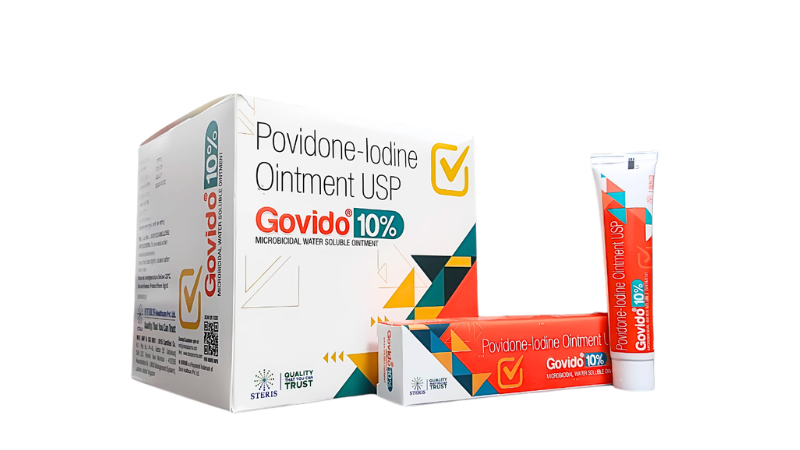



Antiseptic Healing with Povidone-Iodine Ointment USP
Apr 30, 2025
In the realm of antiseptic medications, few names carry the recognition and trust that povidone-iodine has earned over decades of clinical use. GOVIDO 10% represents a modern formulation of this time-tested antiseptic, delivering the proven antimicrobial properties of povidone-iodine in a convenient ointment format suitable for various skin applications. This comprehensive guide explores everything you need to know about GOVIDO 10% Povidone-Iodine Ointment USP 10%, from its mechanism of action to proper application techniques, safety considerations, and the specific conditions it helps treat.
Povidone-iodine, also known as PVP-I, has been a cornerstone of antiseptic practice since its development in the 1950s. The compound combines polyvinylpyrrolidone (povidone) with iodine, creating a complex that releases free iodine slowly and consistently, providing broad-spectrum antimicrobial activity without the harsh effects of elemental iodine. GOVIDO 10% harnesses this technology in a specially formulated ointment base that maintains the antiseptic efficacy while providing a soothing, protective layer over treated areas.
The "USP 10%" designation indicates that GOVIDO 10% meets the quality standards established by the United States Pharmacopeia and contains 10% povidone-iodine solution, which typically provides approximately 1% available iodine—the concentration clinically proven effective for antiseptic purposes. This standardization ensures consistent potency and predictable results with every application, making GOVIDO 10% a reliable choice for both healthcare professionals and home use.
Understanding how GOVIDO 10% works, when to use it, and how to apply it correctly can help you maximize its benefits while minimizing any potential risks. Whether you are treating a minor cut, managing a surgical wound, or preparing for a medical procedure, this guide provides the essential information you need to use GOVIDO 10% effectively and safely.
Understanding Povidone-Iodine: The Science Behind GOVIDO 10%
What is Povidone-Iodine?
Povidone-iodine is a chemical complex formed by combining polyvinylpyrrolidone polymer with elemental iodine. The resulting compound is a water-soluble brown solution that maintains the antimicrobial properties of iodine while significantly reducing its irritating and staining characteristics. When applied to skin or mucous membranes, the complex gradually releases free iodine, which penetrates microbial cell walls and disrupts vital cellular processes essential for microorganism survival.
The povidone component serves as a carrier molecule that stabilizes the iodine, prolonging its release and extending the duration of antimicrobial activity. This controlled release mechanism distinguishes povidone-iodine from older iodine preparations that released iodine rapidly, causing tissue irritation and staining while providing only transient antimicrobial effects. The sustained release of iodine from GOVIDO 10% ensures continuous protection against pathogens throughout the application period.
The 10% concentration in GOVIDO 10% refers to the amount of povidone-iodine complex in the formulation, which delivers approximately 1% available iodine—the concentration that extensive clinical research has identified as optimal for antiseptic efficacy. This concentration provides rapid killing of bacteria, viruses, fungi, and protozoa while maintaining safety for topical application on intact skin and minor wounds.
Mechanism of Action: How GOVIDO 10% Eliminates Pathogens
The antimicrobial action of GOVIDO 10% Povidone-Iodine Ointment operates through multiple biochemical pathways that collectively ensure broad-spectrum microbicidal activity. Free iodine, the active component released from povidone-iodine, functions as a potent oxidizing agent that interacts with various cellular structures and metabolic processes in microorganisms.
Upon contact with microbial cells, iodine penetrates the cell wall and membrane, where it attacks essential proteins, enzymes, and nucleic acids. The oxidation of amino acid residues, particularly those containing sulfur and nitrogen, disrupts protein structure and function. This protein damage affects critical enzymes involved in energy production, cellular respiration, and DNA synthesis, ultimately leading to cellular death. The oxidative stress induced by iodine also damages microbial DNA and RNA, preventing replication and further propagation of the pathogen.
The broad-spectrum activity of GOVIDO 10% encompasses Gram-positive and Gram-negative bacteria, including many antibiotic-resistant strains such as methicillin-resistant Staphylococcus aureus (MRSA). The formulation also demonstrates effectiveness against various viruses, including enveloped viruses like herpes simplex and non-enveloped viruses such as adenovirus. Fungal organisms, including Candida species and dermatophytes, are similarly susceptible to the antiseptic action of povidone-iodine. This comprehensive coverage makes GOVIDO 10% versatile for numerous clinical applications where microbial contamination poses a risk.
Advantages of the Ointment Formulation
GOVIDO 10% Povidone-Iodine Ointment offers several distinct advantages over liquid antiseptic formulations. The ointment base provides a semi-occlusive barrier that maintains moisture at the application site, creating optimal conditions for wound healing while simultaneously delivering antiseptic protection. This moist environment promotes faster epithelialization and reduces scarring compared to dry wound healing approaches.
The viscous consistency of the ointment allows for precise application directly to the treatment site without running or dripping, which commonly occurs with liquid antiseptics. This precision is particularly valuable for treating small wounds, incision sites, or areas where runoff could be problematic. The ointment also adheres well to the skin surface, providing sustained contact time that enhances antimicrobial efficacy.
Additionally, the ointment formulation minimizes the stinging sensation that can occur with alcohol-based antiseptics, making GOVIDO 10% more comfortable for application to sensitive areas or use on children. The emollient properties of the ointment base soothes irritated skin while the povidone-iodine works to eliminate pathogens, combining therapeutic action with patient comfort.
Uses and Applications of GOVIDO 10% Povidone-Iodine Ointment
Minor Cuts, Abrasions, and Lacerations
GOVIDO 10% serves as an excellent first-aid treatment for minor cuts, abrasions, and lacerations that do not require professional medical closure. When applied to these injuries, the ointment cleanses the wound while providing a protective barrier against bacterial contamination. The broad-spectrum antimicrobial activity addresses the diverse bacteria commonly found on skin and introduced through traumatic injury, reducing infection risk during the critical early healing phase.
For minor wounds, proper application begins with cleaning the area with mild soap and water to remove visible debris. After gently patting the skin dry, a thin layer of GOVIDO 10% can be applied directly to the wound surface and surrounding skin. The ointment may be covered with a sterile bandage for wounds in areas exposed to friction or contamination. Daily reapplication helps maintain antiseptic protection throughout the healing process, which typically requires five to ten days for minor injuries.
The antiseptic action of GOVIDO 10% is particularly valuable for wounds that may have been contaminated with soil or foreign material, as these injuries carry higher infection risk. The ability to penetrate and kill bacteria within the wound bed makes povidone-iodine more effective than mechanical cleaning alone for reducing microbial load and preventing infection development.
Surgical Wound Care
Following minor surgical procedures, dental extractions, or medical interventions that leave incision sites, GOVIDO 10% Povidone-Iodine Ointment supports proper wound healing while minimizing infection risk. Healthcare providers frequently recommend antiseptic ointments for at-home care of surgical wounds that have been properly closed and do not require professional dressing changes.
The application of GOVIDO 10% to surgical wounds helps maintain a sterile environment at the incision site during the critical healing period. The ointment's sustained iodine release provides continuous antimicrobial protection that complements the body's natural healing processes. Additionally, the occlusive nature of the ointment prevents dressing materials from adhering to the wound, reducing pain during dressing changes and minimizing trauma to healing tissue.
Patients should follow their healthcare provider's specific instructions regarding wound care, as recommendations may vary based on the type of surgical procedure, wound location, and individual healing characteristics. In general, applying GOVIDO 10% once or twice daily after gently cleaning the wound maintains optimal conditions for healing while preventing bacterial colonization.
Burn Treatment and Skin Conditions
GOVIDO 10% Povidone-Iodine Ointment plays a valuable role in the management of minor burns, including first-degree burns and small second-degree burns affecting limited body surface area. The antiseptic properties help prevent infection in burned tissue, which is particularly important because burns compromise the skin's natural barrier function and create an environment conducive to bacterial proliferation.
For minor burns, immediate cooling under lukewarm running water for several minutes should precede antiseptic application. Once the burn has been cooled and debris has been removed, a thin layer of GOVIDO 10% can be applied to the affected area. The soothing properties of the ointment base provide symptomatic relief while the antiseptic action protects against infection. Superficial burns typically heal within one to two weeks with proper care, though deeper burns or burns affecting large areas require professional medical evaluation.
Beyond burn care, GOVIDO 10% proves useful for various dermatological conditions where microbial colonization contributes to disease persistence or complications. Infected eczema, dermatitis with secondary bacterial infection, and other inflammatory skin conditions may benefit from the antimicrobial action of povidone-iodine when applied as directed by a healthcare provider.
Pre-Procedure Skin Preparation
Healthcare providers often recommend or prescribe GOVIDO 10% for skin preparation before certain medical procedures. Minor surgical procedures, catheter insertion, and injections benefit from proper antiseptic preparation to reduce the risk of introducing pathogens into the body. The broad-spectrum activity of povidone-iodine makes it suitable for these applications, effectively reducing bacterial load at the preparation site.
For pre-procedure use, the area is typically cleansed with GOVIDO 10% according to facility protocols, allowing adequate contact time for the antiseptic to take effect. The ointment formulation provides the advantage of remaining in place following application, continuing to provide antimicrobial protection throughout the procedure rather than evaporating or being absorbed like liquid antiseptics.
Mucous Membrane Applications
While GOVIDO 10% is primarily formulated for external application, healthcare providers sometimes recommend povidone-iodine preparations for mucous membrane antisepsis under professional supervision. The mouth, throat, and nasal passages harbor complex microbial communities where povidone-iodine can reduce bacterial and viral load for various therapeutic purposes.
Oral applications may include pre-operative mouth rinsing, management of oral infections, or preparation for dental procedures. Nasal applications have been explored for decolonization of Staphylococcus aureus in surgical patients. These applications require specific dilution and dosing protocols, and patients should only use povidone-iodine on mucous membranes under explicit medical direction.
Benefits and Advantages of GOVIDO 10%
Broad-Spectrum Antimicrobial Activity
One of the most significant benefits of GOVIDO 10% is its comprehensive antimicrobial coverage. Unlike antibiotics that target specific bacterial species, povidone-iodine in GOVIDO 10% eliminates a wide range of pathogens including bacteria, viruses, fungi, and protozoa. This broad activity makes the ointment versatile for numerous applications where the specific causative organism may be unknown or where polymicrobial contamination is likely.
The rapid onset of antimicrobial action provides quick pathogen kill, reducing the time during which microorganisms can establish infection or multiply to pathogenic levels. Studies demonstrate that properly applied povidone-iodine achieves significant bacterial reduction within thirty seconds to two minutes of application, with continued activity maintained throughout the wearing time of the ointment.
Importantly, povidone-iodine's mechanism of action differs fundamentally from antibiotic mechanisms, meaning that microbial resistance to iodine-based antiseptics does not develop in the same manner as antibiotic resistance. This characteristic makes GOVIDO 10% valuable for long-term wound management and for preventing the emergence of resistant organisms in healthcare settings.
Proven Safety Profile
Povidone-iodine has accumulated decades of clinical use and scientific study, establishing a well-characterized safety profile that supports its widespread recommendation for antiseptic purposes. The formulation of GOVIDO 10% as an ointment further enhances safety by controlling the rate of iodine release and limiting systemic absorption to negligible levels when used as directed.
When applied topically as directed, GOVIDO 10% does not produce the systemic effects associated with iodine toxicity because the iodine remains largely bound within the povidone complex and is not significantly absorbed through intact skin or minor wounds. This safety profile allows use across diverse patient populations, including adults and older children with appropriate supervision.
The low sensitization rate of properly formulated povidone-iodine makes it suitable for repeated applications in chronic wound management or ongoing skin care. While rare allergic reactions can occur with any medication, the incidence of true hypersensitivity to povidone-iodine is significantly lower than with many alternative antiseptics.
Cost-Effectiveness and Accessibility
GOVIDO 10% Povidone-Iodine Ointment offers excellent value as an antiseptic option, providing effective microbial control at a fraction of the cost of many alternative wound care products. The stability of povidone-iodine allows for reasonable shelf life, reducing waste from expired products that affects some more expensive specialized wound treatments.
The availability of GOVIDO 10% without prescription in many jurisdictions makes it accessible for home first-aid use, enabling patients to initiate appropriate wound care promptly rather than waiting for medical consultation. This accessibility supports the principle that early antiseptic application improves outcomes for minor injuries and reduces the likelihood of complications requiring more intensive intervention.
Proper Application and Usage Guidelines
Preparing the Application Site
Effective antiseptic application begins with proper preparation of the treatment site. For wound care, this involves gently cleaning the area with mild soap and clean water to remove debris, dried blood, and accumulated discharge. Harsh scrubbing or aggressive cleaning can damage healing tissue and should be avoided. Patting the area dry with a clean gauze or towel provides a suitable surface for ointment application.
For intact skin preparation, washing with soap and water to remove oils, dirt, and environmental contaminants ensures optimal contact between the antiseptic and skin surface. Allowing the skin to dry completely before applying GOVIDO 10% prevents dilution of the active ingredient and promotes proper adherence of the ointment to the skin surface.
Clean gloves should be used when applying GOVIDO 10% to wounds, particularly in healthcare settings or when treating patients with compromised immune systems. For home use, thorough hand washing before and after application protects both the caregiver and patient from potential pathogen transmission.
Application Technique
Applying GOVIDO 10% Povidone-Iodine Ointment requires only a thin layer to achieve effective antiseptic coverage. The ointment spreads easily and provides visible coverage that allows assessment of the treated area. Applying excessive amounts does not enhance efficacy and may increase the likelihood of side effects or create unnecessary mess.
For minor wounds, gently spread the ointment to cover the entire wound surface plus approximately one centimeter of surrounding intact skin. This margin ensures that potential contamination at the wound edges is addressed. The ointment may be left exposed for small, protected wounds or covered with an appropriate sterile dressing for wounds in vulnerable locations.
For larger wounds or extensive skin preparation, the ointment can be applied using sterile technique to cover the entire affected area. Reapplication frequency depends on the specific indication and clinical judgment, but daily application is typically sufficient for maintaining antiseptic protection during routine wound care.
Frequency and Duration of Treatment
The appropriate frequency and duration of GOVIDO 10% application varies based on the condition being treated and clinical response. For minor cuts and abrasions, once or twice daily application typically provides adequate protection throughout the healing process, which usually completes within one to two weeks for straightforward injuries.
Chronic wounds or wounds with higher infection risk may require more frequent application, though the specific protocol should be determined by a healthcare provider familiar with the individual case. As healing progresses and the wound fills with granulation tissue and begins to epithelialize, the frequency of antiseptic application can often be reduced.
Treatment should continue until the wound has closed or until a healthcare provider determines that ongoing antiseptic use is no longer necessary. Prolonged use beyond the healing period offers no additional benefit and may increase the risk of local skin irritation in some patients.
Safety Information and Potential Side Effects
Common Side Effects
Most patients tolerate GOVIDO 10% Povidone-Iodine Ointment well, experiencing either no side effects or only mild, transient reactions. The most commonly reported side effects involve local skin reactions at or near the application site. These may include temporary stinging or burning sensation upon application, particularly when applied to open wounds or broken skin. This sensation typically resolves within a few minutes and does not indicate an adverse reaction requiring discontinuation.
Mild skin irritation, including redness, itching, or slight swelling, may occur in sensitive individuals or with repeated application. These reactions usually resolve when use is discontinued and do not typically indicate true hypersensitivity. Switching to a less frequent application schedule may allow continued use in patients experiencing mild irritation.
The brown color of GOVIDO 10% is a normal characteristic of iodine-containing preparations and will fade as the iodine is absorbed or washes away. This staining is not harmful and can be removed from skin with soap and water once the antiseptic has completed its action.
Rare but Serious Reactions
Although uncommon, serious allergic reactions to povidone-iodine can occur and require immediate medical attention. Signs of an allergic reaction include widespread rash, hives, swelling of the face or throat, difficulty breathing, and dizziness. Patients experiencing these symptoms after applying GOVIDO 10% should discontinue use immediately and seek emergency medical care.
Severe skin reactions, although rare, have been reported with povidone-iodine use. These include conditions such as Stevens-Johnson syndrome and toxic epidermal necrolysis, which present with widespread skin blistering, skin detachment, and systemic symptoms. While extremely uncommon, these reactions require urgent medical evaluation and discontinuation of the causative agent.
Thyroid dysfunction has been reported with prolonged or extensive use of povidone-iodine preparations, particularly in patients with underlying thyroid disease or those using large amounts over extended periods. The iodine absorbed from povidone-iodine can affect thyroid hormone production in susceptible individuals, making prolonged use of large quantities inadvisable for patients with thyroid disorders.
Contraindications and Precautions
GOVIDO 10% should not be used by patients with known hypersensitivity to povidone, iodine, or any component of the formulation. Individuals with a history of allergic reactions to other iodine-containing products should exercise caution and consider alternative antiseptics.
Patients with thyroid disorders, including hyperthyroidism, hypothyroidism, or thyroid nodules, should consult their healthcare provider before using GOVIDO 10%, particularly for extended periods or on large body surface areas. The absorbed iodine can affect thyroid function tests and may exacerbate underlying thyroid disease in susceptible individuals.
GOVIDO 10% is not recommended for use in newborns, particularly premature infants, due to the immature skin barrier and developing thyroid function in this population. Pediatric use in older children should follow healthcare provider recommendations regarding appropriate applications and treatment duration.
Drug Interactions
While systemic absorption of povidone-iodine from topical application is minimal, potential interactions exist that warrant consideration. Lithium therapy may be affected by significant iodine exposure, as iodine can increase lithium levels and the risk of toxicity. Patients taking lithium should consult their healthcare provider before using GOVIDO 10%, particularly for extensive or prolonged applications.
Topical or systemic medications applied to the same area as GOVIDO 10% may interact with the antiseptic or be inactivated by the iodine. Mercury-containing compounds, hydrogen peroxide, and other oxidizing agents should not be used concurrently with povidone-iodine as chemical interactions may reduce efficacy or cause tissue irritation.
Comparing GOVIDO 10% to Alternative Antiseptics
GOVIDO 10% versus Alcohol-Based Antiseptics
Alcohol-based antiseptics like isopropyl alcohol and ethanol provide rapid bacterial killing but evaporate quickly, limiting their duration of action. The stinging sensation associated with alcohol application makes it poorly tolerated for wound care in many patients, particularly children. GOVIDO 10% offers the advantage of sustained antimicrobial activity and better tolerability for wound application, though it lacks the rapid drying characteristics valued for skin preparation before injections or minor procedures.
Alcohol-based products are flammable, creating safety considerations that do not apply to water-based povidone-iodine formulations. For household use or storage in environments where flammability is a concern, GOVIDO 10% presents fewer hazards.
GOVIDO 10% versus Chlorhexidine
Chlorhexidine gluconate solutions provide excellent residual antimicrobial activity and have become popular for surgical skin preparation and catheter insertion sites. However, chlorhexidine lacks the broad-spectrum activity of povidone-iodine, with reduced effectiveness against certain viruses, fungi, and mycobacteria. For general-purpose antiseptic use, particularly for wound care where comprehensive coverage is desired, GOVIDO 10% may offer advantages.
Chlorhexidine can cause more severe allergic reactions than povidone-iodine in some populations, and its use in certain body sites, such as the middle ear or eye, is contraindicated due to potential ototoxicity or corneal damage. Povidone-iodine is generally better tolerated for applications near sensitive structures.
GOVIDO 10% versus Hydrogen Peroxide
Hydrogen peroxide provides effervescent cleaning action that can help remove debris from wounds, but its antimicrobial efficacy is limited and short-lived. More importantly, hydrogen peroxide can damage healing tissue and delay wound healing through its oxidative effects on viable cells. For ongoing wound care after initial cleaning, GOVIDO 10% provides superior antimicrobial protection without impairing the healing process.
The single-use nature of hydrogen peroxide solutions, which lose effectiveness once opened, also makes povidone-iodine ointments more practical for home first-aid storage and repeated use over time.
The Role of GOVIDO 10% in Modern Healthcare
First Aid and Home Care
The accessibility and versatility of GOVIDO 10% Povidone-Iodine Ointment make it an excellent addition to home first-aid supplies. Minor injuries occur frequently in household settings, and having an effective antiseptic available allows for immediate treatment that can prevent complications and promote optimal healing. The ease of application and relatively good tolerability make GOVIDO 10% suitable for self-treatment of minor wounds by adult family members.
Training household members in proper first-aid technique, including appropriate GOVIDO 10% application, prepares families to respond effectively to everyday injuries. Understanding when self-treatment is appropriate and when professional medical care is needed helps prevent both under-treatment of serious injuries and unnecessary emergency department visits for minor concerns.
Healthcare Facility Use
Hospitals, clinics, and healthcare facilities utilize povidone-iodine preparations for various antiseptic purposes, including pre-operative skin preparation, wound care, and catheter site maintenance. The broad-spectrum activity, proven safety record, and cost-effectiveness of povidone-iodine support its continued use in institutional settings alongside newer antiseptic agents.
Nurses and other healthcare providers benefit from familiarity with GOVIDO 10% and similar povidone-iodine formulations, as patients frequently ask about these products for home use following discharge. Understanding proper application technique and expected outcomes helps healthcare providers counsel patients effectively on appropriate wound care at home.
Antimicrobial Stewardship Considerations
The growing challenge of antimicrobial resistance has increased attention to appropriate antiseptic use as an alternative to antibiotic therapy for preventing and managing localized infections. GOVIDO 10% provides effective antimicrobial activity without contributing to antibiotic resistance, making it valuable for antimicrobial stewardship programs that seek to preserve the effectiveness of systemic antibiotics.
Using antiseptics like GOVIDO 10% appropriately for minor wounds and skin infections helps reduce the demand for antibiotic prescriptions, potentially slowing the emergence of resistant bacterial strains. Patients and healthcare providers alike benefit from understanding when antiseptic care is appropriate and when antibiotic therapy is truly necessary.
Conclusion: Making Informed Decisions About GOVIDO 10%
GOVIDO 10% Povidone-Iodine Ointment USP 10% represents a reliable, effective, and well-established option for antiseptic wound care and skin preparation. The proven broad-spectrum antimicrobial activity, favorable safety profile, and practical ointment formulation make it suitable for diverse applications in both healthcare and home settings. Understanding the proper use, benefits, and limitations of GOVIDO 10% enables patients and caregivers to utilize this product effectively as part of comprehensive wound care practices.
While GOVIDO 10% serves as an excellent first-line treatment for minor injuries, recognizing the signs of infection or complications that require professional medical evaluation remains essential. The product complements but does not replace appropriate medical assessment for serious wounds, systemic signs of infection, or wounds that fail to progress through normal healing stages.
Frequently Asked Questions About GOVIDO 10%
Can GOVIDO 10% be used on deep wounds?
GOVIDO 10% Povidone-Iodine Ointment is intended for minor wounds and should not be applied to deep puncture wounds, animal bites, or severe injuries requiring professional medical evaluation. Deep wounds, particularly those involving foreign body penetration or significant tissue damage, require medical assessment to ensure proper cleaning, closure if needed, and tetanus protection. Attempting to treat such injuries with over-the-counter antiseptics alone may allow the development of serious infections or complications.
Is GOVIDO 10% safe for use during pregnancy?
Topical povidone-iodine is generally considered safe for limited use during pregnancy when applied to small areas of intact skin for short durations. However, pregnant patients should consult their healthcare provider before using GOVIDO 10%, particularly for extended applications or use on large body surface areas. The iodine absorbed through the skin can cross the placenta and affect fetal thyroid function, though the amount absorbed from typical topical use is usually minimal.
How should GOVIDO 10% be stored?
GOVIDO 10% Povidone-Iodine Ointment should be stored at room temperature, away from direct heat and sunlight. The container should be tightly closed when not in use to prevent evaporation and contamination. Like all medications, GOVIDO 10% should be stored out of reach of children and pets. The expiration date on the packaging indicates the shelf life of the unopened product; once opened, the ointment should be used within the timeframe specified in the package insert or by a pharmacist.
Can GOVIDO 10% be used on the face?
GOVIDO 10% can be applied to facial skin for minor cuts, abrasions, or other appropriate indications, though care should be taken to avoid contact with the eyes. The sensitive nature of facial skin may increase the likelihood of irritation in some individuals, so monitoring for adverse reactions is particularly important when using the ointment on the face. For acne or other chronic facial skin conditions, patients should consult a dermatologist before using povidone-iodine, as the formulation may not be appropriate for all facial skin conditions.
Does GOVIDO 10% interfere with wound healing?
When used appropriately, GOVIDO 10% supports rather than interferes with wound healing. The antiseptic action prevents infection, which is a major cause of delayed wound healing, while the ointment base maintains a moist wound environment that promotes epithelialization. Some older antiseptic agents were known to impair wound healing through cytotoxic effects, but povidone-iodine at appropriate concentrations provides antimicrobial protection without significantly damaging the cells involved in tissue repair.
What should I do if I accidentally swallow GOVIDO 10%?
Accidental ingestion of GOVIDO 10% requires immediate medical attention, particularly in children. The iodine content of swallowed povidone-iodine can cause gastrointestinal irritation, electrolyte imbalances, and potentially serious systemic effects. Contact a poison control center or seek emergency medical care immediately if GOVIDO 10% is ingested, providing information about the amount ingested and the time of ingestion.
Recent Post
Polyethylene Glycol 3350 Powder: Uses, Dosage, Precautions, and Price
Probiotic Sachet with FOS, L-Glutamine & Colostrum – Uses and Benefits
How Telmisartan and Nebivolol Work to Manage High Blood Pressure
Pimavanserin 34 mg Capsules – Uses & Benefits
Voglibose, Glimepiride and Metformin: Uses, Benefits and Side Effects
What Is Minocycline Hydrochloride Used For? A Complete Guide
Voglibose and Repaglinide Tablets – Uses, Price & Buy Online in India
Amorphous Hydrogel with Colloidal Silver: Uses & Benefits
Donepezil Hydrochloride with Memantine Hydrochloride Uses, Benefits & Price in India
Amino Acid with Vitamin and Mineral Tablets Nutritional Support Explained