


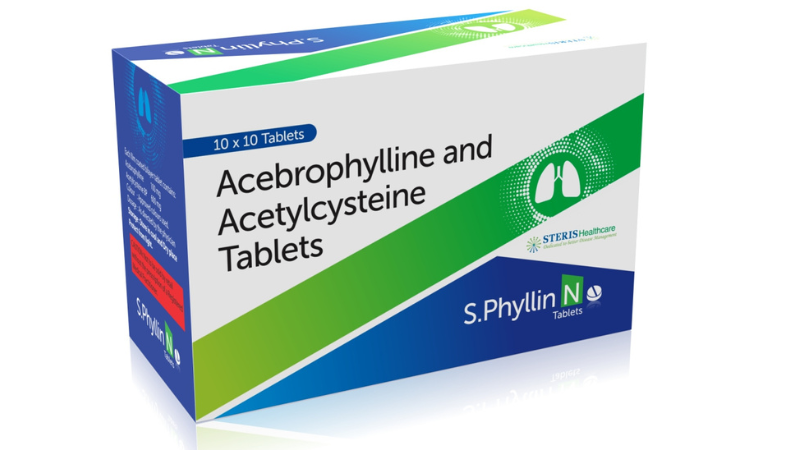



Acebrophylline and acetylcysteine "'"''
Oct 20, 2023
Acebrophylline and acetylcysteine
S PHYLLIN N are both medications used in respiratory conditions, but they have different mechanisms of action and properties.
Acebrophylline: Acebrophylline is a combination medication that contains theophylline and ambroxol. Theophylline acts as a bronchodilator, helping to relax the muscles in the airways and improve airflow. Ambroxol is a mucolytic agent that helps to thin and loosen mucus secretions, making it easier to cough up. Acebrophylline is primarily used for respiratory conditions such as asthma and chronic obstructive pulmonary disease (COPD). It helps relieve symptoms like coughing, wheezing, shortness of breath, and excessive mucus production.
Acetylcysteine: Acetylcysteine is a mucolytic agent that directly affects mucus by breaking down its structure and reducing its viscosity. It helps to thin and loosen thick mucus secretions, making it easier to clear the airways. Acetylcysteine is commonly used in conditions such as chronic bronchitis, cystic fibrosis, and other respiratory conditions characterized by the production of thick, sticky mucus. It is available in various forms, including oral solution, inhalation solution, and intravenous injection.
While both S PHYLLIN N can have a positive impact on mucus production and respiratory symptoms, they have different mechanisms of action and may be used in different situations. Acebrophylline combines the benefits of a bronchodilator and a mucolytic agent, while acetylcysteine specifically targets mucus viscosity. The choice between the two medications will depend on the specific condition, symptoms, and the judgment of the prescribing healthcare professional.
For further information please contact:
info@sterispharma.com
Order Now - https://www.sterisonline.com/product/s-phyllin-n-133747
Recent Post
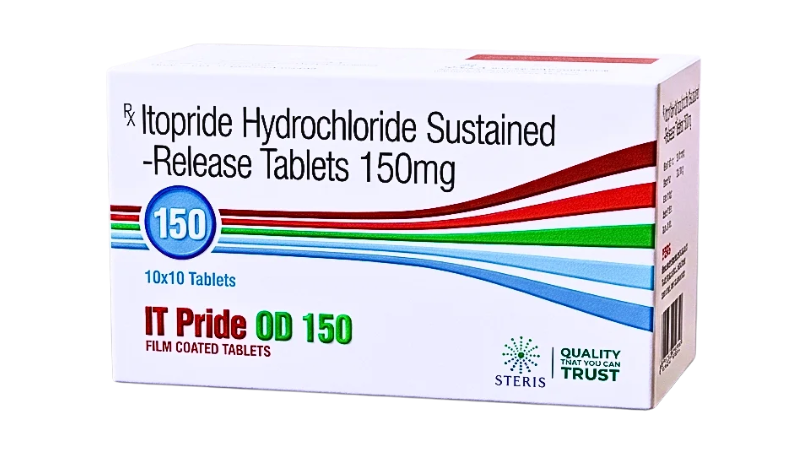
Itopride Hydrochloride Uses: What It Treats and How It Works
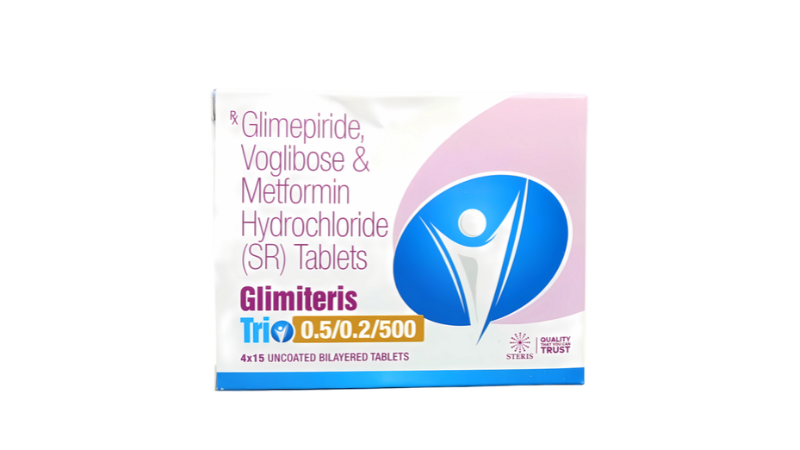
Glimepiride 0.5 mg + Voglibose 0.2 mg + Metformin SR 500 mg | Steris Healthcare
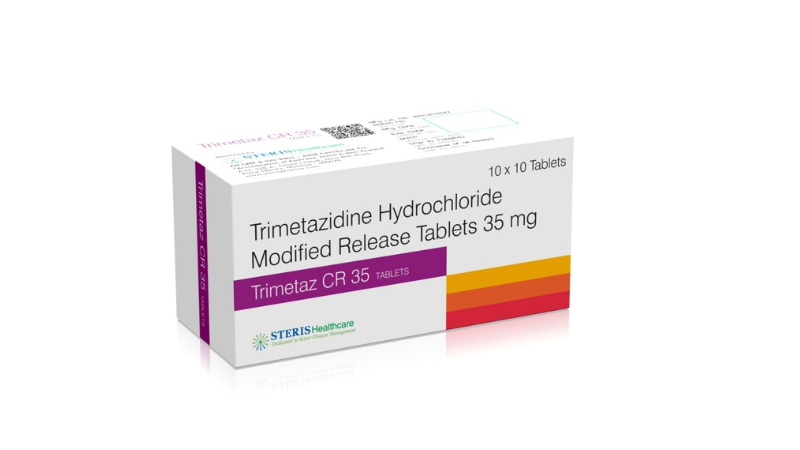
Trimetazidine Hydrochloride Modified Release Tablets 35 mg Uses, Benefits
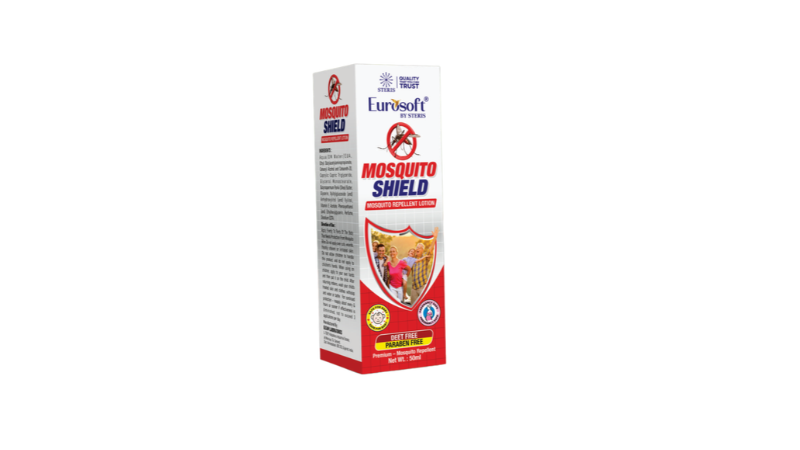
EUROSOFT MOSQUITO SHIELD
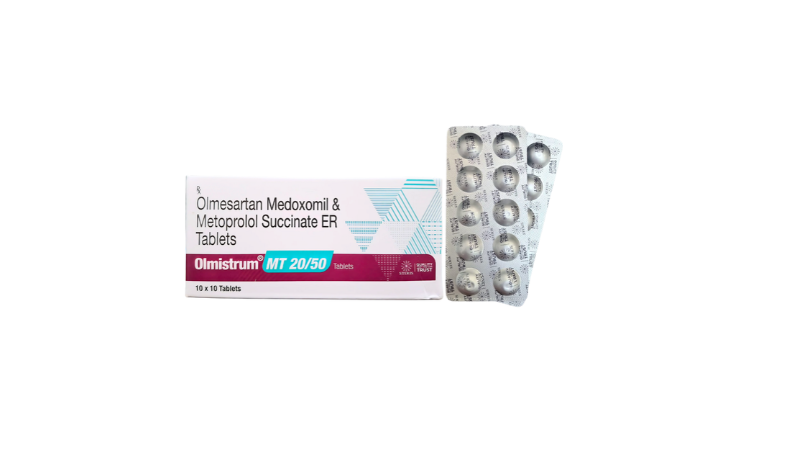
Olmesartan and Metoprolol: Uses, Benefits, Dosage & Side Effects | Steris Healthcare
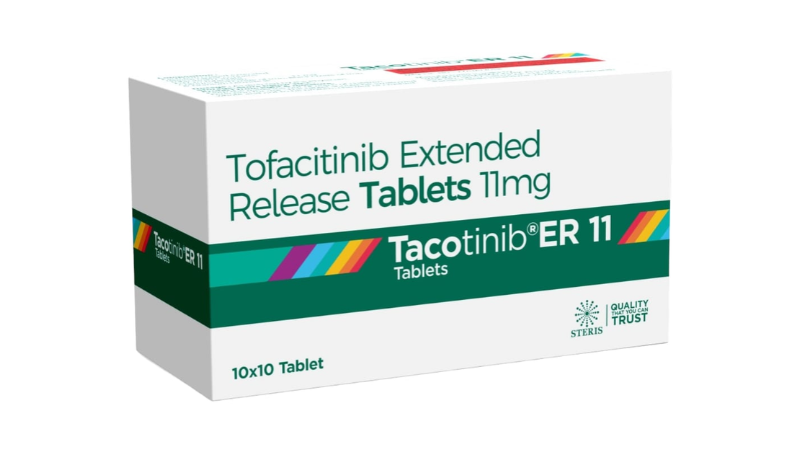
Tofacitinib 11 mg Tablets: A Complete Guide to Uses and Side Effects
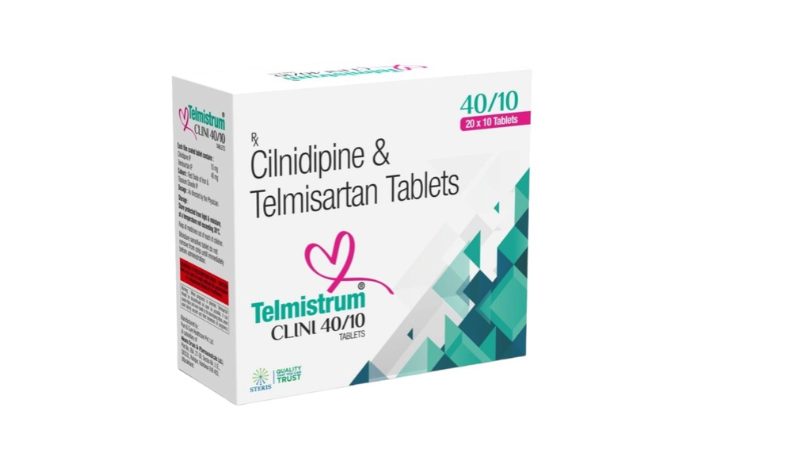
Olmesartan Medoxomil + Metoprolol Succinate: Uses, Dosage
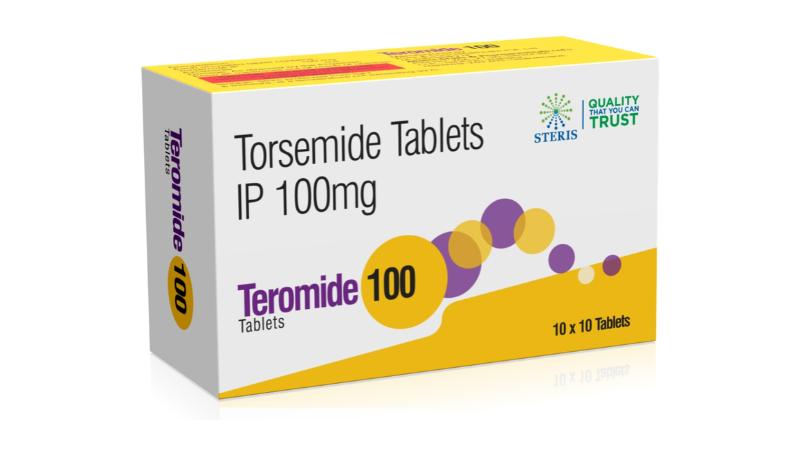
Torsemide 100 mg: Uses, Dosage, Side Effects, and Precautions
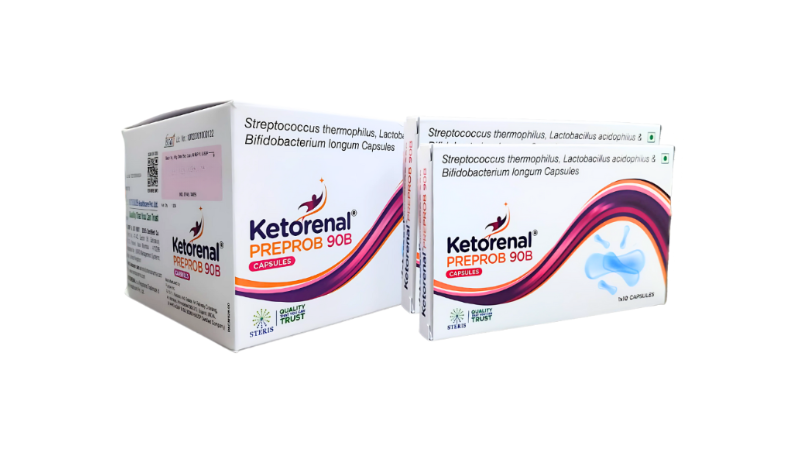
How Streptococcus Thermophilus Supports Digestive Health
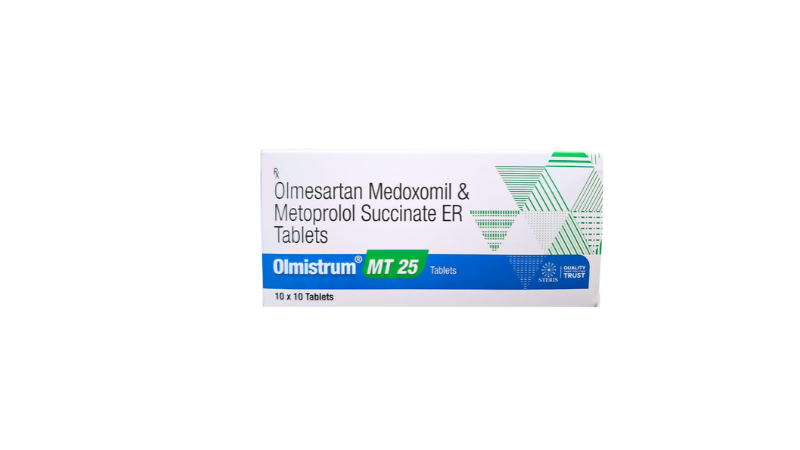
Olmesartan Medoxomil + Metoprolol Succinate: Uses, Benefits & Side Effects