





Wide Range of Generic Medicine
Jun 06, 2023
Generic medicines are medications that are produced and marketed after the patent protection of a brand-name drug has expired. These medications contain the same active ingredients, have the same dosage form, strength, route of administration, and intended use as the brand-name drug. However, they are usually sold at a lower cost because they are manufactured by different pharmaceutical companies.
Here are some key points about generic medicines:
-
Equivalent effectiveness: Generic medicines are required to demonstrate bioequivalence to the brand-name drug. This means that they must deliver the same amount of active ingredient into the bloodstream within a specific timeframe, ensuring similar therapeutic effects.
-
Cost savings: Generic medicines are typically more affordable compared to their brand-name counterparts. This makes them a cost-effective option, especially when purchasing medications for long-term use or treating chronic conditions.
-
FDA approval: Generic medicines undergo a rigorous approval process by regulatory authorities, such as the U.S. Food and Drug Administration (FDA) in the United States. They must meet the same strict standards for safety, efficacy, and quality as brand-name drugs.
-
Availability and options: Generic medicines offer a wide range of options across various therapeutic categories, including antibiotics, cardiovascular medications, analgesics, antidepressants, and more. This availability helps ensure accessibility to essential medications for a larger population.
-
Prescribing and substitution: In many countries, including the United States, pharmacists can substitute a brand-name drug with an FDA-approved generic version if it is available. However, in some cases, healthcare professionals may prefer to prescribe a specific brand-name drug due to specific patient needs or considerations.
It's important to note that while generic medicines are equivalent in terms of active ingredients, they may have different inactive ingredients (binders, fillers, dyes) than the brand-name drug. Although these inactive ingredients are generally considered safe, individuals with specific allergies or sensitivities should consult their healthcare provider or pharmacist.
For further information please contact:
contact@sterispharma.com
Visit : sterisonline.com
Call : 8955945010 / 6377716668
Recent Post
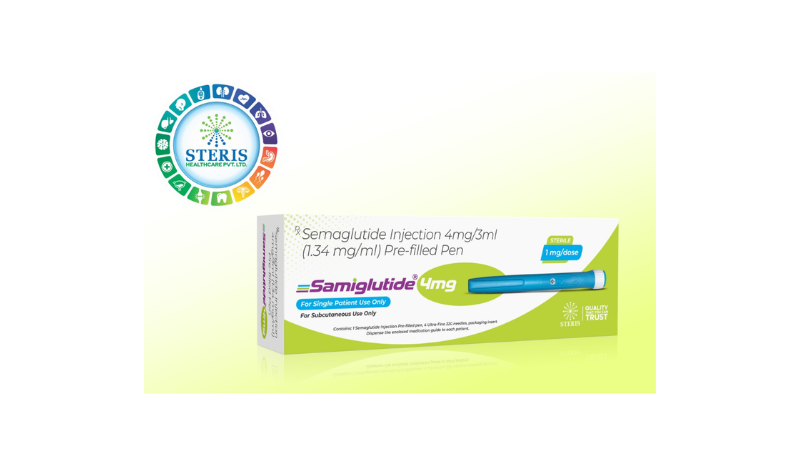
Semaglutide 4mg vs Pancreatitis Risk: What Doctors Want You to Know
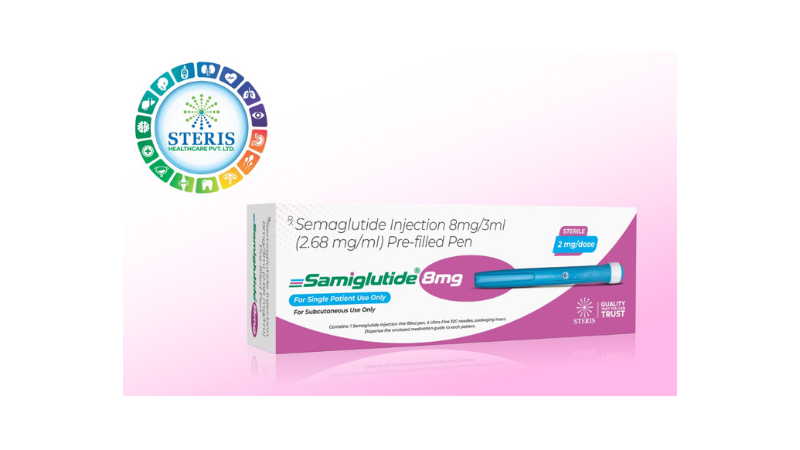
Semaglutide 8mg Injection: Frequently Asked Questions Answered by Experts
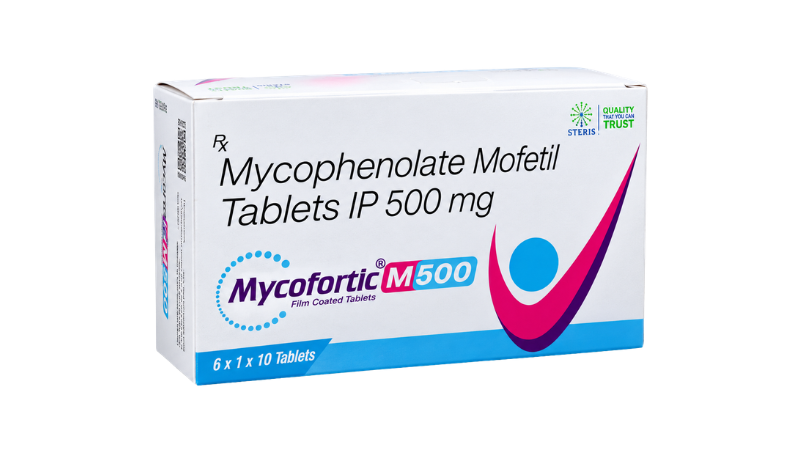
Mycophenolate Mofetil 500mg (Mycofortic M 500): Uses, Benefits & Precautions – Complete Guide
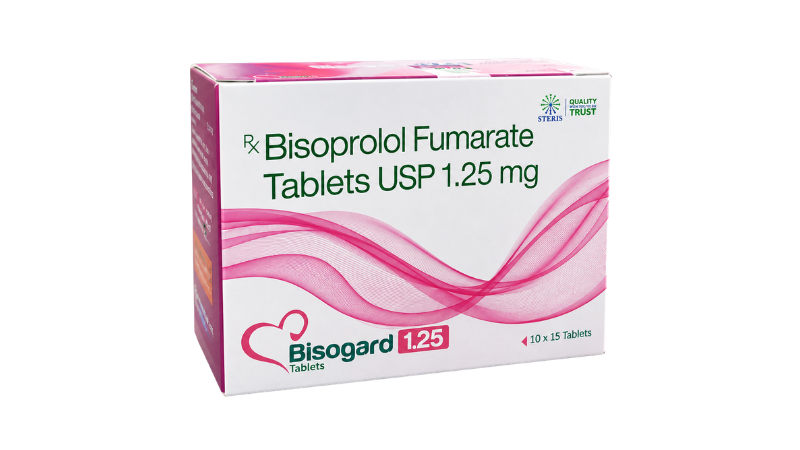
What is Bisogard 1.25? Bisoprolol 1.25mg Uses, Dosage & Side Effects Explained
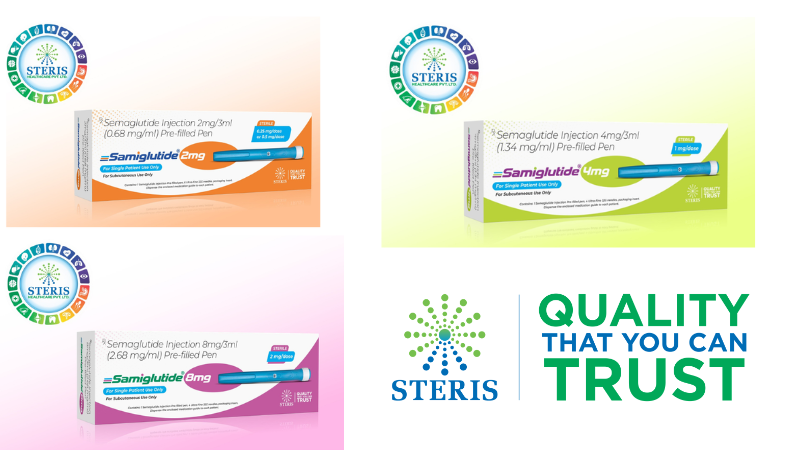
Can Semaglutide Injection Be Used Without Diabetes?
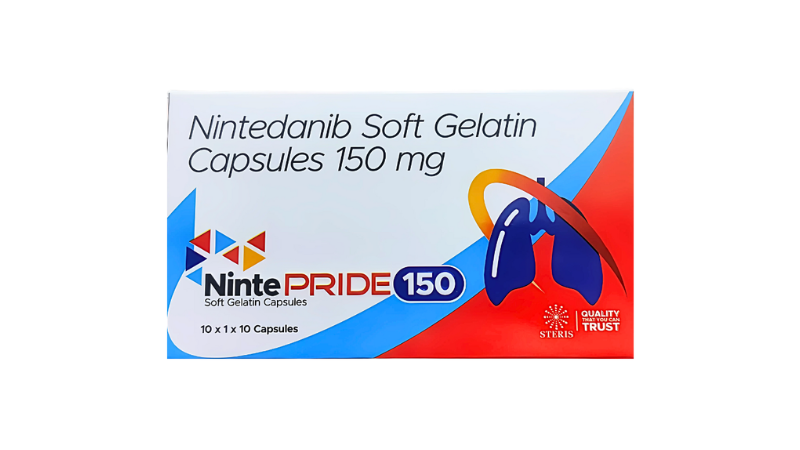
What Are Nintedanib Soft Gelatin Capsules Used For? Complete Guide
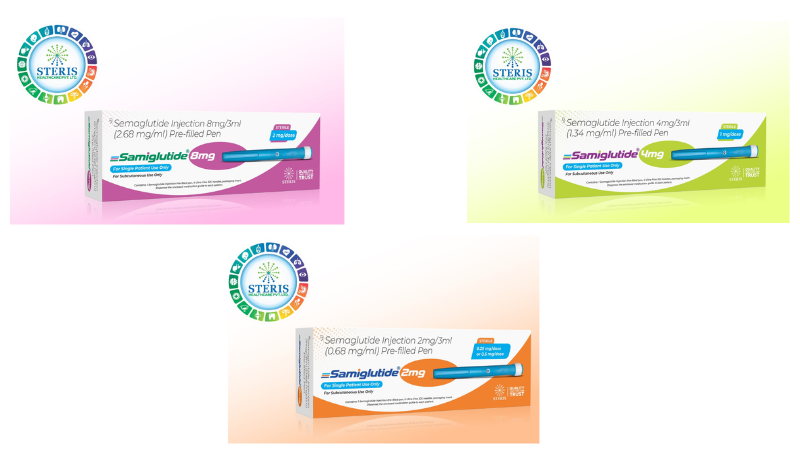
Where to Buy Semaglutide Injection in India: Price, Pen & Prescription Guide
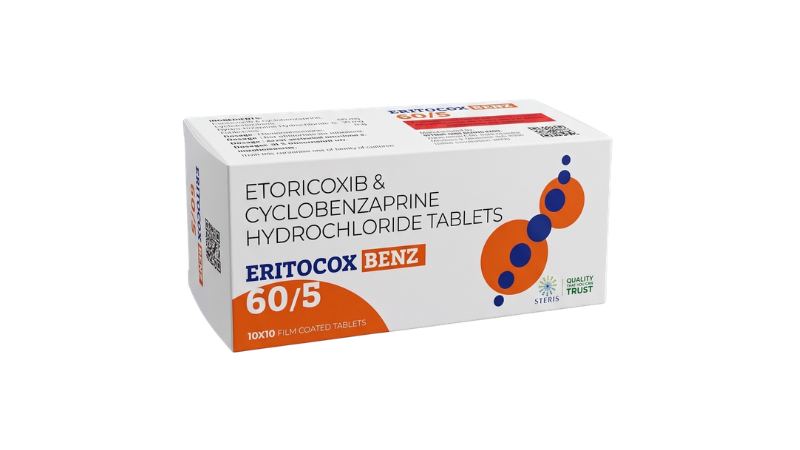
ERITOCOX BENZ 60/5 Dosage Guide: How to Take Etoricoxib & Cyclobenzaprine Tablets Safely
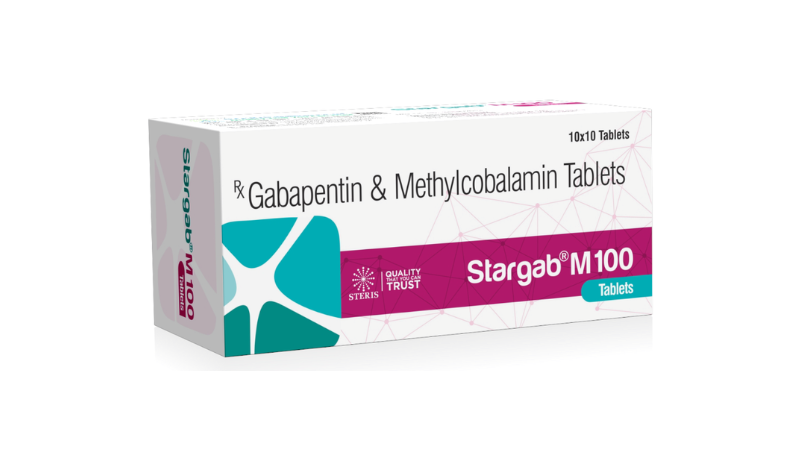
Gabapentin and Methylcobalamin Tablets Side Effects: What Patients Should Know
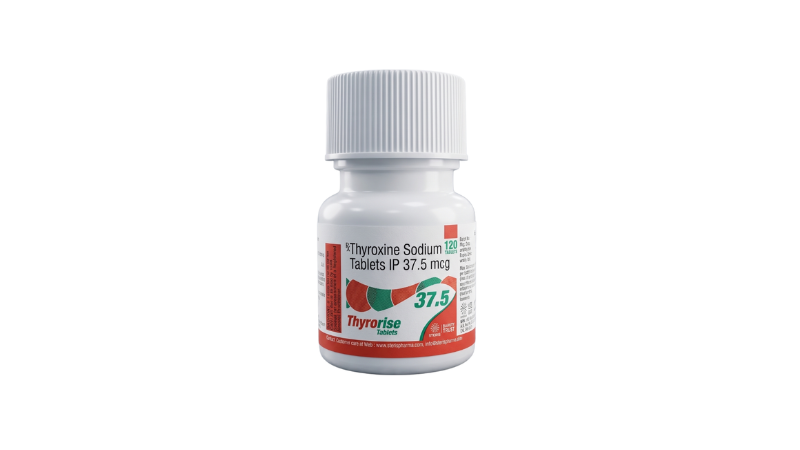
Thyroxine sodium tablets IP: उपयोग, फायदे और साइड इफेक्ट्स

