


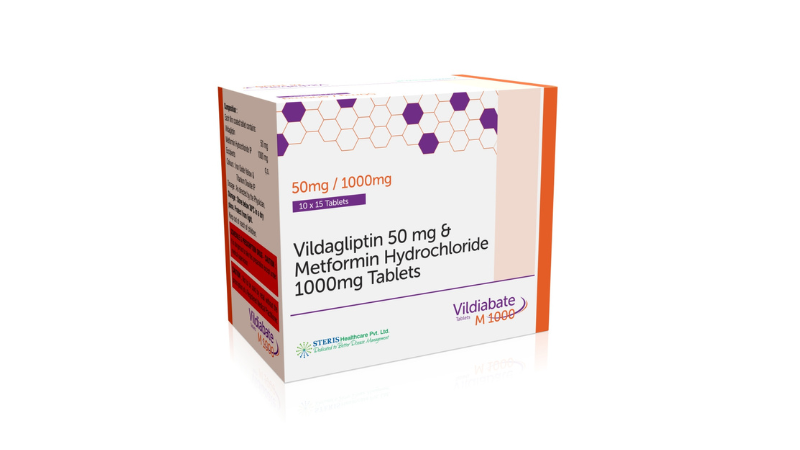



VILDIABATE M 1000:Uses, Side Effects, Interactions, Pictures, ...
Jul 19, 2024
Type 2 diabetes is one of the most common chronic conditions worldwide. Irregular lifestyle, high‑calorie diets, lack of exercise and genetic factors have led to a sharp rise in the number of people living with high blood sugar. Good blood glucose control is essential to prevent long‑term complications involving the heart, kidneys, eyes and nerves.
VILDIABATE M 1000 is a modern combination anti‑diabetic tablet that contains vildagliptin 50 mg and metformin hydrochloride 1000 mg. It is designed to help adults with type 2 diabetes achieve better glycaemic control when diet, exercise and metformin alone are not enough.
1. What is VILDIABATE M 1000?
VILDIABATE M 1000 is an oral anti‑diabetic combination tablet that belongs to the class of medicines used for the management of type 2 diabetes mellitus in adults.
- Brand name: VILDIABATE M 1000
- Composition (per tablet):
- Vildagliptin 50 mg
- Metformin hydrochloride 1000 mg
It combines two well‑established anti‑diabetic agents:
- Vildagliptin – a DPP‑4 inhibitor (dipeptidyl peptidase‑4 inhibitor)
- Metformin – a biguanide, considered first‑line therapy in type 2 diabetes
By working through complementary mechanisms, VILDIABATE M 1000 helps control blood sugar levels both after meals (post‑prandial) and between meals (fasting).
2. How VILDIABATE M 1000 Works (Mechanism of Action)
The two components of VILDIABATE M 1000 act in different but synergistic ways.
2.1 Vildagliptin (50 mg)
Vildagliptin is a DPP‑4 inhibitor, also known as a “gliptin.”
- After eating, the intestine releases incretin hormones (GLP‑1 and GIP).
- These incretins stimulate the pancreas to release insulin and reduce glucagon (a hormone that raises blood glucose).
- The enzyme DPP‑4 rapidly breaks down incretins, reducing their beneficial effect.
Vildagliptin works by:
- Inhibiting DPP‑4, thereby increasing levels and duration of active incretins.
- This leads to enhanced glucose‑dependent insulin secretion and reduced glucagon secretion.
- As a result, blood sugar levels are lowered, mainly after meals, with a low risk of hypoglycaemia (because action is glucose‑dependent).
2.2 Metformin (1000 mg)
Metformin is the first‑line oral drug for type 2 diabetes.
It works through several mechanisms:
- Reduces hepatic glucose production: Decreases the amount of glucose produced by the liver (gluconeogenesis).
- Improves insulin sensitivity: Helps body tissues (muscles and fat) use insulin more effectively to take up glucose.
- Reduces intestinal glucose absorption: Slightly decreases the amount of glucose absorbed from food.
Metformin primarily lowers fasting blood sugar and improves overall insulin sensitivity, often with modest weight reduction or weight neutrality.
2.3 Combined Effect in VILDIABATE M 1000
Together, vildagliptin and metformin:
- Control both fasting and post‑meal blood sugar.
- Improve beta‑cell responsiveness (insulin‑producing cells of the pancreas).
- Offer effective glucose control with a relatively low risk of hypoglycaemia compared to some older drugs (like sulfonylureas), when used as directed.
3. Indications: When is VILDIABATE M 1000 Used?
VILDIABATE M 1000 is generally indicated for:
- Adults with type 2 diabetes mellitus, when:
- Diet and exercise alone do not provide adequate glycaemic control, and
- Metformin at lower doses or vildagliptin alone are not sufficient, or
- Patients are already on vildagliptin plus metformin separately and need a fixed‑dose combination for convenience.
It may be used:
- As dual therapy (metformin + vildagliptin)
- As part of triple therapy with other agents (like sulfonylureas, insulin), as assessed by your diabetologist
VILDIABATE M 1000 is not used for:
- Type 1 diabetes mellitus
- Diabetic ketoacidosis or hyperosmolar hyperglycaemic state
Always follow your doctor’s decision on whether this combination is suitable for your clinical profile.
4. Benefits of VILDIABATE M 1000
When used appropriately, VILDIABATE M 1000 offers several potential benefits:
-
Improved Glycaemic Control
- Lowers HbA1c (a long‑term measure of blood sugar control)
- Controls both fasting and post‑meal blood glucose
-
Glucose‑Dependent Insulin Release
- Vildagliptin increases insulin only when blood glucose is high, reducing risk of hypoglycaemia.
-
Weight Neutral or Modest Weight Loss
- Metformin is generally weight‑neutral or associated with slight weight reduction, important in overweight/obese patients.
-
Better Convenience & Adherence
- Fixed‑dose combination reduces pill burden (fewer separate tablets), which may improve medicine adherence.
-
Cardio‑Metabolic Benefits (Metformin)
- Metformin has well‑documented benefits on metabolic profile and may have cardiovascular advantages in some patient groups.
5. Dosage and Administration of VILDIABATE M 1000
The dose of VILDIABATE M 1000 must be individualized based on blood sugar levels, prior therapy and tolerance. Follow your doctor’s prescription exactly.
5.1 Typical Adult Dose
A usual regimen in adults may be:
- One tablet of VILDIABATE M 1000 twice daily, or
- One tablet once daily, depending on clinical need and tolerance
Your doctor may start with a lower metformin dose (e.g., 500 mg) or different strength combination and gradually increase to VILDIABATE M 1000 if tolerated and necessary.
5.2 How to Take VILDIABATE M 1000
- Take tablets with food or shortly after meals (usually breakfast and/or dinner) to reduce stomach upset from metformin.
- Swallow the tablet whole with water; do not crush or chew unless advised.
- Take at the same time each day for consistent blood levels.
Never change the dose or frequency on your own without consulting your doctor.
6. Missed Dose and Overdose
6.1 If You Miss a Dose
- Take the missed dose as soon as you remember, with food, if it is not too close to the next dose.
- If it is almost time for your next dose, skip the missed one and continue with your regular schedule.
- Do not double the dose to make up for a missed tablet.
Repeatedly missing doses can worsen blood sugar control.
6.2 Overdose
Taking more than the prescribed amount may cause:
- Severe hypoglycaemia (especially if combined with other anti‑diabetics)
- Lactic acidosis (due to excessive metformin in susceptible individuals) – a rare but serious condition
- Gastrointestinal disturbances (nausea, vomiting, abdominal pain, diarrhoea)
If you suspect overdose, seek emergency medical attention immediately.
7. Side Effects of VILDIABATE M 1000
Like all medicines, VILDIABATE M 1000 can cause side effects, although not everyone will experience them.
7.1 Common Side Effects
Due primarily to metformin:
- Nausea or vomiting
- Diarrhoea
- Abdominal discomfort or cramps
- Loss of appetite
- Metallic taste in the mouth
These are more common at the start of therapy and often improve as your body adjusts. Taking the medicine with meals can reduce stomach upset.
Due to vildagliptin (less common):
- Mild headache
- Dizziness
- Tiredness or fatigue
7.2 Less Common / Serious Side Effects
- Hypoglycaemia (low blood sugar) – risk increases if taken with other anti‑diabetic drugs like sulfonylureas or insulin.
- Lactic acidosis – rare but very serious side effect linked primarily to metformin, particularly in patients with severe kidney, liver or heart failure, or in situations of dehydration, severe infection or hypoxia.
- Liver enzyme elevation – vildagliptin can, in rare cases, raise liver enzymes (AST/ALT).
- Pancreatitis – inflammation of the pancreas has been reported rarely with DPP‑4 inhibitors.
- Allergic reactions – rash, itching, swelling, difficulty breathing.
Seek immediate medical help if you notice symptoms like:
- Persistent severe abdominal pain (with or without vomiting)
- Unusual muscle pain, difficulty breathing, severe tiredness
- Yellowing of the eyes or skin, dark urine (signs of liver issues)
- Sudden rash, swelling of the face or throat, difficulty breathing (possible allergy)
8. Lactic Acidosis Warning (Metformin Component)
Lactic acidosis is a rare but potentially life‑threatening side effect associated with metformin accumulation, especially in high‑risk patients.
Risk factors include:
- Severe kidney impairment or rapidly worsening renal function
- Uncontrolled heart failure
- Severe liver disease or heavy alcohol use
- Severe infection, dehydration, shock, or conditions causing low oxygen supply
- Use of contrast dye (iodinated contrast) for imaging procedures in patients with poor kidney function
Symptoms of lactic acidosis may include:
- Deep, rapid breathing
- Persistent nausea, vomiting, abdominal pain
- Severe weakness, fatigue
- Muscle pain or cramps
- Feeling cold, especially in arms and legs
- Dizziness or slow/irregular heartbeat
If you develop such symptoms, stop VILDIABATE M 1000 and get urgent medical help.
9. Who Should Not Take VILDIABATE M 1000?
VILDIABATE M 1000 may be contraindicated or used only with caution in certain individuals. Inform your doctor if you:
- Have type 1 diabetes or diabetic ketoacidosis
- Have significantly impaired kidney function or end‑stage renal disease
- Have severe liver disease
- Have heart failure or recent heart attack, especially if unstable
- Have a history of lactic acidosis
- Consume excessive alcohol regularly
- Are pregnant or planning pregnancy
- Are breastfeeding
- Have known allergy to vildagliptin, metformin, or any excipients in the tablet
Your doctor will decide if VILDIABATE M 1000 is appropriate or if another regimen is safer.
10. Drug Interactions with VILDIABATE M 1000
Always inform your doctor about all medicines, supplements and herbal products you are taking.
Some possible interactions (not a complete list):
- Other oral anti‑diabetics or insulin: Can increase risk of hypoglycaemia; dose adjustment may be needed.
- Diuretics, ACE inhibitors, ARBs, NSAIDs: May affect kidney function and, indirectly, metformin clearance.
- Corticosteroids, certain antipsychotics, oral contraceptives: May raise blood glucose, requiring dose adjustments of anti‑diabetics.
- Iodinated contrast agents: Used in imaging; may temporarily worsen kidney function, increasing risk of lactic acidosis. Metformin is often paused before and after such procedures as advised.
- Alcohol: Increases risk of lactic acidosis with metformin; limit or avoid excessive intake.
Your healthcare provider will guide you on safe combinations and may adjust doses or monitoring frequency.
11. Use in Special Populations
11.1 Elderly Patients
- Kidney function often declines with age, increasing risk of metformin accumulation and lactic acidosis.
- Dose selection and monitoring must be cautious, with regular assessment of renal function.
11.2 Patients with Kidney or Liver Disease
- Kidney impairment: Metformin is usually avoided or dose‑reduced in moderate to severe renal dysfunction.
- Liver disease: Vildagliptin and metformin may both need careful evaluation; severe hepatic impairment is generally a contraindication.
11.3 Pregnancy and Breastfeeding
- Strict blood sugar control during pregnancy is essential, often with insulin as the preferred option.
- The safety of vildagliptin‑metformin combinations in pregnancy and breastfeeding is not well established; use only if specifically recommended by your specialist.
12. Monitoring While on VILDIABATE M 1000
Regular monitoring helps ensure the medicine is effective and safe.
Your doctor may recommend:
- Fasting and post‑prandial blood glucose – to track daily control.
- HbA1c – every 3–6 months to assess long‑term control.
- Kidney function tests (serum creatinine, eGFR) – at baseline and periodically.
- Liver function tests (AST, ALT) – particularly in early phases or if symptoms suggest liver issues.
- Lipid profile, blood pressure, weight – part of overall cardio‑metabolic monitoring.
Keep a log of your blood sugar readings and share them with your doctor at each visit.
13. Lifestyle Measures Alongside VILDIABATE M 1000
Medication is only one part of managing type 2 diabetes. For best results, combine VILDIABATE M 1000 with strong lifestyle measures:
13.1 Diet
- Follow a balanced diabetic diet rich in vegetables, whole grains, lean proteins and healthy fats.
- Limit refined sugars, sweets, sugary drinks and excessive carbohydrates.
- Control portion sizes, and spread carbohydrate intake evenly through the day.
- Avoid late‑night heavy meals.
13.2 Exercise
- Aim for at least 150 minutes per week of moderate aerobic activity (walking, cycling, swimming), as advised by your doctor.
- Include strength training 2–3 times weekly if medically suitable.
- Start slowly and increase gradually, especially if you have not been active.
13.3 Weight Management
- Even a 5–10% weight loss can significantly improve blood sugar control.
- VILDIABATE M 1000, particularly metformin, may help prevent further weight gain while lifestyle changes support gradual loss.
13.4 Quit Smoking & Limit Alcohol
- Smoking increases risk of cardiovascular complications and diabetic foot problems.
- Alcohol interacts with blood sugar and metformin; avoid excess and discuss safe limits with your doctor.
14. VILDIABATE M 1000 vs Separate Tablets
Some patients are initially prescribed separate vildagliptin and metformin tablets. Switching to VILDIABATE M 1000 offers:
- Fewer pills per day → better convenience.
- Improved adherence (less chance of forgetting one component).
- Fixed dose ensures you always get the correct ratio of vildagliptin:metformin as planned by your doctor.
However, your physician will decide which format works best for you, based on dosage flexibility and clinical needs.
15. Storage and Handling of VILDIABATE M 1000
To maintain quality and effectiveness:
- Store tablets at room temperature, away from excessive heat, moisture and direct sunlight.
- Keep the blister pack or container tightly closed.
- Keep out of reach and sight of children and pets.
- Do not use tablets after the expiry date printed on the pack.
- Do not use tablets that are broken, discolored or show any visible defects.
- Dispose of unused or expired medicines safely as per local guidelines (do not flush).
16. Patient Counselling Tips for VILDIABATE M 1000
Healthcare providers should emphasize:
- Purpose of therapy: Explain that VILDIABATE M 1000 helps to control blood sugar and reduce the risk of complications, but it is part of a lifelong management plan.
- Correct intake: Stress taking it with food, at the same time daily, and not skipping doses.
- Recognizing hypoglycaemia: Teach signs (sweating, trembling, palpitations, hunger, confusion) and how to manage low sugar (quick carbohydrate intake like glucose tablets or sugary drink, followed by a snack).
- Warning signs of lactic acidosis and pancreatitis: Educate about serious symptoms that require urgent medical attention.
- Interaction with lifestyle: Remind patients that medicine does not replace diet and exercise; all elements must work together.
- Regular follow‑up: Encourage routine visits and lab tests to monitor diabetes control and medication safety.
17. Frequently Asked Questions About VILDIABATE M 1000
Q1. What is VILDIABATE M 1000 used for?
VILDIABATE M 1000 is used to treat type 2 diabetes mellitus in adults, especially when diet, exercise and metformin alone do not provide adequate blood sugar control.
Q2. How long do I need to take VILDIABATE M 1000?
Type 2 diabetes is usually a long‑term condition. Treatment with medicines like VILDIABATE M 1000 is generally ongoing, but doses and combinations can change over time based on your blood sugar and overall health.
Q3. Can VILDIABATE M 1000 cure diabetes?
No. It controls blood sugar but does not cure diabetes. Proper lifestyle changes and medication together can keep blood sugar in target and delay complications.
Q4. Will I gain weight with VILDIABATE M 1000?
Metformin is usually weight‑neutral or may cause mild weight loss. Vildagliptin is generally weight‑neutral. Significant weight gain is not typical with this combination, unlike some other anti‑diabetics.
Q5. Can I drink alcohol while on VILDIABATE M 1000?
Alcohol can increase the risk of lactic acidosis with metformin and may also disturb blood sugar control. It is safest to avoid or strictly limit alcohol and always discuss with your doctor.
Q6. What if I experience stomach upset with VILDIABATE M 1000?
Gastrointestinal side effects (nausea, diarrhoea) are common early on. Taking the medicine with meals usually helps. If symptoms persist or are severe, contact your doctor; they may adjust the dose or timing.
Q7. Can I stop VILDIABATE M 1000 if my sugars become normal?
Never stop or change your medication without medical advice. Stopping can cause blood sugar to rise again. Your doctor may adjust your therapy gradually based on consistent test results and lifestyle changes.
We Have Our Diabetic Range.
| Composition | Brand Name |
| Metformin (850mg)SR, Vildagliptin (50mg) |
VILDIABATE M 850 |
| Vildagliptin 50 mg and Metformin 500 mg |
VILDIABATE M 500 |
Recent Post
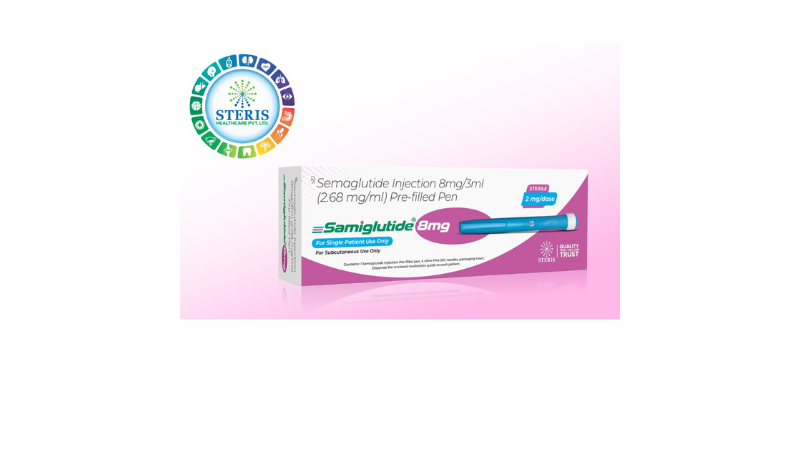
Semaglutide Injection Pen 8 mg: Step-by-Step Dosage & Precautions

BEST semaglutide injection price in india
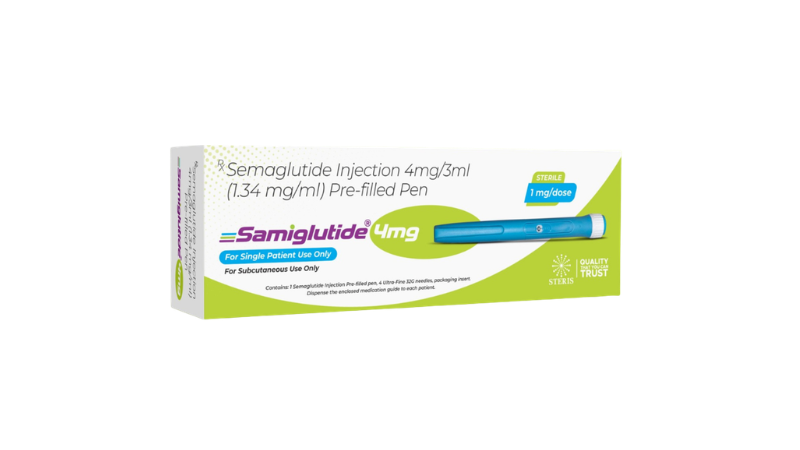
How Semaglutide Injection 4 mg Helps Control Blood Sugar
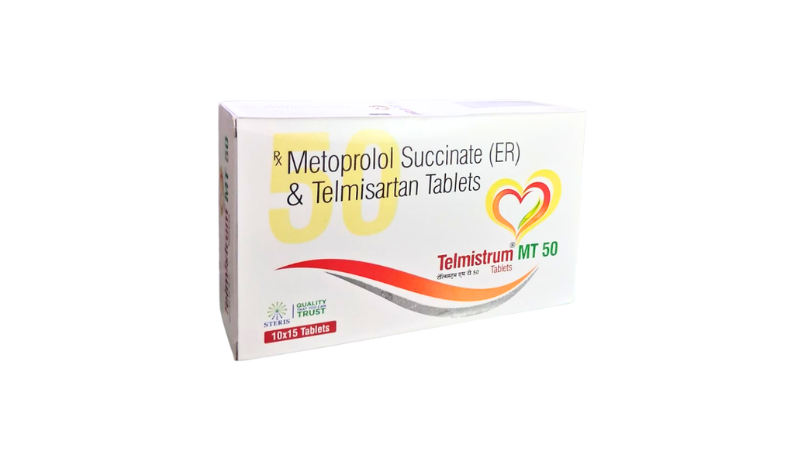
What Is Telmisartan and Metoprolol Succinate Combination Used For?
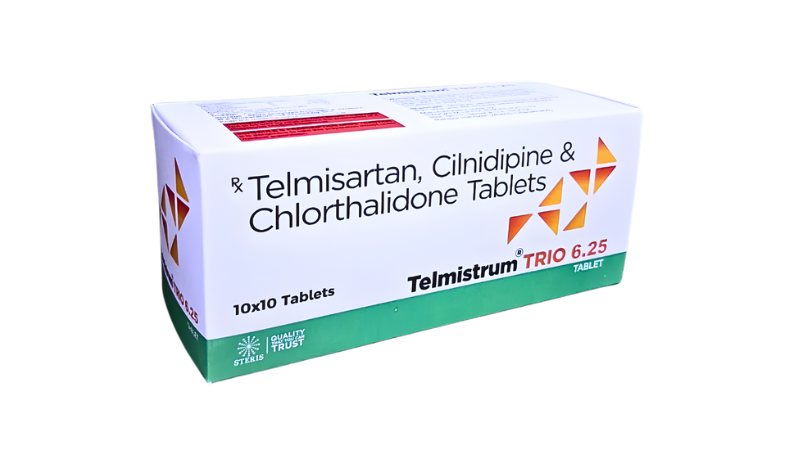
TELMISTRUM TRIO 6.25: Telmisartan, Cilnidipine & Chlorthalidone Uses & Side Effects
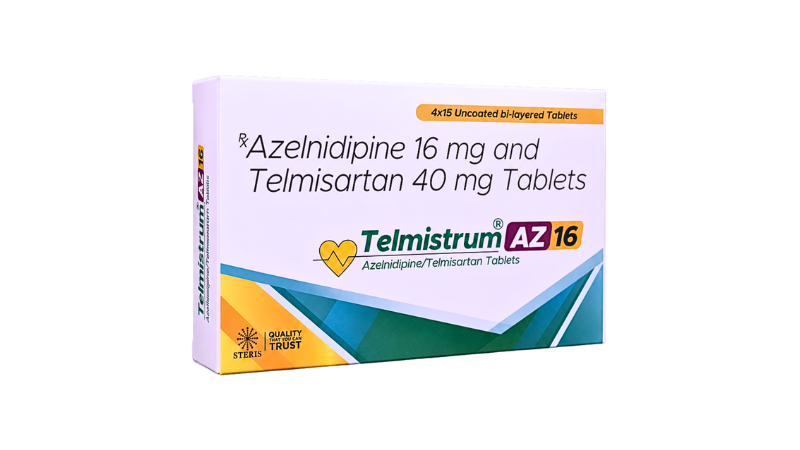
TELMISTRUM AZ 16: Telmisartan 40mg & Azelnidipine 16mg Uses, Dosage & Side Effects
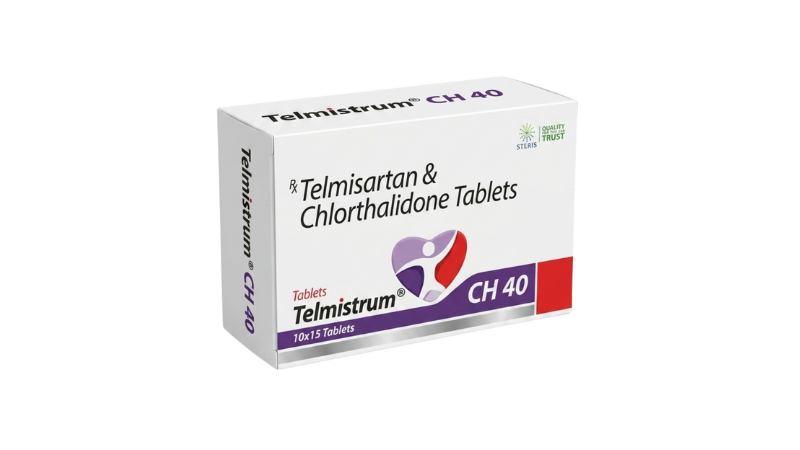
What Is Telmisartan and Chlorthalidone Combination Used For?
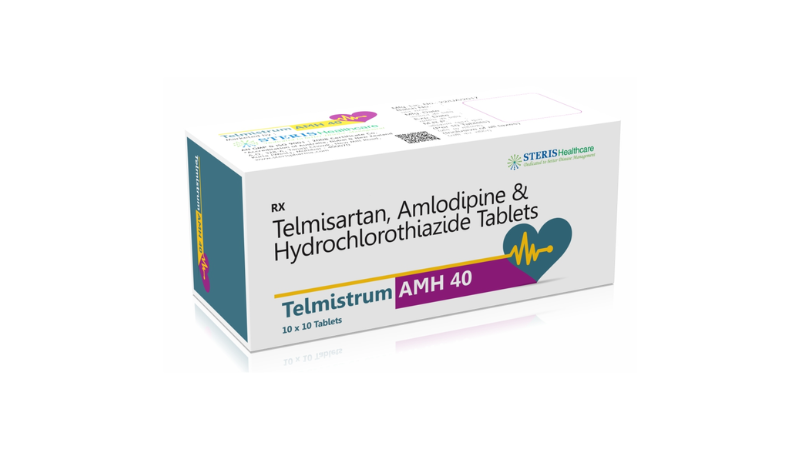
Telmisartan 40mg + Amlodipine 5mg Tablets: Uses, Dosage & Side Effects
Clarithromycin, Esomeprazole & Amoxicillin Combo Kit: View Uses, Side Effects and Medicines
What Is Amoxicillin Clavulanate with Lactic Acid Bacillus Used For?

