





Vildagliptin 50 mg & Pioglitazone Hydrochloride 15 mg
May 06, 2023
The journey of managing Type 2 Diabetes Mellitus (T2DM) has shifted from merely "lowering blood sugar" to a more sophisticated approach: addressing the root causes of the disease. For many patients, a single medication is not enough to tackle the complex interplay of insulin resistance and insulin deficiency.
Enter VILDIABATE PIO, a potent fixed-dose combination of Vildagliptin (50 mg) and Pioglitazone Hydrochloride (15 mg). This medication represents a synergistic leap in pharmacology, designed to help patients achieve glycemic control by attacking the disease from two different angles.
In this deep-dive guide, we will explore the science behind VILDIABATE PIO, its clinical benefits, safety profile, and how it fits into a modern lifestyle.
1. Understanding the Anatomy of Type 2 Diabetes
To appreciate how VILDIABATE PIO works, we must first understand the "Ominous Octet"—the various physiological failures that lead to high blood sugar. In Type 2 Diabetes, the body suffers from two primary defects:
- Insulin Resistance: The body’s cells (muscle, fat, and liver) stop responding to insulin.
- Beta-Cell Dysfunction: The pancreas fails to produce enough insulin to overcome that resistance.
Most medications target only one of these issues. VILDIABATE PIO targets both.
2. Component 1: Vildagliptin (50 mg) – The Pancreatic Optimizer
Vildagliptin belongs to a class of drugs known as DPP-4 inhibitors (Dipeptidyl Peptidase-4 inhibitors), often called "gliptins."
How Vildagliptin Works
When we eat, our gut releases hormones called incretins (specifically GLP-1 and GIP). These hormones tell the pancreas to release insulin and tell the liver to stop producing sugar. However, an enzyme called DPP-4 usually destroys these hormones within minutes.
Vildagliptin blocks the DPP-4 enzyme. This allows incretin hormones to stay active longer, resulting in:
- Increased Insulin Secretion: But only when blood sugar is high (reducing the risk of "crashes").
- Suppressed Glucagon: Glucagon is the hormone that raises blood sugar; Vildagliptin keeps it in check.
- Beta-Cell Protection: Some studies suggest gliptins may help preserve the function of insulin-producing cells over time.
3. Component 2: Pioglitazone (15 mg) – The Insulin Sensitizer
Pioglitazone is a member of the Thiazolidinedione (TZD) class. It is often referred to as an "insulin sensitizer."
How Pioglitazone Works
While Vildagliptin works on the pancreas, Pioglitazone works on the "periphery"—the muscles and fat cells. It activates a receptor called PPAR-gamma, which acts like a master switch for metabolism.
- Opening the Gates: It makes your cells much more sensitive to the insulin your body already produces.
- Liver Health: It reduces the amount of glucose the liver pumps into the blood overnight.
- The 15 mg Advantage: VILDIABATE PIO utilizes a 15 mg dose of Pioglitazone. This is a "low-dose" strategy designed to provide significant metabolic benefits while minimizing the side effects (like fluid retention) often seen with higher 30 mg or 45 mg doses.
4. The Power of Synergy: Why VILDIABATE PIO?
Why combine these two specific drugs? The answer lies in Complementary Mechanisms of Action.
By using VILDIABATE PIO, the patient receives a "double whammy" against diabetes:
- Vildagliptin ensures the "supply" of insulin is well-regulated and responsive to meals.
- Pioglitazone ensures the "demand" is met by making the body’s tissues more receptive to that insulin.
Clinical Benefits of the Combination:
- Superior HbA1c Reduction: Clinical trials show that combining a gliptin with a TZD leads to a more significant drop in long-term blood sugar (HbA1c) than using either drug alone.
- Durability: Pioglitazone is known for its "durability," meaning it keeps blood sugar stable for years, preventing the "failure" often seen with older drugs like Sulfonylureas.
- Low Hypoglycemia Risk: Neither drug typically causes dangerously low blood sugar when used as a pair, making it safer for elderly patients or those with active lifestyles.
5. Beyond Blood Sugar: Extra-Glycemic Benefits
One of the reasons specialists prescribe VILDIABATE PIO is for its benefits that go beyond the glucose meter.
A. Non-Alcoholic Fatty Liver Disease (NAFLD)
Pioglitazone is one of the few medications extensively studied for its ability to reduce liver fat and inflammation. For diabetic patients struggling with a fatty liver, VILDIABATE PIO provides an added layer of protection.
B. Lipid Profile Improvements
Pioglitazone has been shown to improve the "quality" of cholesterol, often increasing HDL (good) cholesterol and reducing harmful triglycerides.
C. Cardiovascular Protection
Some large-scale trials have indicated that Pioglitazone may reduce the risk of recurrent stroke and heart attack in certain insulin-resistant patients.
6. Dosage and Administration
- Standard Dose: Usually, one tablet of VILDIABATE PIO is taken once or twice daily, as directed by a physician.
- When to Take: It can be taken with or without food. However, taking it at the same time every day is crucial for maintaining steady levels in the blood.
- Monitoring: While on this medication, your doctor will periodically check your HbA1c, liver enzymes, and kidney function.
7. Potential Side Effects and Safety Precautions
No medication is without side effects. Understanding them allows for better management.
Possible Side Effects:
- Edema (Swelling): Pioglitazone can cause the body to retain salt and water. This is usually mild at the 15 mg dose found in VILDIABATE PIO.
- Weight Gain: This is often a result of fluid retention and the redistribution of fat cells. However, this fat is usually "subcutaneous" (under the skin) rather than "visceral" (around the organs), which is metabolically healthier.
- Bone Health: Long-term use of TZDs has been associated with a slightly increased risk of bone fractures in women.
- Upper Respiratory Tract Infection: A common side effect of Vildagliptin.
Contraindications:
VILDIABATE PIO should not be used in patients with:
- Heart Failure: Pioglitazone can worsen fluid buildup in patients with existing heart failure.
- Active Bladder Cancer: Though the risk is controversial and very low, it is generally avoided in those with a history of bladder cancer.
- Severe Liver Disease.
8. Lifestyle Integration: Diet and Exercise
Medication is a tool, but lifestyle is the foundation. To get the most out of VILDIABATE PIO, patients should focus on:
The "Diabetes Plate"
- Half Plate of Non-Starchy Veggies: Broccoli, spinach, and peppers.
- Quarter Plate of Lean Protein: Fish, chicken, or tofu.
- Quarter Plate of Complex Carbs: Quinoa, brown rice, or sweet potatoes.
The Power of Resistance Training
Since Pioglitazone works on muscle insulin sensitivity, performing resistance exercises (weights, bands, or bodyweight) "primes" the muscles to work even better with the medication. Aim for 150 minutes of moderate activity per week.
9. Conclusion: Why VILDIABATE PIO is a Smart Choice
Managing diabetes is about more than just a number on a screen; it is about protecting your heart, your liver, and your future. VILDIABATE PIO (Vildagliptin 50 mg + Pioglitazone 15 mg) offers a sophisticated, multi-targeted approach to glycemic control.
10. Frequently Asked Questions (FAQs)
Q1: Can I take VILDIABATE PIO if I am on Insulin?
Yes, but with caution. Adding Pioglitazone to insulin therapy can increase the risk of edema and hypoglycemia. Your doctor will adjust your insulin dose accordingly.
Q2: How long does it take to see results?
Vildagliptin works fairly quickly (days), but Pioglitazone takes longer (4–12 weeks) to reach its full effect as it works by changing gene expression in cells.
Q3: Does VILDIABATE PIO cause vitamin deficiencies?
Unlike Metformin (which can lower B12), this combination is not typically associated with vitamin deficiencies.
Q4: Can I drink alcohol?
Moderate alcohol consumption is usually okay, but be aware that alcohol can mask the symptoms of low blood sugar and put extra strain on the liver.
Recent Post
Semaglutide Injection Pen 8 mg: Step-by-Step Dosage & Precautions
BEST semaglutide injection price in india
How Semaglutide Injection 4 mg Helps Control Blood Sugar
What Is Telmisartan and Metoprolol Succinate Combination Used For?
TELMISTRUM TRIO 6.25: Telmisartan, Cilnidipine & Chlorthalidone Uses & Side Effects
TELMISTRUM AZ 16: Telmisartan 40mg & Azelnidipine 16mg Uses, Dosage & Side Effects
What Is Telmisartan and Chlorthalidone Combination Used For?
Telmisartan 40mg + Amlodipine 5mg Tablets: Uses, Dosage & Side Effects
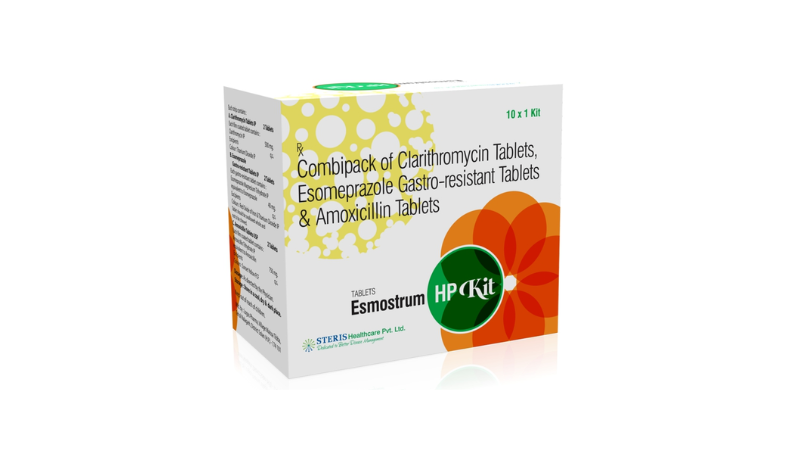
Clarithromycin, Esomeprazole & Amoxicillin Combo Kit: View Uses, Side Effects and Medicines
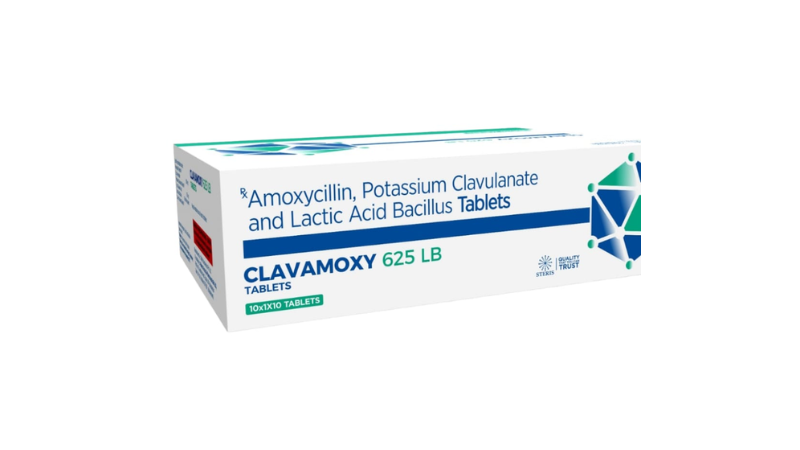
What Is Amoxicillin Clavulanate with Lactic Acid Bacillus Used For?

