


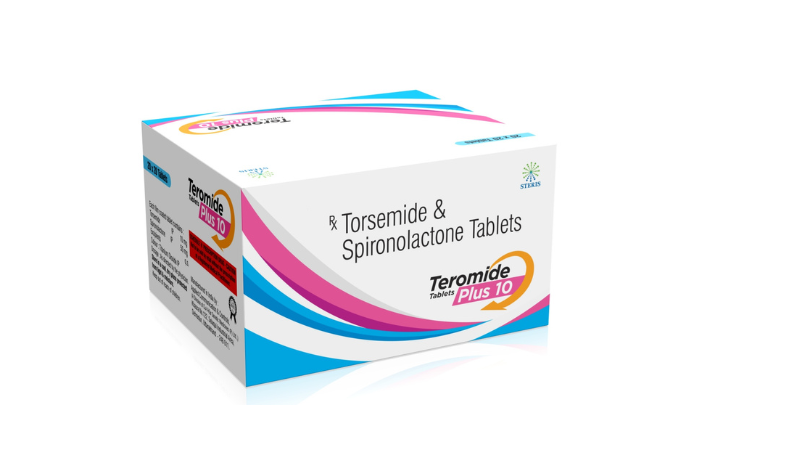



TEROMIDE PLUS 10: Effective Edema & Hypertension Relief Combo
Jun 14, 2024
What Are Torsemide and Spironolactone Tablets?
Torsemide is a loop diuretic, commonly prescribed to reduce fluid accumulation associated with conditions such as heart failure, renal disease, or hepatic disease. It is also approved for treating hypertension.
Spironolactone belongs to the mineralocorticoid receptor antagonist (MRA) class. It is used for several conditions, including heart failure, hypertension, and edema associated with certain conditions. In appropriate heart-failure patients, guideline-directed MRA therapy can reduce morbidity and mortality when kidney function and potassium levels meet recommended criteria.
Because the medicines act differently, a doctor may prescribe them together when additional diuresis is required or when the clinical situation benefits from the aldosterone-blocking effects of spironolactone.
Why Are Torsemide and Spironolactone Used Together?
The combination can provide complementary diuretic effects.
Torsemide promotes the excretion of sodium and water through the kidneys, helping reduce excess fluid. Spironolactone blocks aldosterone, a hormone that promotes sodium retention and potassium excretion.
This difference in action can be useful in selected patients with fluid retention. For example, the torsemide prescribing information specifically describes use with an aldosterone antagonist or potassium-sparing diuretic in patients with edema associated with hepatic cirrhosis.
In heart failure, spironolactone may also have benefits beyond fluid removal because mineralocorticoid receptor antagonists are an important part of treatment for appropriately selected patients with reduced ejection fraction. Current heart-failure guidance recommends monitoring potassium, renal function, and diuretic dosing closely when MRA therapy is initiated and continued.
Key Uses of Tablet Torsemide and Spironolactone
The combination may be prescribed for different clinical purposes depending on the patient's diagnosis.
1. Fluid retention and edema
Both medicines can contribute to reducing excess fluid, although they do so differently. Torsemide is specifically indicated for edema associated with heart failure, renal disease, and hepatic disease.
2. Heart failure
In selected patients with heart failure, spironolactone can be part of guideline-directed therapy, while a loop diuretic such as torsemide can help manage congestion and fluid overload.
3. Edema associated with liver disease
Patients with cirrhosis can develop significant fluid accumulation. Torsemide may be used with an aldosterone antagonist or potassium-sparing diuretic in this setting under medical supervision.
4. High blood pressure
Torsemide is approved for hypertension, while spironolactone is also used for hypertension in appropriate patients. However, whether both are needed depends on the individual's blood-pressure pattern, other medicines, kidney function, and underlying condition.
Key Benefits of Torsemide and Spironolactone Tablets
When appropriately prescribed, the combination can offer several clinical benefits.
- Helps remove excess fluid: Torsemide increases urinary sodium and water excretion, which can help relieve edema and congestion.
- Provides complementary diuretic action: Torsemide and spironolactone work at different sites and through different mechanisms.
- May help manage heart-failure congestion: Loop diuretics are commonly used to control fluid overload, while spironolactone may provide additional heart-failure benefits in eligible patients.
- May be useful in cirrhosis-related edema: Torsemide can be administered with an aldosterone antagonist in appropriately selected patients.
- May help control blood pressure: Both medicines can lower blood pressure, although treatment selection should be individualized.
The combination should not be promoted as a general-purpose “water-loss” or weight-loss treatment. Its purpose is medical management of conditions involving fluid balance, blood pressure, or specific cardiovascular and hepatic disorders.
Torsemide and Spironolactone Dosage
There is no single standard dose for everyone taking torsemide and spironolactone together.
Torsemide dosing varies according to the condition being treated. Current prescribing information lists, for example, an initial dose of 10 or 20 mg once daily for edema associated with heart failure and 20 mg once daily for edema associated with chronic renal failure. Dosing for hepatic cirrhosis and hypertension differs.
Spironolactone dosing also depends on the indication, kidney function, potassium level, and individual response. Current prescribing information provides different dosing approaches for heart failure, hypertension, and edema.
Side Effects of Torsemide and Spironolactone
Like all prescription medicines, torsemide and spironolactone can cause side effects.
Torsemide side effects
Because torsemide increases fluid and electrolyte excretion, possible problems include:
- Excessive urination
- Dehydration
- Low blood pressure
- Low potassium
- Low sodium
- Low magnesium
- Changes in kidney function
- Increased uric acid levels or gout in susceptible individuals
The prescribing information recommends monitoring fluid status, kidney function, and electrolytes because excessive diuresis can cause dehydration, hypotension, and worsening renal function.
Spironolactone side effects
Important potential effects include:
- Increased potassium levels
- Low blood pressure
- Worsening kidney function
- Dehydration or excessive diuresis
- Breast tenderness or enlargement
- Menstrual or hormonal effects in some patients
The most important safety concern is hyperkalemia, particularly in people with impaired kidney function or those taking potassium supplements, potassium-containing salt substitutes, ACE inhibitors, ARBs, or other medicines that increase potassium.
Monitoring While Taking Torsemide and Spironolactone
Monitoring is a major part of safe treatment.
Doctors may monitor:
- Serum potassium
- Sodium and other electrolytes
- Kidney function
- Blood pressure
- Fluid status
- Body weight when clinically appropriate
- Symptoms of dehydration or fluid overload
Current spironolactone prescribing information recommends checking serum potassium within one week of initiation or dose titration and regularly thereafter, with more frequent monitoring in higher-risk patients.
Who Should Be Especially Careful?
Extra caution may be required in people with:
- Kidney impairment
- Abnormal potassium levels
- Low blood pressure
- Significant dehydration
- Heart failure
- Liver disease
- Diabetes
- Multiple medicines affecting kidney function or potassium
People taking NSAIDs, potassium supplements, potassium-containing salt substitutes, ACE inhibitors, ARBs, or other medicines affecting potassium should specifically discuss these medicines with their healthcare professional.
Buyer’s Guide: What to Check Before Purchasing
Before purchasing a prescription product, verify:
- Exact active ingredients
- Strength of each medicine
- Manufacturer
- Batch or lot number
- Expiry date
- Packaging integrity
- Storage requirements
- Prescription requirements in your country
- Authenticity and source of the medicine
Avoid purchasing prescription diuretics from unverified sellers. The exact strength and formulation should match the prescription provided by the healthcare professional.
Frequently Asked Questions About Tablet Torsemide and Spironolactone
Can you take torsemide and spironolactone together?
Yes. Doctors may prescribe torsemide and spironolactone together for selected patients, particularly when managing fluid retention or certain cardiovascular and liver-related conditions. The combination requires monitoring of potassium, kidney function, blood pressure, and fluid status.
What is torsemide and spironolactone used for?
The combination may be used to manage excess fluid and edema in conditions such as heart failure or certain liver-related disorders. Spironolactone may also provide additional benefits in appropriately selected heart-failure patients.
What are the main benefits of torsemide and spironolactone tablets?
The main benefit is complementary management of fluid balance. Torsemide promotes sodium and water excretion, while spironolactone blocks aldosterone and can provide additional therapeutic effects in selected cardiovascular conditions.
What are the side effects of torsemide and spironolactone?
Potential side effects include dehydration, low blood pressure, kidney-function changes, and electrolyte abnormalities. Spironolactone can cause high potassium, while torsemide can cause low potassium and other electrolyte losses.
Can torsemide and spironolactone affect potassium levels?
Yes. Torsemide can lower potassium, whereas spironolactone can increase potassium. The combination does not guarantee that potassium will remain normal, so blood tests are important.
Is torsemide and spironolactone safe for the kidneys?
They can be used in appropriate patients, but both medicines can affect kidney function, particularly when excessive diuresis causes dehydration or when other risk factors are present. Kidney function should therefore be monitored according to the treating clinician's plan.
Can I take potassium supplements with spironolactone and torsemide?
Do not add potassium supplements or potassium-containing salt substitutes unless your healthcare professional specifically recommends them. Spironolactone can increase potassium, and combining it with other potassium-raising products can increase the risk of hyperkalemia.
When should I seek medical help while taking these medicines?
Seek prompt medical attention for severe weakness, fainting, significant dizziness, severe dehydration, very low blood pressure, confusion, abnormal heartbeat, or other serious or rapidly worsening symptoms. These may indicate a significant electrolyte, fluid, cardiovascular, or kidney problem.
Can you take torsemide and spironolactone together?
Yes, torsemide and spironolactone can be prescribed together, with monitoring of potassium, kidney function, blood pressure, and hydration.
Conclusion
Tablet torsemide and spironolactone can be an effective prescription combination for appropriately selected patients who need management of fluid retention, edema, or certain cardiovascular and hepatic conditions. Torsemide primarily promotes sodium and water removal, while spironolactone blocks aldosterone and has potassium-sparing and condition-specific cardiovascular effects.
Recent Post
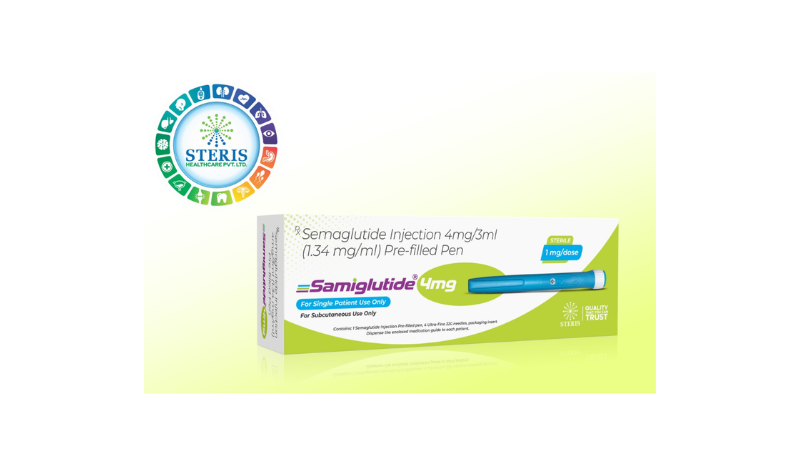
Semaglutide 4mg vs Pancreatitis Risk: What Doctors Want You to Know
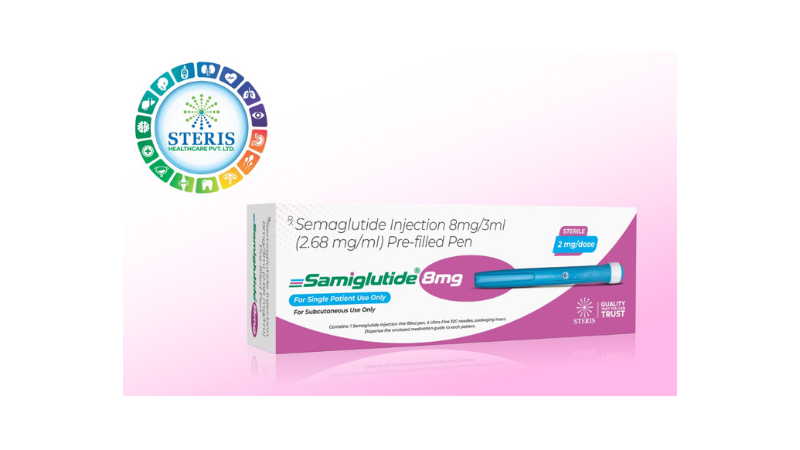
Semaglutide 8mg Injection: Frequently Asked Questions Answered by Experts
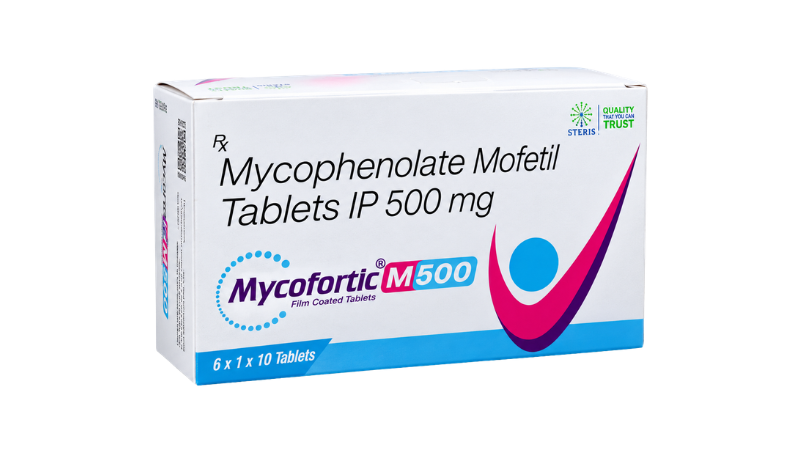
Mycophenolate Mofetil 500mg (Mycofortic M 500): Uses, Benefits & Precautions – Complete Guide
What is Bisogard 1.25? Bisoprolol 1.25mg Uses, Dosage & Side Effects Explained

Can Semaglutide Injection Be Used Without Diabetes?
What Are Nintedanib Soft Gelatin Capsules Used For? Complete Guide

Where to Buy Semaglutide Injection in India: Price, Pen & Prescription Guide
ERITOCOX BENZ 60/5 Dosage Guide: How to Take Etoricoxib & Cyclobenzaprine Tablets Safely

Gabapentin and Methylcobalamin Tablets Side Effects: What Patients Should Know
Thyroxine sodium tablets IP: उपयोग, फायदे और साइड इफेक्ट्स

