


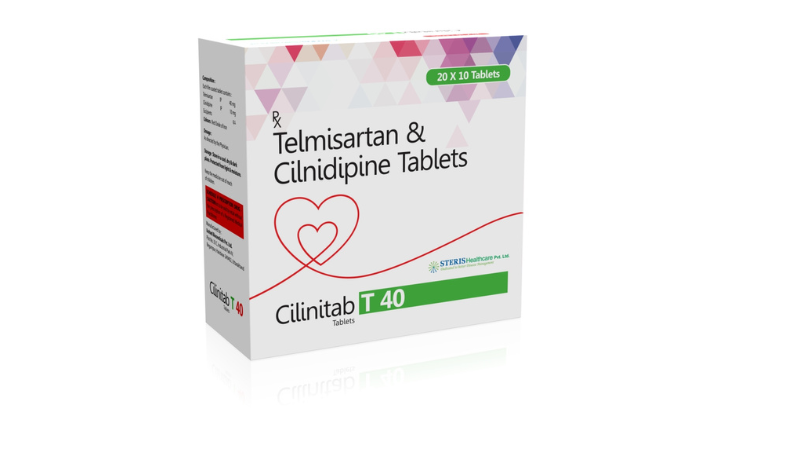



Telmisartan & Cilnidipine (Cilinitab T 40): Uses, Dosage, Side Effects
Jul 02, 2024
CILINITAB T 40, manufactured by Steris Healthcare, is a dual-action antihypertensive combination formulated with Cilnidipine 10 mg and Telmisartan 40 mg. This fixed-dose combination brings together a fourth-generation dihydropyridine calcium channel blocker (Cilnidipine) and an angiotensin receptor blocker (Telmisartan) in a single tablet, designed for the long-term management of hypertension (high blood pressure) in adults who require more than single-agent therapy to achieve target blood pressure control.
Why It's Important
Hypertension is often called a "silent" condition because it typically produces no noticeable symptoms while steadily damaging blood vessels, the heart, kidneys, and brain over time. Left uncontrolled, high blood pressure significantly raises the risk of heart attack, stroke, kidney failure, and other cardiovascular complications. A large proportion of hypertensive patients do not achieve adequate blood pressure control on a single antihypertensive agent alone, which is why combination therapy has become a cornerstone of modern hypertension management guidelines worldwide.
This is precisely where cilnidipine and telmisartan tablets demonstrate their clinical value. Telmisartan blocks the angiotensin II receptor, preventing a hormone that constricts blood vessels and raises blood pressure from exerting its effect, while also offering renal-protective benefits, particularly relevant for patients with early kidney involvement or diabetes. Cilnidipine, meanwhile, is distinctive among calcium channel blockers because it blocks both L-type and N-type calcium channels — the N-type blockade specifically helps reduce sympathetic nervous system overactivation, which translates into smoother blood pressure control with less reflex tachycardia (a common drawback of older calcium channel blockers) and reduced ankle swelling. Together, this combination doesn't just lower blood pressure numbers — it does so through complementary mechanisms that improve tolerability and offer added organ-protective benefits, making CILINITAB T 40 a clinically meaningful option for patients whose hypertension is not adequately controlled on monotherapy.
Key Benefits
What Are the Benefits of This Combination?
- Provides more effective and sustained blood pressure reduction than either Cilnidipine or Telmisartan used alone
- Cilnidipine's dual L-type and N-type calcium channel blockade helps reduce sympathetic overactivation, minimizing reflex increases in heart rate
- Lower incidence of ankle and pedal edema compared to conventional dihydropyridine calcium channel blockers, due to Cilnidipine's balanced arterial and venous action
- Telmisartan offers additional renal-protective benefits, useful in patients with diabetic nephropathy or early kidney involvement
- Once-daily dosing supports better long-term treatment adherence
- Smooth, consistent 24-hour blood pressure control, helping protect against early-morning surge in blood pressure linked to cardiovascular events
- Suitable for patients with coexisting conditions such as diabetes or metabolic syndrome, given Telmisartan's largely metabolically neutral profile
- Reduces overall pill burden by combining two complementary antihypertensive mechanisms into a single tablet
Side Effects
Like all antihypertensive medications, CILINITAB T 40 may cause side effects in some patients, particularly during the early weeks of treatment as the body adjusts. Commonly reported effects include mild dizziness, headache, fatigue, mild ankle swelling (less frequent than with older calcium channel blockers), flushing, and occasional gastrointestinal discomfort such as nausea or mild stomach upset. These effects are generally mild to moderate and tend to improve as treatment continues.
Available Substitutes
Several fixed-dose combinations of Cilnidipine and Telmisartan are available in the Indian pharmaceutical market, differing in individual component strengths (commonly Cilnidipine 10 mg with Telmisartan 20 mg, 40 mg, or 80 mg) and brand. Patients should not switch between different Cilnidipine and Telmisartan brands or strength combinations without consulting their physician, as even modest differences in Telmisartan strength can meaningfully affect blood pressure control and tolerability. For a Steris Healthcare-manufactured alternative or a different strength, patients and PCD franchise partners are encouraged to consult the company's product portfolio directly.
Dosage Guidelines
Dosage must always be individualized by a physician based on the patient's baseline blood pressure, response to prior therapy, and any coexisting medical conditions. CILINITAB T 40 is typically taken once daily, at the same time each day, with or without food, to help maintain steady drug levels and support treatment adherence. Tablets should be swallowed whole with a glass of water and should not be crushed or chewed unless otherwise directed. Patients should not stop this medication abruptly or skip doses, as blood pressure control depends on consistent daily use; any changes to dosage should be made only under medical supervision, typically with periodic blood pressure monitoring to assess response.
Precautions & Warnings
CILINITAB T 40 should not be used in patients with a known hypersensitivity to Cilnidipine, Telmisartan, or any of its components, and is contraindicated in pregnancy due to the risk of fetal harm associated with angiotensin receptor blockers, particularly during the second and third trimesters. It should be used with caution in patients with severe hepatic or biliary obstruction, given Telmisartan's route of elimination, and in patients with significant renal artery stenosis. Caution is also advised in patients with heart failure, those on potassium-sparing diuretics or potassium supplements (due to the risk of elevated potassium levels), and elderly patients, who may be more sensitive to blood pressure–lowering effects. Patients should inform their physician of all other medications being taken, including NSAIDs, lithium, and other antihypertensives, to avoid potential interactions. Regular blood pressure, kidney function, and electrolyte monitoring is generally recommended during long-term therapy.
How to Use & Mechanism of Action
CILINITAB T 40 should be taken orally, once daily at a consistent time, swallowed whole with a glass of water, with or without food. Its effectiveness comes from the complementary mechanisms of its two components. Telmisartan, an angiotensin II receptor blocker (ARB), works by selectively blocking the AT1 receptor, preventing angiotensin II — a hormone that causes blood vessels to constrict and blood pressure to rise — from exerting its effects. This leads to vasodilation, reduced blood pressure, and additional benefits for kidney protection, particularly in patients with diabetes or early nephropathy. Cilnidipine, a fourth-generation dihydropyridine calcium channel blocker, works by blocking calcium entry into vascular smooth muscle cells, causing arterial relaxation and reduced peripheral resistance. What distinguishes Cilnidipine from older calcium channel blockers is its additional blockade of N-type calcium channels located in sympathetic nerve terminals — this reduces the release of norepinephrine, dampening sympathetic nervous system overactivation that typically causes reflex tachycardia and contributes to peripheral edema with conventional calcium channel blockers. Together, Telmisartan's hormonal blockade and Cilnidipine's dual-channel vascular and sympathetic action provide smoother, more comprehensive, and better-tolerated blood pressure control than either agent alone.
Frequently Asked Questions
1. What is CILINITAB T 40 used for?
CILINITAB T 40 is used for the long-term management of high blood pressure (hypertension) in adults who need combination therapy for adequate control.
2. What is cilnidipine and telmisartan tablet used for?
The combination of cilnidipine and telmisartan tablets is used to lower and control blood pressure by relaxing blood vessels and blocking the hormone angiotensin II, which otherwise causes vessels to constrict.
3. What is telmisartan 40 mg used for?
Telmisartan 40 mg is used to treat high blood pressure by blocking angiotensin II receptors, helping widen blood vessels and reduce cardiovascular strain.
4. What is cilnidipine 10 mg used for?
Cilnidipine 10 mg is used to lower blood pressure by relaxing arterial smooth muscle and reducing sympathetic nervous system overactivation, which also helps limit ankle swelling.
5. Cilnidipine 10 mg uses in Hindi क्या हैं?
Cilnidipine 10 mg का उपयोग हाई ब्लड प्रेशर को नियंत्रित करने के लिए किया जाता है। यह रक्त वाहिकाओं को आराम देकर रक्तचाप कम करता है।
6. Is CILINITAB T 40 safe for daily long-term use?
When prescribed and monitored by a physician, CILINITAB T 40 is generally considered safe for long-term daily use in managing chronic hypertension.
7. Can cilnidipine and telmisartan be taken together?
Yes, this fixed-dose combination is specifically designed to be taken together, as the two components work through complementary mechanisms for more effective blood pressure control.
8. What is the best time to take CILINITAB T 40?
It is generally recommended to take this medication at the same time each day, with or without food, as advised by your physician.
9. Does cilnidipine cause less ankle swelling than other calcium channel blockers?
Yes, Cilnidipine's additional N-type calcium channel blockade typically results in less ankle and pedal edema compared to conventional dihydropyridine calcium channel blockers like amlodipine.
10. Can CILINITAB T 40 be taken by diabetic patients?
Telmisartan is generally considered favorable for patients with diabetes due to its kidney-protective properties, but any use in diabetic patients should be individualized and supervised by a physician.
11. What should I do if I miss a dose of CILINITAB T 40?
If a dose is missed, it should be taken as soon as remembered unless it is close to the next scheduled dose — in that case, the missed dose should be skipped rather than doubling up. Consult your physician for specific guidance.
12. Is CILINITAB T 40 safe during pregnancy?
No, medications containing Telmisartan are contraindicated during pregnancy, particularly in the second and third trimesters, due to the risk of fetal harm. Physicians typically switch patients to alternative antihypertensives if pregnancy is planned or confirmed.
13. What are the common side effects of telmisartan and cilnidipine tablets?
Common side effects include mild dizziness, headache, fatigue, flushing, and occasional gastrointestinal discomfort, most of which improve as the body adjusts to treatment.
14. Can this medication cause low blood pressure?
Yes, particularly in patients who are dehydrated, elderly, or taking other blood pressure–lowering medications, so monitoring is important, especially during the initial weeks of therapy.
15. How long does it take for CILINITAB T 40 to control blood pressure?
Blood pressure reduction is typically noticeable within one to two weeks, though full therapeutic effect may take several weeks of consistent daily use to stabilize.
16. Are there any food or drug interactions to be aware of?
Patients should avoid excessive potassium supplementation or potassium-sparing diuretics without medical guidance, and should inform their doctor about all medications, including NSAIDs and other antihypertensives, to avoid interaction risks.
17. Can CILINITAB T 40 be stopped suddenly?
No, this medication should not be stopped abruptly, as doing so can lead to a rebound rise in blood pressure. Any discontinuation should be gradual and supervised by a physician.
Conclusion
CILINITAB T 40 by Steris Healthcare brings together the complementary mechanisms of Cilnidipine 10 mg and Telmisartan 40 mg to offer effective, well-tolerated, once-daily hypertension management. By combining a sympathetic-modulating calcium channel blocker with a kidney-protective angiotensin receptor blocker, this combination addresses blood pressure control through two distinct pathways, reducing common tolerability issues like ankle swelling while supporting smoother, sustained blood pressure reduction across the full 24-hour dosing interval. As with any antihypertensive therapy, treatment should be initiated and monitored under medical supervision, with regular blood pressure, kidney function, and electrolyte checks to ensure long-term safety and effectiveness.
For Further Information:
Mail Us: contact@sterispharma.com or info@sterispharma.com
Call Now: +91 8824175417, +91 9982524671
Recent Post
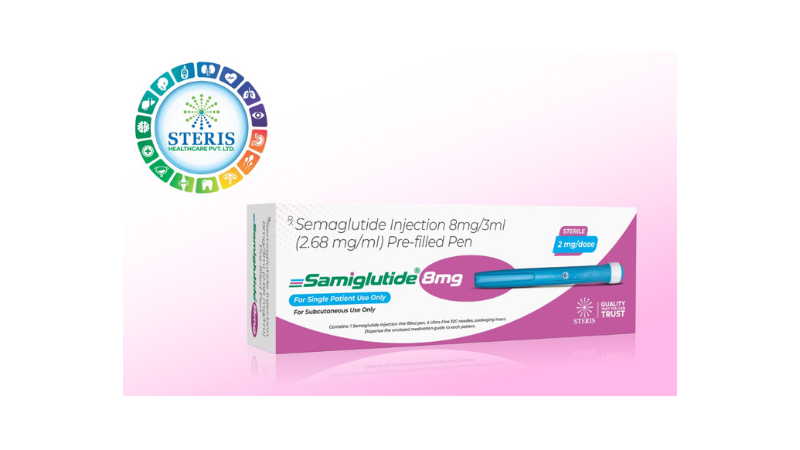
Semaglutide 8mg Injection: Frequently Asked Questions Answered by Experts
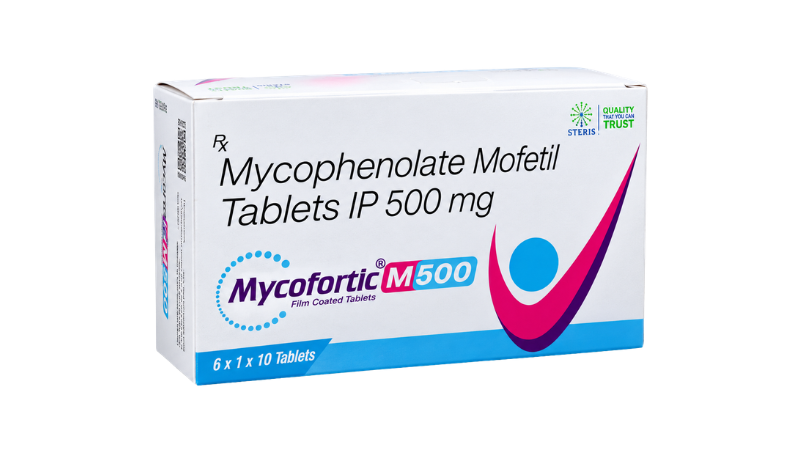
Mycophenolate Mofetil 500mg (Mycofortic M 500): Uses, Benefits & Precautions – Complete Guide
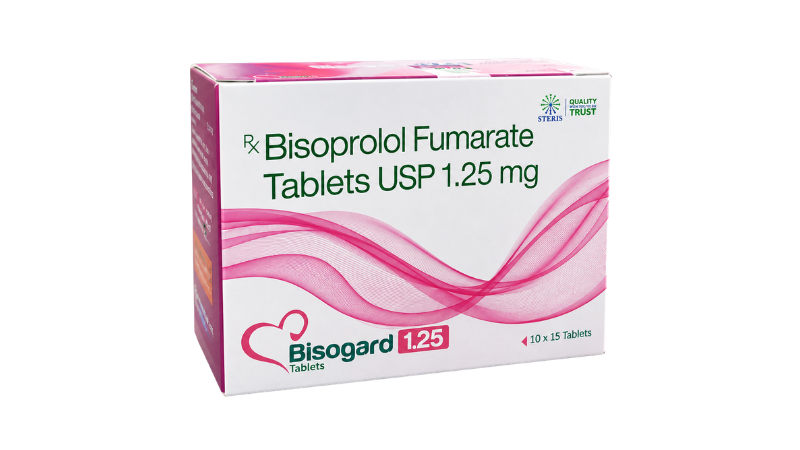
What is Bisogard 1.25? Bisoprolol 1.25mg Uses, Dosage & Side Effects Explained

Can Semaglutide Injection Be Used Without Diabetes?

What Are Nintedanib Soft Gelatin Capsules Used For? Complete Guide

Where to Buy Semaglutide Injection in India: Price, Pen & Prescription Guide
ERITOCOX BENZ 60/5 Dosage Guide: How to Take Etoricoxib & Cyclobenzaprine Tablets Safely
Gabapentin and Methylcobalamin Tablets Side Effects: What Patients Should Know
Thyroxine sodium tablets IP: उपयोग, फायदे और साइड इफेक्ट्स
Semaglutide 2 mg Injection Dosage Guide: How to Use It Safely

