


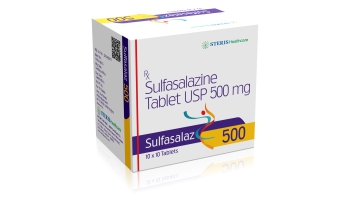



Sulfasalazine 500 mg 15 Tabs Blister
Jul 23, 2022
SULFASALAZ 500 15'S is a widely prescribed medication containing sulfasalazine 500 mg, designed to manage chronic inflammatory conditions, particularly those affecting the digestive tract and joints. As a trusted option in the treatment of ulcerative colitis, Crohn’s disease, and rheumatoid arthritis, it has gained prominence in the Indian healthcare market for its efficacy and safety when used appropriately.
Sulfasalazine belongs to a class of drugs known as aminosalicylates, which help reduce inflammation in the intestines and modulate the immune response in autoimmune conditions. Its dual role as an anti-inflammatory and immunomodulatory agent makes it particularly effective for managing symptoms and maintaining remission in chronic conditions.
Uses of SULFASALAZ 500 15'S
SULFASALAZ 500 15'S is primarily indicated for:
- Ulcerative Colitis:
- Helps reduce inflammation of the colon lining.
- Crohn’s Disease:
- Supports the treatment of mild to moderate Crohn’s disease affecting the intestines.
- Assists in maintaining long-term remission.
- Rheumatoid Arthritis:
- Reduces joint inflammation, swelling, and stiffness.
- Often prescribed as part of a combination therapy for better symptom management.
- Other Inflammatory Disorders:
- Occasionally used in other autoimmune conditions under a physician’s supervision.
Benefits of SULFASALAZ 500 15'S
The therapeutic advantages of SULFASALAZ 500 15'S extend beyond symptom control:
- Reduces Inflammation: Acts directly on the inflamed tissues, promoting healing and reducing discomfort.
- Maintains Remission: Helps prevent flare-ups in chronic intestinal conditions.
- Joint Protection: In rheumatoid arthritis, it slows disease progression and protects joint integrity.
- Improves Quality of Life: By controlling symptoms, patients experience better daily functioning and comfort.
- Safe for Long-Term Use: When monitored appropriately, it has a favorable safety profile for long-term therapy.
Dosage Guidelines
The dosage of SULFASALAZ 500 15'S varies depending on the condition being treated and the patient’s response:
- Ulcerative Colitis:
- Adults typically start with 2–4 grams daily, divided into 2–4 doses.
- Maintenance therapy may range from 1–2 grams daily.
- Crohn’s Disease:
- Initial doses often start at 2 grams daily, adjusted based on response.
- Rheumatoid Arthritis:
- Usually prescribed at 500 mg–1 g daily, gradually increasing to the effective dose under medical supervision.
Important: Always take SULFASALAZ 500 15'S after meals to minimize gastrointestinal discomfort. Drink plenty of water to support absorption and kidney function. Do not adjust the dose without consulting your doctor.
Side Effects
Like all medications, SULFASALAZ 500 15'S may cause side effects in some individuals. Common side effects include:
- Nausea or vomiting
- Loss of appetite
- Headache
- Dizziness
- Mild rash or itching
Serious side effects (seek immediate medical attention):
- Severe skin reactions or blistering
- Yellowing of eyes or skin (jaundice)
- Persistent fever or sore throat
- Unusual bruising or bleeding
- Shortness of breath or chest pain
Monitoring blood counts, liver function, and kidney function regularly is crucial, especially for long-term users.
Precautions and Warnings
Before starting SULFASALAZ 500 15'S, consider the following precautions:
- Allergies: Avoid if you are allergic to sulfasalazine, sulfonamides, or aspirin.
- Pregnancy & Lactation: Consult a doctor, as safety during pregnancy and breastfeeding requires careful monitoring.
- Interactions: May interact with blood thinners, methotrexate, and certain antibiotics.
- Regular Monitoring: Blood tests may be needed to monitor blood counts and liver/kidney health.
Lifestyle Tip: Maintaining a balanced diet and adequate hydration can help reduce gastrointestinal discomfort and enhance the medication’s effectiveness.
Conclusion
SULFASALAZ 500 15'S, with its active ingredient sulfasalazine 500 mg, is a cornerstone in the management of chronic inflammatory conditions like ulcerative colitis, Crohn’s disease, and rheumatoid arthritis. Its anti-inflammatory and immunomodulatory properties make it a reliable choice for symptom control, remission maintenance, and improving patients’ quality of life.
Recent Post
Polyethylene Glycol 3350 Powder: Uses, Dosage, Precautions, and Price
Probiotic Sachet with FOS, L-Glutamine & Colostrum – Uses and Benefits
How Telmisartan and Nebivolol Work to Manage High Blood Pressure
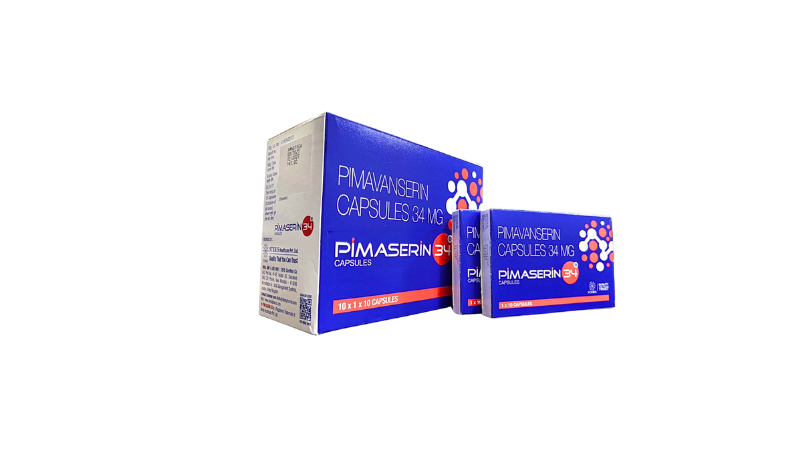
Pimavanserin 34 mg Capsules – Uses & Benefits
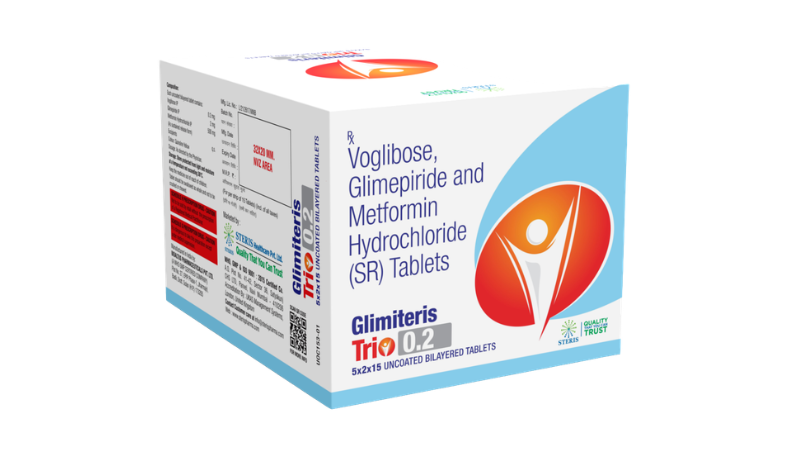
Voglibose, Glimepiride and Metformin: Uses, Benefits and Side Effects
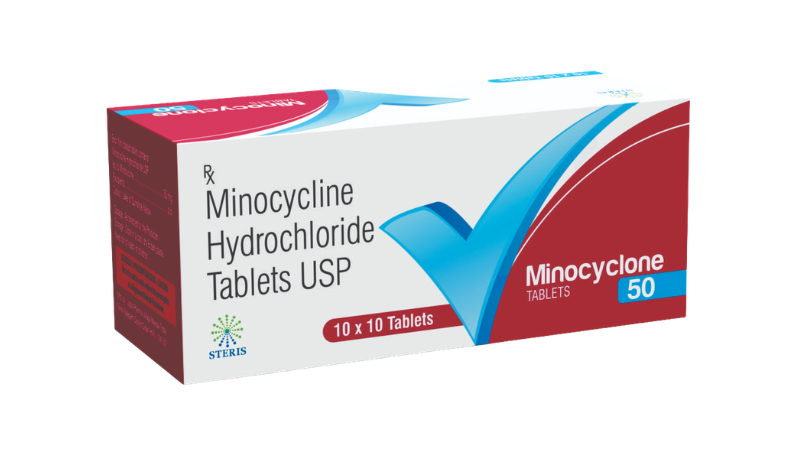
What Is Minocycline Hydrochloride Used For? A Complete Guide
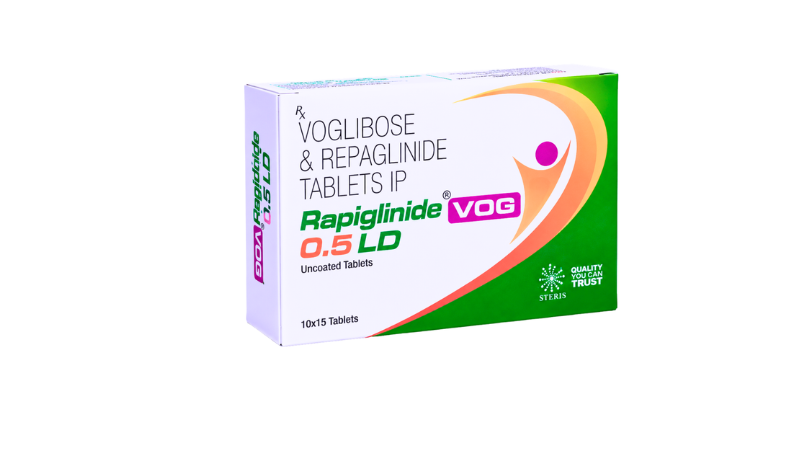
Voglibose and Repaglinide Tablets – Uses, Price & Buy Online in India
Amorphous Hydrogel with Colloidal Silver: Uses & Benefits
Donepezil Hydrochloride with Memantine Hydrochloride Uses, Benefits & Price in India
Amino Acid with Vitamin and Mineral Tablets Nutritional Support Explained

