


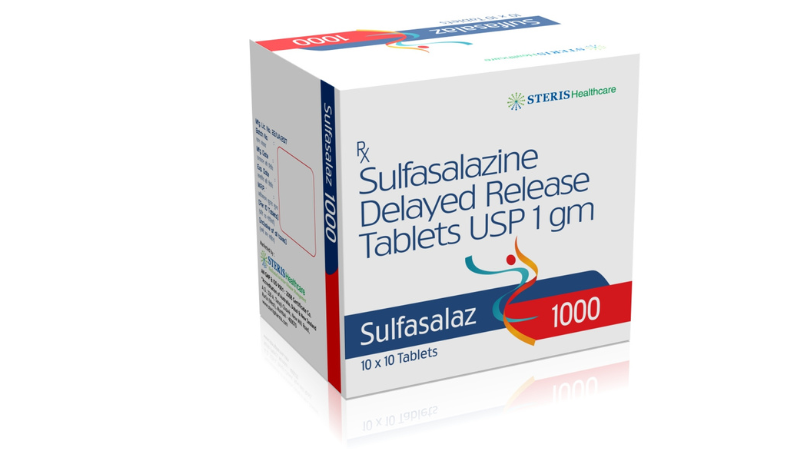



SULFASALAZ 1000 : Benefits, Uses, Safety , Precautions and Other Information.
Apr 20, 2024
What Is Sulfasalazine 1000 mg?
Sulfasalazine 1000 mg is a prescription medicine containing 1,000 mg of sulfasalazine. Depending on the product, it may be formulated as a delayed-release tablet, which is designed to release the medicine differently from an immediate-release tablet.
Sulfasalazine belongs to the aminosalicylate group of medicines and is used to reduce inflammation associated with certain inflammatory diseases. Official labeling for delayed-release sulfasalazine includes treatment of mild-to-moderate ulcerative colitis, adjunctive treatment in severe ulcerative colitis, maintenance of remission in ulcerative colitis, and treatment of rheumatoid arthritis when previous treatment with salicylates or NSAIDs has not provided an adequate response or has not been tolerated.
The medicine is prescription-only, and the appropriate strength and dosing schedule depend on the condition being treated, response to therapy, and individual tolerance.
Sulfasalazine 1000 mg Uses
1. Ulcerative Colitis
Sulfasalazine is used for mild-to-moderate ulcerative colitis and may be used as adjunctive treatment in severe disease. It can also help prolong the period between acute attacks, known as maintaining remission.
By reducing inflammation in the bowel, treatment can help control symptoms associated with active inflammatory bowel disease. Patients should not assume that symptom improvement means the disease has permanently disappeared; ongoing treatment may be recommended to help maintain remission.
2. Rheumatoid Arthritis
Sulfasalazine is also used for rheumatoid arthritis (RA). It is a disease-modifying medicine rather than a conventional fast-acting painkiller, so improvement may take time. Official prescribing information notes that some patients may begin responding after about four weeks, while others may require treatment for up to 12 weeks before the clinical benefit becomes clear.
3. Other Inflammatory Conditions
Sulfasalazine may also be prescribed for some inflammatory bowel conditions in clinical practice, including Crohn's disease, depending on the circumstances. However, the approved uses vary by country and formulation, so patients should follow the indication provided by their own doctor and product labeling.
Key Benefits of Sulfasalazine 1000 mg
The potential benefits of sulfasalazine 1000 mg depend on the condition being treated.
Potential benefits include:
- Helps reduce inflammation associated with ulcerative colitis.
- Can help control symptoms during inflammatory bowel disease treatment.
- May help maintain remission in ulcerative colitis.
- Can reduce inflammatory activity associated with rheumatoid arthritis.
- May reduce joint-related disease activity over time in appropriate RA patients.
- Can provide a disease-modifying treatment option rather than functioning solely as a short-term pain reliever.
It is important to understand that sulfasalazine does not generally provide an immediate effect. For rheumatoid arthritis, noticeable improvement can take several weeks and sometimes longer.
How to Take Sulfasalazine 1000 mg
The correct dose of sulfasalazine depends on the diagnosis, formulation, age, response, and tolerance. Therefore, do not start, stop, increase, or decrease sulfasalazine 1000 mg without medical advice.
For delayed-release tablets, official prescribing information instructs patients to take doses in evenly divided amounts, preferably after meals, and to swallow the tablets whole rather than crushing or chewing them.
For adult rheumatoid arthritis, the labeled regimen commonly starts at a lower dose and is gradually increased according to tolerance, with a commonly referenced target of 2 g per day and possible adjustment by the prescriber when clinically appropriate.
For ulcerative colitis, labeled adult dosing can be considerably different from rheumatoid arthritis dosing, demonstrating why a 1000 mg tablet does not automatically mean that one tablet is the correct daily dose.
Important: 1000 mg does not mean “take one tablet daily”
The number 1000 mg describes the amount of active sulfasalazine in that particular tablet. Your prescribed schedule may require one or more doses per day, depending on the disease and formulation. Always follow the prescription label.
Sulfasalazine 1000 mg Side Effects
Like other prescription medicines, sulfasalazine can cause side effects. Many people experience no serious problems, while others may develop gastrointestinal or other reactions.
Common Side Effects
Potential side effects include:
- Nausea
- Vomiting
- Indigestion or stomach discomfort
- Headache
- Abdominal pain
- Dizziness
- Rash or itching
- Reduced appetite
- Difficulty sleeping
- Ringing in the ears
The official delayed-release labeling reports nausea, dyspepsia, rash, headache, abdominal pain, vomiting, fever, dizziness, stomatitis and itching among adverse reactions observed in rheumatoid arthritis studies.
A harmless orange or yellow-orange discoloration of urine can also occur with sulfasalazine. The NHS notes that this is generally nothing to worry about, although patients should distinguish this expected discoloration from other symptoms of illness.
Serious Side Effects
Rare but potentially serious reactions can involve the blood, liver, kidneys, skin, or immune system. Seek urgent medical attention for symptoms such as severe skin rash or blistering, fever with sore throat, unusual bruising or bleeding, significant weakness, reduced urine output, or yellowing of the skin or eyes.
Sulfasalazine can also cause laboratory abnormalities, which is one reason medical monitoring is important during treatment.
Monitoring and Safety Information
Before and during sulfasalazine treatment, doctors may monitor complete blood counts, liver function, kidney function and urine tests. The current delayed-release prescribing information recommends baseline blood counts and liver testing followed by regular monitoring during treatment.
Tell your doctor if you have:
- A previous allergy to sulfasalazine, sulfonamides or salicylates
- Kidney or liver problems
- Blood disorders
- A history of serious drug reactions
- Intestinal or urinary obstruction
- Porphyria
- Pregnancy or plans to become pregnant
- Other prescription, OTC or herbal medicines you are taking
Sulfasalazine is contraindicated in people with hypersensitivity to sulfasalazine, its metabolites, sulfonamides or salicylates, as well as certain other conditions specified in its prescribing information.
Sulfasalazine 1000 mg: Buyer-Intent Information
Because sulfasalazine is a prescription medicine, a legitimate pharmacy should require an appropriate prescription where required by local law. Check the package for:
- Correct active ingredient: sulfasalazine
- Correct strength: 1000 mg
- Correct formulation, such as delayed-release
- Manufacturer and batch information
- Expiry date
- Proper pharmacy labeling
- Prescription requirements
Do not select a medicine solely because the tablet has the same milligram strength. Immediate-release and delayed-release formulations can have different administration instructions and may not be interchangeable without professional guidance.
Conclusion
Sulfasalazine 1000 mg is an important prescription anti-inflammatory medicine used particularly for ulcerative colitis and rheumatoid arthritis. Its potential benefits include reducing inflammatory activity, controlling symptoms of ulcerative colitis, helping maintain remission, and providing disease-modifying treatment for appropriate rheumatoid arthritis patients.
However, sulfasalazine is not a medicine that should be self-dosed based solely on the 1000 mg strength. The appropriate dose varies considerably according to the condition and formulation. It can also cause gastrointestinal side effects and, rarely, serious blood, liver, kidney or skin reactions. Regular medical monitoring is therefore an important part of safe treatment.
Frequently Asked Questions About Sulfasalazine 1000 mg
1. What is sulfasalazine 1000 mg used for?
Sulfasalazine 1000 mg is used primarily for inflammatory conditions such as ulcerative colitis and rheumatoid arthritis, depending on the specific formulation and prescribing indication. Delayed-release sulfasalazine is officially indicated for ulcerative colitis and certain rheumatoid arthritis patients.
2. Is sulfasalazine 1000 mg a painkiller?
No. Sulfasalazine is not simply a conventional painkiller. It works by reducing inflammatory activity and, in rheumatoid arthritis, is used as a disease-modifying treatment. Its effects generally develop over weeks rather than immediately.
3. How long does sulfasalazine take to work?
The response varies. In rheumatoid arthritis, improvement may begin after approximately four weeks, but some people may need around 12 weeks to experience the full clinical benefit.
4. What are the most common side effects of sulfasalazine 1000 mg?
Common reactions can include nausea, indigestion, stomach discomfort, headache, vomiting, dizziness, rash and itching. Orange-colored urine can also occur and is generally harmless.
5. Can sulfasalazine 1000 mg cause orange urine?
Yes. Orange or yellow-orange urine is a known effect of sulfasalazine and is generally harmless.
6. Can I stop sulfasalazine 1000 mg when I feel better?
Do not stop long-term sulfasalazine treatment without discussing it with your doctor. In conditions such as ulcerative colitis and rheumatoid arthritis, continuing appropriate maintenance treatment may be important for controlling the disease and reducing relapse or disease activity.
7. Should sulfasalazine 1000 mg be taken with food?
For delayed-release sulfasalazine, the prescribing information recommends taking doses in evenly divided amounts, preferably after meals, and swallowing the tablets whole. Follow your specific prescription and package instructions.
8. Is sulfasalazine 1000 mg available without a prescription?
Sulfasalazine is generally a prescription-only medicine. Availability and prescription requirements can vary by country, so purchase it through a legitimate pharmacy and use it only as directed by a qualified healthcare professional.
9. Is sulfasalazine an anti inflammatory?
Yes. Sulfasalazine is an anti-inflammatory medicine used mainly for rheumatoid arthritis and inflammatory bowel disease.
Recent Post
Semaglutide 4mg vs Pancreatitis Risk: What Doctors Want You to Know
Semaglutide 8mg Injection: Frequently Asked Questions Answered by Experts
Mycophenolate Mofetil 500mg (Mycofortic M 500): Uses, Benefits & Precautions – Complete Guide
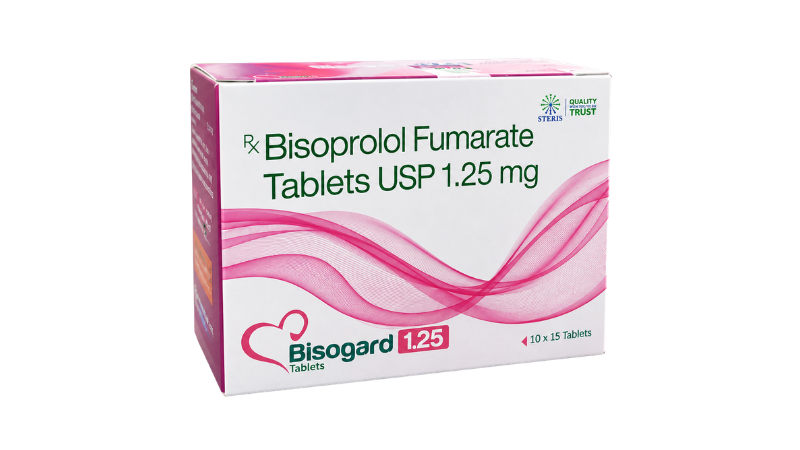
What is Bisogard 1.25? Bisoprolol 1.25mg Uses, Dosage & Side Effects Explained
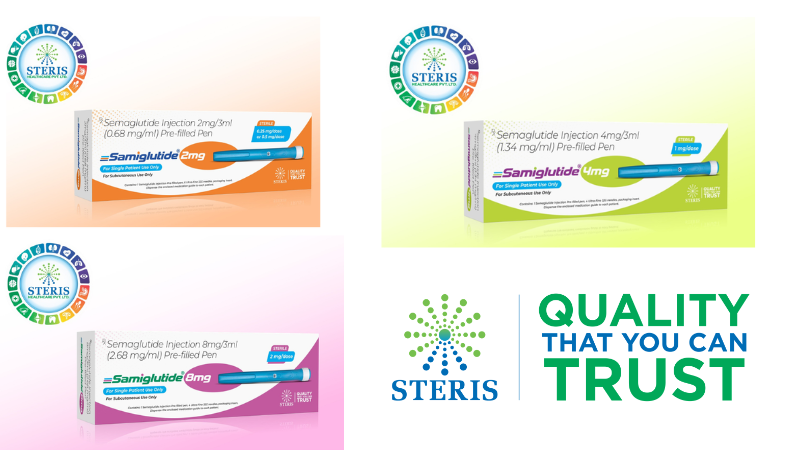
Can Semaglutide Injection Be Used Without Diabetes?
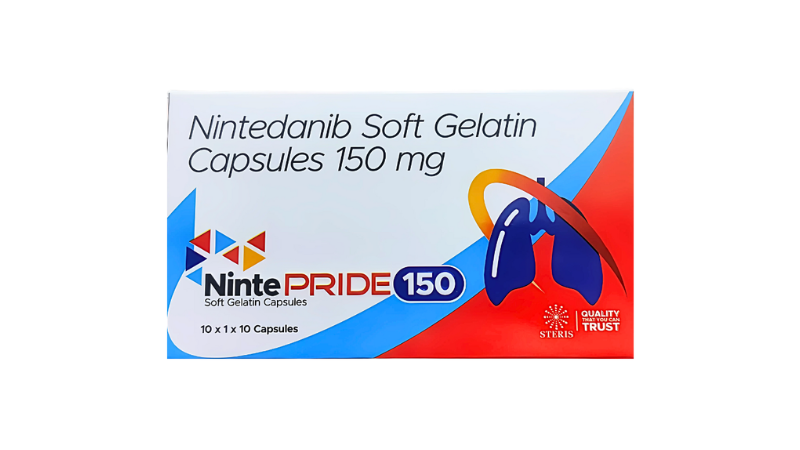
What Are Nintedanib Soft Gelatin Capsules Used For? Complete Guide
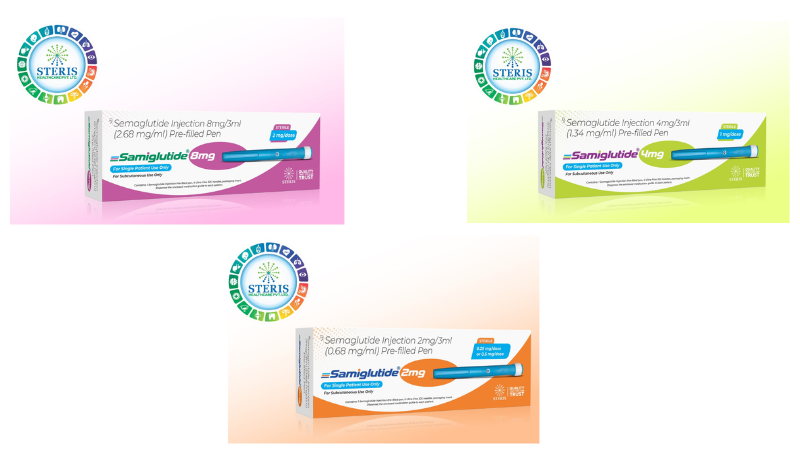
Where to Buy Semaglutide Injection in India: Price, Pen & Prescription Guide
ERITOCOX BENZ 60/5 Dosage Guide: How to Take Etoricoxib & Cyclobenzaprine Tablets Safely
Gabapentin and Methylcobalamin Tablets Side Effects: What Patients Should Know
Thyroxine sodium tablets IP: उपयोग, फायदे और साइड इफेक्ट्स