


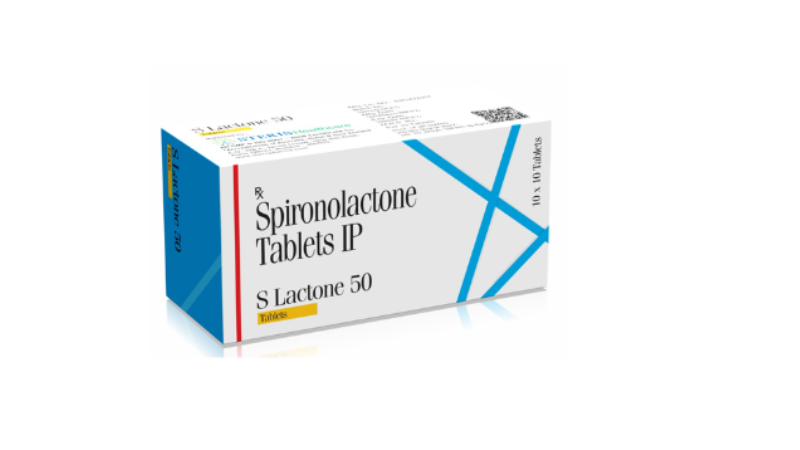



Spironolactone 50mg: Uses & Dosage
Jul 04, 2024
What Is a Spironolactone Tablet?
Spironolactone is a potassium-sparing diuretic. Unlike some diuretics that can cause potassium levels to fall, spironolactone reduces the action of the hormone aldosterone and helps the kidneys remove sodium and water while retaining potassium. This mechanism can help reduce fluid retention and, in appropriate patients, improve symptoms associated with conditions such as heart failure or edema.
The medicine is also an aldosterone antagonist, meaning that it blocks aldosterone's effects. Because aldosterone influences fluid balance and blood pressure, blocking its action can have clinically useful effects in several conditions.
What Is Spironolactone Medication Used For
The specific use depends on the patient's medical condition and the healthcare professional's treatment plan. FDA prescribing information lists spironolactone for several indications, including:
- Heart failure: Spironolactone may be used in appropriately selected patients with certain forms of heart failure.
- Edema or fluid retention: It can help manage excess fluid associated with conditions such as cirrhosis and nephrotic syndrome.
- Primary hyperaldosteronism: It may be used for diagnosis and treatment or as part of management when excessive aldosterone production is present.
- Hypertension: Spironolactone may be prescribed as part of a blood-pressure treatment strategy in appropriate patients.
Spironolactone is also sometimes prescribed off-label for hormonal acne in women, particularly when acne is associated with androgen-related hormonal activity. This use should be distinguished from the medicine's FDA-approved indications. NHS patient information for spironolactone used for acne describes possible menstrual changes and breast tenderness among potential adverse effects.
Key Benefits of Spironolactone Tablets
When prescribed for an appropriate medical reason, spironolactone may offer several clinically relevant benefits.
1. Helps reduce excess fluid
As a diuretic, spironolactone promotes the removal of sodium and water through the kidneys. This can help reduce fluid accumulation and associated swelling in certain conditions.
2. Helps counter excess aldosterone
Because spironolactone blocks aldosterone, it can be particularly useful when aldosterone activity contributes to fluid retention, high blood pressure, or other cardiovascular effects.
3. May support heart-failure treatment
For selected patients with heart failure, spironolactone can form part of an evidence-based treatment regimen. The FDA label specifically includes treatment of NYHA Class III-IV heart failure in appropriate patients.
4. May help manage difficult-to-control blood pressure
Spironolactone can be used in selected patients whose hypertension requires additional treatment. It is particularly relevant when excess aldosterone contributes to high blood pressure.
5. May improve hormonal acne in selected patients
Although acne treatment is generally an off-label use, dermatology and specialist services may prescribe spironolactone for adult women with hormonally influenced acne. Treatment decisions depend on individual circumstances, contraindications, and monitoring requirements.
Common Spironolactone Tablet Side Effects
Like all medicines, spironolactone can cause side effects. Common effects reported by reputable medicines information sources include:
- Dizziness or light-headedness
- Nausea or feeling sick
- Stomach discomfort or diarrhea
- Tiredness or low energy
- Muscle cramps
- Breast tenderness or enlargement
- Menstrual irregularities in some women
Some side effects may improve as the body adjusts to treatment. However, persistent, severe, or worsening symptoms should be discussed with a healthcare professional.
Important Serious Side Effects and Safety Concerns
One of the most important safety concerns with spironolactone is hyperkalemia, meaning potassium levels become too high. Because spironolactone is potassium-sparing, the risk can be greater in people with impaired kidney function or in those taking other medicines that increase potassium.
High potassium can sometimes cause muscle weakness, abnormal heart rhythms, or other serious complications. For this reason, healthcare professionals may recommend blood tests to monitor potassium and kidney function during treatment.
Seek urgent medical attention for symptoms such as severe weakness, an unusual or irregular heartbeat, fainting, serious allergic symptoms, or other severe reactions.
Who Should Be Careful With Spironolactone?
Spironolactone is not suitable for everyone. The FDA labeling lists important contraindications, including hyperkalemia, Addison's disease, and concomitant use of eplerenone.
Tell your healthcare professional if you have:
- Kidney disease or reduced kidney function
- High potassium levels
- Liver disease
- Addison's disease
- Heart disease
- A history of low blood pressure
- Pregnancy or plans to become pregnant
- Other medicines or supplements that may affect potassium
Pregnancy considerations are particularly important. Product labeling and pregnancy information indicate that spironolactone may not be appropriate during pregnancy, so anyone who is pregnant, planning pregnancy, or could become pregnant should discuss treatment with a healthcare professional before taking it.
Spironolactone and Other Medicines
Before taking spironolactone, provide your healthcare professional with a complete list of prescription medicines, over-the-counter medicines, vitamins, and supplements.
Particular attention may be needed with medicines or products that can increase potassium or affect kidney function. Potassium supplements and potassium-containing salt substitutes may also require caution. Some pain medicines, including NSAIDs, can be relevant to spironolactone treatment and should not be added routinely without appropriate medical advice.
Do not stop or change a prescribed spironolactone dose simply because you feel better. Treatment should be adjusted by the prescribing professional.
How to Take Spironolactone Tablets
Take spironolactone exactly as prescribed. NHS guidance advises taking the tablet with a meal, swallowing it with water rather than chewing it. If a dose is missed, the usual advice is to take it when remembered unless it is nearly time for the next dose; a double dose should not be taken to compensate for a missed dose.
The appropriate dose varies considerably according to the condition being treated, age, kidney function, other medicines, and individual response. Therefore, an online product description should not be used to determine a personal spironolactone dose.
Is Spironolactone a Water Pill?
Yes. Spironolactone is a potassium-sparing diuretic, commonly described as a water pill. However, it is different from many conventional diuretics because it helps the body eliminate sodium and water while reducing potassium loss.
Is Spironolactone Used for Acne?
Yes, doctors may prescribe spironolactone off-label for acne in adult women, particularly when hormonal factors appear to contribute to breakouts. It is not simply an acne medicine for everyone, and it should not be self-started for cosmetic purposes.
Potential hormonal adverse effects include breast tenderness and irregular menstrual periods. A clinician can determine whether spironolactone is appropriate and whether monitoring or an alternative treatment is needed.
Frequently Asked Questions About Spironolactone Tablets
1. What is spironolactone tablet used for?
Spironolactone tablets are used for several conditions, including certain cases of heart failure, edema, hypertension, and primary hyperaldosteronism. Doctors may also prescribe spironolactone off-label for hormonal acne in selected women. Data+1
2. What are the main benefits of spironolactone tablets?
The main benefits depend on why the medicine has been prescribed. Spironolactone can help reduce excess fluid, counter aldosterone activity, and support treatment of certain cardiovascular and hormonal conditions. It may also help selected women with hormonal acne.
3. What are the most common side effects of spironolactone?
Common side effects can include dizziness, nausea, tiredness, muscle cramps, stomach upset, breast tenderness or enlargement, and menstrual irregularities.
4. Can spironolactone cause high potassium?
Yes. High potassium, or hyperkalemia, is an important potential risk of spironolactone. The risk can be higher in people with kidney problems or those taking certain other medicines. Medical professionals may use blood tests to monitor potassium and kidney function.
5. Is spironolactone a diuretic or water pill?
Yes. Spironolactone is a potassium-sparing diuretic. It helps the body remove sodium and water while helping retain potassium.
6. Can women take spironolactone for acne?
A healthcare professional may prescribe spironolactone off-label for hormonal acne in adult women. It is not suitable for everyone, and potential effects such as breast tenderness and menstrual irregularities should be discussed before treatment.
7. Can I take spironolactone without a prescription?
Spironolactone is a prescription medicine and should be used under appropriate medical supervision. Because it can affect potassium levels, blood pressure, and kidney function, self-medication is not recommended.
8. Can spironolactone be taken long term?
Some people take spironolactone for long-term treatment when clinically appropriate. Long-term use should be supervised by a healthcare professional, with monitoring determined by the individual's condition, kidney function, potassium level, and other medicines.
9. What should I do if I miss a spironolactone dose?
If you forget a dose, follow the instructions provided with your medicine. NHS guidance advises taking the missed dose when remembered unless it is nearly time for the next dose; do not take two doses together to make up for a missed dose.
10. Is spironolactone safe for everyone?
No. Spironolactone may be unsuitable for people with certain medical conditions, including high potassium or Addison's disease, and important medicine interactions can occur. A healthcare professional should assess whether it is appropriate for you.
Conclusion
Spironolactone tablet is a clinically important prescription medicine used primarily for conditions involving fluid retention, aldosterone activity, heart failure, hypertension, and certain other medical conditions. Its potassium-sparing action can provide important treatment benefits, but it also means that potassium and kidney function may require careful attention. Common side effects include dizziness, nausea, tiredness, cramps, breast tenderness, and menstrual changes, while high potassium is an important potentially serious risk.
Recent Post
Semaglutide 4mg vs Pancreatitis Risk: What Doctors Want You to Know
Semaglutide 8mg Injection: Frequently Asked Questions Answered by Experts
Mycophenolate Mofetil 500mg (Mycofortic M 500): Uses, Benefits & Precautions – Complete Guide
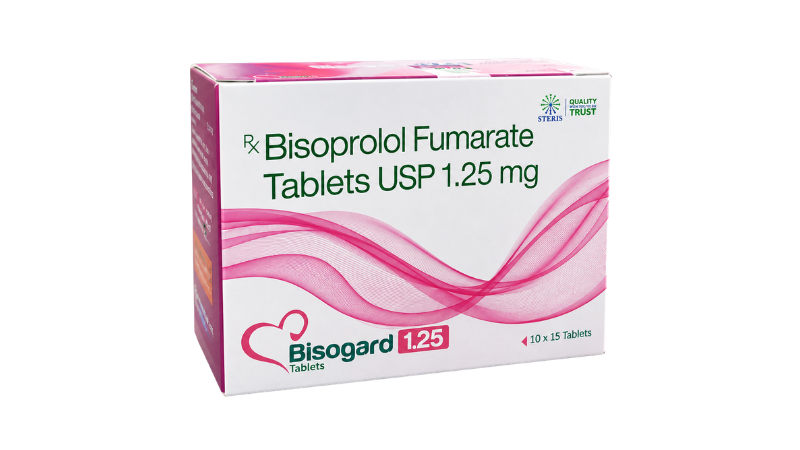
What is Bisogard 1.25? Bisoprolol 1.25mg Uses, Dosage & Side Effects Explained

Can Semaglutide Injection Be Used Without Diabetes?
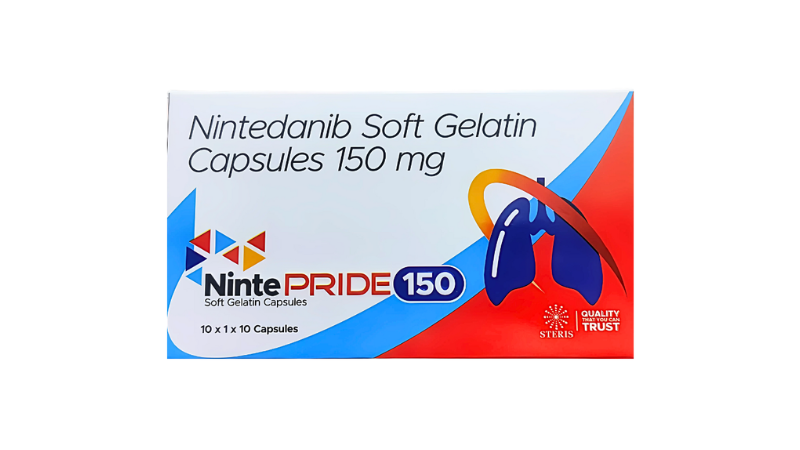
What Are Nintedanib Soft Gelatin Capsules Used For? Complete Guide
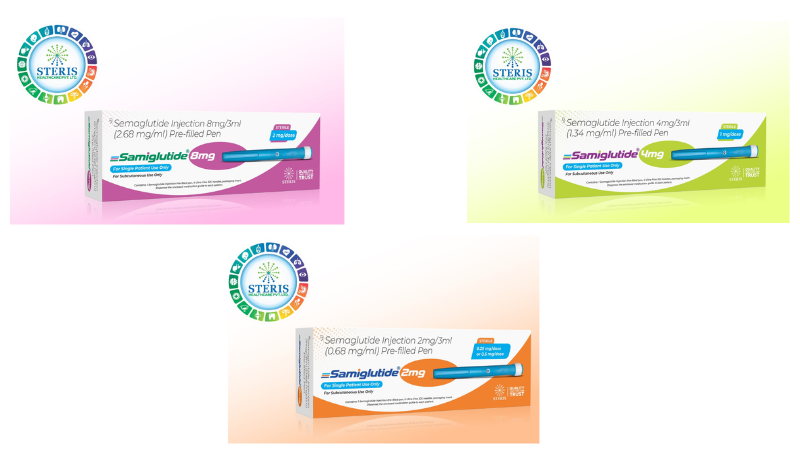
Where to Buy Semaglutide Injection in India: Price, Pen & Prescription Guide
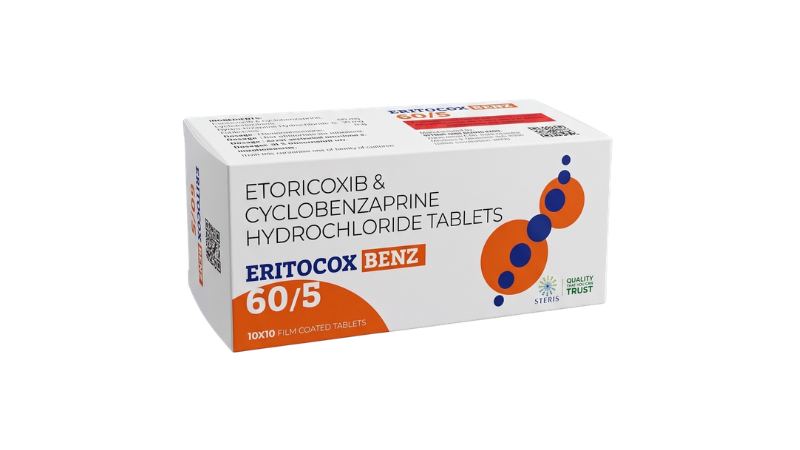
ERITOCOX BENZ 60/5 Dosage Guide: How to Take Etoricoxib & Cyclobenzaprine Tablets Safely
Gabapentin and Methylcobalamin Tablets Side Effects: What Patients Should Know
Thyroxine sodium tablets IP: उपयोग, फायदे और साइड इफेक्ट्स