


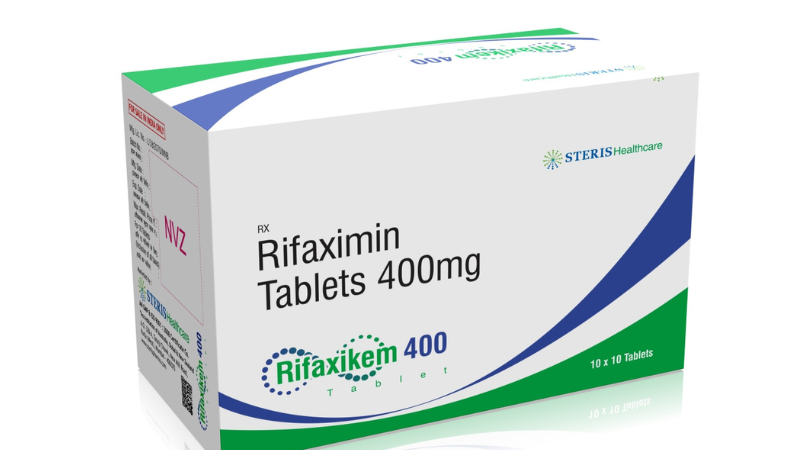



Rifaximin (400mg) & RIFAXIKEM-400 : Tablet Uses, Side Effects, Interactions, Dosage and Call to Action.
May 24, 2024
Rifaximin (400mg)
RIFAXIKEM-400
Rifaximin 400mg is a gut-targeted antibiotic used to treat infectious diarrhea, irritable bowel syndrome with diarrhea (IBS-D), and small intestinal bacterial overgrowth (SIBO). It works locally in the intestines with minimal absorption into the bloodstream, making it a preferred option for repeated or long-term use.
What Is Rifaximin 400mg?
Rifaximin 400mg is a non-systemic antibiotic tablet that acts locally within the gastrointestinal tract to reduce harmful bacteria. It is prescribed for traveler's diarrhea, hepatic encephalopathy, and irritable bowel syndrome with diarrhea (IBS-D).
Unlike conventional antibiotics that spread through the bloodstream, Rifaximin stays concentrated in the gut, targeting bacteria at the source of infection. This localized mechanism reduces systemic drug exposure, which is why doctors frequently choose it for patients who need repeated courses or long-term therapy, particularly those managing liver-related complications like hepatic encephalopathy.
This gut-selective profile also means Rifaximin carries a lower risk of the whole-body side effects associated with systemic antibiotics, such as widespread disruption of beneficial bacteria outside the digestive tract. For patients who require recurring treatment cycles — as is common in hepatic encephalopathy management — this translates into a more predictable long-term safety profile. Doctors also value Rifaximin's low potential for drug resistance development compared to broadly absorbed antibiotics, since its action remains concentrated within the intestinal environment rather than circulating systemically.
How Rifaximin 400mg Works
- Binds to bacterial RNA polymerase – blocks the enzyme bacteria need to synthesize proteins
- Stops bacterial replication – prevents E. coli and related gut pathogens from multiplying
- Stays local to the intestines – less than 1% is absorbed into systemic circulation
- Lowers ammonia-producing bacteria – helps reduce blood ammonia in liver disease
- Restores healthy gut flora balance – supports normal bowel movement as bacterial overgrowth clears
Clinical Indications
| Condition | Role of Rifaximin 400mg |
|---|---|
| Traveler's diarrhea | Reduces non-invasive E. coli bacterial load |
| Hepatic encephalopathy | Lowers ammonia-producing gut bacteria |
| IBS-D | Eases bloating, cramping, and loose stools |
| SIBO | Reduces excess bacteria in the small intestine |
Dosage Overview
| Condition | Typical Adult Dose | Duration |
|---|---|---|
| Traveler's diarrhea | 400mg, 2–3 times daily | 3 days |
| Hepatic encephalopathy | 400mg, 2–3 times daily | Long-term, doctor-guided |
| IBS-D | 400mg, 3 times daily | 14 days |
Precautions & Side Effects
Common side effects include nausea, headache, mild abdominal discomfort, and dizziness. Seek medical attention for signs of allergic reaction, persistent diarrhea, or symptoms of liver dysfunction such as yellowing skin or dark urine. Rifaximin should not be used to self-treat diarrhea with fever or blood in stool, as this may indicate an invasive infection requiring different treatment.
Who should be cautious with Rifaximin 400mg:
- Patients with severe liver impairment (dose adjustment may be needed)
- Pregnant or breastfeeding individuals (only under medical supervision)
- Patients with known hypersensitivity to rifamycin antibiotics
- Those with diarrhea accompanied by high fever or blood in stool, which needs separate diagnosis
Key Statistics
| Metric | Value | Source |
|---|---|---|
| Systemic absorption | Less than 1% reaches bloodstream | Manufacturer prescribing information |
| Hepatic encephalopathy recurrence | Significantly reduced vs placebo | Peer-reviewed hepatology trials |
| Traveler's diarrhea resolution | Most non-invasive cases resolve in 3 days | Clinical trial data |
Rifaximin 400mg vs Other Gut Antibiotics
| Factor | Rifaximin | Metronidazole | Ciprofloxacin |
|---|---|---|---|
| Systemic absorption | Minimal | Moderate | High |
| Used in hepatic encephalopathy | Yes | No | No |
| Long-term use suitability | Favorable | Limited | Limited |
| Typical course | 3–14 days | 5–7 days | 3–5 days |
Conclusion
Rifaximin 400mg stands out among gut-related antibiotics for its localized action and minimal systemic absorption, making it a reliable option for traveler's diarrhea, IBS-D, and long-term hepatic encephalopathy management. Its targeted mechanism reduces the risk of whole-body side effects while still effectively controlling harmful gut bacteria.
For patients managing chronic conditions like recurrent hepatic encephalopathy, this non-systemic action offers a meaningful advantage over antibiotics that circulate throughout the body — fewer interactions, a more predictable tolerability profile, and suitability for repeated courses over time. For short-term needs like traveler's diarrhea, its fast onset of action makes it a practical choice for travelers and patients seeking quick symptom relief.
As with any prescription antibiotic, correct diagnosis and doctor supervision are essential to safe, effective use. Self-medicating with antibiotics — even gut-selective ones like Rifaximin — can mask underlying conditions or contribute to inappropriate use. If you're dealing with persistent digestive symptoms, unexplained bloating, or a history of liver-related complications, speak with your doctor to check if Rifaximin 400mg is the right treatment for you.
Price – Prescription only – consult your doctor.
Frequently Asked Questions
What is Rifaximin 400mg used for?
Rifaximin 400mg treats traveler's diarrhea, hepatic encephalopathy, and IBS-D by reducing harmful gut bacteria.
Is Rifaximin 400mg safe for long-term use?
Yes, it's often prescribed long-term for hepatic encephalopathy due to its low systemic absorption.
How fast does Rifaximin 400mg start working?
Many patients notice improvement within 24–48 hours for traveler's diarrhea symptoms.
Does Rifaximin 400mg require a prescription?
Yes, it's a Schedule H drug and cannot be purchased without a doctor's prescription.
What is the price of Rifaximin 400mg?
Price varies by pack size and pharmacy; check your nearest pharmacy or online platform for current rates.
What are the common side effects of Rifaximin 400mg?
Nausea, headache, mild abdominal discomfort, and occasional dizziness are commonly reported.
For further information:
EMAIL: info@sterispharma.com / contact@sterispharma.com
CALL/WHATSAPP: 7877551268, 7849827488
BUY NOW
Recent Post
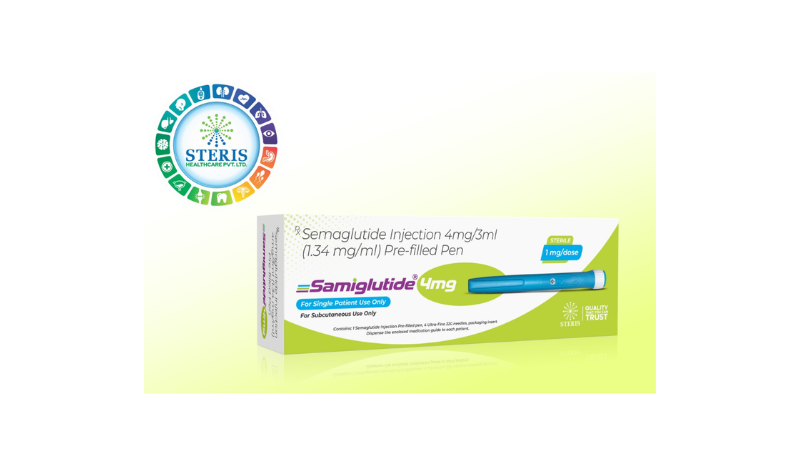
Semaglutide 4mg vs Pancreatitis Risk: What Doctors Want You to Know
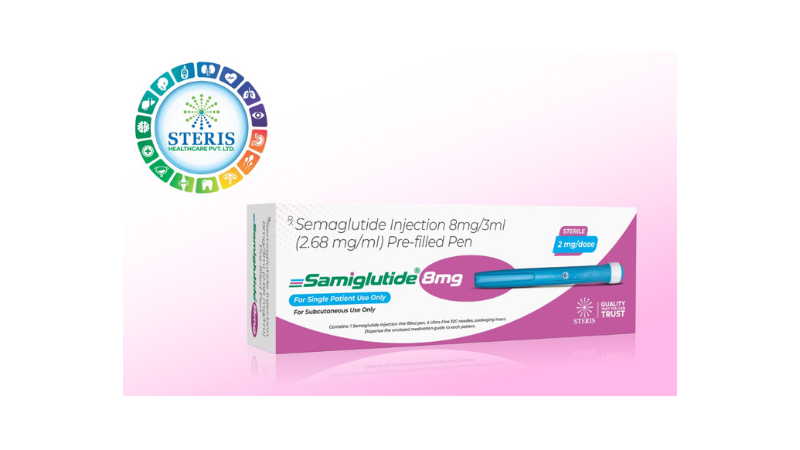
Semaglutide 8mg Injection: Frequently Asked Questions Answered by Experts
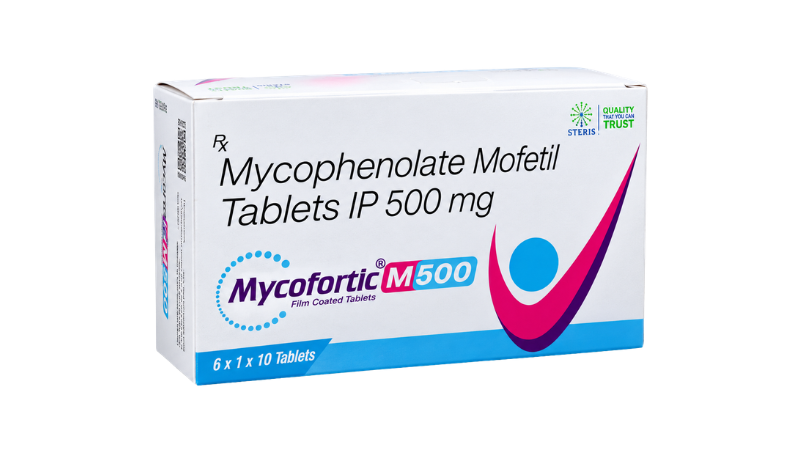
Mycophenolate Mofetil 500mg (Mycofortic M 500): Uses, Benefits & Precautions – Complete Guide
What is Bisogard 1.25? Bisoprolol 1.25mg Uses, Dosage & Side Effects Explained

Can Semaglutide Injection Be Used Without Diabetes?
What Are Nintedanib Soft Gelatin Capsules Used For? Complete Guide
Where to Buy Semaglutide Injection in India: Price, Pen & Prescription Guide
ERITOCOX BENZ 60/5 Dosage Guide: How to Take Etoricoxib & Cyclobenzaprine Tablets Safely
Gabapentin and Methylcobalamin Tablets Side Effects: What Patients Should Know
Thyroxine sodium tablets IP: उपयोग, फायदे और साइड इफेक्ट्स

