


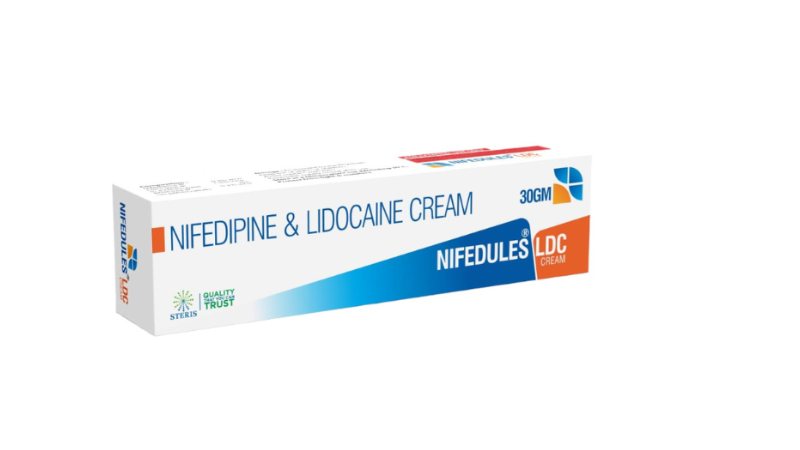



"Nifedipine Lidocaine Cream: NIFEDULES LDC - Uses & Dosage"
Jun 12, 2024
NIFEDULES LDC
Nifedipine & Lidocaine Cream
Introduction
Anorectal disorders, particularly chronic anal fissures and complicated hemorrhoids, present some of the most agonizing, disruptive, and distressing clinical symptoms in gastroenterology and proctology. For patients navigating the sharp, razor-like pain of a tearing anoderm during defecation, finding a rapid, highly effective, non-surgical solution is a top therapeutic priority.
Enter Nifedipine & Lidocaine Cream indicated for the management of anal fissures, hemorrhoids (piles), and post-hemorrhoidectomy pain. This dual-action topical treatment is engineered precisely to break the painful cycle of internal anal sphincter spasms, local tissue ischemia, and delayed epithelial healing.
What is Nifedipine & Lidocaine Cream used for?
Nifedipine & Lidocaine Cream is a prescription-grade, specialized multi-ingredient topical formulation primarily indicated for the conservative management of acute and chronic anal fissures, as well as pain management associated with thrombosed hemorrhoids and post-hemorrhoidectomy recovery.
An anal fissure is a small, linear tear or ulceration in the specialized lining of the anal canal (the anoderm). When this area is traumatized—frequently by the passage of hard, large stools due to severe constipation—it triggers an immediate, involuntary contraction of the underlying muscle. This condition is medically recognized as internal anal sphincter hypertonia.
NIFEDULES LDC by Steris Healthcare targets this exact pathology to resolve:
-
Chronic Anal Fissures: Deep tears extending down to the visible muscle fibers of the internal sphincter that have persisted for more than 6 to 8 weeks.
-
Acute Anal Fissures: Recent, superficial lacerations of the anoderm accompanied by severe pain and bright red bleeding per rectum.
-
Hemorrhoidal Discomfort & Spasms: Pain caused by internal or external hemorrhoids that induce secondary pelvic floor and sphincter tightening.
-
Post-Surgical Anal Pain: Managing post-operative spasm and distress following standard hemorrhoidectomies or lateral internal sphincterotomies.
Why its important
Understanding why Nifedipine & Lidocaine Cream is critical to anorectal recovery requires analyzing the anatomy of a healing fissure. When a tear occurs, the body's natural defense mechanism is to contract the muscle to protect the wound. However, in the anal canal, this persistent contraction (spasm) compresses the local microscopic blood vessels, reducing microvascular perfusion to the posterior and anterior midlines—zones that naturally possess a lower baseline blood supply.
This reduction in blood supply causes localized tissue ischemia (lack of blood flow). Without oxygenated blood carrying vital cellular nutrients, the anoderm cannot undergo re-epithelialization. The wound stays open, the next bowel movement reinjures it, and the spasm intensifies, trapping the patient in a debilitating loop of pain and non-healing.
NIFEDULES LDC acts as an essential pharmacological intervention to break this self-sustaining cycle. By combining a powerful local anesthetic with an active calcium channel blocker, it concurrently blunts the sensory transmission of pain and physically forces the hypertonic muscle to relax, re-establishing tissue perfusion and kick-starting rapid healing without requiring invasive surgery.
Key Benefits of NIFEDULES LDC
Using NIFEDULES LDC under medical supervision offers a highly optimized, safe approach to managing anorectal distress. It bridges the gap between basic dietary alterations and the structural risks associated with surgical intervention.
What are the benefits
-
Rapid Pain Abatement: The inclusion of Lidocaine ensures that within minutes of application, intense local nerve pathways are blocked, giving patients instant, reliable relief from burning and throbbing.
-
Surgical Avoidance: Historically, the gold standard for non-healing fissures was a Lateral Internal Sphincterotomy (LIS)—a surgical cutting of the anal muscle. NIFEDULES LDC performs a temporary, safe "chemical sphincterotomy," matching surgical success rates without any of the structural cutting risks.
-
No Risk of Fecal Incontinence: A primary complication of surgical sphincterotomy is permanent fecal or flatus incontinence (accidental leakage) due to over-weakening of the sphincter. The muscle relaxation induced by NIFEDULES LDC is completely reversible and local, keeping bowel control intact.
-
Superiority Over Standard Nitro Creams: Traditional Nitroglycerin (Glyceryl Trinitrate or GTN) ointments are notorious for inducing severe, throbbing systemic headaches due to systemic vasodilation. Clinical data shows that topical Nifedipine presents a virtually negligible incidence of headaches, resulting in much higher patient adherence.
-
Enhanced Healing Rates: By chemically lowering resting anal pressure, the cream accelerates tissue regeneration up to several times faster than simple placebos or standalone local anesthetics.
Technical Composition and Mechanism of Action
To truly appreciate the efficacy of NIFEDULES LDC by Steris Healthcare, we must evaluate the synergetic mechanisms of its active chemical compounds:
+--------------------------------------------------------------------------+
|                        NIFEDULES LDC CREAM                               |
|                                                                          |
|   [ Nifedipine 0.3% w/w ]                     [ Lidocaine 1.5% w/w ]     |
|   • Calcium Channel Blocker                   • Local Amide Anesthetic   |
|   • Blocks intracellular Ca2+ influx          • Blocks voltage-gated Na+ |
|   • Relaxes internal anal sphincter           • Inhibits nerve impulses  |
|   • Restores local tissue microcirculation    • Stops immediate pain     |
+--------------------------------------------------------------------------+
1. Nifedipine (0.3% w/w)
Nifedipine belongs to the dihydropyridine class of calcium channel blockers (CCBs). At a cellular level, smooth muscle contraction requires the influx of extracellular calcium ions through L-type voltage-dependent calcium channels into the cytoplasm.
When Nifedipine is applied topically to the anoderm, it diffuses across the membranes and selectively blocks these calcium channels within the internal anal sphincter smooth muscle coat. By preventing the transmembrane calcium influx, it reduces intracellular calcium availability, directly causing the hypertonic muscle fibers to relax. This decreases the resting anal pressure, overrides the localized vascular compression, and restores optimal arterial blood flow to the ischemic borders of the fissure, encouraging dynamic tissue repair.
2. Lidocaine (1.5% w/w)
Lidocaine is a potent local anesthetic of the amide class. It works by binding selectively to the intracellular portion of voltage-gated sodium channels along local nerve fibers.
By binding to these channels, Lidocaine completely prevents the large influx of sodium ions required for initial membrane depolarization. Consequently, the propagation of action potentials along sensory nerve pathways is blocked. The brain cannot receive the transmission of local nociceptive (pain) signals, creating a direct, temporary numbing effect that instantly alleviates pain during and after defecation.
INDICATIONS, EFFICACY AND CLINICAL EVIDENCE
Clinical Evidence & Core Studies
The integration of nifedipine & lidocaine cream as a first-line therapy for chronic anorectal disease is supported by substantial clinical data:
-
The Pivotal Double-Blind Controlled Trial: In a large-scale, prospective, randomized, double-blind active-controlled trial evaluating 110 patients with chronic anal fissures, individuals were randomized to receive either a topical combination of 0.3% Nifedipine and 1.5% Lidocaine every 12 hours, or a control ointment consisting of hydrocortisone and lidocaine. After exactly 6 weeks of therapy, complete healing of the chronic anal fissure (defined by total re-epithelialization or stable scar formation) was achieved in 94.5% of the Nifedipine-Lidocaine cohort, compared to a dismal 16.4% in the control group ($P < 0.001$).
-
Sphincter Pressure Manometry Readings: Anorectal manometry validated that the nifedipine & lidocaine cream group experienced a mean reduction in maximum resting anal pressure of approximately 11% ($P < 0.002$). This confirmed that the primary therapeutic healing vector was the reduction of hypertonia.
-
Headache and Tolerability Advantage: A comparative study published in PubMed contrasting Nifedipine against Glyceryl Trinitrate (GTN) paste showed identical healing rates, but highlighted that up to 40% to 67% of GTN patients suffered severe headaches, leading to high drop-out rates. In contrast, the systemic absorption of 0.3% Nifedipine was so low that 0% of patients developed postural hypotension, flushing, or systemic cardiovascular headaches.
-
Comparative Efficacy Matrix: A comparative study highlighted in the Postgraduate Medical Journal (PMC) evaluated local Nifedipine versus local Diltiazem and standard lignocaine control over a 4-week timeline:
| Clinical Parameter Analyzed | Topical Nifedipine Group | Topical Diltiazem Group | Lignocaine Control Group |
| Fissure Healing Rate (4 Weeks) | 93.33% | 86.67% | 36.67% |
| Pain Reduction (VAS Score) | Highly Significant ($P < 0.0001$) | Highly Significant ($P < 0.0001$) | Minimal Improvement |
| Bleeding Cessation Success | Highly Significant ($P = 0.0091$) | Highly Significant ($P = 0.0045$) | Poor Resolution |
| Incidence of Severe Systemic Side Effects | 0% | Low | Low |
Dosage Guidelines For NIFEDULES LDC
For optimal therapeutic results with NIFEDULES LDC, adherence to an exact dosing schedule and physical application methodology is vital.
How to use nifedipine & lidocaine cream?
1.Evacuate and Sanitize:Prerequisite.
Attempt to apply the cream after a bowel movement if possible. Gently cleanse the perianal skin area with mild, warm water or via a brief, 10-minute warm sitz bath (sitting in shallow warm water) to relax the outer muscle fibers. Pat completely dry using a soft towel.
2.Sanitize Hands or Prepare Applicator:Hygiene Setup.
Wash your hands thoroughly with antibacterial soap. If your tube of NIFEDULES LDC includes a specialized, smooth intra-rectal applicator nozzle, screw it securely onto the thread of the tube.
3.Measure the Correct Dosage:Pea-Sized Amount.
Squeeze the tube gently to express a small, pea-sized amount of cream (approximately 1 to 1.5 cm in length) onto your clean index finger or onto the very tip of the lubricated applicator nozzle.
4.Precise Topical Application:Anoderm Insertion.
Gently apply the cream to the external anal opening and just around the edges of the tear. If internal application is directed by your physician, carefully insert your finger or the applicator nozzle into the anal canal just past the anal verge (no further than 1 to 2 cm or up to the first knuckle). Gently apply the cream around the internal wall in a circular motion. Do not shove or push hard against a painful fissure.
5.Final Cleanliness:Post-Application.
Discard any disposable finger cots or wash the reusable applicator nozzle thoroughly with warm water and soap. Wash your hands well. Remain sitting or lying down for 5 to 10 minutes to prevent the cream from rubbing off onto underwear.
Frequency of Use
-
Apply NIFEDULES LDC exactly every 12 hours (twice daily) for a continuous period of 4 to 6 weeks, even if pain disappears earlier. Abruptly halting treatment before complete epithelialization can cause the micro-fissure to split open again during the next hard stool.
Precautions & Warnings:
While NIFEDULES LDC Cream is safe and acts primarily as a localized topical agent, patients should be aware of specific precautions to maximize safety and avoid adverse drug interactions:
-
Strictly Avoid Deep Intra-Rectal Insertion: This cream is designed for the anoderm and the internal sphincter layer, which sits right at the opening. Do not force the applicator deep into the rectum, as this causes systemic absorption through the mucosal lining, reducing its local efficacy and increasing the likelihood of systemic side effects.
-
Cardiovascular Integrity & Hypotension: If you are currently taking oral calcium channel blockers (such as oral Nifedipine, Amlodipine, or Diltiazem) or β-blockers for hypertension or angina, inform your cardiologist. Although rare, small amounts of topical nifedipine can be absorbed transdermally, occasionally potentiating the effects of blood pressure medications and causing lightheadedness.
-
Pregnancy & Lactation: Safety during pregnancy (especially the first trimester) has not been completely established. It should be used only if the clinical benefit outweighs the potential fetal risks.
-
Avoid Contact with Eyes and Mucous Membranes: Wash hands thoroughly to prevent accidental transfer to the eyes, which can cause severe irritation and temporary corneal numbness.
Side effects
Like any therapeutic pharmaceutical, NIFEDULES LDC can cause minor localized or systemic reactions, though they are rare and typically clear up on their own.
Serious Side Effects Of NIFEDULES LDC
While standard localized side effects are mild, patients must monitor for rare, systemic hypersensitivity or advanced reactions:
-
Severe Local Allergic Dermatitis: Intensely escalating erythema (redness), violent itching, hives, or the formation of small vesicles at the site of application.
-
Systemic Hypotension & Vasodilation: Profound dizziness, lightheadedness when rising suddenly from a seated position (orthostatic hypotension), syncope (fainting), or a rapid, pounding pulse (reflex tachycardia).
-
Methemoglobinemia: Extremely rare, but associated with high-dose lidocaine use. Symptoms include bluish discoloration of the lips, skin, or fingernails (cyanosis), unexplained fatigue, shortness of breath, or a severe headache.
-
Anaphylaxis: Immediate swelling of the face, tongue, lips, or throat, accompanied by acute wheezing or severe difficulty breathing.
Minor, Common Side Effects
These temporary reactions occur in a small percentage of users and generally fade after a few days of application:
-
A brief, transient burning or stinging sensation immediately after application.
-
Mild localized skin irritation or itching.
-
Temporary, local numbness in the immediate perianal skin due to the lidocaine component.
Available Substitute For NIFEDULES LDC
If NIFEDULES LDC by Steris Healthcare is temporarily unavailable at your local pharmacy, several direct generic substitutes share an identical or highly equivalent composition (typically Nifedipine 0.3% + Lidocaine/Lignocaine 1.5% to 2%):
-
Nifedip LDC Cream (Steris Retail Online)
Reference Pricing Data
The commercial price of nifedipine & lidocaine cream varies slightly based on standard procurement discounts and distribution channels:
-
NIFEDULES LDC Cream (30 gm tube): The maximum retail price (MRP) is generally around ₹135 to ₹145 INR.
-
Depending on online pharmacy discount systems via Steris Healthcare online portals, it can frequently be purchased at a net promotional rate ranging between ₹94 and ₹120 INR per 30g pack.
Conclusion
Nifedipine & Lidocaine Cream, epitomized by NIFEDULES LDC from Steris Healthcare, is a major advancement in the non-surgical management of acute and chronic anal fissures. By masterfully pairing the immediate localized pain relief of Lidocaine with the deep, sphincter-relaxing, microvascular-restoring properties of Nifedipine, this topical solution effectively resolves anorectal disorders at their source. Supported by strong clinical evidence showing a 94.5% success rate and a very low incidence of systemic side effects, NIFEDULES LDC offers a safe, reliable path to long-term recovery, helping patients avoid surgery and reclaim their quality of life.
Frequently Asked Questions
1. What is the main use of NIFEDULES LDC cream?
NIFEDULES LDC is primarily used to treat the intense pain, bleeding, and muscle spasms associated with acute and chronic anal fissures. It is also highly effective at relieving pain from thrombosed hemorrhoids and post-hemorrhoidectomy surgeries.
2. Can I use nifedipine & lidocaine cream for external piles?
Yes. While it is primarily formulated to heal internal anal sphincter spasms in fissures, it also effectively numbs pain, reduces pressure, and eases the severe discomfort associated with external hemorrhoidal flares or piles.
3. How fast does nifedipine & lidocaine cream work?
The cream features a dual action timeline. The Lidocaine component provides localized numbing and substantial pain relief within 5 to 15 minutes of application. The Nifedipine component works gradually, typically lowering resting muscle spasm and accelerating visible tissue healing within 4 to 7 days of consecutive use.
4. Will nifedipine & lidocaine cream cure a chronic anal fissure completely?
Yes, in the vast majority of cases. Large-scale clinical data demonstrates that a full 6-week course of 0.3% Nifedipine and 1.5% Lidocaine cream cures up to 94.5% of chronic anal fissures without requiring surgery. However, success must be supported by a high-fiber diet to prevent re-tearing.
5. Why does this cream cause fewer headaches than nitroglycerin creams?
Nitroglycerin creams release nitric oxide, which easily enters the bloodstream and causes widespread dilation of blood vessels throughout the body, triggering severe headaches. Conversely, topical Nifedipine 0.3% acts almost entirely within the localized smooth muscle fibers of the anal canal, resulting in virtually no systemic absorption and a 0% incidence of headaches.
6. Can I apply NIFEDULES LDC inside the anus?
Yes, but only shallowly. It should be applied around the perianal skin and carefully inserted just 1 to 2 cm inside the anal opening using a clean finger or the provided applicator nozzle. Do not insert it deep into the upper rectum, as it cannot heal the sphincter from there.
7. What should I do if I miss a dose of NIFEDULES LDC?
Apply the missed dose as soon as you remember. However, if it is almost time for your next scheduled dose (within 3 to 4 hours), skip the missed application and continue with your normal 12-hour schedule. Never apply a double amount to make up for a missed one.
8. Is nifedipine & lidocaine cream safe to use during pregnancy?
You must consult your OB-GYN before using it. While its systemic absorption is exceptionally low, it should only be used during pregnancy if standard first-line therapies (like fiber supplements and sitz baths) fail, and the medical benefits clearly outweigh any potential risks to the fetus.
9. Can I buy NIFEDULES LDC over the counter without a prescription?
No. Because it contains Nifedipine (a potent calcium channel blocker) and Lidocaine, it is classified as a prescription-only medication. A qualified healthcare professional must evaluate your condition to rule out alternative anorectal pathologies before prescribing it.
10. Does topical nifedipine lower my overall blood pressure?
In standard clinical applications using a pea-sized amount, it does not lower systemic blood pressure or cause postural hypotension. The drug works almost entirely locally on the internal anal sphincter. However, patients taking oral antihypertensive drugs should monitor for occasional mild dizziness.
11. What is the standard commercial price for NIFEDULES LDC?
The standard maximum retail price (MRP) for a 30-gram tube of NIFEDULES LDC by Steris Healthcare is roughly ₹135 to ₹145 INR. It is frequently available on specialized digital pharmacy platforms for a discounted rate of around ₹94 to ₹120 INR.
12. How long should I continue using nifedipine & lidocaine cream?
Even if your pain stops completely within the first week, you should continue applying the cream twice daily for the full 4 to 6 weeks prescribed by your doctor. Stopping early leaves the new epithelial tissue fragile and highly vulnerable to tearing during your next bowel movement.
13. What happens if I use too much of this cream?
Applying excessive amounts or using it too frequently can cause prolonged localized numbness, tingling, or increased skin irritation around the perianal area. It can also increase the amount of the drug absorbed into your bloodstream, raising the risk of systemic side effects like dizziness. Stick strictly to a pea-sized amount twice a day.
14. What dietary changes should I make while using NIFEDULES LDC?
To ensure the cream can do its job, you must keep your stool soft. Increase your daily fiber intake to 25–30 grams, drink at least 2.5 to 3 liters of water daily, and consider taking a mild bulk-forming laxative (like Psyllium husk) under medical guidance to prevent hard stools from reopening the healing tissue.
15. When should I stop using the cream and call a doctor immediately?
Discontinue use immediately and contact your physician if you experience signs of a severe allergic reaction (such as a rash, hives, or swelling of the throat), severe ongoing burning or skin sloughing at the application site, or systemic symptoms like sudden fainting, extreme dizziness, or shortness of breath.
For further information:
Email: info@sterispharma.com / contact@sterispharma.com
Call/WhatsApp: 7877551268, 7849827488
Recent Post
Semaglutide 4mg vs Pancreatitis Risk: What Doctors Want You to Know
Semaglutide 8mg Injection: Frequently Asked Questions Answered by Experts
Mycophenolate Mofetil 500mg (Mycofortic M 500): Uses, Benefits & Precautions – Complete Guide
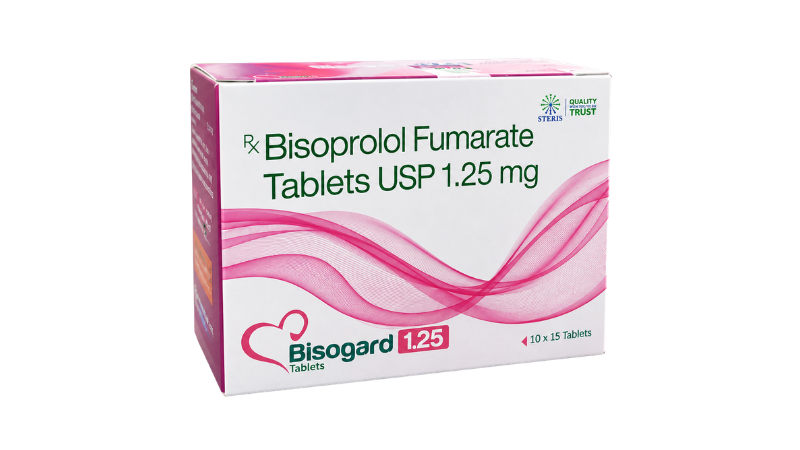
What is Bisogard 1.25? Bisoprolol 1.25mg Uses, Dosage & Side Effects Explained
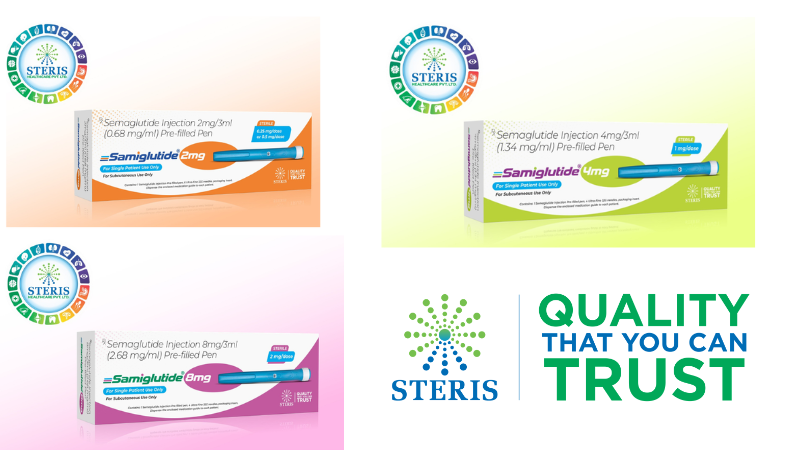
Can Semaglutide Injection Be Used Without Diabetes?
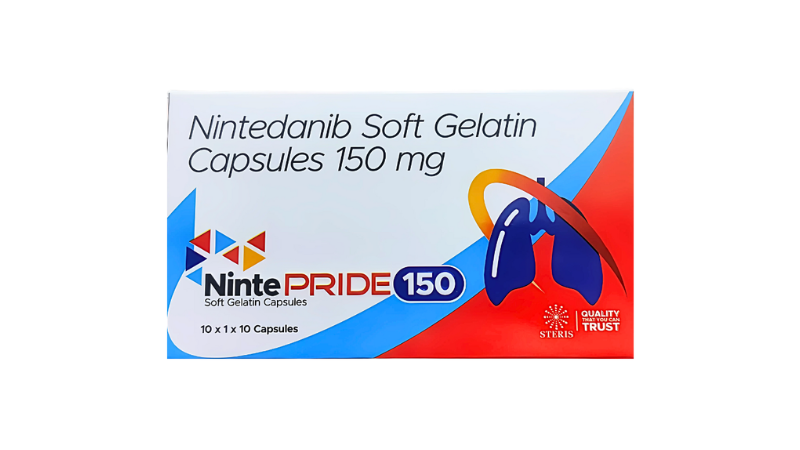
What Are Nintedanib Soft Gelatin Capsules Used For? Complete Guide
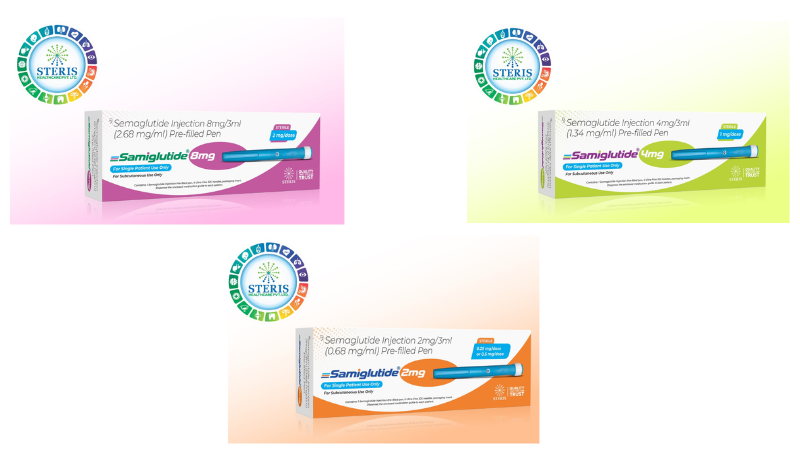
Where to Buy Semaglutide Injection in India: Price, Pen & Prescription Guide
ERITOCOX BENZ 60/5 Dosage Guide: How to Take Etoricoxib & Cyclobenzaprine Tablets Safely
Gabapentin and Methylcobalamin Tablets Side Effects: What Patients Should Know
Thyroxine sodium tablets IP: उपयोग, फायदे और साइड इफेक्ट्स