


OXCARBZEN 300 :STERIS PHARMA......
May 20, 2024
What Is Oxcarbazepine 300 mg Tablet?
Oxcarbazepine 300 mg tablet is an oral prescription anticonvulsant (antiepileptic) medicine used primarily to control certain types of seizures. Current U.S. labeling lists oxcarbazepine tablets for monotherapy or adjunctive therapy for partial-onset seizures in adults, as well as specified pediatric uses. Oxcarbazepine works by reducing abnormal electrical activity in the brain that can contribute to seizures.
The 300 mg strength is one of the available immediate-release tablet strengths. Current labeling also identifies 150 mg and 600 mg tablet strengths, depending on the manufacturer. Because tablet appearance, inactive ingredients, packaging, and markings can differ between manufacturers, patients should verify the product against their prescription and pharmacist's information rather than relying only on tablet color or shape.
Oxcarbazepine tablets are prescription-only medicines, meaning they should be used under medical supervision.
Oxcarbazepine 300 mg Tablet Uses
The main approved use of oxcarbazepine tablets is the management of partial-onset seizures, also called focal-onset seizures. In these seizures, abnormal electrical activity begins in a particular area of the brain.
Depending on the patient's diagnosis and treatment plan, a doctor may prescribe oxcarbazepine:
- As monotherapy, meaning it is used without another antiseizure medicine.
- As adjunctive therapy, meaning it is combined with another antiseizure medicine.
- In adults or children when the prescribing information and clinician's assessment support its use. Current U.S. labeling specifies different pediatric indications and age ranges for monotherapy and adjunctive therapy.
Oxcarbazepine is sometimes prescribed for conditions outside its main approved indications, such as certain types of nerve or facial pain, but such use should be determined by a qualified clinician. For example, an NHS hospital patient resource describes oxcarbazepine as a possible treatment option for facial pain in adults.
Key Benefits of Oxcarbazepine 300 mg Tablet
The primary therapeutic benefit of oxcarbazepine 300 mg tablet is helping reduce and control certain seizures when it is appropriately prescribed and taken consistently.
Potential treatment benefits include:
- Seizure control: Oxcarbazepine can help control partial-onset seizures.
- Flexible treatment approach: It can be prescribed alone or alongside other antiseizure medicines when clinically appropriate.
- Convenient oral administration: Immediate-release oxcarbazepine tablets are generally taken by mouth, commonly in divided doses according to the prescribed regimen.
- Available strength options: The 300 mg tablet can be part of an individualized dose-titration plan; it should not be assumed that every patient should take 300 mg at the same frequency.
- Long-term treatment option: Some patients may use oxcarbazepine for an extended period under neurological or medical supervision. Treatment duration depends on seizure control and the individual's clinical situation.
It is important to understand that oxcarbazepine controls seizures but does not cure epilepsy. Patients should not stop treatment suddenly unless instructed by a healthcare professional because abrupt withdrawal of an antiseizure medicine can increase seizure risk.
How to Take Oxcarbazepine 300 mg Tablet
Take oxcarbazepine 300 mg tablet exactly as prescribed. Immediate-release tablets can generally be taken with or without food. The prescribing information states that oxcarbazepine tablets are administered orally, and treatment doses are individualized rather than determined solely by tablet strength.
For adults, current U.S. prescribing information lists an initial total dose of 600 mg per day divided into two doses for standard initiation, with subsequent dose adjustments depending on the treatment situation. However, this does not mean every patient should begin with 300 mg twice daily. Doctors may use different regimens in children, people with kidney impairment, or patients being converted from another antiseizure treatment.
Patients with significant renal impairment may require a lower starting dose and slower dose increases.
If you forget a dose, do not automatically double the next dose. Ask your doctor or pharmacist what to do based on how close you are to the next scheduled dose.
Common Side Effects of Oxcarbazepine 300 mg Tablet
Like other prescription medicines, oxcarbazepine can cause adverse effects. Some commonly reported effects include:
- Dizziness
- Sleepiness or drowsiness
- Headache
- Nausea or vomiting
- Fatigue or weakness
- Double vision or other visual changes
- Problems with coordination or balance
- Tremor
- Abdominal discomfort
- Diarrhea or constipation
- Dry mouth
- Changes in taste
These effects may be more noticeable when treatment is started or the dose is increased.
Because dizziness, drowsiness, coordination problems, and visual disturbances can occur, patients should be cautious about driving or operating machinery until they know how the medicine affects them. Alcohol may increase drowsiness.
Serious Side Effects and Important Warnings
One of the most important safety concerns with oxcarbazepine is hyponatremia, meaning an abnormally low sodium level in the blood. Current labeling recommends monitoring serum sodium, particularly when clinically appropriate. Symptoms can include nausea, headache, unusual tiredness, confusion, or worsening seizures.
Seek urgent medical attention for signs of a serious allergic or skin reaction, including:
- Severe or spreading rash
- Hives
- Swelling of the face, lips, tongue, or throat
- Difficulty breathing or swallowing
- Blistering or peeling skin
- Sores involving the mouth or eyes
- Fever accompanied by a significant rash
Rare but serious skin reactions such as Stevens-Johnson syndrome and toxic epidermal necrolysis have been associated with oxcarbazepine.
Oxcarbazepine also carries warnings concerning suicidal thoughts or behavior and neuropsychiatric effects. New or worsening depression, unusual behavioral changes, agitation, or thoughts of self-harm should be discussed with a healthcare professional promptly.
Oxcarbazepine 300 mg Tablet: Drug Interactions and Precautions
Before taking oxcarbazepine, tell your doctor about all prescription medicines, over-the-counter medicines, vitamins, and supplements you use.
A particularly important consideration is hormonal contraception. Oxcarbazepine may reduce the effectiveness of hormonal contraceptives, so patients who rely on hormonal birth control should discuss alternative or additional contraception with their healthcare professional.
Tell your doctor if you have kidney or liver problems, are pregnant or planning pregnancy, or are breastfeeding. Patients with certain genetic risk factors may also require special consideration because of the possibility of serious skin reactions.
Do not discontinue oxcarbazepine suddenly without medical guidance. Your healthcare professional may gradually reduce the dose when discontinuation is appropriate.
Who Should Avoid or Use Extra Caution With Oxcarbazepine?
Oxcarbazepine is contraindicated in people with known hypersensitivity to oxcarbazepine, its components, or eslicarbazepine acetate.
Extra caution may be required for people with:
- Kidney impairment
- A previous allergic reaction to carbamazepine
- A history of serious medication-related skin reactions
- Low blood sodium or conditions that increase the risk of hyponatremia
- Pregnancy or plans to become pregnant
- Other medicines that may interact with oxcarbazepine
Your healthcare professional can determine whether oxcarbazepine is appropriate and whether blood tests or other monitoring are necessary.
Buying or Ordering Oxcarbazepine 300 mg Tablet Safely
Because oxcarbazepine 300 mg tablet is a prescription medicine, it should be obtained through a legitimate, licensed pharmacy and used only according to a valid prescription where required.
When obtaining the medicine, check:
- The active ingredient and strength
- Manufacturer and packaging
- Expiry date
- Tablet appearance against the supplied medication information
- Whether the packaging is intact
- The dispensing instructions provided by your pharmacist
Do not substitute another strength or another formulation without professional advice. Immediate-release oxcarbazepine tablets and extended-release products are not automatically interchangeable simply because they contain the same active ingredient.
Conclusion: Is Oxcarbazepine 300 mg Tablet Right for You?
Oxcarbazepine 300 mg tablet is an established prescription anticonvulsant used mainly to control partial-onset seizures. Its key benefit is helping reduce seizure activity when prescribed for an appropriate patient and taken consistently. However, the medicine requires individualized dosing and safety monitoring because dizziness, drowsiness, visual problems, low sodium, serious skin reactions, drug interactions, and mood-related adverse effects can occur.
Frequently Asked Questions About Oxcarbazepine 300 mg Tablet
1. What is oxcarbazepine 300 mg tablet used for?
Oxcarbazepine 300 mg tablet is primarily used to control partial-onset seizures. It may be prescribed alone or with other antiseizure medicines, depending on the patient's condition and treatment plan.
2. Is oxcarbazepine 300 mg a strong dose?
The 300 mg figure describes the amount of oxcarbazepine in one tablet; it does not by itself determine whether a patient's treatment dose is high or low. Doctors select the total daily dose and dosing schedule according to age, diagnosis, kidney function, other medicines, and response to treatment.
3. What are the most common side effects of oxcarbazepine 300 mg?
Common side effects can include dizziness, sleepiness, headache, nausea, vomiting, fatigue, double vision, coordination problems, and other nervous-system or gastrointestinal symptoms.
4. Can oxcarbazepine 300 mg cause low sodium?
Yes. Oxcarbazepine can cause hyponatremia, or low blood sodium. Symptoms can include nausea, headache, tiredness, confusion, and worsening or prolonged seizures. Doctors may monitor sodium levels when appropriate.
5. Can I stop taking oxcarbazepine 300 mg suddenly?
No. Do not stop oxcarbazepine suddenly unless a healthcare professional specifically instructs you to do so. Abrupt withdrawal can worsen seizure control, so discontinuation is generally managed gradually.
6. Can I take oxcarbazepine 300 mg with food?
Immediate-release oxcarbazepine tablets can be taken with or without food. Follow the specific instructions on your prescription and medication label.
7. Does oxcarbazepine 300 mg affect birth control?
Yes. Oxcarbazepine can reduce the effectiveness of hormonal contraceptives. People using hormonal birth control should discuss reliable alternative or additional contraception with their healthcare professional.
8. Can oxcarbazepine 300 mg cause dizziness or sleepiness?
Yes. Dizziness, drowsiness, coordination difficulties, and visual changes can occur. Avoid driving or operating machinery until you know how oxcarbazepine affects you.
9. What should I do if I develop a rash while taking oxcarbazepine?
Contact a healthcare professional promptly, particularly if the rash is severe, spreading, blistering, peeling, or accompanied by fever, mouth sores, facial swelling, or difficulty breathing. Serious skin reactions can occur and require urgent evaluation.
10. Is oxcarbazepine 300 mg available as a prescription medicine?
Yes. Oxcarbazepine tablets are prescription medicines. Current labeling identifies 300 mg as an available tablet strength, although tablet appearance and packaging vary by manufacturer.
11. How does oxcarbazepine work?
Oxcarbazepine blocks sodium channels, stabilizing neurons and reducing excessive electrical activity that triggers seizures.
Recent Post
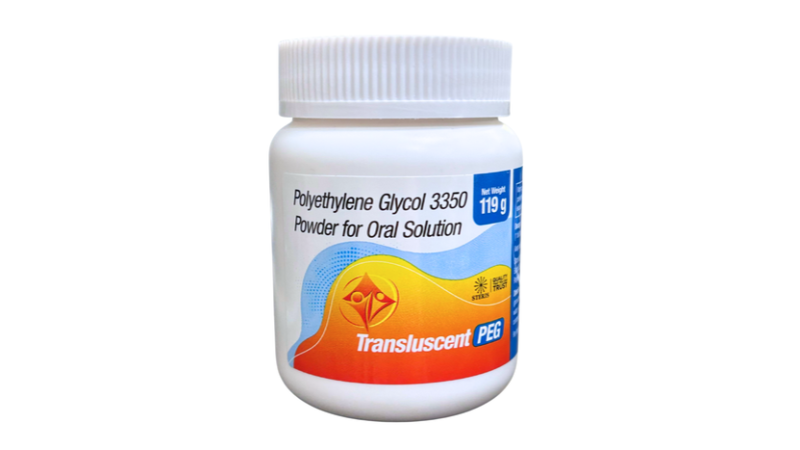
Polyethylene Glycol 3350 Powder: Uses, Dosage, Precautions, and Price
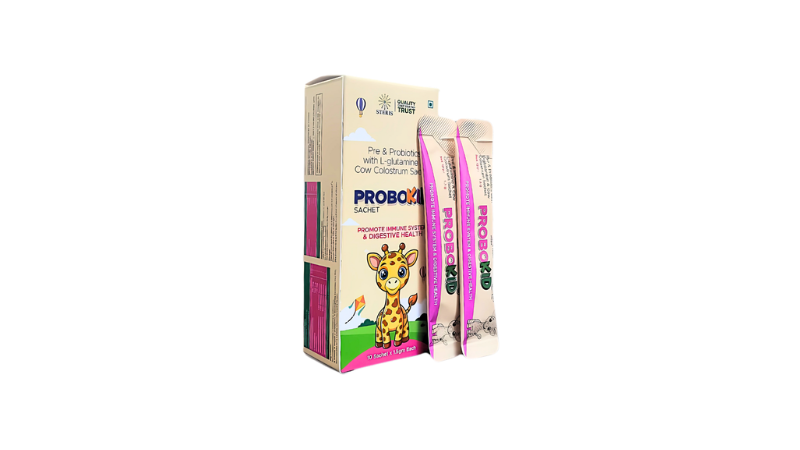
Probiotic Sachet with FOS, L-Glutamine & Colostrum – Uses and Benefits
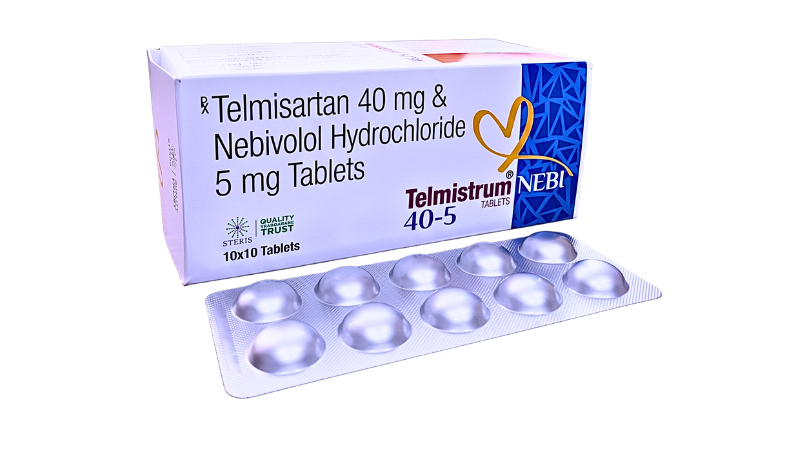
How Telmisartan and Nebivolol Work to Manage High Blood Pressure
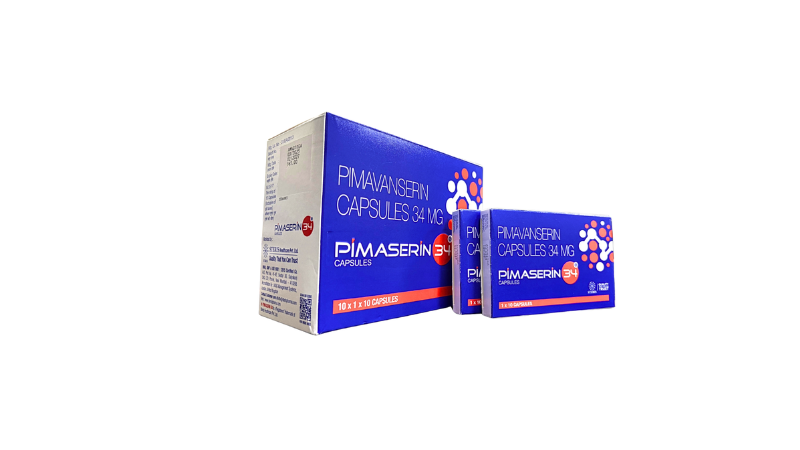
Pimavanserin 34 mg Capsules – Uses & Benefits
Voglibose, Glimepiride and Metformin: Uses, Benefits and Side Effects
What Is Minocycline Hydrochloride Used For? A Complete Guide

Voglibose and Repaglinide Tablets – Uses, Price & Buy Online in India

Amorphous Hydrogel with Colloidal Silver: Uses & Benefits
Donepezil Hydrochloride with Memantine Hydrochloride Uses, Benefits & Price in India

Amino Acid with Vitamin and Mineral Tablets Nutritional Support Explained

