


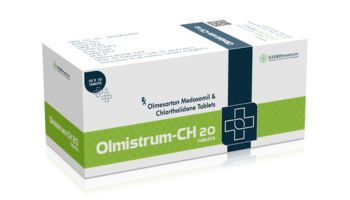



Olmesartan and Chlorthalidone (20 mg)
May 04, 2023
Olmesartan and Chlorthalidone (20 mg)
OLMISTRUM CH is a combination medication that are used together to treat high blood pressure.
OLMISTRUM CH is an angiotensin II receptor blocker (ARB) that works by blocking the action of a hormone called angiotensin II, which causes blood vessels to narrow and blood pressure to rise. By blocking the action of this hormone, OLMISTRUM CH helps to relax blood vessels and lower blood pressure.
OLMISTRUM CH is a thiazide diuretic that works by increasing the amount of salt and water that the kidneys excrete, which helps to reduce the amount of fluid in the blood vessels and lower blood pressure.
OLMISTRUM CH can have a complementary effect, with the olmesartan helping to relax blood vessels and the chlorthalidone reducing fluid volume. This can lead to a greater reduction in blood pressure than either medication alone.
It is important to note that OLMISTRUM CH can have side effects, and it is important to discuss these with your doctor before starting treatment. Additionally, these medications should only be used under the supervision of a healthcare provider.
OLMISTRUM CH is available in strengths of 20 & 40 mg.
For further information please contact:
info@sterispharma.com
Recent Post
Polyethylene Glycol 3350 Powder: Uses, Dosage, Precautions, and Price

Probiotic Sachet with FOS, L-Glutamine & Colostrum – Uses and Benefits

How Telmisartan and Nebivolol Work to Manage High Blood Pressure

Pimavanserin 34 mg Capsules – Uses & Benefits
Voglibose, Glimepiride and Metformin: Uses, Benefits and Side Effects
What Is Minocycline Hydrochloride Used For? A Complete Guide
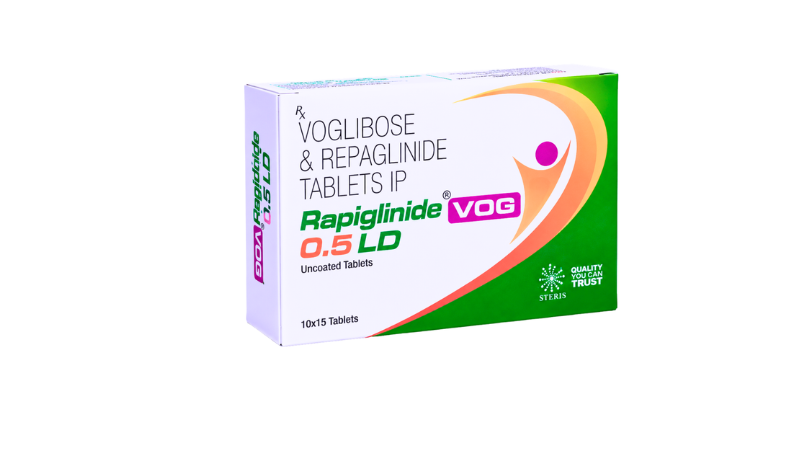
Voglibose and Repaglinide Tablets – Uses, Price & Buy Online in India

Amorphous Hydrogel with Colloidal Silver: Uses & Benefits
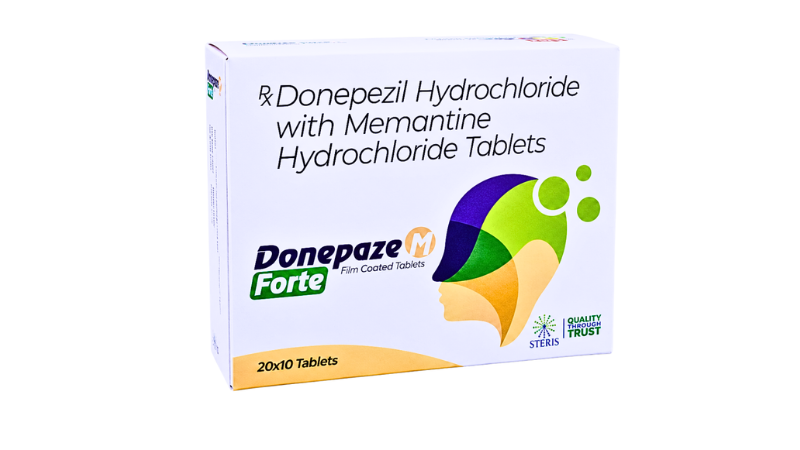
Donepezil Hydrochloride with Memantine Hydrochloride Uses, Benefits & Price in India

Amino Acid with Vitamin and Mineral Tablets Nutritional Support Explained