


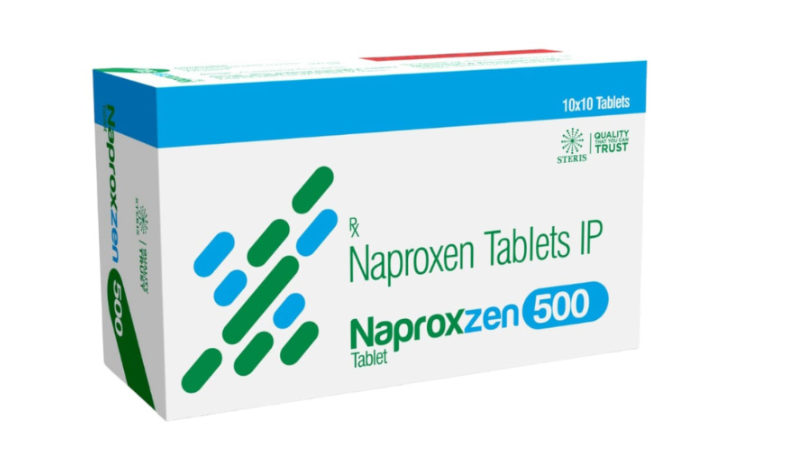



Naproxen 500mg Pain Relief Solution
Jul 26, 2024
What Is Naproxen IP 500 mg?
Naproxen IP 500 mg is a non-steroidal anti-inflammatory drug (NSAID) used to reduce pain, inflammation and swelling. “IP” generally refers to the medicine complying with the relevant Indian Pharmacopoeia standards.
Naproxen works by reducing the body's production of substances involved in pain and inflammation. It may therefore be prescribed for conditions such as arthritis, gout, muscle or joint pain and menstrual pain.
The 500 mg strength should not be considered automatically “better” than a lower strength. The appropriate dose depends on the condition, age, other medicines and individual health risks.
Naproxen IP 500 mg Uses
Doctors may prescribe naproxen for several painful inflammatory conditions, including:
1. Arthritis Pain
Naproxen can help reduce pain, stiffness and inflammation associated with osteoarthritis and rheumatoid arthritis.
2. Joint and Muscle Pain
It may be used for inflammatory musculoskeletal pain, including certain tendon or bursa-related conditions.
3. Gout
Naproxen may be prescribed during an acute gout attack to reduce inflammation and pain.
4. Menstrual Pain
Naproxen is also used for period pain (dysmenorrhea) because prostaglandins contribute to menstrual cramps and inflammation.
5. Other Pain Conditions
Depending on the doctor's assessment, naproxen may be used for various short-term pain conditions where an anti-inflammatory medicine is appropriate.
Key Benefits of Naproxen 500 mg
The main potential benefits are:
- Pain relief
- Reduction of inflammation
- Reduction of swelling
- Improvement in inflammatory joint pain and stiffness
- Relief from certain acute painful conditions
Naproxen is particularly useful when pain is accompanied by inflammation or swelling, rather than simply being a general painkiller.
However, effectiveness varies from person to person, and using a higher dose does not necessarily provide proportionally greater benefit while it can increase the risk of adverse effects.
How to Take Naproxen IP 500 mg
The correct dose and duration depend on why you are taking it. Do not start, increase or continue 500 mg on your own.
Naproxen tablets are generally swallowed with water. Taking it with food or milk may help reduce nausea or stomach discomfort. Follow the prescription or product leaflet carefully.
Important
Do not combine naproxen with another NSAID such as ibuprofen, diclofenac or aspirin for pain unless your doctor specifically tells you to do so. Combining NSAIDs can increase the risk of stomach ulcers and bleeding.
Naproxen 500 mg Side Effects
Like other NSAIDs, naproxen can cause side effects.
Common side effects
Some people may experience:
- Nausea or vomiting
- Indigestion
- Stomach pain
- Constipation or diarrhoea
- Headache
- Dizziness or drowsiness
- Bloating
- Skin rash
- Ringing in the ears
These effects may be more likely with higher doses or prolonged use.
Serious Side Effects
Seek urgent medical attention if you develop:
- Vomiting blood
- Black or tar-like stools
- Severe or persistent stomach pain
- Difficulty breathing
- Swelling of the face, lips or throat
- Severe allergic reaction
- Unusual swelling of the feet or ankles
- Chest pain or symptoms suggestive of a heart attack or stroke
NSAIDs including naproxen can increase the risk of stomach ulcers/bleeding, kidney problems, heart attack and stroke, particularly with higher doses or longer treatment.
Who Should Avoid Naproxen 500 mg or Ask a Doctor First?
Speak with a doctor or pharmacist before taking naproxen if you have:
- Previous stomach ulcer or gastrointestinal bleeding
- Kidney disease
- Liver disease
- Heart disease or heart failure
- High blood pressure
- Previous heart attack or stroke
- Asthma that worsens with aspirin/NSAIDs
- An allergy to aspirin, ibuprofen or other NSAIDs
- A history of bleeding problems
Extra caution is also needed if you take blood thinners, steroids, certain antidepressants, blood-pressure medicines or diuretics, because interactions can increase risks.
Pregnancy
Naproxen should generally be avoided during pregnancy unless a healthcare professional specifically recommends it. Particular concern exists from around 20 weeks of pregnancy onward, when NSAIDs can cause fetal complications.
Naproxen 500 mg: Buyer-Intent Guide
Before purchasing, check:
- Active ingredient: naproxen and the exact strength.
- Dosage form: immediate-release vs modified/delayed-release formulation.
- Expiry date and packaging integrity.
- Manufacturer and batch details.
- Whether it is prescription-only in your location.
- Whether your existing medicines can safely be taken with it.
- Whether you actually need an anti-inflammatory NSAID for your type of pain.
For long-term or recurring pain, identifying and treating the underlying cause is more important than repeatedly taking painkillers.
Frequently Asked Questions
1. What is Naproxen IP 500 mg used for?
Naproxen IP 500 mg is an NSAID used to relieve pain and inflammation, including certain arthritis, gout, joint, muscle and menstrual pain.
2. Is Naproxen 500 mg a strong painkiller?
It is an effective NSAID for pain associated with inflammation. However, 500 mg should not be taken simply because the pain is severe. The appropriate dose depends on the condition and individual risk factors.
3. Can I take Naproxen 500 mg for back pain?
Naproxen may help some types of back pain, particularly when inflammation is involved, but it is not suitable for everyone. A doctor or pharmacist can help determine whether an NSAID is appropriate.
4. Can I take ibuprofen with Naproxen 500 mg?
Generally, no. Ibuprofen and naproxen are both NSAIDs, and taking them together can increase the risk of side effects such as stomach ulcers and bleeding.
5. Does Naproxen 500 mg cause acidity or stomach pain?
Yes. Indigestion, stomach pain, nausea and heartburn can occur. More seriously, naproxen can cause stomach ulcers or gastrointestinal bleeding.
6. Can Naproxen 500 mg damage the kidneys?
NSAIDs such as naproxen can cause kidney problems, particularly in people with existing kidney disease, older adults, dehydrated people, or those taking certain interacting medicines.
7. Is Naproxen 500 mg safe during pregnancy?
It should not be used during pregnancy unless specifically advised by a healthcare professional. NSAID use around or after 20 weeks can pose risks to the fetus.
8. How long can I take Naproxen 500 mg?
There is no single safe duration for everyone. Use the lowest effective dose for the shortest appropriate duration under medical guidance, particularly if using 500 mg repeatedly. Longer or higher-dose NSAID treatment increases the possibility of serious complications.
9. How much naproxen is safe?
For adults, naproxen is generally safe when prescribed; avoid exceeding recommended doses or prolonged use without medical advice.
Conclusion
Naproxen IP 500 mg is an NSAID that can provide effective relief from pain, swelling and inflammation, especially in conditions such as arthritis, gout and certain muscle/joint or menstrual pain. However, it is not suitable for everyone, and its benefits need to be balanced against risks such as stomach bleeding, kidney problems and cardiovascular complications.
Recent Post

Semaglutide Injection 2mg/3ml (SAMIGLUTIDE) – Uses, Benefits, Dosage & Side Effects

L-Glutathione, Vitamin C & Alpha Lipoic Acid Tablets: Uses, Benefits & Side Effects

Vitamin A, D & Calcium Chloride: Uses, Benefits & Safety Information

How Does Vitamin C Face Serum Benefit Your Skin?

Minoxidil & Finasteride Topical Solution: How Does It Work?

Minoxidil Gel: Uses, Side Effects & Important Precautions
What Does Semaglutide Do to Your Body? Benefits & Risks
Amlodipine 5 mg + Olmesartan 40 mg: Benefits, Dosage & Precautions
Ramipril 2.5 mg and Hydrochlorothiazide 12.5 mg: Uses, Benefits & Dosage
Atorvastatin 5 mg क्या है? जानें उपयोग, फायदे और साइड इफेक्ट्स